




Altar Candle Stand
An altar candle stand brings enduring ecclesiastical presence into a room, offering vertical weight and historical proportion.
Altar Candle Stand
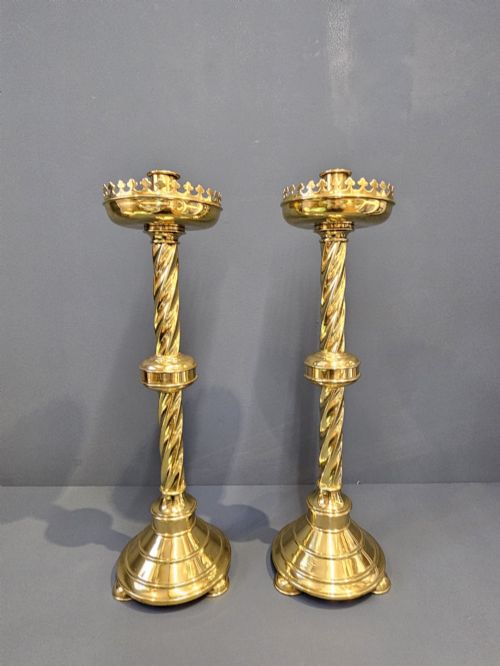
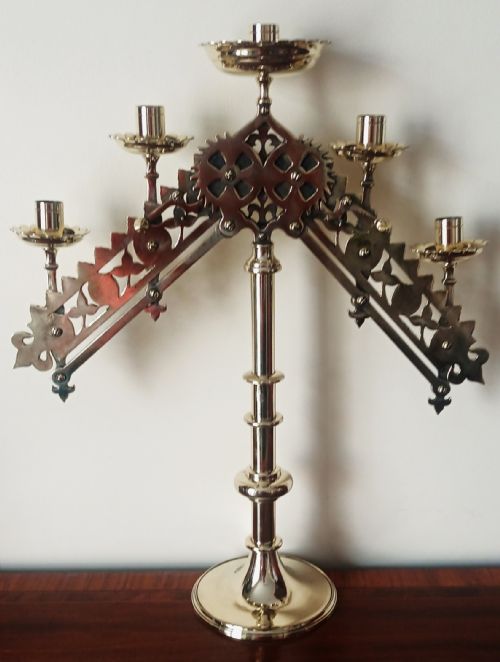
An altar candle stand encompasses tall ecclesiastical floor stands, torcheres, and heavy table candlesticks designed for ceremonial church use. The pieces gathered here span from the eighteenth century through to the early twentieth century, showing strong ties to Gothic Revival, Baroque, and Amsterdam School design.
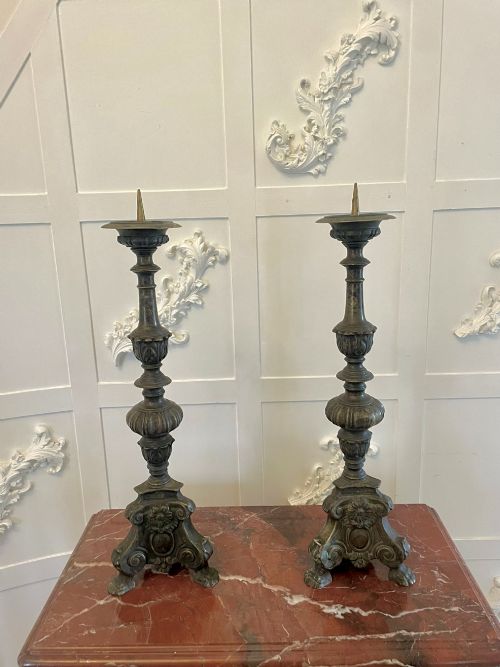
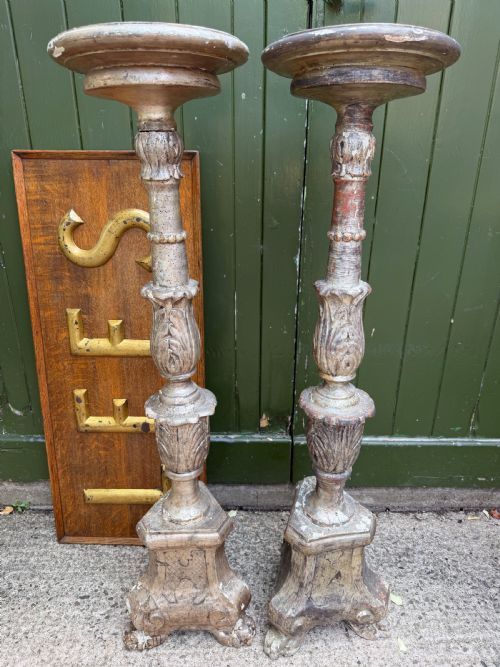
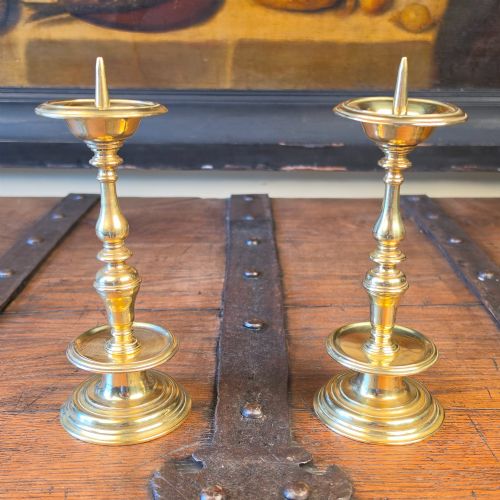
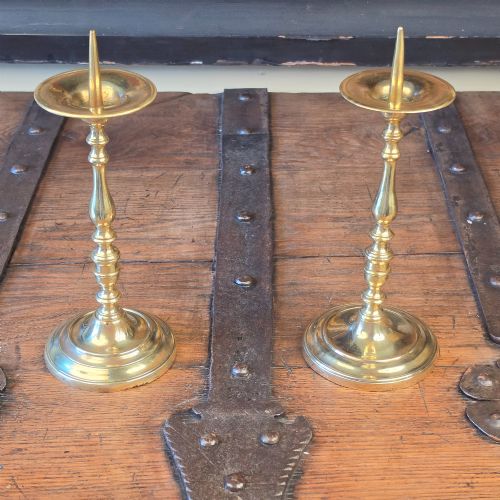
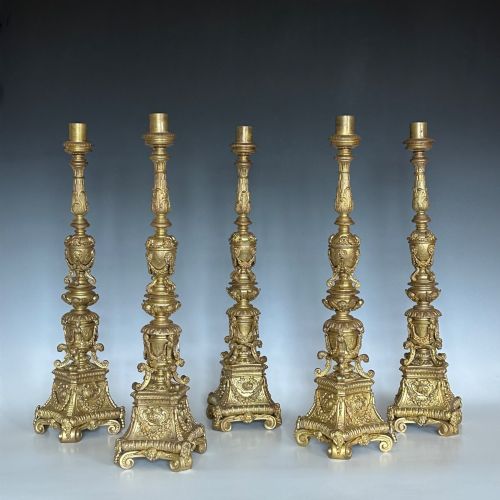
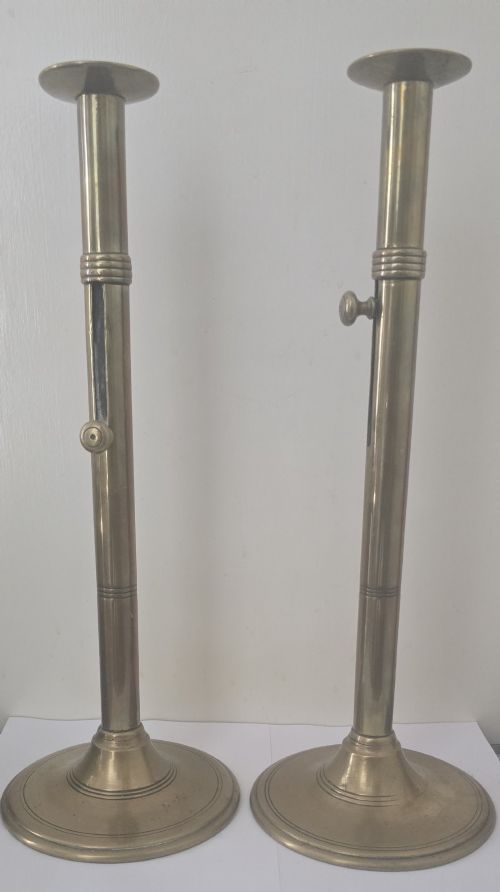
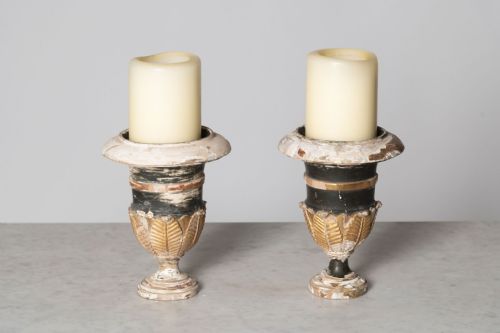
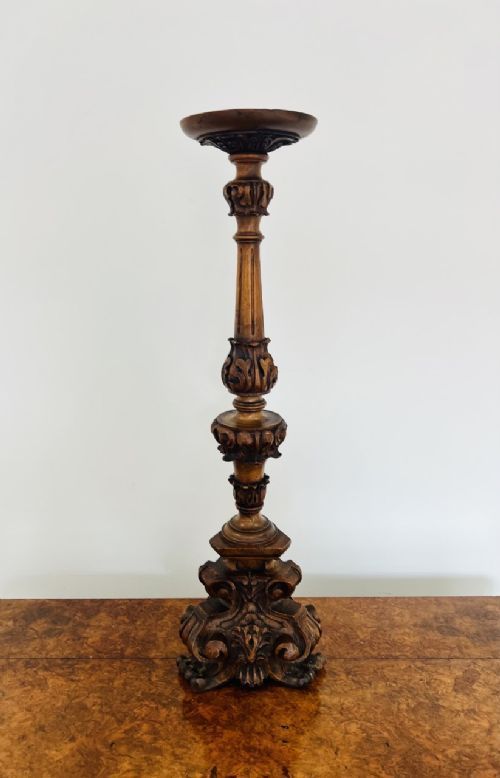
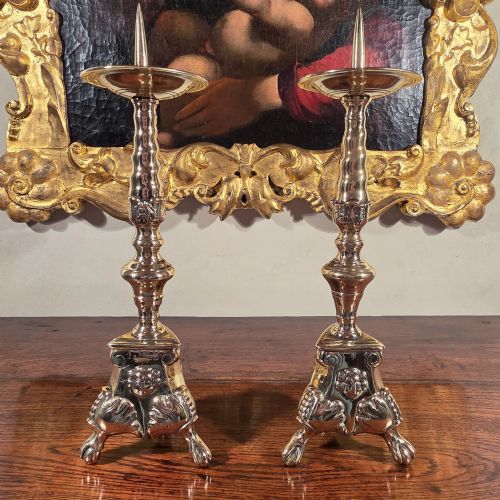
Brass and heavy cast bronze examples dominate the selection, often taking the form of tall column candlesticks or pricket stands with central spikes. Alongside metal works, the listings feature carved and silvered wood, giltwood, and turned timber stands originating from English, French, and Italian workshops.
How they were made
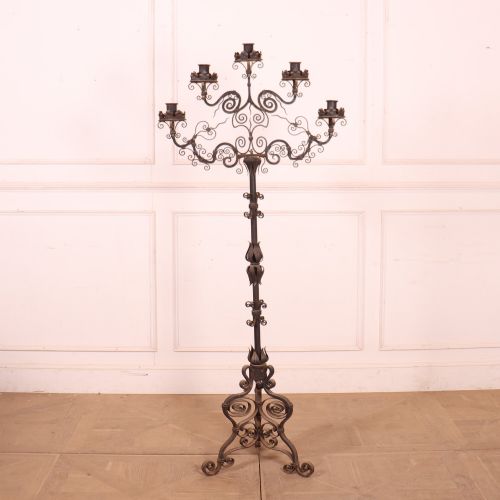
Metal altar candle stands rely on heavy casting and turning in brass and bronze, frequently combining iron components for structural stability in taller floor-standing formats. Brass elements are often finished with detailed chasing or turned collars, while iron sections provide necessary counterweight.
Wooden examples utilise carved pinewood, walnut, and oak, frequently layered with gesso, silver leaf, or polychrome paint. Giltwood and silvered finishes involve the careful application of metal leaf over prepared wooden grounds, creating reflective surfaces suited to dim ecclesiastical interiors.
Some tall floor stands were sturdy enough to double as impromptu umbrella holders after retirement from the altar.
What varies in quality
The distinction between ordinary production and superior quality rests upon the crispness of the casting in metal pieces and the depth of hand-carving in wooden variants. Finer examples display sharp architectural details, well-proportioned turned columns, and substantial metal thickness that provides genuine stability.
Surface preservation significantly influences the character of each piece, whether through the undisturbed patina of aged brass or the authentic layering of historic silver leaf and gesso. Pieces retaining their original pricket spikes and heavy weighted bases demonstrate greater integrity to their intended ecclesiastical function.
The Altar Candle Stand Glossary
- Pricket
- A metal spike on top of a candlestick designed to secure a large wax candle rather than holding it in a socket. This traditional format is common on church and altar pieces.
- Torchere
- A tall ornamental stand or candlestick designed to elevate a light source. These floor-standing pieces often feature carved wooden shafts and tripod bases.
- Giltwood
- Timber that has been coated with a thin layer of gold leaf or gold paint. It appears frequently on decorative Italian and French ecclesiastical furnishings.
- Gesso
- A plaster-like mixture applied to wood as a base for painting or gilding. It provides a smooth surface for detailed decorative work.
- Amsterdam School
- An early twentieth-century architectural and design movement characterised by expressive forms and rich texturing in metal and wood. Pieces from this school show distinctive modern traditionalism.
Altar Candle Stand: Frequently Asked Questions
What is an altar candle stand?
An altar candle stand is a tall lighting fixture traditionally used in churches to hold large ceremonial candles during services. These pieces range from heavy brass tabletop sticks to substantial wooden floor torcheres.
They were built with weighted bases and sturdy shafts to support tall wax tapers safely over long periods of use in ecclesiastical settings.
How do I use an altar candle stand at home?
These tall stands suit placement beside fireplaces, in empty corners, or upon substantial sideboards where their vertical height draws the eye. They work effectively as sculptural objects even without candles lit.
Pricket versions require candles with a central hole drilled at the base to sit securely upon the metal spike.
How do I date an antique candle stand?
Dating relies on examining the manufacturing techniques, such as sand-casting marks in older brass or machine turning in later Victorian examples. Stylistic indicators like Gothic Revival arches or Baroque scrolls provide further chronological markers.
Material composition and the nature of surface wear also help distinguish eighteenth-century wooden pieces from twentieth-century revivals.
What is the difference between a candlestick and a torchere?
A candlestick is typically a shorter table-top fixture designed to hold a single candle within a socket or on a pricket. A torchere is significantly taller and functions as a floor-standing column or pedestal.
Torcheres are built to elevate light sources higher into a room, often featuring more elaborate carved wooden or metal bases.