
Albert Chain and Fob
An albert chain and fob is a traditional pocket watch chain complete with a pendant ornament, prized for its intricate metalwork and historical utility.
Albert Chain and Fob
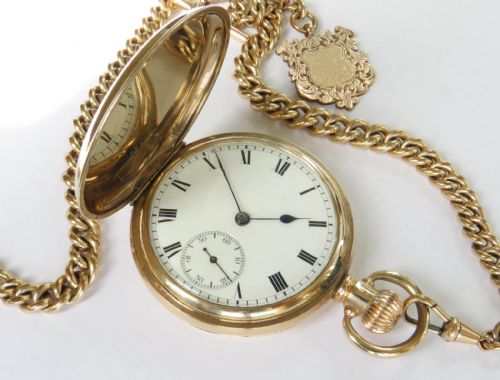
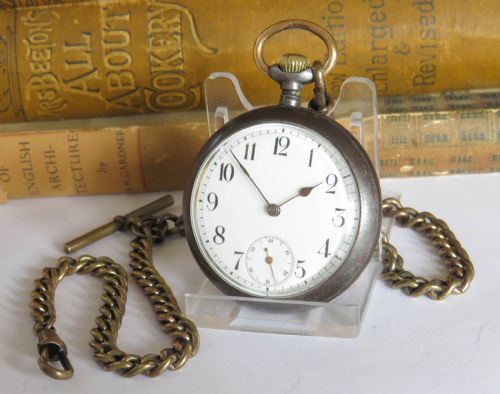
When searching for an albert chain and fob, buyers encounter functional accessories designed to secure a pocket watch to a waistcoat or garment. These pieces typically originate from the Victorian and Edwardian eras, extending into the nineteen thirties.
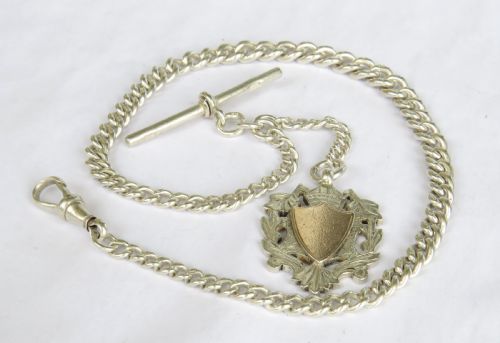
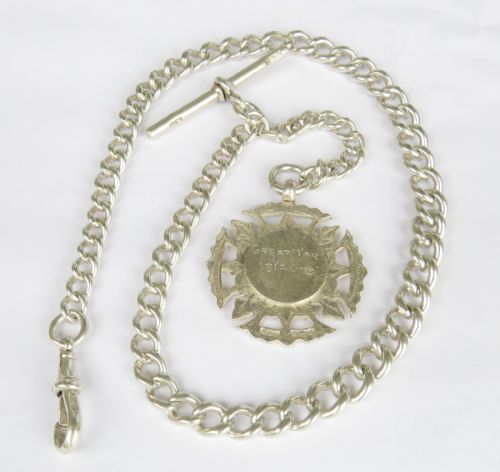
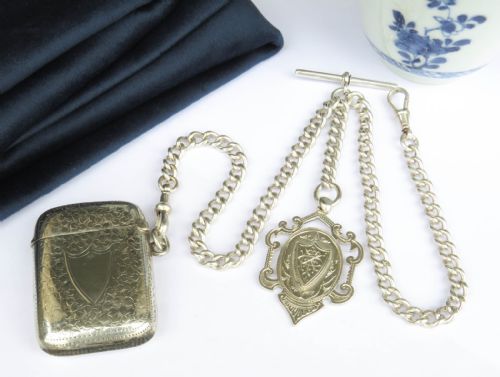
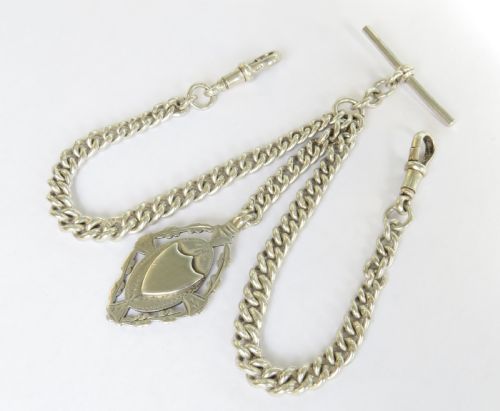
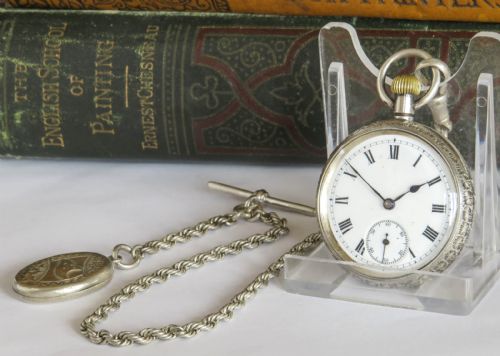
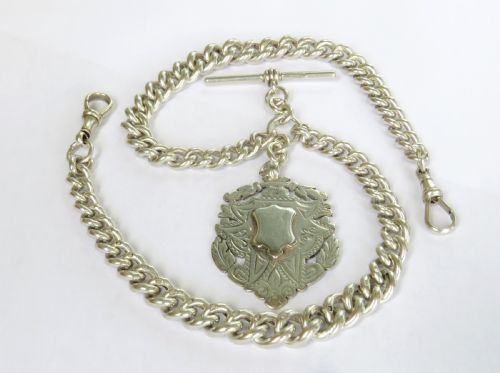
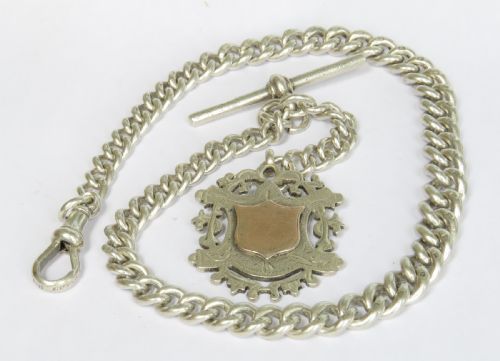
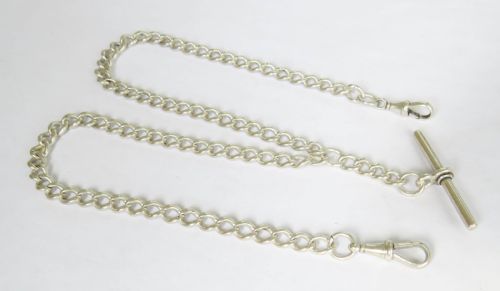
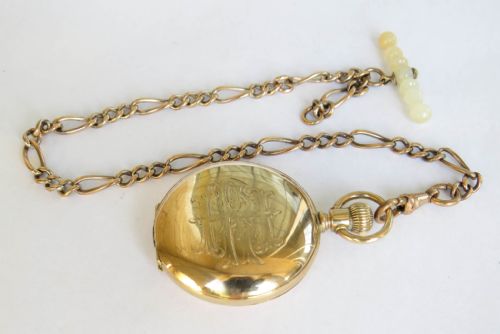
The most common examples on this page are fashioned from sterling silver or rolled gold, often accompanied by a distinctive t-bar, dog clip, and decorative pendant. Single and double chain configurations appear frequently alongside pocket watches and vestas.
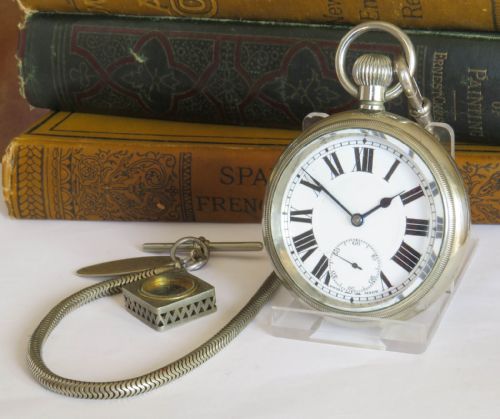
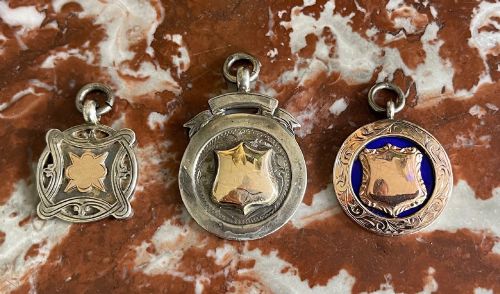
Originating as practical timekeeping apparatuses, these assemblies now serve frequently as necklaces or bracelets. The associated fobs range from simple engraved shields and seals to commemorative sports medals and compasses.
How they were made
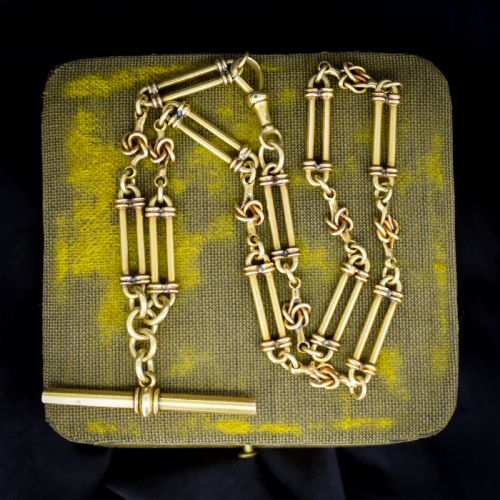
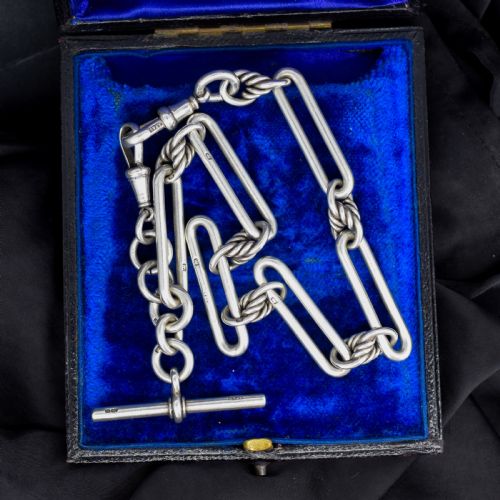
Silversmiths and jewellers constructed these links predominantly from solid sterling silver or nine carat rose and yellow gold, utilising rolled gold as an accessible alternative. Individual links, such as curb, trombone, belcher, and figaro patterns, were painstakingly assembled by hand or machine before being fitted with swivels and spring clips.
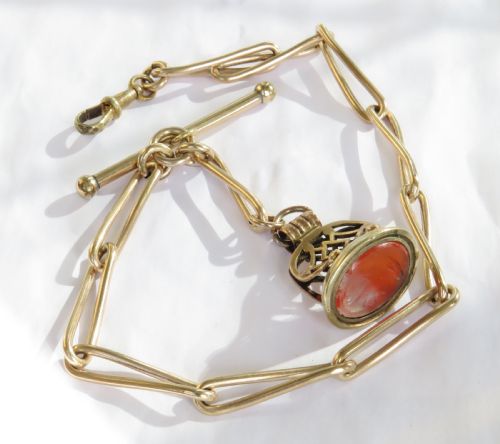
Fobs and pendants frequently incorporate glass, enamel, and intaglio carvings mounted in metal bezels. Hallmarks stamped onto individual links and t-bars provide official records of assay offices, dates, and metal purity.
Some nineteenth century fobs double as miniature compasses, ensuring wearers could navigate home after a long evening.
What varies in quality
The distinction between ordinary and exceptional pieces lies in the weight of the metal and the complexity of the link construction. Heavy, solid silver or gold double chains with matching hallmarks across every component represent superior craftsmanship.
Detailing on the attached fob significantly influences the character of the piece. Hand-engraved heraldic shields, rotating spinning fobs, and complex medals demonstrate a higher tier of artistry than plain or mass-produced counterparts.
The Albert Chain and Fob Glossary
- Albert chain
- A type of watch chain named after Prince Albert, designed to attach a pocket watch to a gentleman's waistcoat. They are worn stretched across the chest or looped through a buttonhole.
- Fob
- A small medallion, seal, or ornament attached to a ribbon or chain hanging from a pocket watch. They often feature heraldic engravings or commemorative sports details.
- T-bar
- A transverse bar attached to the centre of an albert chain that slips through a buttonhole to secure the watch. It prevents the chain from slipping entirely.
- Dog clip
- A spring-loaded swivel clasp used to fasten the pocket watch to the chain. This mechanism allows the watch to be easily detached.
- Vesta
- A small pocket-sized box used for holding wax matches, frequently found accompanying watch chains in silver. They often feature matching engraving to the albert.
- Trombone link
- A specific elongated geometric watch chain link shape resembling the slides of a musical instrument. It provides a distinctive decorative rhythm to the chain.
Albert Chain and Fob: Frequently Asked Questions
How do I wear an albert chain and fob today?
Many people wear shorter chains around the neck as a necklace or wrap longer double chains around the wrist as a bracelet. The t-bar and dog clips can be arranged as decorative elements in modern jewellery styling.
Alternatively, purists attach the t-bar through a garment buttonhole and secure a pocket watch in the corresponding pocket. The fob drapes freely from the centre point for traditional display.
How can I date my watch chain?
British pieces often carry hallmarks stamped directly onto the individual links, the t-bar, and the dog clips. These tiny stamps indicate the assay office, the metal purity, and a specific date letter.
Comparing the style of the links, such as heavy Victorian curb links or 1920s trombone patterns, also helps narrow down the decade of manufacture. Fob inscriptions frequently record specific historical years or presentation dates.
What metals were commonly used?
Sterling silver is the most frequently encountered metal, often bearing hallmarks from Birmingham, Chester, or London assay offices. Gold variants range from nine carat and eighteen carat yellow or rose gold down to rolled gold surfaces.
Rolled gold involved fusing a thin layer of gold over a base metal core, providing the appearance of solid gold at a lower weight and cost. Accents of enamel, glass, and steel occasionally appear within the fobs and charms.