


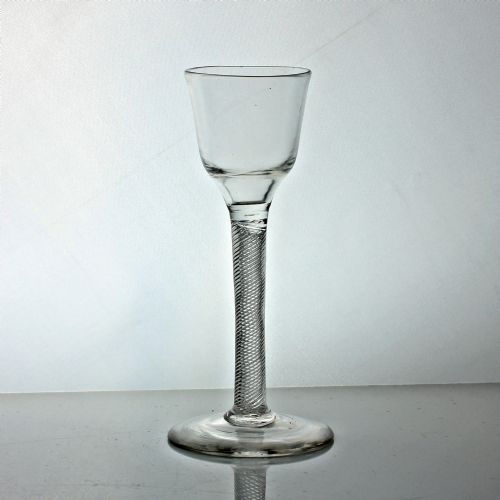


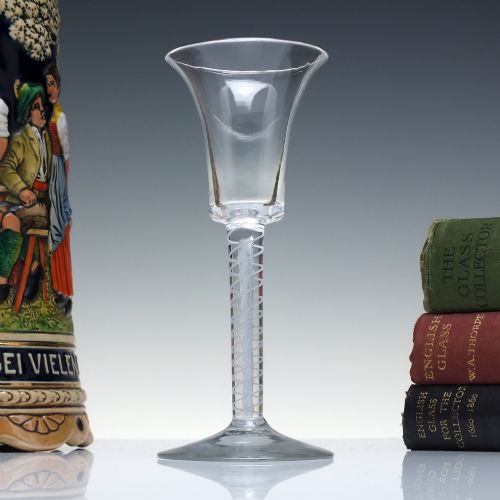
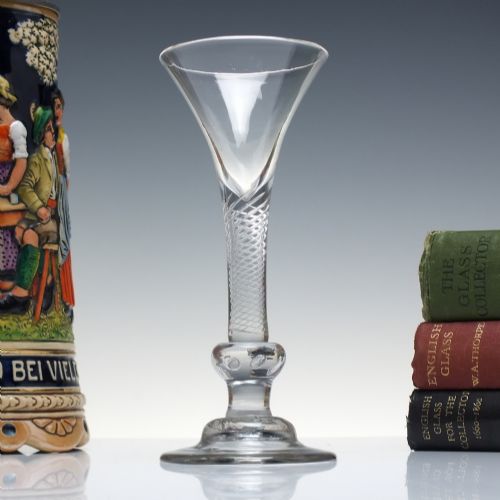
Air Twist Drinking Glass
An air twist drinking glass brings the tactile elegance of eighteenth-century glassmaking straight to your table.
Air Twist Drinking Glass
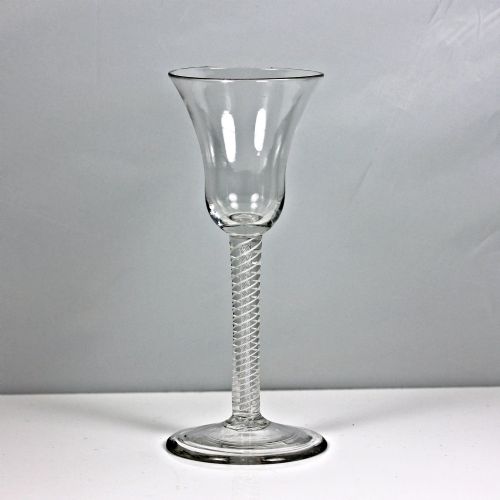
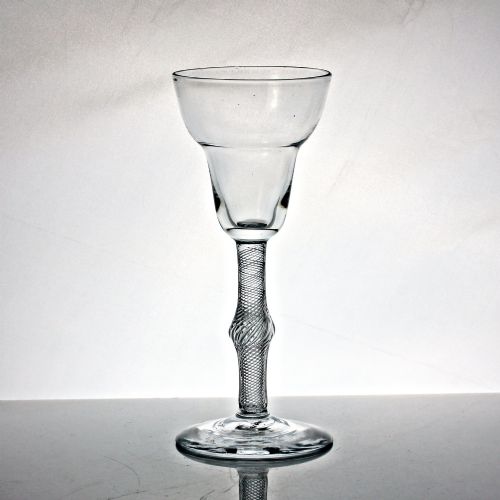
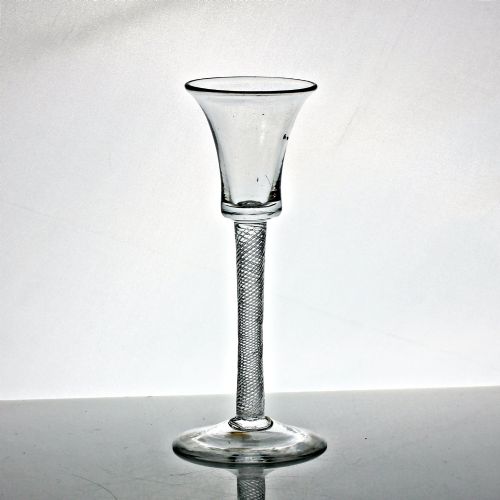
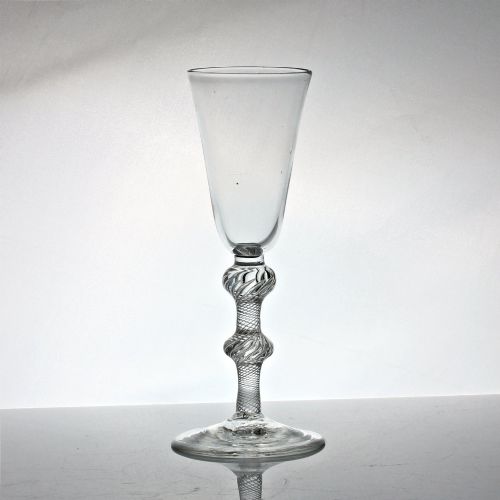
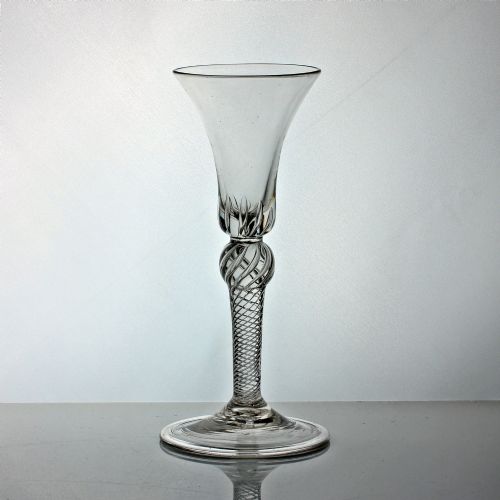
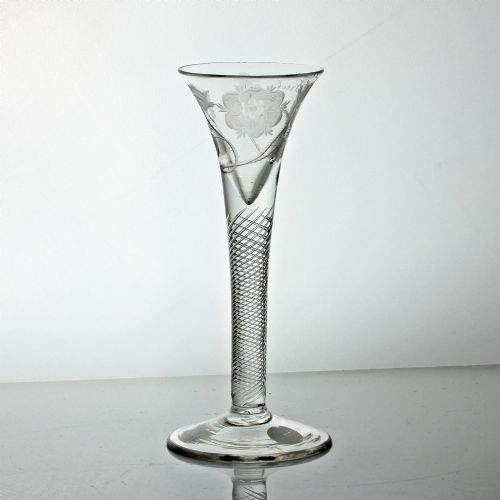
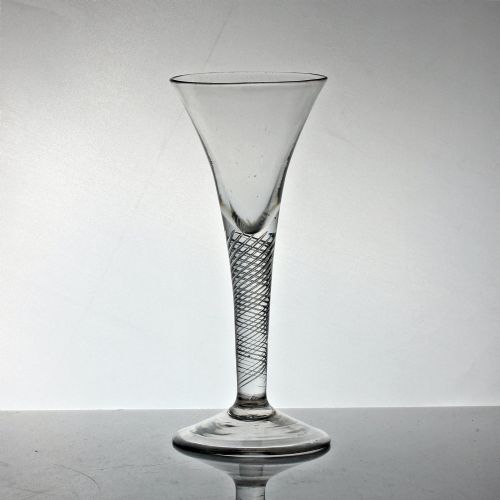
An air twist drinking glass is a historic drinking vessel characterised by an internal spiral of tiny air bubbles trapped within its slender stem. When you search for an air twist drinking glass, you enter a field dominated by eighteenth-century Georgian wine glasses, ale glasses, and cordials alongside later twentieth-century revivals.
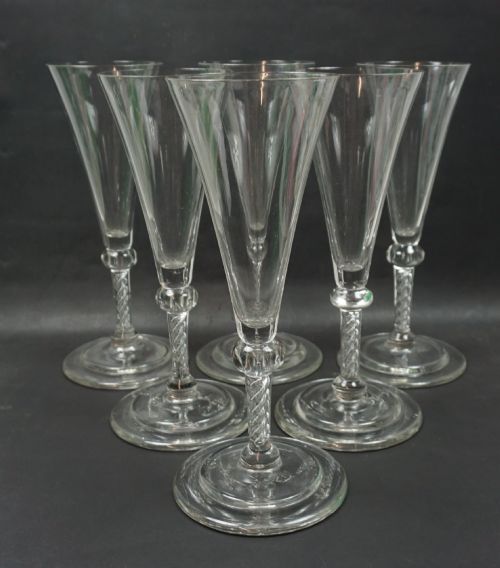
The most common examples you meet on this page date from the Georgian period, typically featuring drawn trumpet, bell, ogee, or pan top bowls perched above multi-spiral or double-series stems. These pieces encompass various forms including specialised champagne flutes, ale glasses with taller bowls, and smaller cordial glasses designed for potent spirits.
Makers shaped these vessels in England using lead glass and flint glass, often embellishing the bowls with detailed wheel engraving such as Jacobite symbols, hunting scenes, or grape and vine motifs. You also encounter composite stems and mixed twists that combine air bubbles with white enamel threads inside the glass body.
How they were made
Glassmakers created the characteristic internal twists by drawing and manipulating molten lead glass or flint glass while it remained malleable. They impressed parallel air channels into a hot gather of metal before twisting and enclosing the air inside a fresh layer of clear glass.
Master craftsmen shaped the bowls separately, whether blown into moulds or free-blown into bell, ogee, or pan top forms, before joining them securely to the twisted stems and applying folded or domed feet. Workers finished the vessels by polishing the pontil mark underneath and occasionally decorating the surface with delicate diamond-point or wheel engraving.
Some eighteenth-century drinkers expressed secret political loyalties by raising glasses etched with covert Jacobite symbols.
What varies in quality
Quality in these glasses rests on the clarity of the metal and the regularity of the internal twist. The most accomplished stems display precise, uniform air threads that spiral cleanly from base to bowl without distortion.
Proportion and foot formation further distinguish the standard of the piece. A balanced relationship between bowl, knop, and a stable folded or domed foot elevates the presence of the glassware.
The Air Twist Drinking Glass Glossary
- Air twist
- A stem containing elongated internal air bubbles drawn into a spiral thread. This technique defines the visual appeal of eighteenth-century drinking vessels.
- Lead glass
- A heavy, brilliant glass containing lead oxide that increased clarity and made intricate manipulation possible. English glasshouses utilised this formula extensively for drinking vessels.
- Knop
- A decorative swelling or protuberance on the stem of a glass. Makers placed single, double, or triple knops to add weight and visual interest.
- Ogee
- An S-curved bowl shape curving inward at the rim and outward below. This form appears frequently on Georgian stemware.
- Pontil mark
- A rough scar left on the underside of a glass where the holding rod was snapped away after shaping. Skilled finishers smoothed this area during production.
Air Twist Drinking Glass: Frequently Asked Questions
What is an air twist glass?
An air twist glass is a drinking vessel featuring a slender stem filled with spiral air threads trapped inside clear lead glass.
These pieces date primarily from the eighteenth century and were produced in England for serving wine, ale, and cordials.
How were air twist stems made?
Glassmakers formed air twist stems by impressing parallel channels into hot metal, twisting the gather, and encasing the trapped air within clear glass.
The molten assembly was then drawn out, shaped, and joined to a blown bowl and foot.
What drinks were served in these glasses?
Eighteenth-century drinkers used these vessels for wine, strong ales, and concentrated cordials or spirits. The smaller bowl capacities suited the potent alcoholic beverages of the period.
Tall flutes were specifically formed for champagne and sparkling wines.
Can I use antique air twist glasses?
You can use antique air twist glasses for special occasions, provided you handle them with care and wash them gently by hand.
Due to their age and delicate lead glass composition, avoid dishwashers and sudden temperature changes.