

Agricultural
When you want an agricultural antique, you are choosing a piece of rural history shaped by working land and livestock.
Agricultural
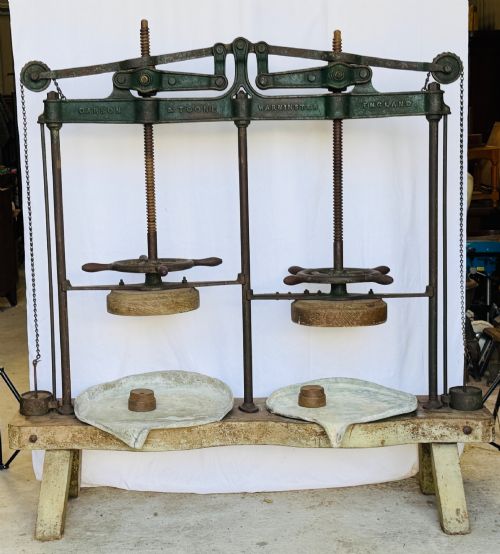
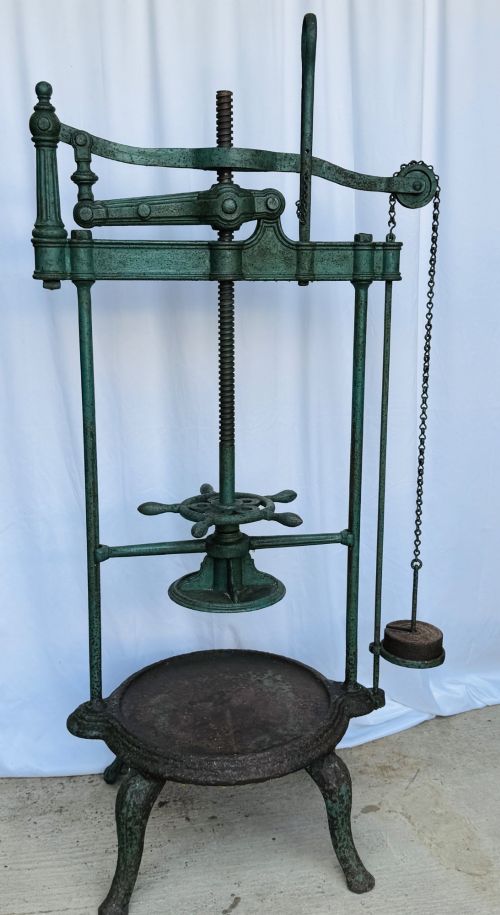
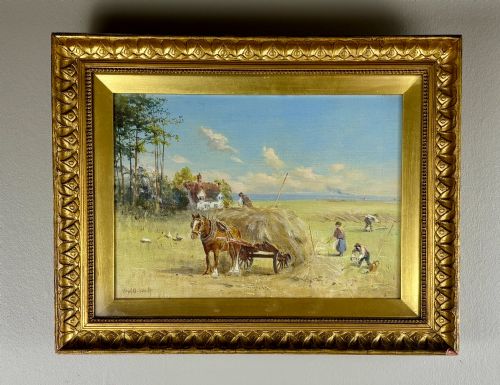
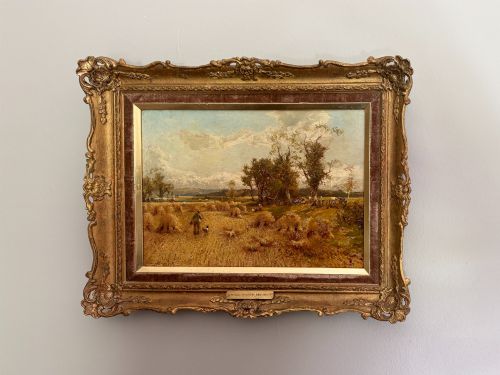
An agricultural antique encompasses functional farm equipment, rural fine art, and dairy apparatus from centuries past. When searching for an agricultural antique, buyers encounter items ranging from cast iron cheese presses to oil paintings of harvest scenes.
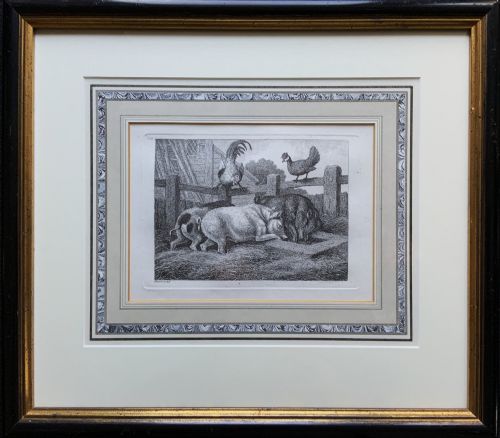
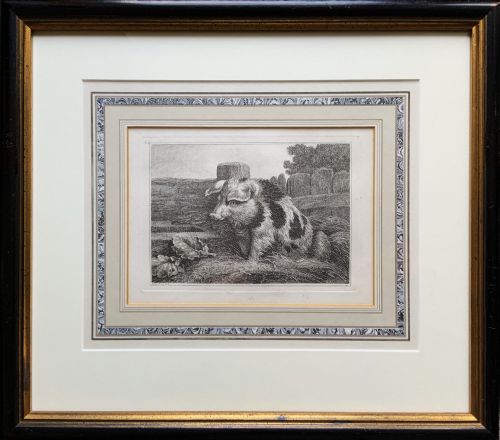
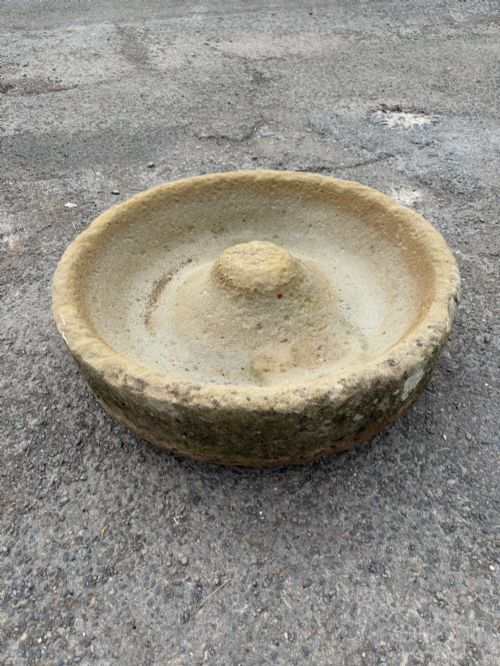
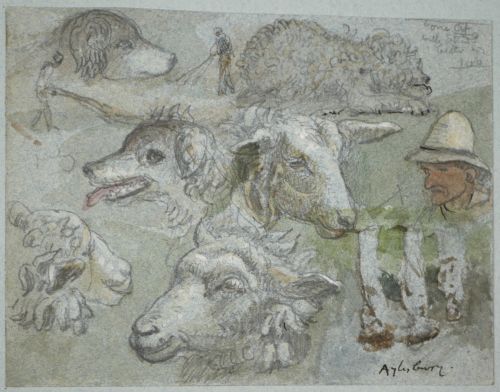
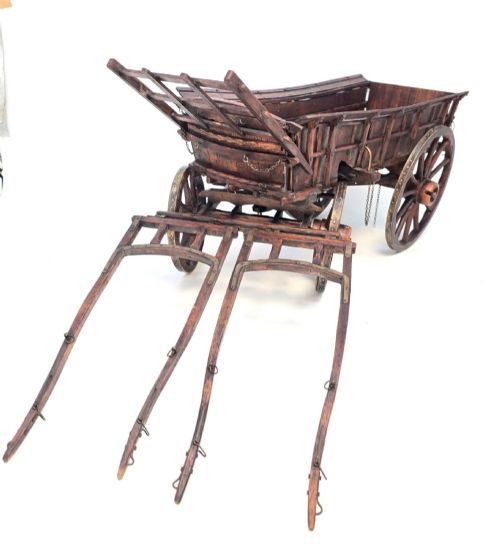
The selections span from Georgian and Victorian eras into the early twentieth century, reflecting the working British and European countryside. Common forms include framed watercolours of haymaking, stone troughs, and scale models of farm carts.
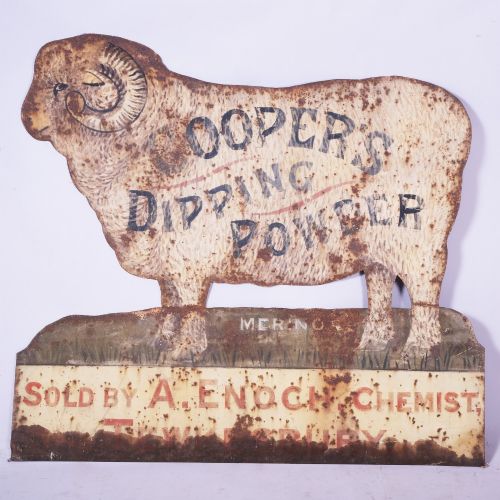
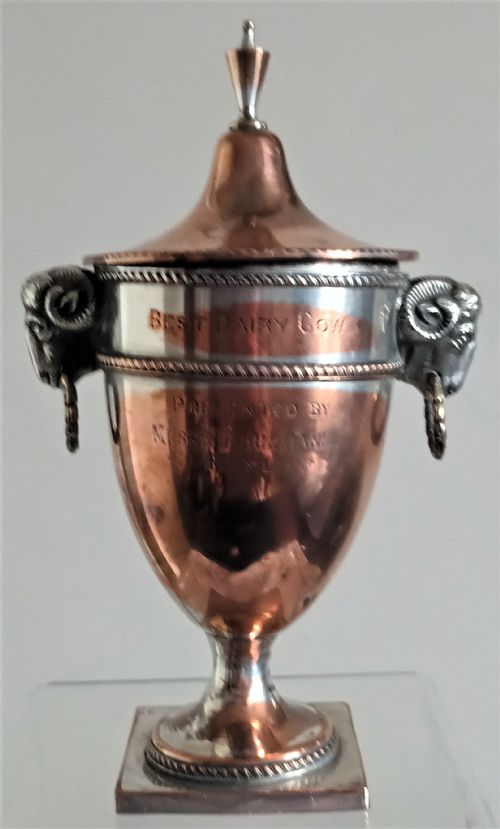
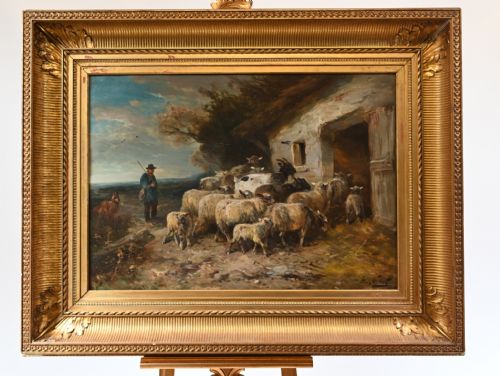
Practical dairy tools and advertising signs sit alongside detailed depictions of livestock and farm workers. Each object records a specific aspect of rural labour and traditional husbandry.
Materials and construction
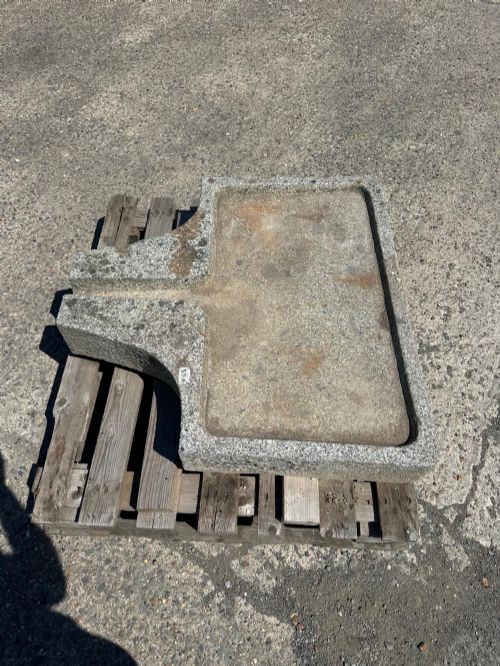
Makers utilised durable materials suited to rural tasks, employing forged steel, cast iron, granite, and sandstone for heavy presses, troughs, and doorstops. Woodworking traditions appear in elm threshing boards, ash hay rakes, and hand-carved oak figures.
Fine art pieces rely on oil paint on canvas, watercolour on paper, and original etchings capturing farm landscapes and animals. Metal objects often combine cast components with hand-forged elements for structural strength.
Object types recorded include oil paintings, watercolours, etchings, scale models, cheese presses, troughs, and advertising signs.
Factors that define quality
Quality in utility pieces rests on the integrity of the original materials and the legible character of utilitarian wear. Granite, sandstone, and cast iron items show distinction in the crispness of their casting and the honesty of their deployment on farms.
For paintings and etchings, quality depends on the precision of draughtsmanship, the realism in capturing animal anatomy, and the reputation of the recorded artist. Scale models succeed through meticulous detail in replicating full-sized farm machinery.
Hugh Barry Scott·William Manners·Samuel Howitt·James Smetham·De Grave Short And Co·Henry Schouten·Johannes de Haas·A M Gauci·Herbert Dicksee·Oswald Garside·Raimond Louis Lecourt·James Kyd·James William Booth·Henry Bailey·Herbert Royle·Percival Glenfern·John Atkinson·J C Grey·George Soper·D Brucciani And Co
The Agricultural Glossary
- Cheese press
- A mechanical device used in dairy farming to squeeze whey from curd during cheese production. These domestic and farm apparatuses often combine cast iron and wood.
- Etching
- A printmaking technique where lines are bitten into a metal plate with acid before being inked and pressed onto paper. Samuel Howitt and Herbert Dicksee produced notable examples.
- Threshing board
- A wooden agricultural implement traditionally studded with flints or metal to separate grain from straw. Examples fashioned from elm date back to the eighteenth century.
- Watercolour painting
- A medium utilising water-soluble pigments on paper, widely used by artists to record rural landscapes and harvest scenes. Works by James William Booth and John Atkinson exemplify this genre.
Agricultural: Frequently Asked Questions
What is an agricultural antique?
An agricultural antique is a historical artefact connected to farming, rural labour, or country life, produced during periods like the Victorian and Edwardian eras. These items include both functional implements and artistic representations of farm work.
Buyers select these pieces to connect with rural heritage, using them as decorative elements in homes, gardens, or country kitchens.
How were cheese presses used?
Cheese presses applied sustained pressure to curds placed within moulds, expelling residual moisture to solidify the cheese.
On farms, these heavy iron and wooden devices sat in dairies as essential equipment for food production before industrial processing took over.
How do I identify a Victorian farm painting?
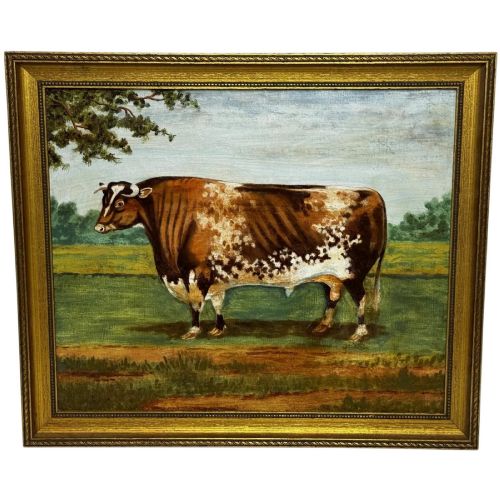
Victorian farm paintings often depict realistic scenes of ploughing, haymaking, or prize livestock executed in oil or watercolour. Signatures, subject matter focused on rural labour, and framing styles help pinpoint the nineteenth-century origin.
Artists of this period frequently detailed the specific anatomy of shorthorn bulls and working horses.