





African Wooden Figures
African wooden figures encompass hand-carved hardwood sculptures and ritual objects created across various regions and decades for cultural and ceremonial use.
African Wooden Figures
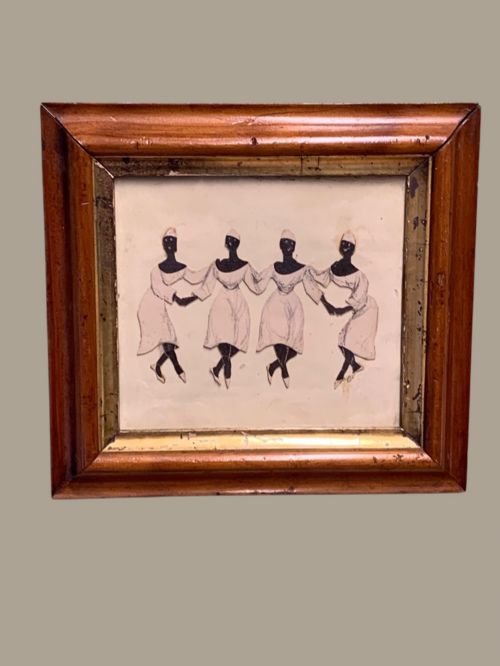
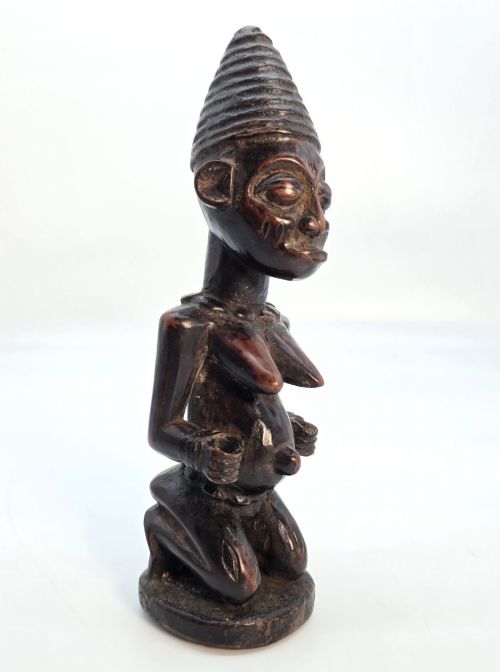
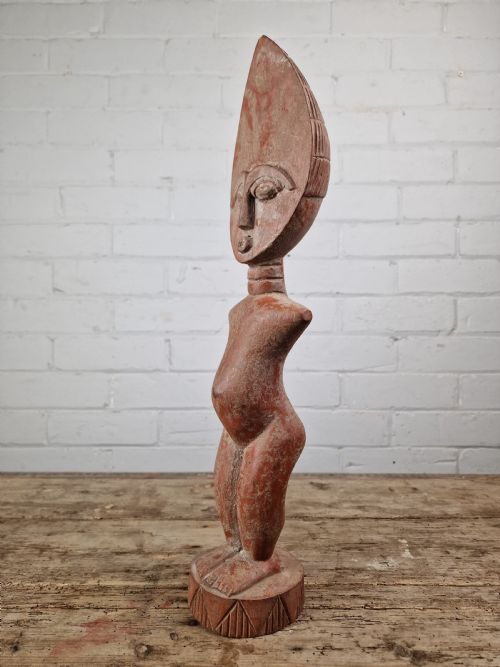
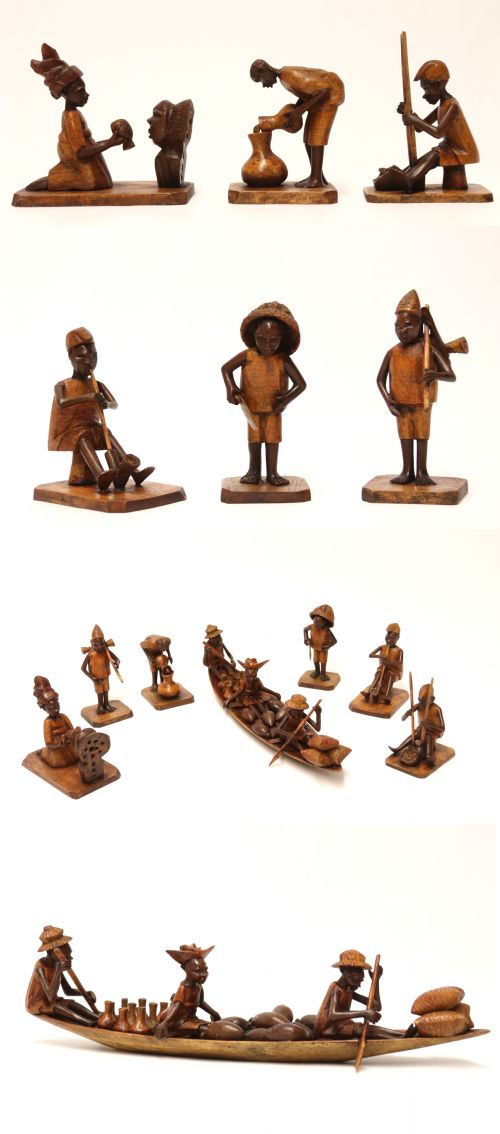
African wooden figures represent a diverse category of tribal art, sculpture, and ceremonial objects encountered on this page in forms ranging from fertility figures and marriage panels to warrior depictions and reliquary heads.
The pieces span periods from the nineteenth century through the mid-twentieth century, originating from specific cultural groups including the Yoruba, Fante, Edo, and Dogon peoples.
Buyers searching for african wooden figures will find both standalone sculptures and functional items such as headrests, tables, and ceremonial beds incorporating carved human and animal forms.
Materials and construction
The makers utilised local hardwoods and specialised woods, frequently shaping the material through hand carving using traditional tools.
Surfaces often show patinated wood, applied pigment, and occasional embellishments such as bone, paper, glass, or gold leaf to accentuate specific details.
The listings span from the nineteenth century up to nineteen-fifty, featuring materials like hardwood, pigment, bone, and gold leaf.
Factors of quality and execution
Quality in these sculptures depends on the precision of the carving, the expressiveness of the form, and the integrity of the material structure over time.
Pieces attributed to named master carvers or specific tribal workshops demonstrate superior sculptural nuance and cultural authenticity compared to later commercial workshop output.
Master carver Abegunde of Ede
The African Wooden Figures Glossary
- Hardwood
- Dense timber derived from broad-leaved trees, providing the primary durable medium for carving these sculptural forms.
- Patinated wood
- Timber surfaces altered by age, handling, and environmental exposure, developing a distinct sheen and depth of colour.
- Reliquary head
- A sculptural carving placed upon a container holding ancestral relics, serving as a guardian figure.
- Fertility figure
- A carved representation associated with rites to encourage childbirth and prosperity within the community.
African Wooden Figures: Frequently Asked Questions
How do I identify the tribe or region?
Attribution relies on distinct stylistic conventions, sculptural forms, and specific regional motifs recorded in the piece's provenance or physical characteristics.
Consulting documented examples from groups such as the Yoruba, Dogon, or Edo helps clarify the likely origin.
What is an Ibeji figure?
Ibeji figures are traditional wooden carvings created by the Yoruba people to honour deceased twins, serving as vessels for their spirits.
They typically depict adult forms standing on raised platforms and often display traditional tribal scarification marks.
How should I care for antique wood?
Protect the carvings from direct sunlight and sudden humidity changes to prevent the hardwood from splitting or the surface pigment from degrading.
Dust gently with a dry, soft cloth and avoid applying modern chemical polishes or oils to the historic surface.
Are these figures functional or decorative?
Many pieces served specific ritual, religious, or utilitarian purposes within their communities, ranging from headrests and tables to shrine figures.
Over time, their roles shifted as they entered collections, yet their primary creation was rooted in cultural practice.