



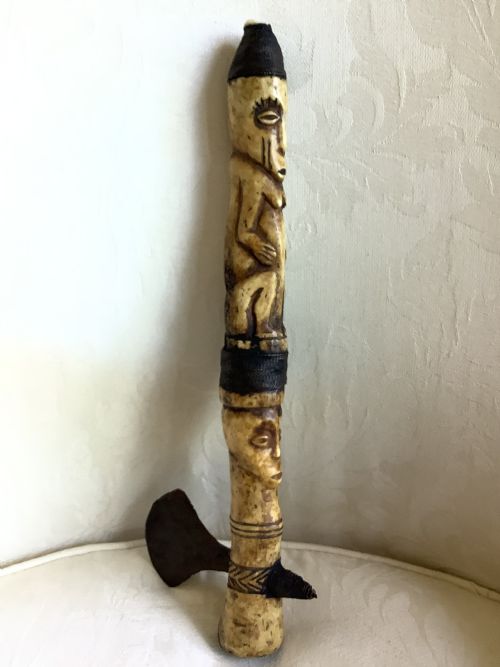
African Tribal Figure
An african tribal figure brings traditional craftsmanship and cultural heritage into your interior through carved wood and cast bronze.
African Tribal Figure
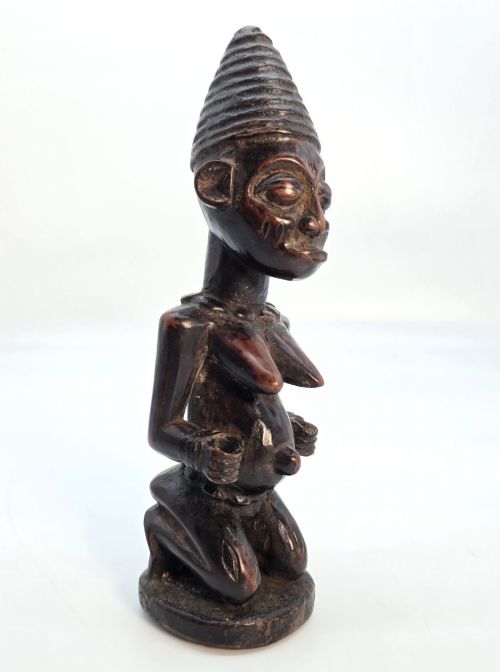
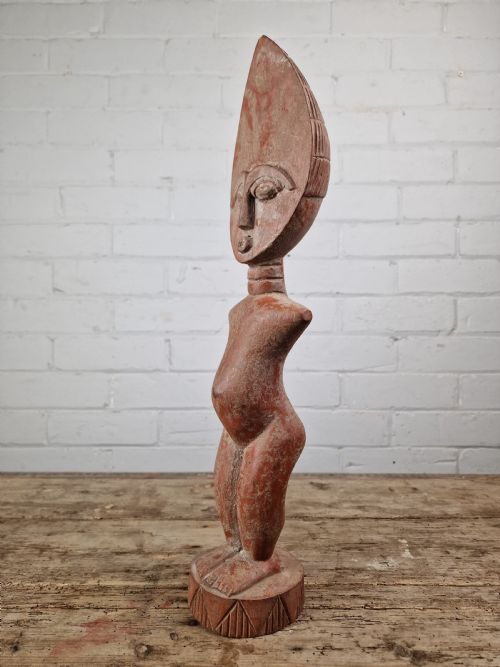
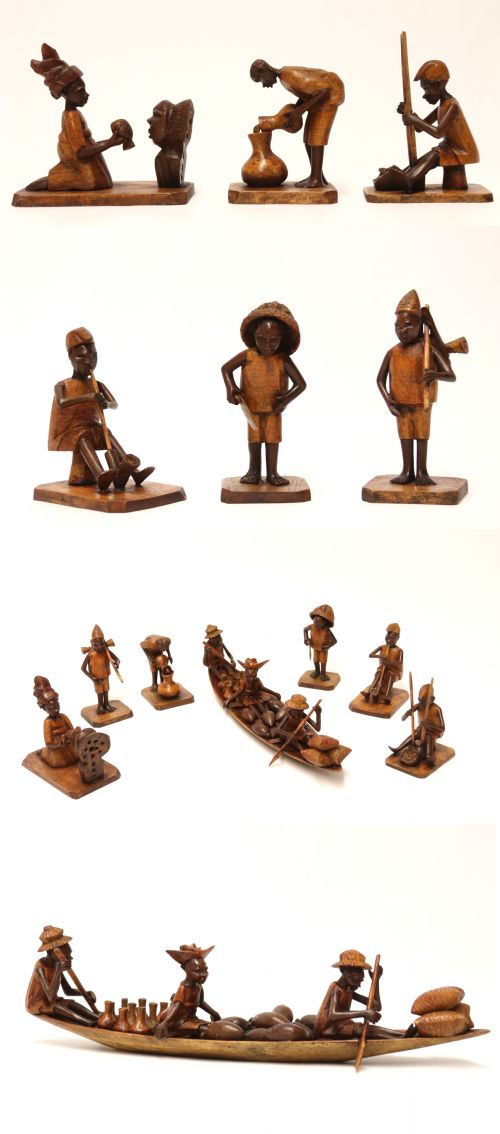
An african tribal figure encompasses sculpted representations of human and animal forms originating from diverse communities across the continent. When searching for an african tribal figure, buyers encounter varied expressions including fertility carvings, guardian heads, and royal statues.
The selections span distinct cultural traditions such as Yoruba, Benin, Dogon, and Fang. Pieces range from nineteenth-century artefacts to mid-twentieth-century works produced across West and Central Africa.
Common utilitarian and figurative forms include ceremonial staffs, reliquary guardians, marriage panels, and figural headrests. These objects reflect the rich artistic heritage of specific regions and peoples.
Materials and Technique
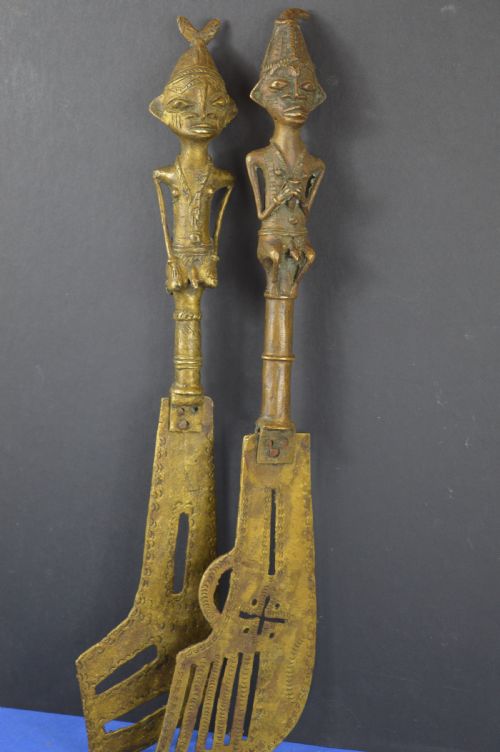
Metalwork forms utilise bronze and brass cast through lost-wax techniques, producing substantial statues and staff ornaments with patinated surfaces. Master carvers and metalworkers apply surface details that denote status and identity within the specific community.
A hippopotamus carved from bone proves that tribal artists occasionally looked to local wildlife for unexpected study subjects.
Evaluating Execution
Quality rests in the sculptural confidence of the carving or casting, where proportions, facial expression, and surface wear demonstrate the maker's skill. Strong works display deliberate tool marks and integrated patination developed through age and handling.
Superior examples combine deep cultural iconography with balanced composition, whether in a wooden figure or a cast bronze warrior. The integrity of the material and the crispness of the details distinguish masterworks from standard regional output.
The African Tribal Figure Glossary
- Patination
- The surface alteration and sheen acquired by wood or metal through age, handling, and environmental exposure. This natural ageing process helps verify the historical period of a carving.
- Reliquary
- A container or guardian figure designed to hold ancestral remains or sacred objects. These pieces often sit atop baskets or boxes containing relics.
- Lost-wax
- A metal casting method where a wax model is melted from a mould and replaced with molten bronze or brass. This technique enables intricate detail on figures and busts.
- Ibeji
- A carved wooden figure commissioned among the Yoruba people to represent a deceased twin. These sculptures receive ritual care and display distinct regional carving styles.
African Tribal Figure: Frequently Asked Questions
What materials are used in these figures?
Makers utilise various woods, hardwoods, bronze, and brass, occasionally incorporating bone and pigment.
Surface finishes range from natural patinated wood to dark cast metal.
How do I identify different cultural styles?
Specific forms, proportions, and facial characteristics link pieces to distinct groups like the Yoruba, Benin, or Fang.
Documentation and regional motifs help attribute the origin of each sculpture.
How were these statues displayed originally?
Many served ritual, ceremonial, or ancestral functions within their communities rather than decorative roles.
Figures guarded reliquaries, marked status, or commemorated specific individuals and events.
How should I care for wooden tribal art?
Keep wooden pieces away from direct sunlight and dramatic humidity changes to preserve the material.
Dust gently with a dry cloth and avoid chemical polishes that alter the patina.