





African Carved Figure
An african carved figure carries distinct cultural weight, ranging from ritual guardian heads to fertility carvings shaped from dense tropical timbers.
African Carved Figure
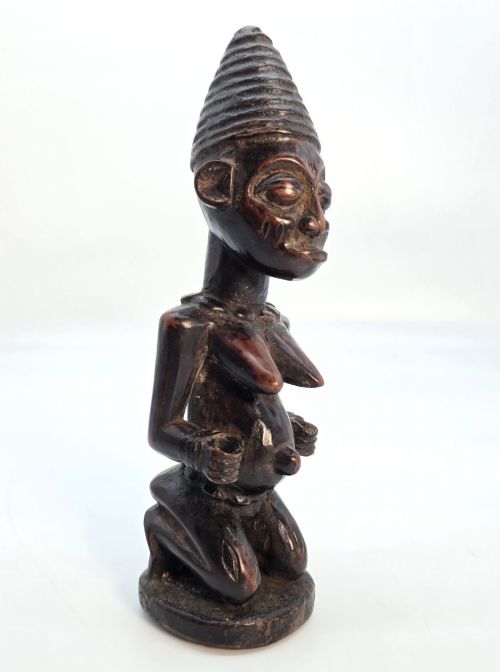
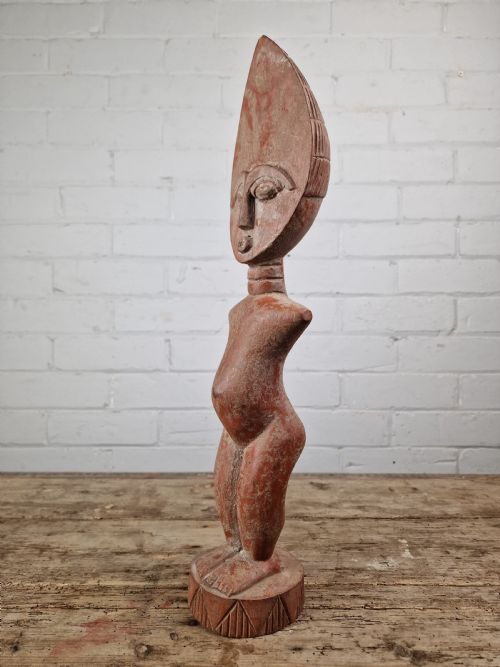
An african carved figure encompasses sculptural works produced across diverse regions and periods, predominantly represented here by pieces from the nineteenth and twentieth centuries. Buyers searching for an african carved figure frequently encounter fertility sculptures, reliquary guardians, and ceremonial figures linked to specific traditions such as the Yoruba, Dogon, and Fang peoples.
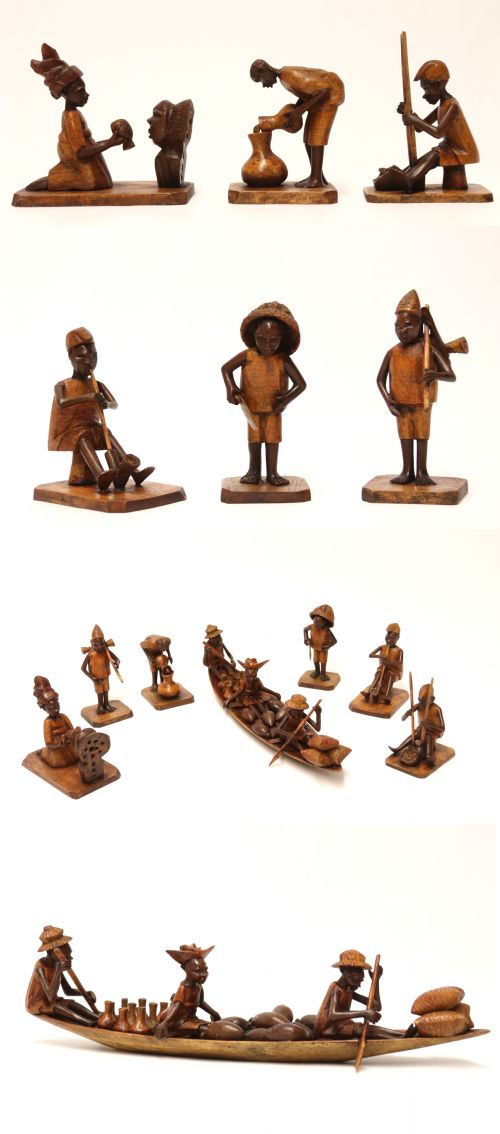
The selection extends beyond single standing sculptures to include figural panels, headrests, and multi-figure groups like Ibeji triplets or canoe models. These objects function simultaneously as ritual items, portraits, and expressions of master craftsmanship originating from West and Central African workshops.
Materials and Working Methods
Makers shaped these sculptures primarily from hardwoods and native woods, often selecting dense timbers capable of holding intricate detail and enduring handling. Surfaces frequently display traces of pigment, organic patinas, and the marks of traditional hand tools used by the carver.
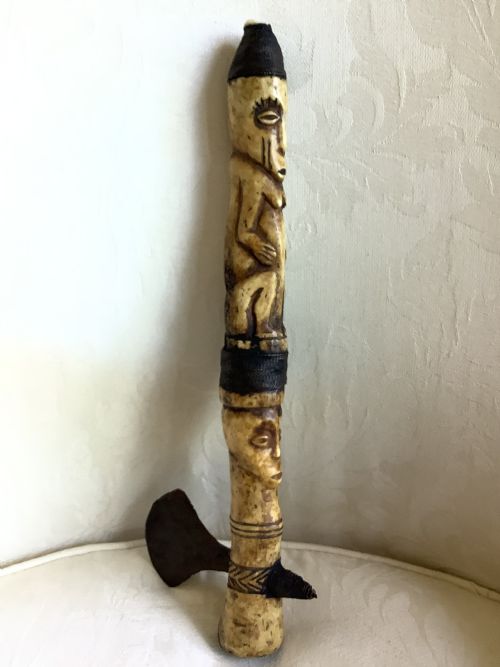
In addition to wood, select pieces incorporate bone or feature detailed surface carving that highlights the grain and natural tone of the material. The combination of patinated wood and applied pigment marks the physical history of each object.
Materials documented across the inventory include hardwood, patinated wood, pigment, bone, and carved wood.
Judging Quality and Execution
Surface history also dictates distinction, where genuine handling, age-related patination, and intact pigment elevate a piece. The integration of form and material reveals the skill embedded in the original workshop practice.
Abegunde of Ede
The African Carved Figure Glossary
- Reliquary guardian
- A sculptural figure or head placed upon a container holding ancestral relics to protect and honour the lineage. These pieces often feature stylised facial planes and patinated surfaces.
- Fertility figure
- A carved representation associated with invoking or celebrating bountiful harvests or human reproduction. They commonly display stylised bodily proportions and specific ritual attributes.
- Hardwood
- Dense, durable timber selected by makers for intricate sculptural work. It resists splitting and holds fine tool marks over long periods.
- Patinated wood
- Timber whose surface appearance has altered through age, handling, and exposure to oils or smoke. This creates a deep, lustrous finish unique to older organic materials.
- Pigment
- Coloured material applied to the surface of wood sculptures to enhance ritual significance or visual definition. Traces often remain in recessed areas of the carving.
African Carved Figure: Frequently Asked Questions
What is an Ibeji figure?
Yoruba Ibeji figures represent deceased twins and were carved to honour their memory and spiritual presence. They typically stand on small wooden platforms and display traditional scarification.
Master carvers created these figures with careful attention to proportion and facial expression to serve a central role in family shrines.
How should I care for patinated wood?
Maintain stable indoor humidity levels and keep the sculpture away from direct sunlight and heat sources. Avoid applying modern polishes or oils that might alter the historic surface.
Gentle dusting with a soft, dry brush is sufficient to preserve the existing patina.
What does a reliquary guardian represent?
Guardian figures were positioned to watch over sacred bone reliquaries belonging to ancestral lineages. Their striking forms were intended to deter unauthorized access.
These pieces reflect the spiritual beliefs and master woodworking skills of groups like the Fang and Mahongwe.