



Wooden Ancestor Carving
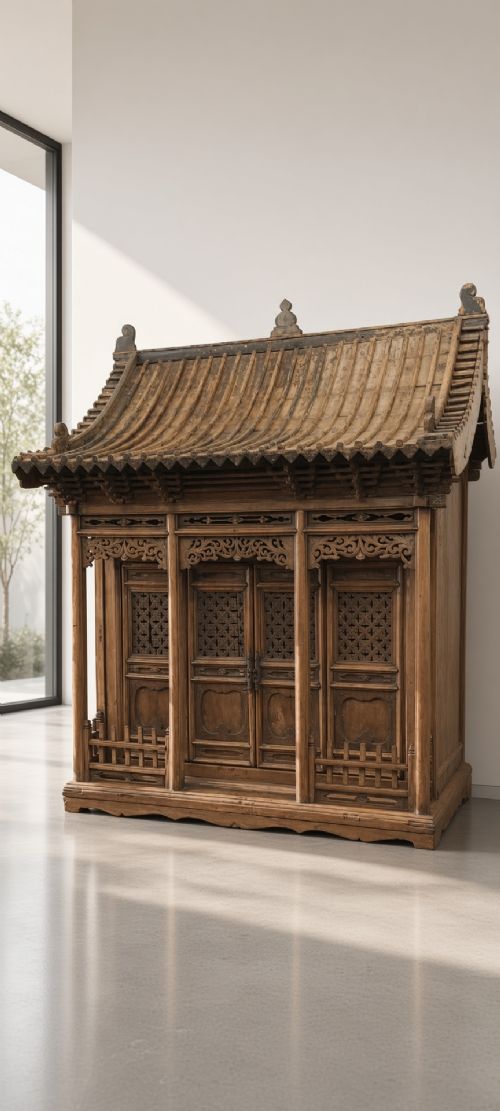
A wooden ancestor carving commands the room with fierce presence, carrying centuries of ritual weight and quiet dignity.
Wooden Ancestor Carving
When you search for a wooden ancestor carving, you meet devotional figures, temple sculptures and ritual panels made to honour lineage and spirit. These pieces bridge domestic shrines and village altars across distant regions.
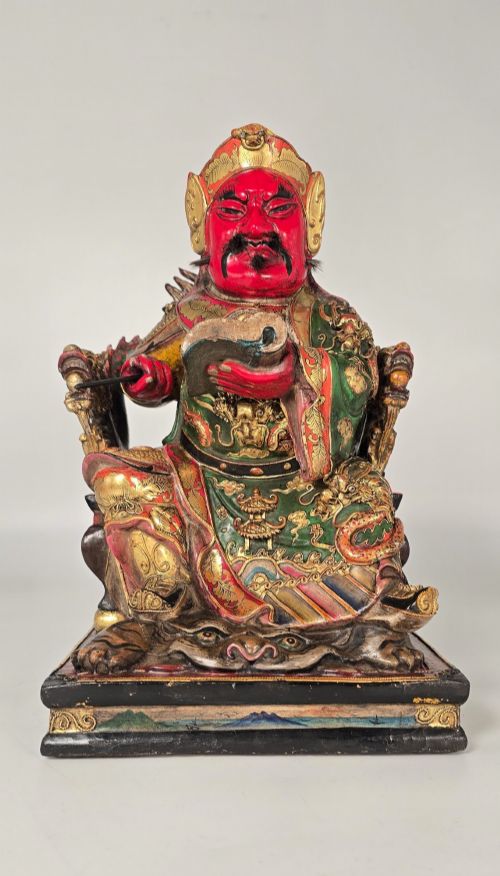
The selections span Chinese dynastic works from the Ming and Qing periods alongside African tribal art from Dogon, Yoruba and Angolan makers. Chinese temple figures and medicine statues sit alongside tribal marriage panels and fertility sculptures.
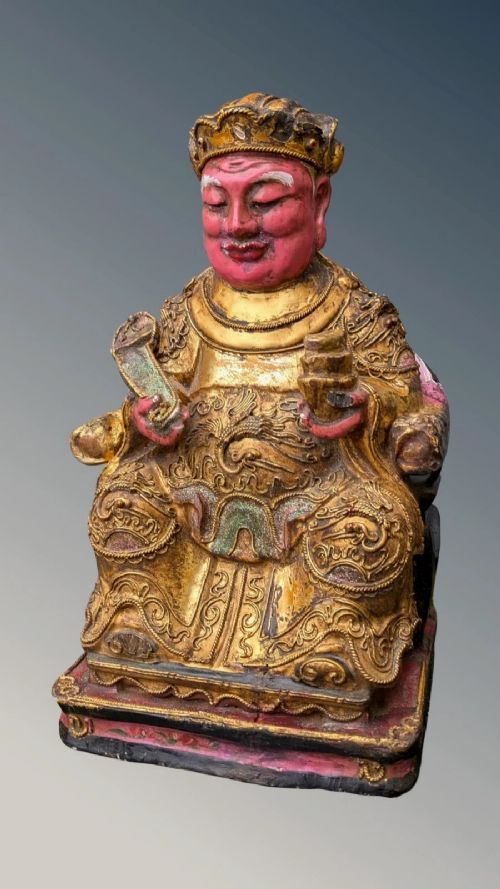
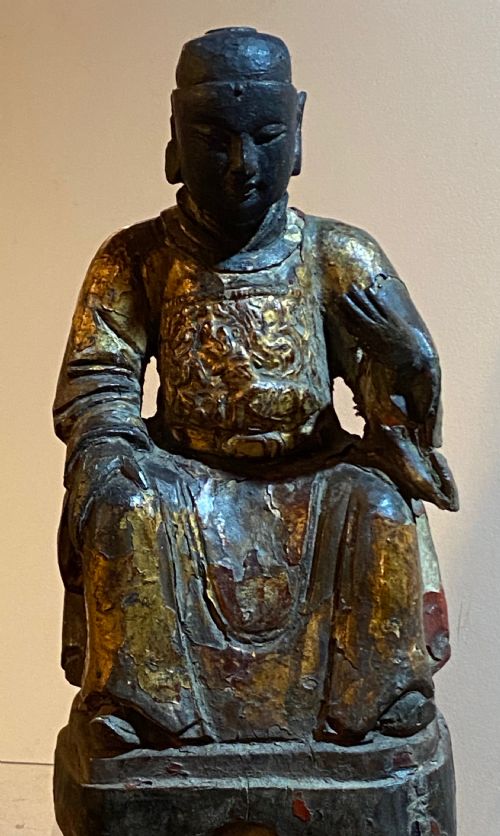
You are most likely to encounter carved timber figures finished with polychrome pigment, lacquer or gold leaf. The forms range from seated civil officials to pairs of carved panels and standing tribal figures.
How they were made
Artisans carved these sculptures from dense hardwoods such as elm and native timber using hand tools to shape the core form. Every surface reveals the deliberate strike of the chisel before any decorative layer is applied.
Makers finished many of these pieces with gesso, gold leaf and hand-painted polychrome pigments to bring the figures to life. Lacquer was built up in smooth layers on Chinese scholar and deity figures to protect and shine the wood.
Tribal sculptors relied on direct carving of the wood, rubbing natural pigments and oils into the grain. This left a textured, matte finish that records the history of ritual handling.
Wooden Ancestor Carving Retail Price Guide 2026
Typical asking prices for wooden ancestor carving among the pieces listed under this phrase on Sellingantiques today, from the lower quarter to the upper quarter. They describe what is for sale here now, not the wider market.
What varies in quality
The survival of original surface treatments defines the upper tier of these works. Traces of ancient gold leaf, lacquer and polychrome pigment lift a sculpture from a simple block of timber to a layered historical object.
The Wooden Ancestor Carving Glossary
- Polychrome
- Painted in several colours. This term describes wooden sculptures decorated with various pigments.
- Gesso
- A plaster mixture used as a base for painting or gilding. It provides a smooth foundation for gold leaf on wooden figures.
- Lacquer
- A clear or coloured varnish made from tree sap. It dries to a hard, durable finish seen on Chinese scholar and deity statues.
- Dynasty
- A line of hereditary rulers of a country. The Ming and Qing periods define the eras of many Chinese wooden carvings.
Wooden Ancestor Carving: Frequently Asked Questions
How old are these?
The pieces span from the seventeenth century through the Qing and Ming dynasties up to mid-twentieth-century tribal works.
Each era brings distinct material treatments and regional carving styles that help date the sculpture.
Where were they used?
These figures stood in Chinese temples, domestic shrines and ancestral altars to honour officials, deities and scholars. African pieces served ceremonial roles in village rituals, marriage pairs and fertility rites.
Their original placement dictated their scale and the richness of their surface decoration.
Can I display them in bright light?
Keep these sculptures away from direct sunlight and strong heat sources to prevent the wood from splitting. Stable indoor humidity preserves both the timber and the delicate painted layers.
Thoughtful placement ensures the pigments and gold leaf remain vibrant.