






African Art Artifact
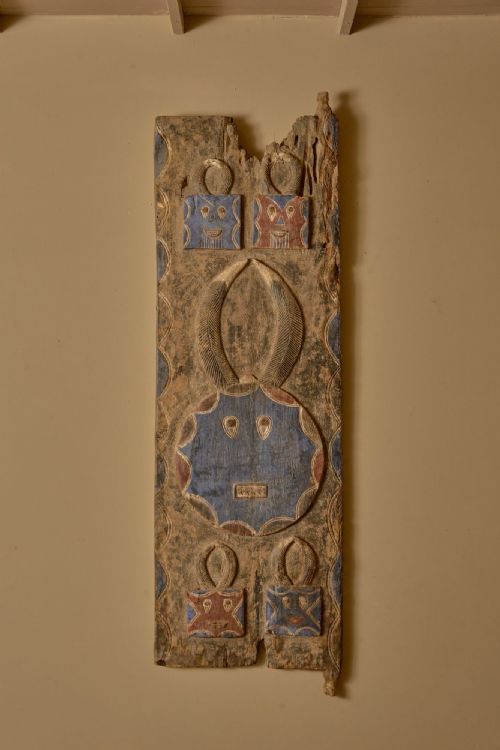
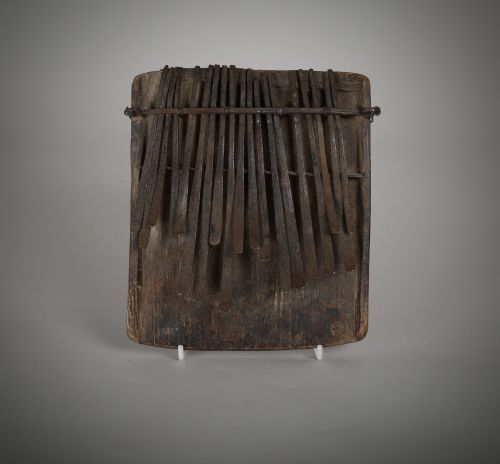
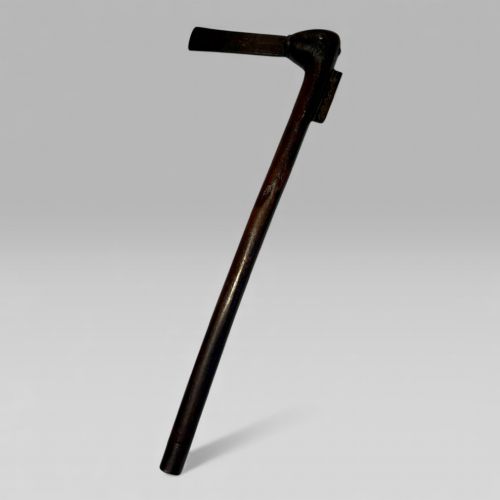
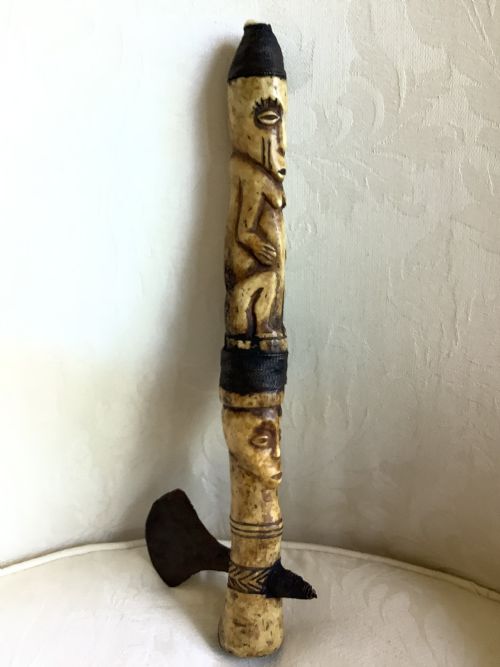
These african art artefact pieces span musical instruments, ceremonial axes, and masks from the nineteenth century to the nineteen thirties.
African Art Artifact
When you search for an african art artefact, you encounter a diverse range of objects spanning tribal artefacts, religious pieces, and functional items from various regions and periods. The selection here most frequently includes nineteenth century works alongside examples from nineteen hundred to nineteen thirty.
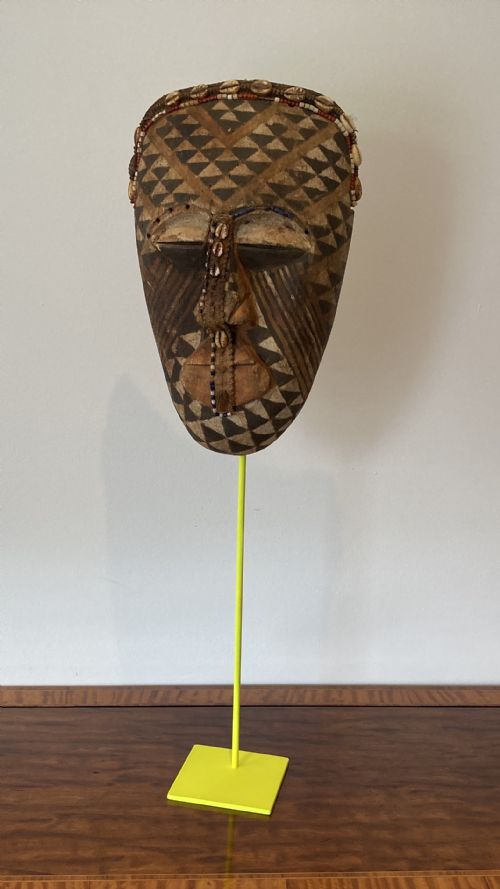
The inventory covers distinct regional styles such as Zulu, Kuba Tribal, West African Islamic, and East African Tribal. Forms vary from ceremonial axes and dance masks to musical instruments and decorative side tables.
Objects originate from specific cultural contexts including Mali, the Ivory Coast, Congo, Gabon, and Kenya. Buyers find both utilitarian items transformed by artistry and pieces created expressly for ritual or status.
Materials and construction
Makers utilised organic materials predominantly, shaping hardwood, bone, and timber into intricate sculptures, masks, and functional objects. Wood remains the primary medium for carved figures, masks, and side tables, often enhanced with pigment.
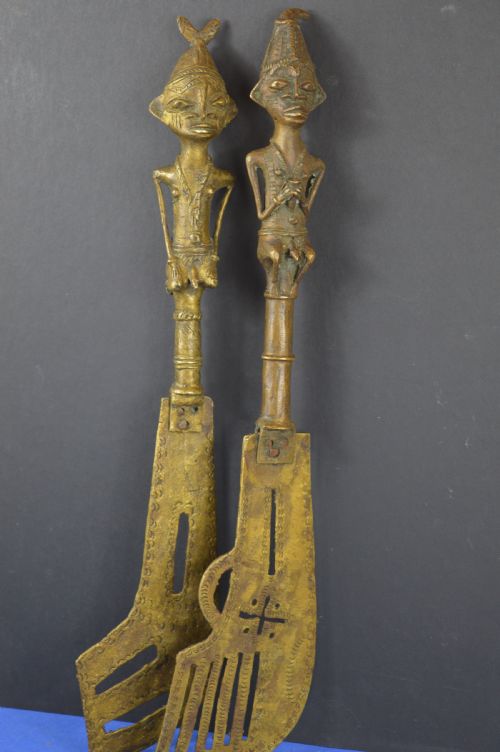
Metalworking traditions appear in cast bronze and brass pieces, particularly seen in Yoruba stffs and busts from the early twentieth century. Iron and fibre also feature in weapons, wrist knife bracelets, and composite ritual items.
African Art Artifact Retail Price Guide 2026
Typical asking prices for african art artifact among the pieces listed under this phrase on Sellingantiques today, from the lower quarter to the upper quarter. They describe what is for sale here now, not the wider market.
The inventory includes nineteenth-century pieces alongside works dated nineteen hundred, nineteen ten, nineteen twenty, and nineteen thirty.
Assessing quality and authenticity
Quality rests upon the crispness of the carving, the integrity of the material, and the depth of surface patination acquired through handling and age. Superior pieces display confident proportions and purposeful tool marks left by the maker.
The distinction between standard craft and exceptional tribal art lies in the expressiveness of the form and the cultural authenticity of the ornamentation. Pieces showing deliberate design choices and traditional iconography command greater attention.
The African Art Artifact Glossary
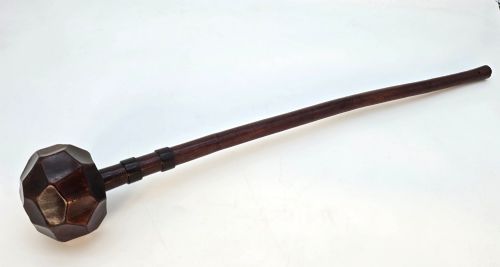
- Knobkerrie
- A traditional wooden throwing club featuring a heavy knob at the end, used primarily by Southern African peoples such as the Zulu.
- Récade
- A ceremonial axe associated with West African royalty, specifically serving as a messenger staff in the Kingdom of Dahomey.
- Patina
- The surface sheen and coloration developed on wood, metal, or bone through age, handling, and environmental exposure.
- Tribal Artefact
- An object created within a traditional indigenous society for utilitarian, decorative, religious, or ceremonial purposes.
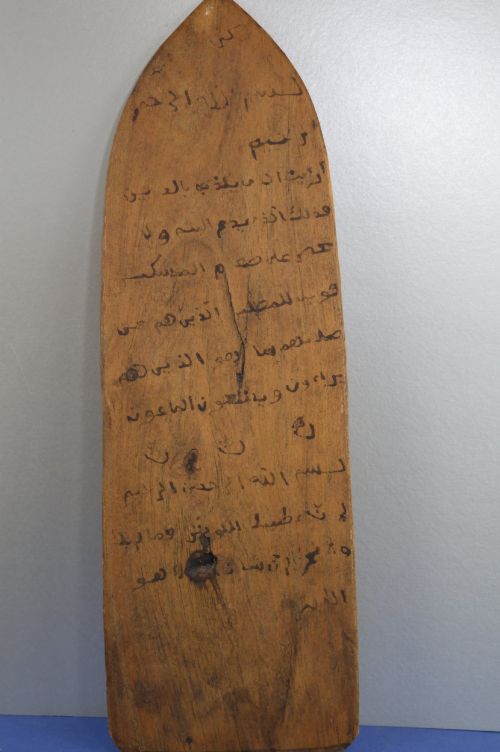
- Islamic Script
- Arabic writing inscribed upon surfaces, frequently found on West African scholarly and prayer boards originating from regions like Mali.
African Art Artifact: Frequently Asked Questions
What is an african art artifact?
An african art artefact encompasses cultural objects created by indigenous peoples across the African continent, ranging from ritual masks and ceremonial weapons to functional everyday items.
These pieces reflect the distinct artistic traditions, social structures, and beliefs of specific groups such as the Yoruba, Zulu, Baule, and Kuba.
How were tribal masks used?
Tribal masks served central roles in community ceremonies, dances, agricultural rituals, and rites of passage.
They were worn by designated dancers who embodied ancestral spirits or protective forces during significant tribal events.
How do I care for wooden tribal art?
Wooden sculptures and masks require stable environmental conditions away from direct sunlight and extreme humidity fluctuations.
Maintain the dry wood gently without harsh polishes to preserve the historical surface and natural patina.
How are periods determined?
Dating relies upon material analysis, tool marks, stylistic conventions, and documented tribal history associated with the specific region.
Objects from the nineteenth century often exhibit distinct hand-carving indicators that differentiate them from later twentieth-century works.