





Afghanistan Wool Rug
An afghanistan wool rug brings tactile depth and rich tribal geometry into a room.
Afghanistan Wool Rug
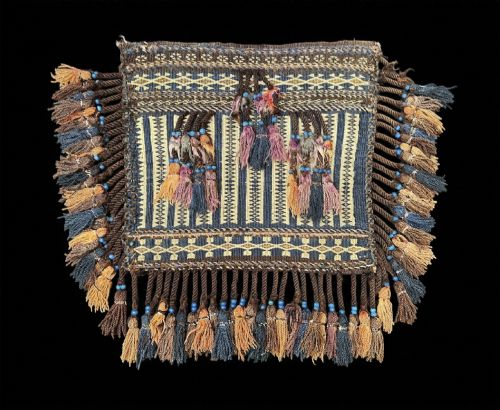
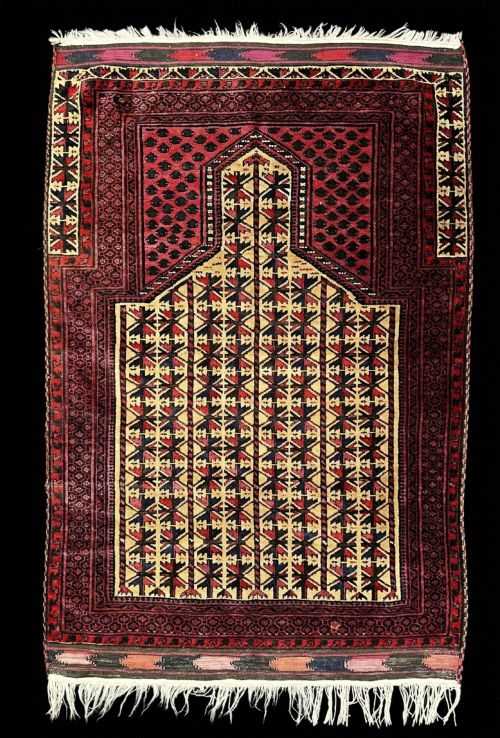
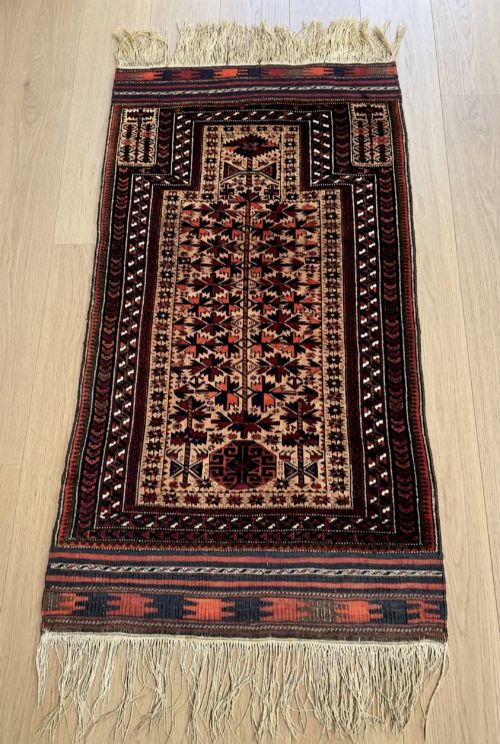
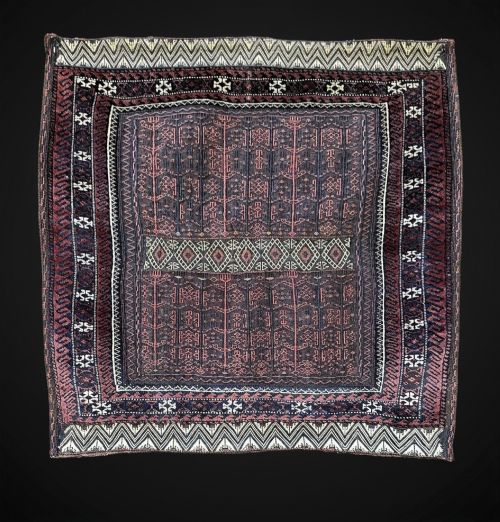
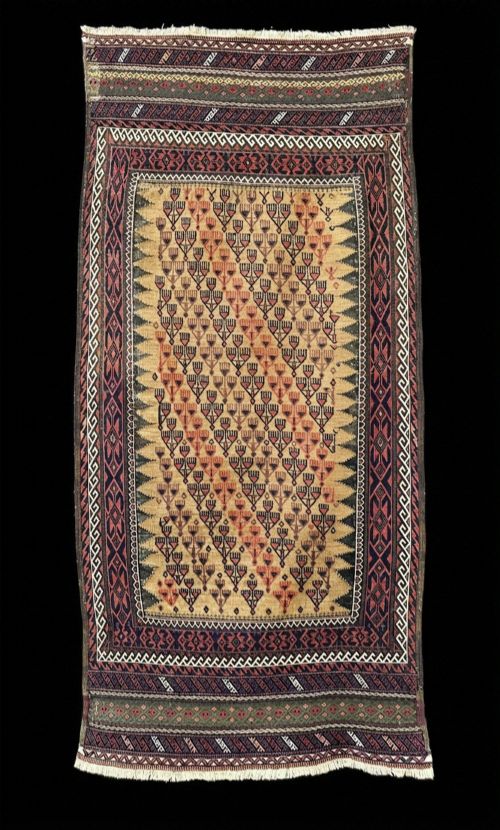
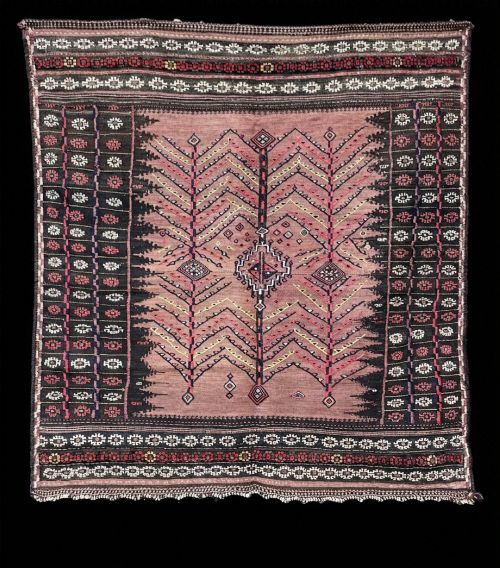
When you search for an afghanistan wool rug, you encounter woven works originating from tribal and village contexts across the region, dating from the late nineteenth century into the early twentieth century. These pieces encompass utilitarian items such as main carpets, smaller floor coverings, prayer rugs, and functional containers like storage bags and salt bags.
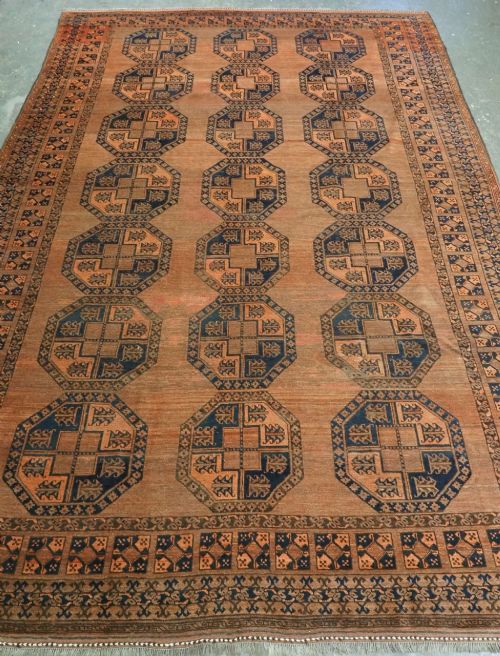
The versions most commonly met here include Timuri, Baluch, and Ersari Turkmen tribal weavings from western, northern, and borderland regions. They often feature specific regional formats like dining sofreh, bread sofreh, and wedding trappings alongside standard area rugs.
How they were made
Makers utilised hand-spun wool and cotton foundations, occasionally incorporating goat hair and glass beads for specific decorative details.
The construction relies on traditional tribal knotting and flatweaving techniques passed down through generations of nomadic and village weavers.
Afghanistan Wool Rug Retail Price Guide 2026
Typical asking prices for afghanistan wool rug among the pieces listed under this phrase on Sellingantiques today, from the lower quarter to the upper quarter. They describe what is for sale here now, not the wider market.
Listings span five distinct decades from the eighteen-seventies to the nineteen-thirties, documenting tribal weaving traditions.
What varies in quality
The grade of wool and the tightness of the knotting dictate the handling and longevity of the piece, separating standard village items from finer tribal examples.
The depth and saturation of the natural dyes, alongside the precision of the tribal motifs, determine the visual impact of the weaving.
The Afghanistan Wool Rug Glossary
- Sofreh
- A woven spread or cloth used for sharing meals or preparing bread within nomadic households. These textiles often feature specific border patterns and field designs.
- Chuval
- A large storage bag produced by Turkmen tribes for domestic belongings. They display characteristic guls and secondary motifs along the face.
- Main carpet
- A large floor covering intended for central placement in a nomadic tent or village dwelling. These pieces demand significant labour and time from the weaver.
- Prayer-rug
- A small format weaving designed with a mihrab niche to direct the user during daily devotions. They frequently employ soft wool pile for comfort.
- Gul
- An octagonal medallion motif repeated across Turkmen and tribal carpets. Each tribal group utilises distinct variations of this primary design element.
Afghanistan Wool Rug: Frequently Asked Questions
How do I use a tribal bag at home?
Tribal storage and salt bags function effectively as wall hangings or small floor accents in low-traffic areas. Their sturdy construction permits careful placement where texture is required.
Alternatively, smaller bags can be displayed flat or mounted on supportive backing materials to preserve their structural integrity.
What is a sofreh used for?
A sofreh served as a domestic spread for dining or handling flour and bread making within nomadic daily life. Their flatweave structure made them practical for folding and transport.
In modern interiors, these textiles serve well as runner-style floor coverings or wall-hung pieces due to their elongated formats.
How do I identify Timuri and Baluch weavings?
Timuri and Baluch pieces often share palette characteristics and regional motifs originating from the borderlands of Persia and Afghanistan. Examining the handling of the wool and secondary fibres helps distinguish the origin.
19th-century examples typically display specific saturated dark tones combined with lighter ivory or gold highlights in the field.
Where were Ersari carpets made?
Ersari carpets were produced by Turkmen groups residing in northern regions of the country. These works are recognised by distinct tribal layouts and large-scale geometric forms.
They represent a significant tradition of carpet production distinct from the western tribal and borderland styles.