



Afghan Handwoven Rug
When you search for an afghan handwoven rug, you enter a world of tribal weaving traditions spanning from the nineteenth century into the twentieth.
Afghan Handwoven Rug
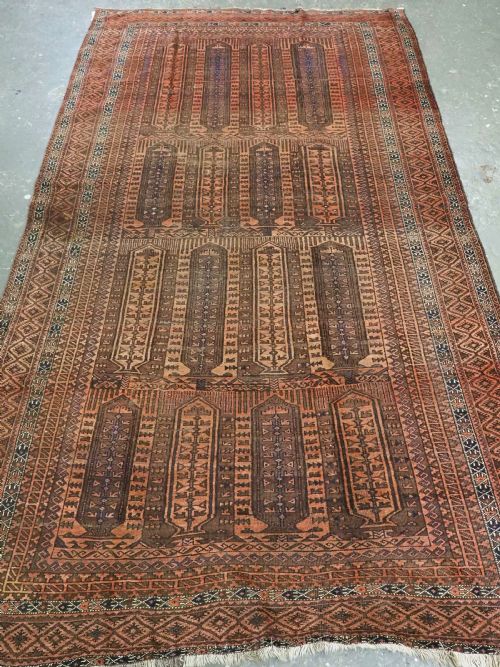
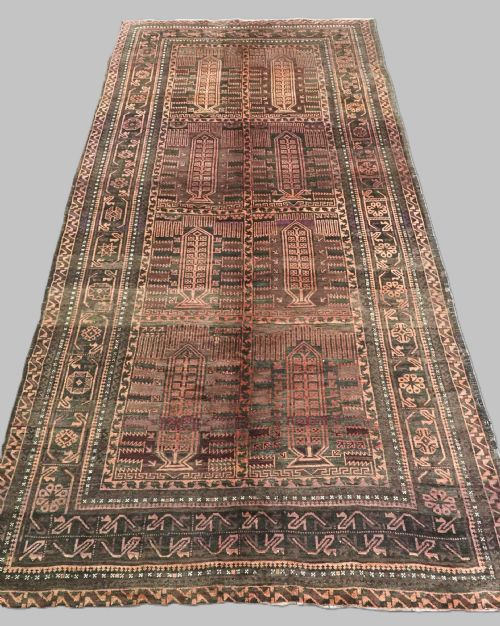
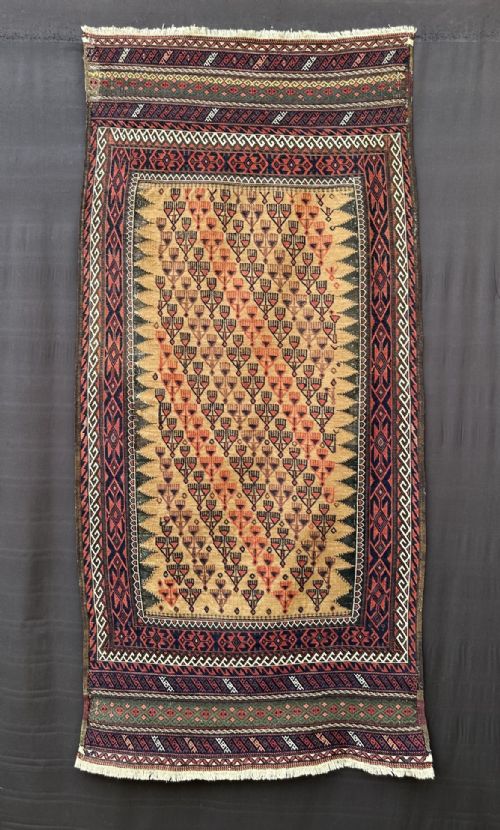
An afghan handwoven rug encompasses a diverse range of tribal and village floor coverings, runners, and flatweaves produced across the region. The selection includes specific regional formats such as Baluch, Ersari, Timuri, and Turkmen pieces, reflecting the distinct heritages of the makers.
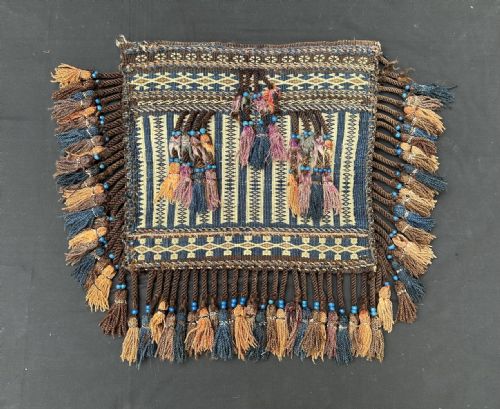
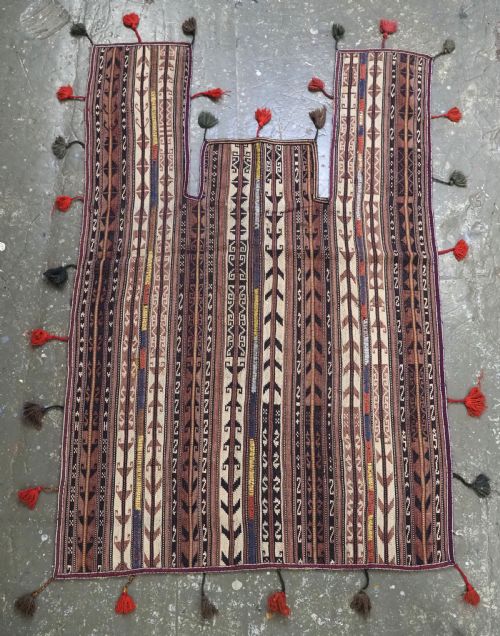
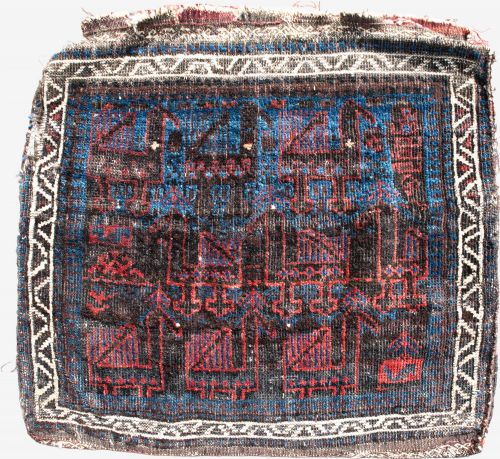
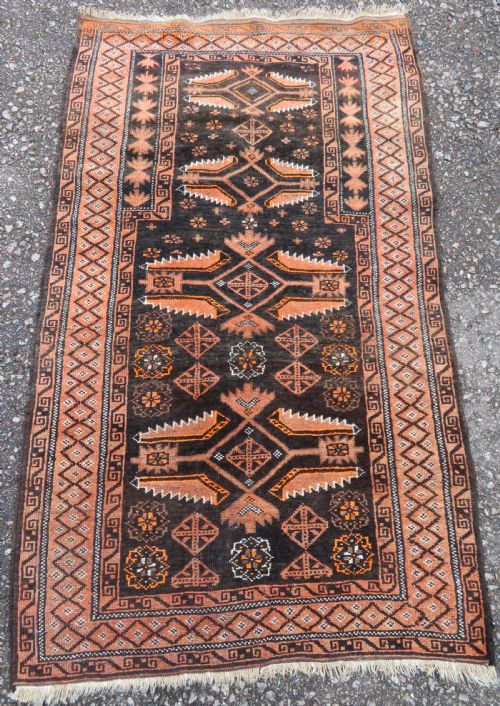
Beyond standard floor rugs, the category extends to functional tribal textiles including prayer rugs with mihrab designs, storage bags, dining sofreh, and ceremonial tent trappings. These objects served practical and ritualistic roles within nomadic and village communities.
The timeline of available pieces stretches from the nineteenth century through the early decades of the twentieth century. This period captures traditional tribal designs executed before industrial methods altered regional textile production.
Materials and construction
Makers utilised locally sourced materials, predominantly hand-spun wool, alongside supplementary cotton foundations and occasional uses of camel hair or goat hair for durability. Natural dyes provide the characteristic warm red hues and deep ground colours found across the pieces.
Construction techniques vary from dense pile carpets knotted on structural foundations to flatwoven kilims and mixed-technique weaves. Specialised additions like glass beads sometimes embellish specific tribal trappings and bags.
Afghan Handwoven Rug Retail Price Guide 2026
Typical asking prices for afghan handwoven rug among the pieces listed under this phrase on Sellingantiques today, from the lower quarter to the upper quarter. They describe what is for sale here now, not the wider market.
Several survival pieces double as camel headdresses and horse blankets, proving nomadic weavers had high fashion standards for livestock.
Assessing quality and execution
Quality rests upon the fineness of the weave, the structural integrity of the foundation, and the stability of the natural dyes used in the design. Tighter knotting and precise geometric execution separate standard village items from finer ceremonial pieces.
The preservation of original kilm ends, side cords, and complete formats heavily influences the standing of a textile. Pieces retaining their structural edges and uncompromised pile show superior survival through decades of domestic or nomadic use.
The Afghan Handwoven Rug Glossary
- Kilim
- A flatwoven textile produced without a pile, often featuring geometric bands of weftwork decoration. These versatile pieces were used for floor coverings and utilitarian hangings.
- Mihrab
- A niche design element commonly found on prayer rugs, representing the direction of prayer. Designs can feature single arches or multiple mihrab motifs.
- Sofreh
- A spreading cloth traditionally used for dining or food preparation within tribal households. These textiles often display specific regional iconography associated with nomadic life.
- Baluch
- A prominent tribal grouping known for distinctive dark palettes, geometric motifs, and supplementary bags and rugs. Their weaving often incorporates camel wool and rich red or brown tones.
Afghan Handwoven Rug: Frequently Asked Questions
How do I identify a prayer rug?
Prayer rugs are typically distinguished by the presence of a mihrab arch design at one end, intended to direct the user during daily devotions. Their smaller dimensions suited individual use within tents and village homes.
Many examples also incorporate repeating geometric borders and symbolic motifs unique to the weaving tribe that produced them.
What is a sofreh used for?
A sofreh functioned primarily as an eating cloth or dining spread laid upon the ground during communal meals. They were woven to withstand practical daily use while displaying traditional tribal patterns.
Collectors value them today as flatwoven textile art that documents nomadic domestic traditions.
How do I care for an old wool rug?
Maintenance requires gentle vacuuming without a rotating brush roll to protect the wool pile and flatwoven ends. Keeping the textile out of direct, harsh sunlight preserves the natural dyes over time.
Professional cleaning tailored to antique vegetable-dyed wool ensures the structural integrity remains undisturbed.
What distinguishes Ersari carpets?
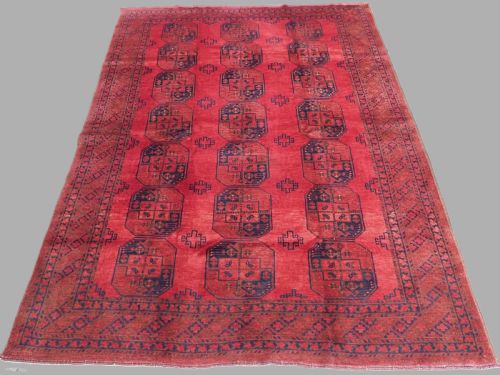
Ersari carpets typically feature warm red ground colours and classic Turkmen göl motifs arranged across a substantial wool field. Their robust construction reflects the heavy-duty weaving standards of the Turkmen groups in northern regions.
Such pieces were designed for enduring utility within domestic settings.