

Aesthetic Movement Hall Furniture
Aesthetic movement hall furniture brings together striking Anglo-Japanese forms, ebonised surfaces, and bamboo construction to create an unforgettable entryway.
Aesthetic Movement Hall Furniture
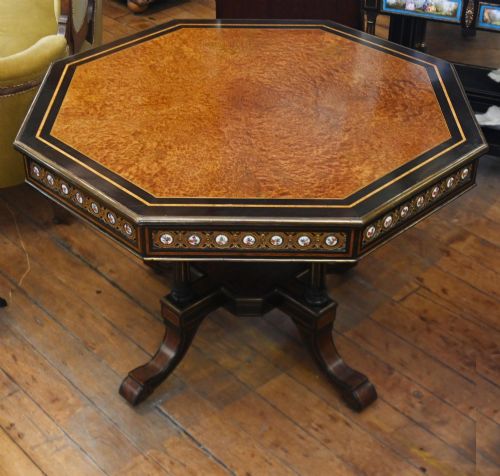
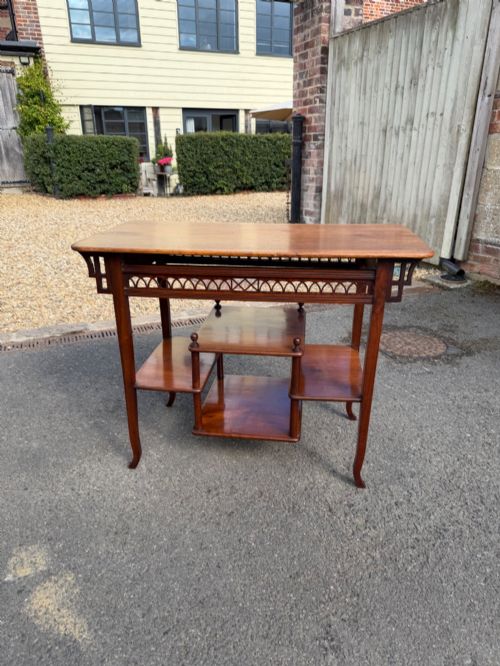
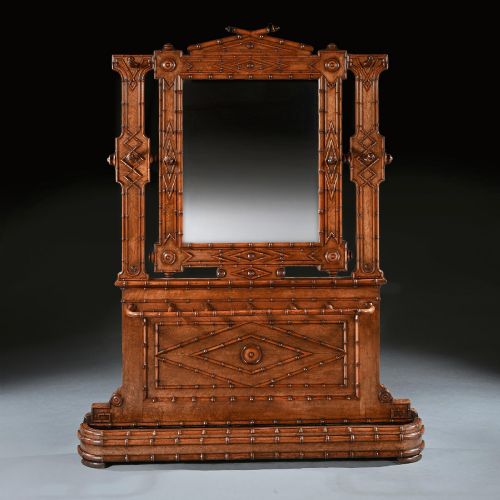
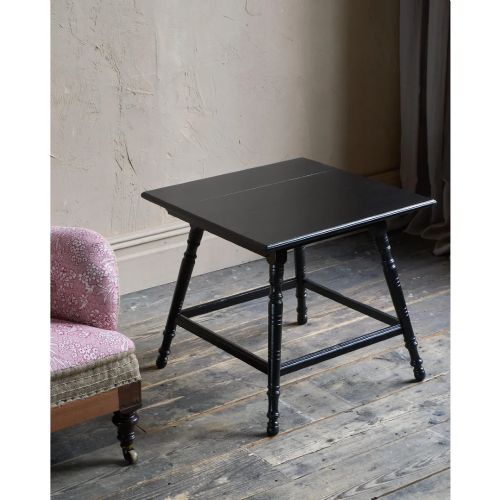
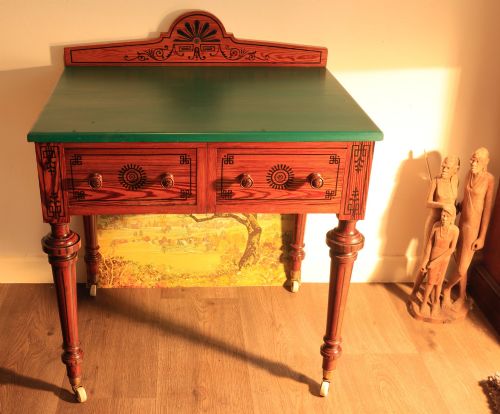
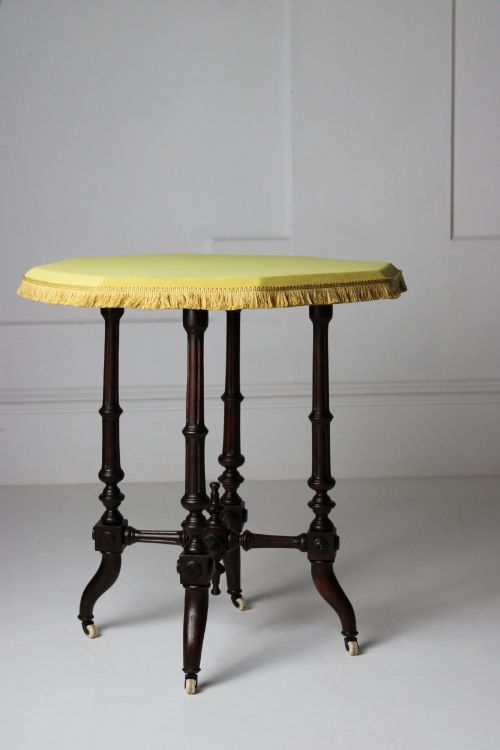
Aesthetic movement hall furniture encompasses utilitarian pieces designed for the entrance hall during the late nineteenth century. The selection ranges from robust oak and walnut hall stands to bamboo umbrella holders and ebonised centre tables.
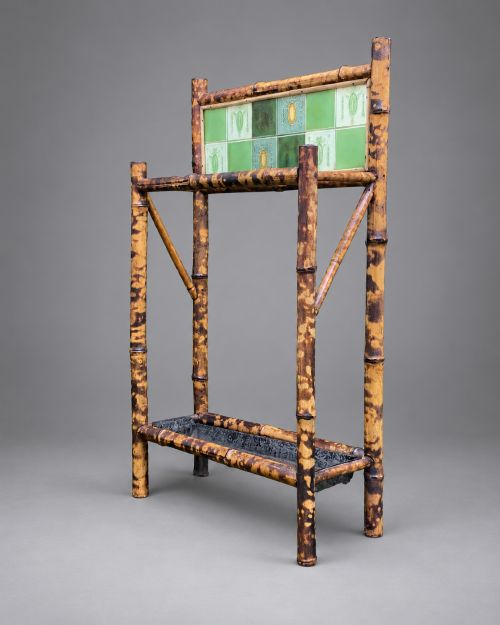
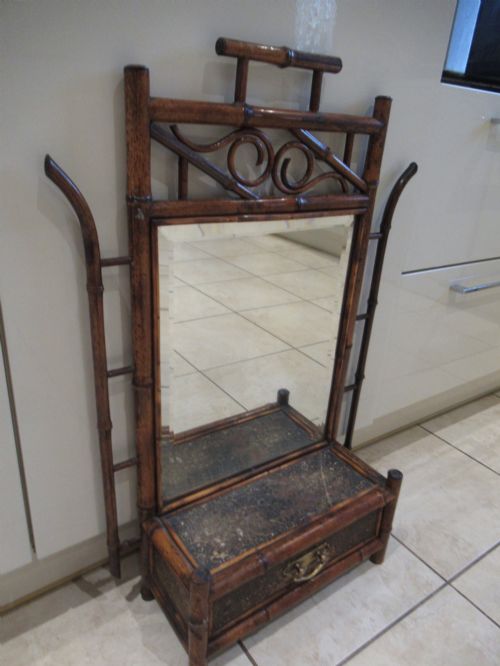
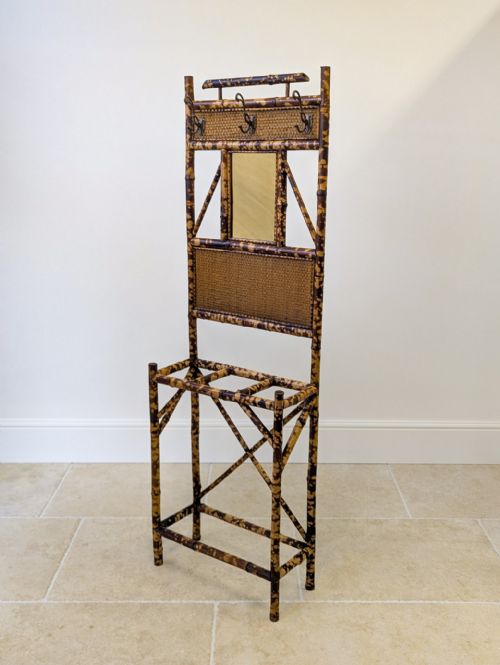
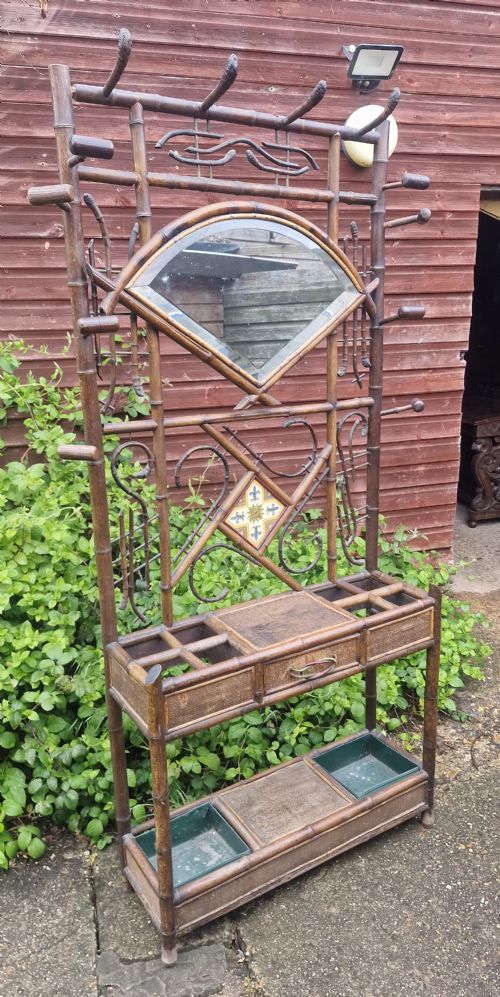
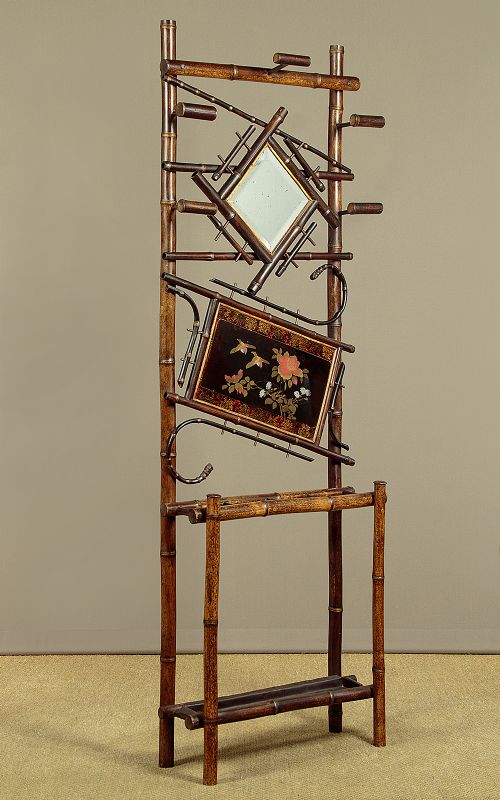
Buyers frequently encounter bamboo hall stands featuring integrated mirrors, tile backs, and brass hooks. These pieces reflect the period's fascination with lightness, exotic materials, and asymmetrical design.
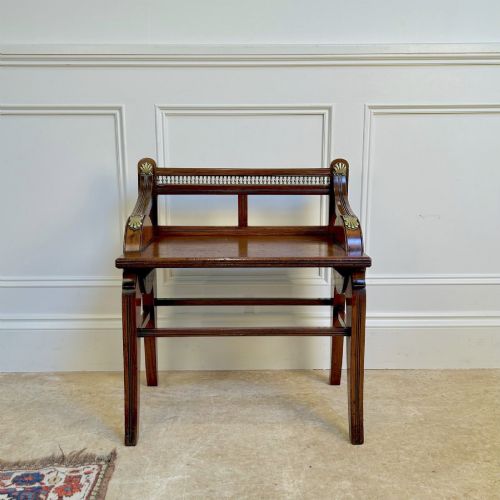
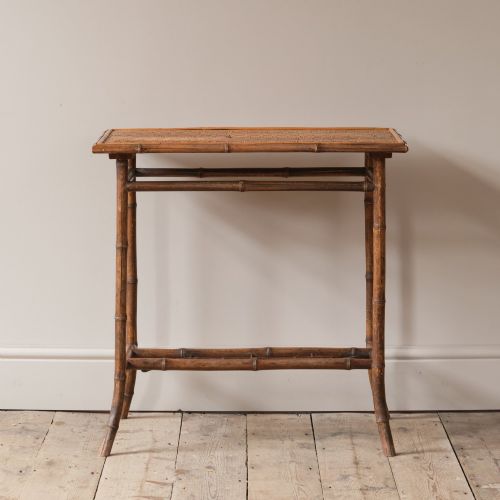
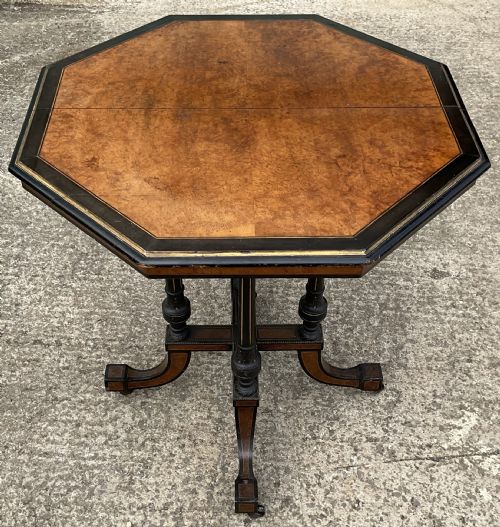
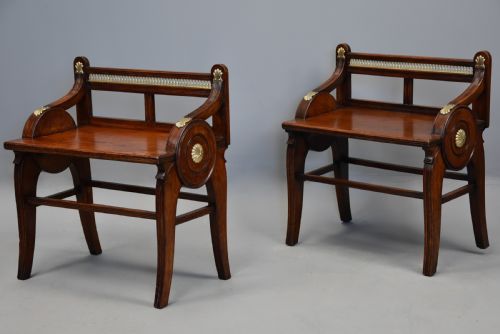
Seating options such as hall benches and settles appear alongside side tables and console tables. Oak and ebonised wood dominate the larger furniture forms, while bamboo and faux bamboo define the lighter occasional pieces.
How they were made
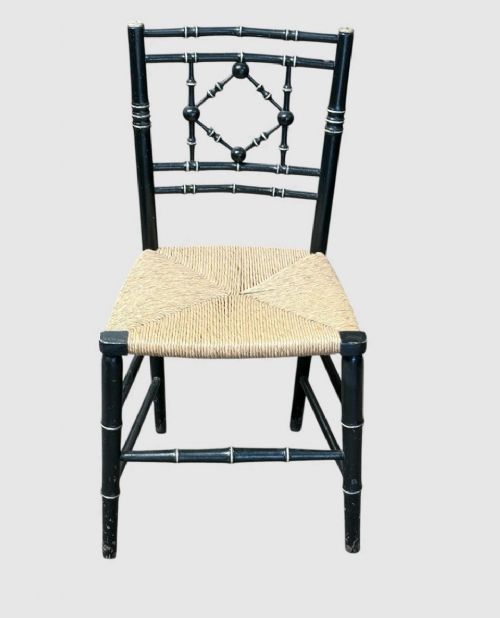
Carpenters utilised durable hardwoods like oak, walnut, and mahogany, often applying ebonised finishes to mimic costly exotic timbers. Bamboo and faux bamboo frames provided a contrasting lightness, frequently paired with woven cane seats and brass hardware.
Decorative surfaces incorporated ceramic tiles, lacquer panels, and Moorish inlay work. Metal components such as cast solid brass sabots and umbrella drip pans completed the construction of these robust entryway furnishings.
Aesthetic Movement Hall Furniture Retail Price Guide 2026
Typical asking prices for aesthetic movement hall furniture among the pieces listed under this phrase on Sellingantiques today, from the lower quarter to the upper quarter. They describe what is for sale here now, not the wider market.
Periods represented across the items span from the 1860s through the early twentieth century.
What varies in quality
The distinction between standard production and superior craftsmanship lies in the selection of materials and the precision of decorative details. Examples attributed to prominent makers exhibit finer carving, substantial brass mounts, and intact ceramic tiles.
Structural integrity differentiates surviving pieces, particularly in bamboo and cane furniture where joints endure heavy daily use. The crispness of ebonised surfaces and the preservation of lacquered panels determine the overall standing of an item.
James Shoolbred·Hindley and Sons·Liberty and Co·Christopher Dresser·Daniel Cottier·Gillows·Ellen E Houghton
The Aesthetic Movement Hall Furniture Glossary
- Ebonised Wood
- Timber treated with a dark stain or finish to resemble expensive ebony. This technique was widely utilised in the nineteenth century to achieve a sleek, dramatic surface.
- Anglo-Japanese
- A design style blending traditional Japanese aesthetics with British furniture forms. It heavily influenced the creation of tables and hall stands during this period.
- Faux Bamboo
- Wood turned and carved to imitate natural bamboo stalks. Artisans employed this method when greater structural weight was required for entryway furniture.
- Moorish Revival
- An architectural and decorative style incorporating Islamic geometric patterns and inlay. It appears on occasional tables and cabinets from the late nineteenth century.
- Sabot
- A protective metal sleeve fitted to the foot of a furniture leg. These brass mountings frequently finish the legs of centre tables.
Aesthetic Movement Hall Furniture: Frequently Asked Questions
What is aesthetic movement hall furniture?
It comprises entryway furnishings produced in the late nineteenth century that rejected heavy Victorian ornamentation in favour of artistic simplicity, craftsmanship, and Japanese-inspired design.
These pieces prioritise visual harmony and functional utility, incorporating materials like bamboo, ebonised wood, and decorative ceramic tiles.
How were hall stands used?
Hall stands served as the central storage hub for an entrance hall, providing hanging space for coats, hats, and umbrellas.
Integrated mirrors allowed for a final appearance check before leaving the house, while small ledges held visiting cards and gloves.
How do I style a bamboo hall stand?
Position the piece against a plain or neutrally painted wall to highlight its intricate bamboo framework and open silhouette.
Keep surrounding decor minimal to let the structural form and original brass hooks remain the focal point of the entryway.
How do I identify this period?
Look for specific stylistic markers such as ebonised finishes, Anglo-Japanese motifs, and geometric Moorish inlay work. The materials typically span oak, walnut, bamboo, and brass hardware characteristic of the late nineteenth century.