

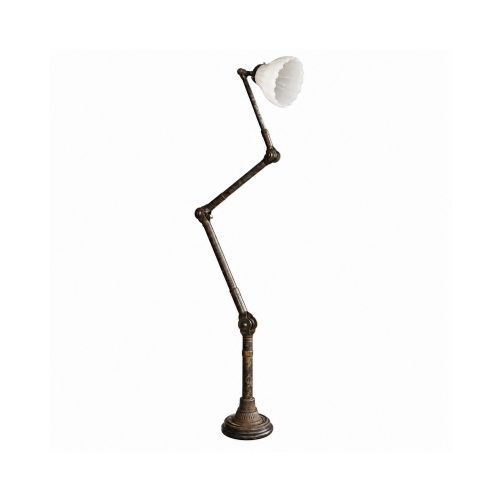
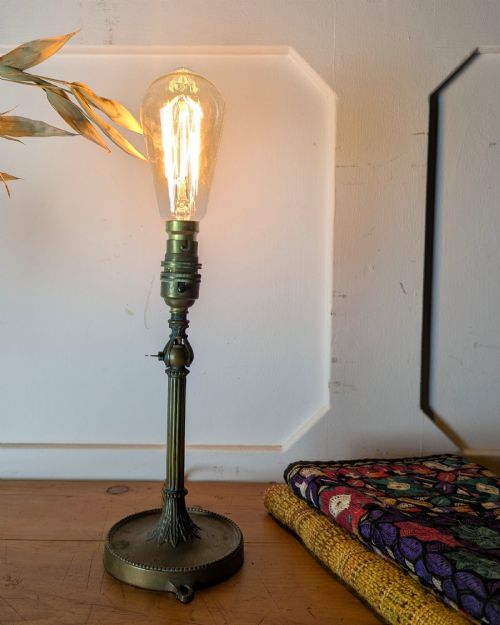
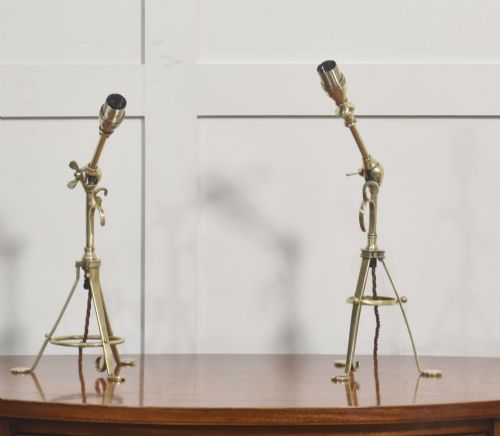
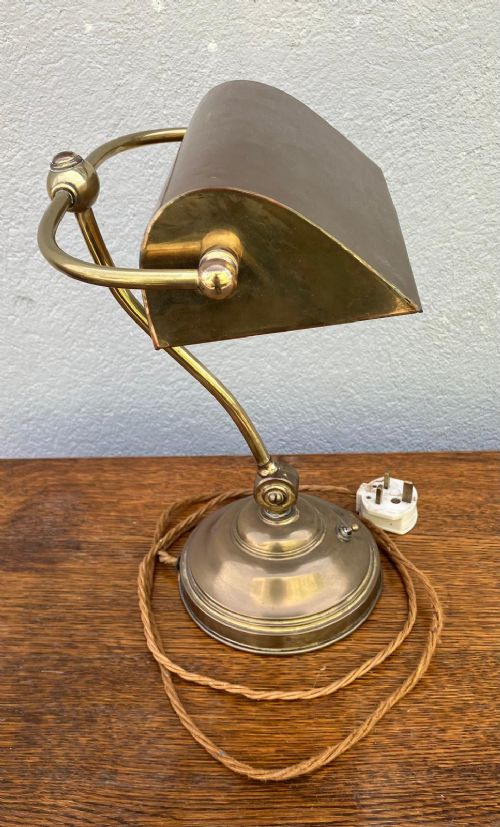


Adjustable Task Light
An adjustable task light brings directed illumination directly to a workspace through articulated joints, heavy bases and pivoting arms.
Adjustable Task Light
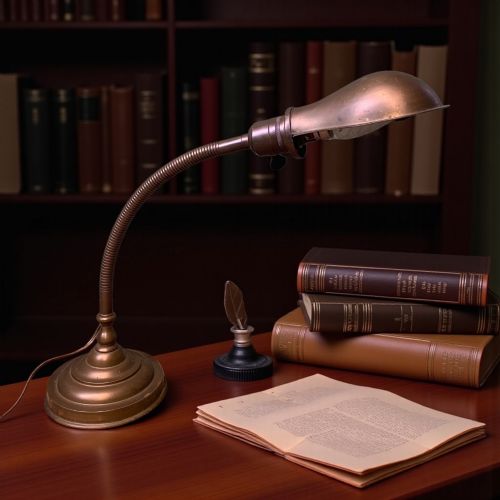
An adjustable task light is designed for focused desk work, reading or drafting, combining heavy materials with flexible mechanical arms. When you search for this phrase, you encounter desk lamps, table lamps and floor lamps created across the nineteenth and twentieth centuries.
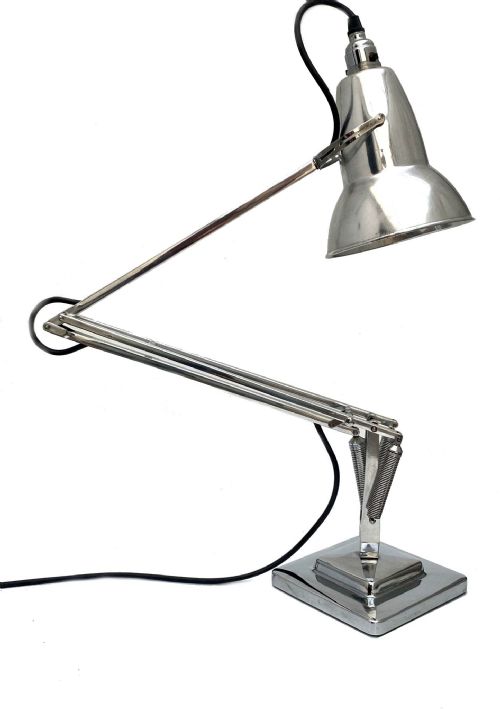
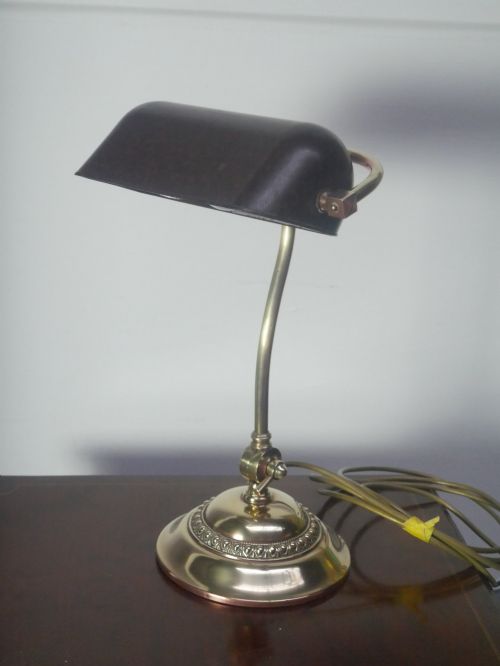
The most common examples on this page date from the Edwardian period and the 1920s or 1930s, reflecting styles such as Art Deco, Arts and Crafts and French Industrial. These pieces range from bankers lamps with green shades to articulated chrome designs and swan neck profiles.
Origins span British and continental workshops, incorporating brass, chrome and bronze alongside functional glass and porcelain shades. The form prioritises utility, allowing the user to redirect the beam precisely where needed via weighted bases and pivoting joints.
Materials and construction
Makers utilised durable metals such as brass, cast iron, bronze, steel and chrome to construct sturdy frames capable of withstanding daily manipulation. These structural components are frequently paired with glass, tole, fabric or porcelain shades to diffuse or direct the light.
Articulated joints, screw adjustments and flexible tubing allow the arms to move smoothly while holding their assigned position. Heavy weighted bases ensure the lamp remains stable even when fully extended at awkward angles.
Adjustable Task Light Retail Price Guide 2026
Typical asking prices for adjustable task light among the pieces listed under this phrase on Sellingantiques today, from the lower quarter to the upper quarter. They describe what is for sale here now, not the wider market.
Some heavy cast iron models weigh enough to double as improvised paperweights during a particularly breezy drafting session.
Judging the manufacture
Quality in an adjustable task light rests upon the precision of its mechanical joints and the heft of its casting. Superior examples retain robust springs, smooth threading and solid metal components that resist sagging over time.
The choice of materials further defines the standard, with heavy cast brass or bronze frameworks showing superior durability compared to lighter stamped metals. Original components, including specialised shades and makers' switches, elevate the integrity of the piece.
W.A.S. Benson·Herbert Terry·Pirouette·Hawkins
The Adjustable Task Light Glossary
- Articulated
- Jointed to allow flexible movement and positioning. This mechanical design enables the user to angle the beam precisely.
- Swan neck
- A curved upper arm resembling a swan's neck, common in early twentieth-century desk lamps. This graceful sweep places the light source directly over documents.
- Bouillotte lamp
- A traditional multi-branched desk lamp featuring a central adjustable shade. It originated in France for card games bearing the same name.
- Tole
- Painted or enamelled sheet metal used historically for lamp shades. This material provides a durable, opaque surface that directs light downwards.
- Machine Age
- A design style from the early decades of the twentieth century celebrating industrial efficiency. It relies heavily on chrome and steel.
Adjustable Task Light: Frequently Asked Questions
How do I adjust the tension?
Many models utilise threaded screws, wing nuts or internal springs to govern the resistance of the joints. Adjusting these requires careful tightening to ensure the arm holds position without straining the metal.
Older mechanisms may need minor manual calibration or lubrication to move smoothly without wearing down the original components.
Are these lamps safe for modern desks?
Most antique and vintage task lights operate with standard bulb fittings that accommodate contemporary LED or low-wattage incandescent bulbs. Rewiring is frequently updated by dealers to meet current electrical standards.
It remains wise to check the internal wiring and plug before daily use on a modern wooden or glass desk surface.
How do I identify an Edwardian model?
Edwardian task lights typically feature heavy cast brass frames, polished bronze finishes and simple architectural lines. They often present swan neck profiles or simple pivoting joints without the shinier chrome surfaces of later decades.
The presence of porcelain or cranberry glass shades further points towards this early twentieth-century period.
What maintenance do metal finishes need?
Brass and bronze components benefit from occasional dusting with a dry microfiber cloth to prevent surface grime accumulation. Avoid harsh chemical polishes that strip away historical patina and aged character.
Chrome and steel parts require similar gentle care, keeping moisture away from older wiring entry points.