



Adjustable Shelving Unit
An adjustable shelving unit brings functional display and flexible storage to any room through movable tiers.
Adjustable Shelving Unit
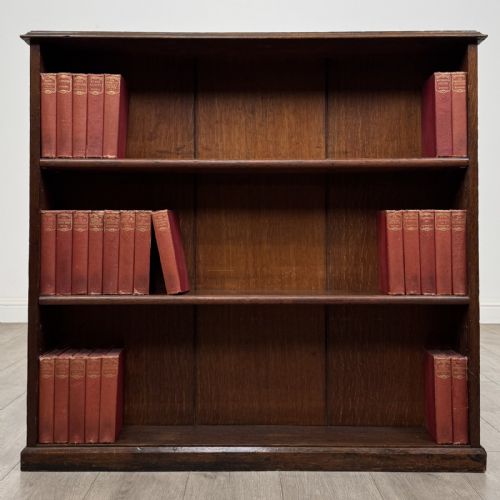
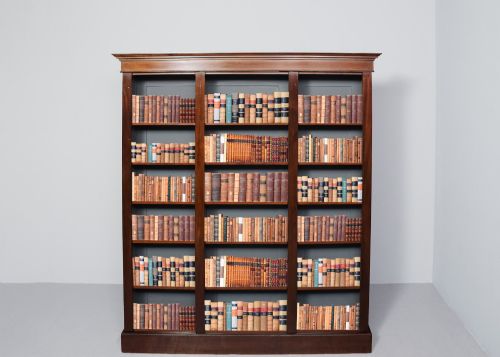
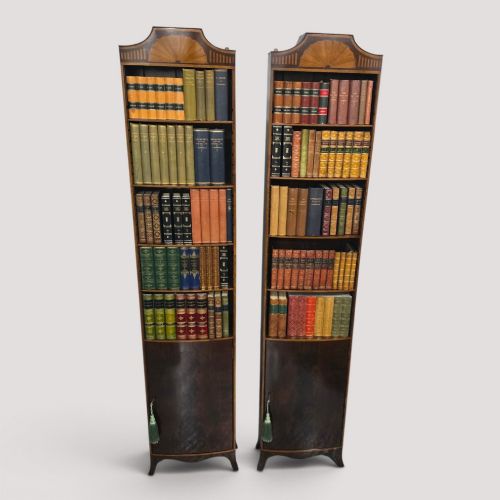
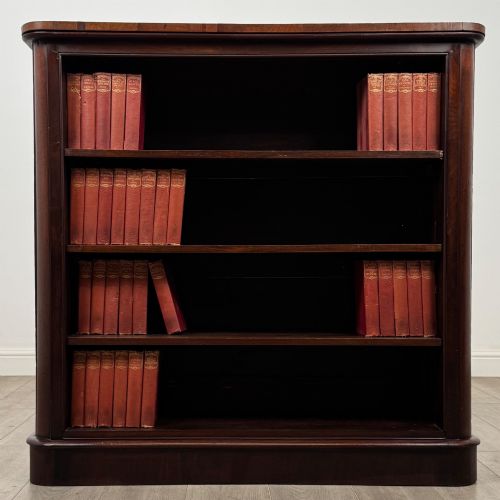
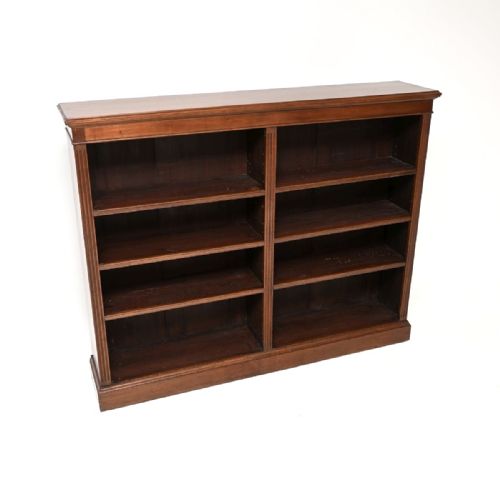
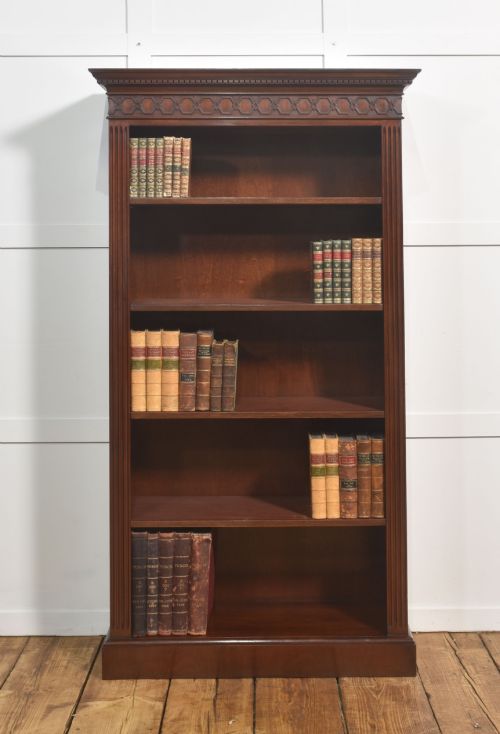
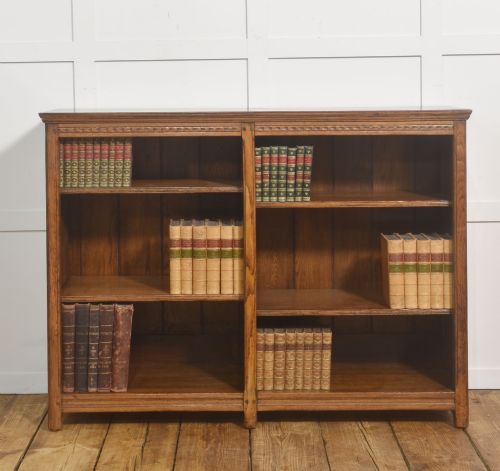
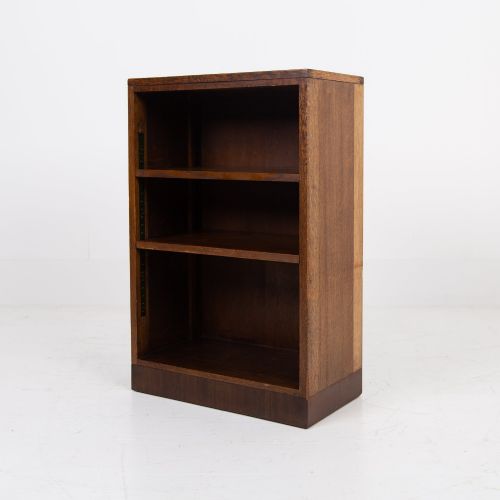
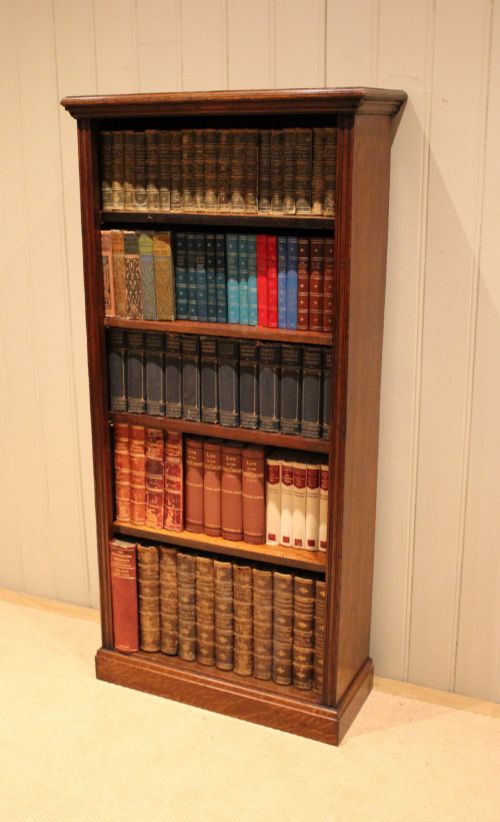
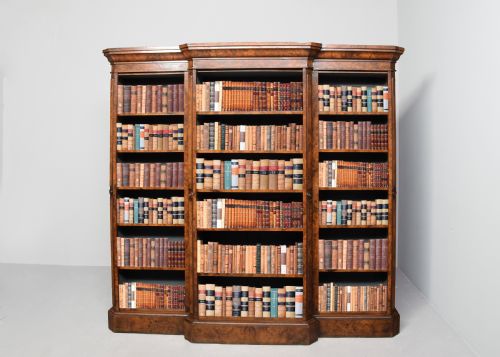
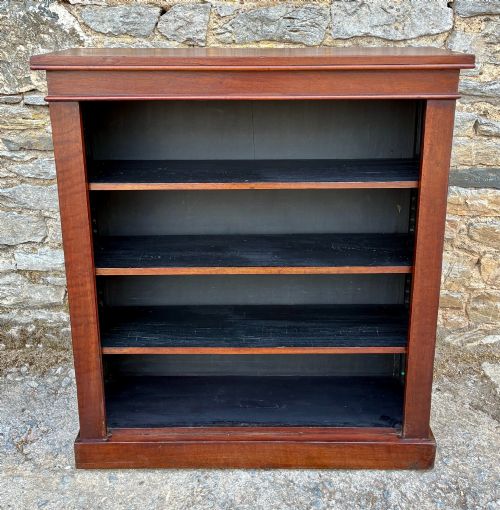
An adjustable shelving unit functions primarily as an open bookcase or library case designed to accommodate books and objects of varying heights. The pieces found here span the Victorian, Edwardian, and early twentieth-century periods, taking forms such as slim pairs, low dwarf cabinets, and large breakfront multi-section library bookcases.
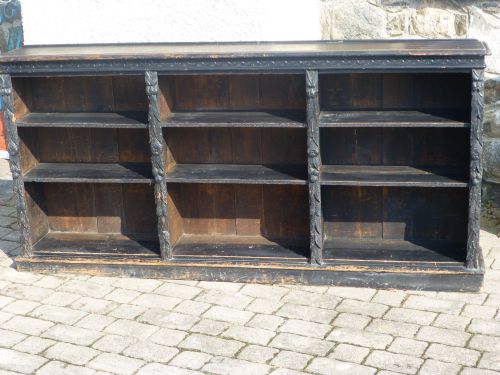
Makers adapted these units across diverse regional styles, ranging from rustic country pine to formal Sheraton revival mahogany and heavy Victorian carved oak. Buyers encounter everything from tall architectural library pieces to modest softwood variants, reflecting changing domestic interior demands over successive decades.
Materials and Construction
Cabinet makers utilised dense hardwoods such as mahogany, oak, and walnut for robust structural frames, frequently employing burr walnut and satinwood inlay to add decorative surface grain. Softwood and pine served for utilitarian country pieces, sometimes finished with wax or ebonised treatments.
Internal shelf placement relies on traditional mechanical systems built into the carcass uprights, allowing owners to reposition boards easily. Details like brass fittings, leather trim, and patinated marble tops appear on select refined examples.
Adjustable Shelving Unit Retail Price Guide 2026
Typical asking prices for adjustable shelving unit among the pieces listed under this phrase on Sellingantiques today, from the lower quarter to the upper quarter. They describe what is for sale here now, not the wider market.
Listings feature oak, mahogany, walnut, and pine across Victorian, Edwardian, and early twentieth-century periods.
Distinctions in Quality
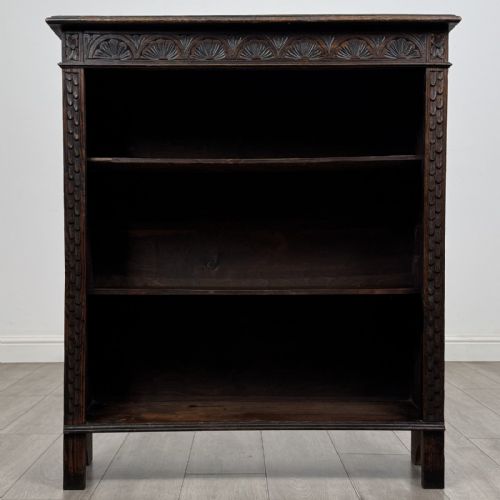
Superior pieces display fine timber selection, such as figured burr walnut veneers or evenly grained mahogany, paired with crisp hand-carved ornamentation like green man motifs or gothic tracery. Lower tiers of quality rely on simpler softwood construction and plain, unadorned surfaces.
Scale and configuration set exceptional library editions apart from standard domestic shelving, particularly multi-section breakfront forms and matched pairs. The integrity of the adjustable mechanism and the richness of the polished finish further divide standard production from pieces of finer workshop origin.
waring and gillows
The Adjustable Shelving Unit Glossary
- Breakfront
- A piece of furniture where the centre section projects forward from the flanking wings. This architectural arrangement creates depth and visual interest in larger library bookcases.
- Dwarf bookcase
- A low shelving unit designed to sit beneath window height or leave wall space clear above. These compact pieces typically feature two or three adjustable shelves.
- Ebonised
- Timber treated with a dark chemical stain or finish to imitate ebony. This technique was popular in Victorian design for creating stark, dramatic contrast.
- Tambour cabinet
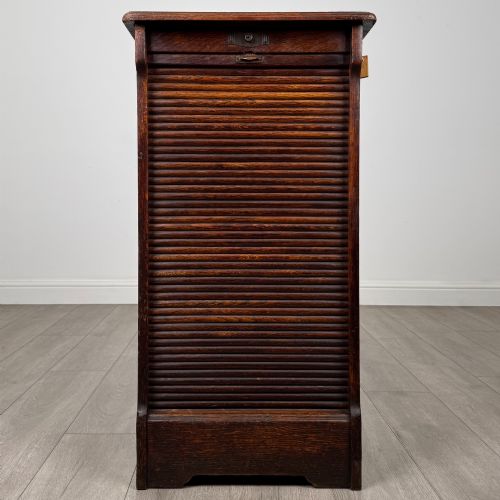
- An enclosure featuring a door made of narrow vertical wooden strips glued to a canvas backing. This flexible panel slides smoothly along tracks within the cabinet frame.
- Sheraton Revival
- A late nineteenth-century design movement inspired by late eighteenth-century neoclassical furniture forms. Pieces often display delicate mahogany veneers and satinwood inlay.
Adjustable Shelving Unit: Frequently Asked Questions
How do adjustable shelves work on antiques?
Antique units typically use wooden ratchets, brass studs, or slotted vertical strips inset into the interior sides. These systems allow owners to lift and reposition individual shelves to suit different book heights.
Such mechanisms reflect the practical demands of nineteenth-century libraries where collections constantly expanded and changed.
What rooms suit an open bookcase?
Open bookcases adapt well to studies, living rooms, and large hallways where immediate book access and display space matter. Their open fronts keep volumes visible and make rooms feel warm and lived-in.
Placing them away from direct sunlight protects the timber bindings and polished wood surfaces from fading over time.
How do I identify a Victorian bookcase?
Victorian pieces often feature heavier proportions, dark hardwoods like oak and mahogany, and deep moulded cornices. Carved details such as floral motifs or gothic elements frequently appear on the upper crests.
Later Victorian examples from around eighteen-eighty often introduce lighter aesthetic movement influences and satinwood stringing.
Are pine shelving units durable?
Pine units constructed during the Victorian or Edwardian eras utilise seasoned softwood that has stabilised over a century or more. Waxed and polished finishes protect the timber from everyday handling.
While softer than mahogany or oak, these rustic pieces offer robust daily utility for heavy loads of books.