

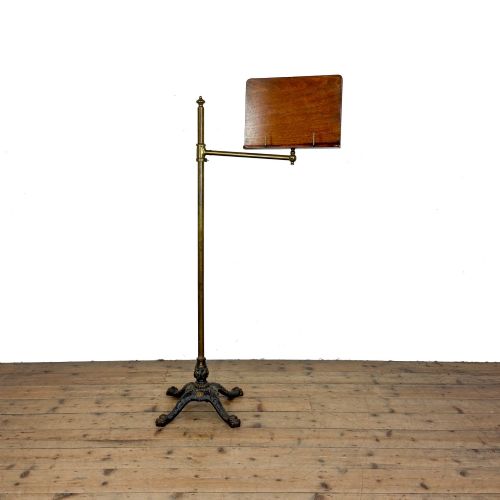

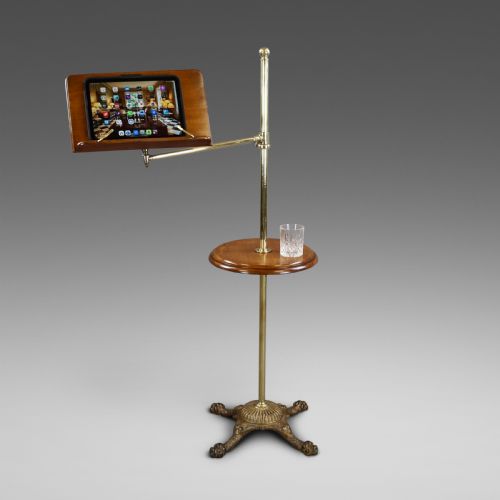


Adjustable Music Lectern
An adjustable music lectern is a practical stand for holding scores and folios at the desired height.
Adjustable Music Lectern
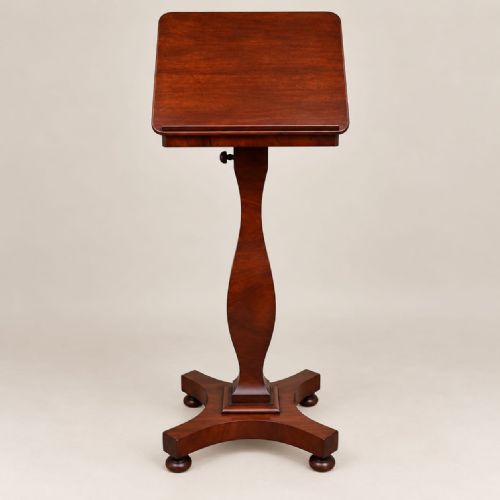
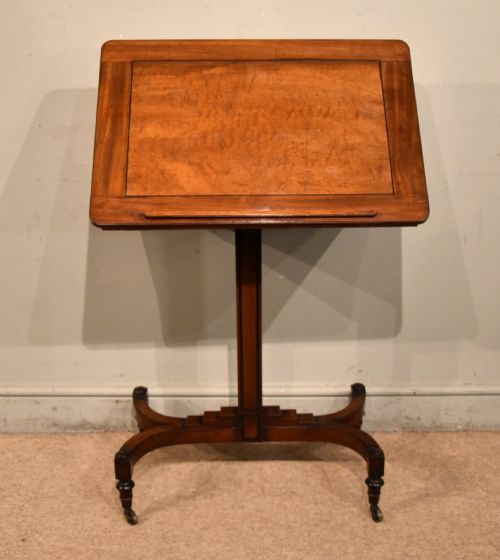
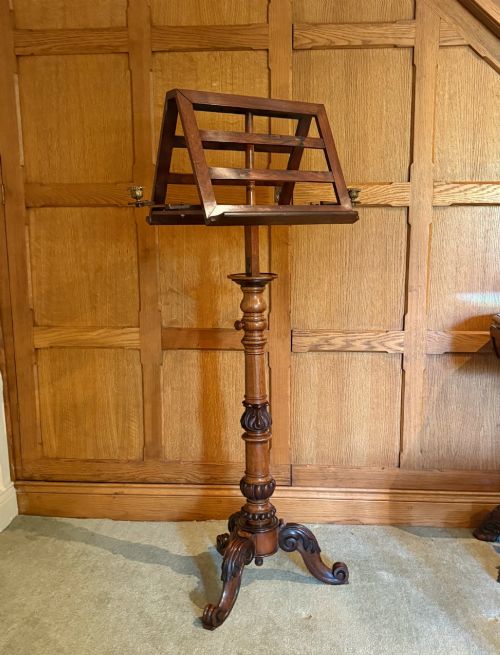
When you search for an adjustable music lectern, you find stands and reading tables designed to hold scores, books, and folios at a comfortable height and angle. These pieces appear across several periods, including Regency, William IV, and Victorian eras.
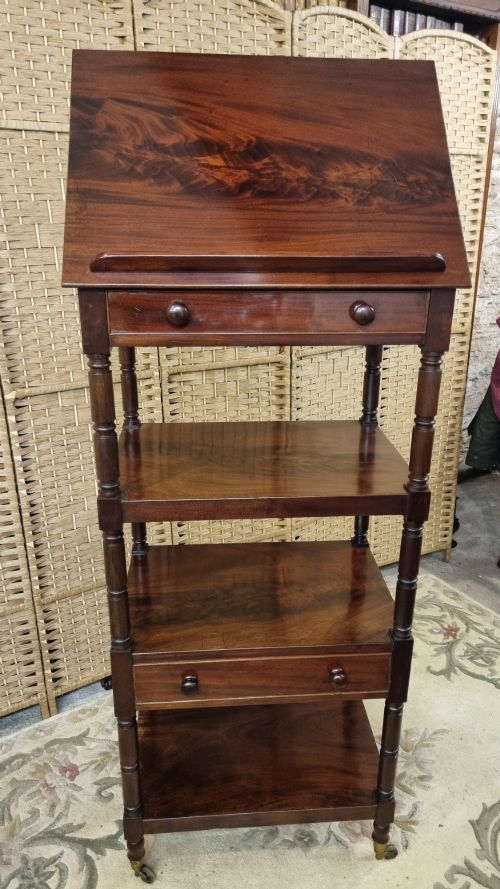
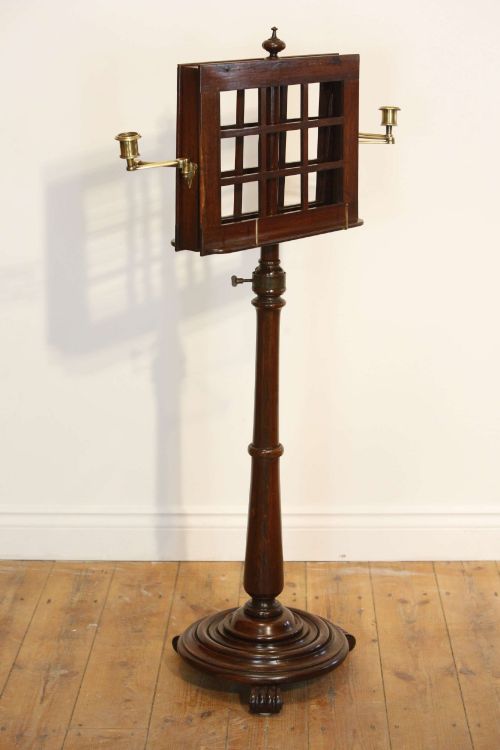
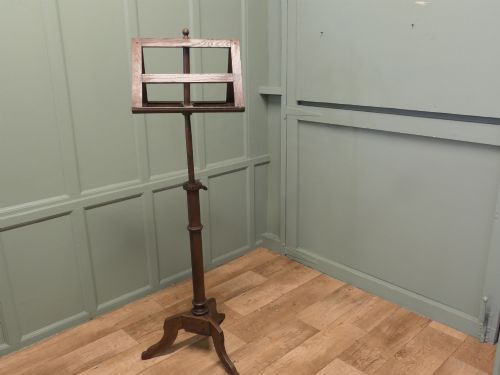
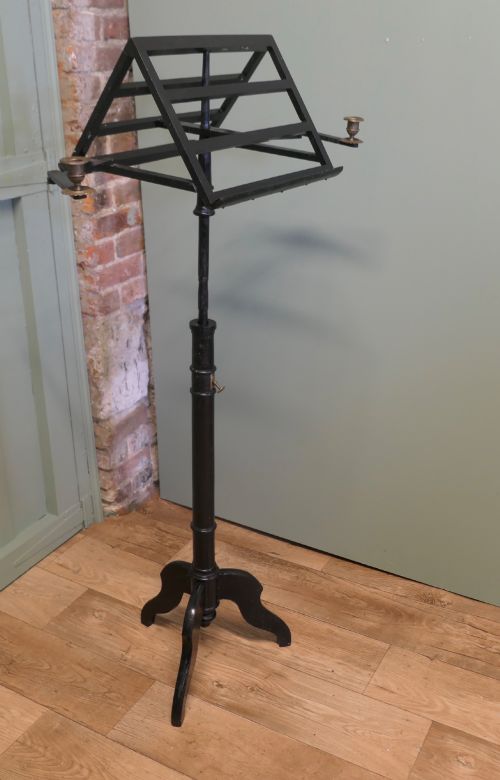
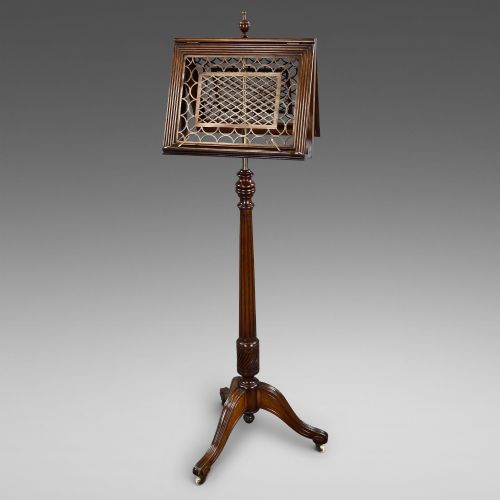
The most common versions on this page are mahogany and rosewood music stands, often featuring duet capabilities for two musicians sharing a score. You will also encounter oak, walnut, and ebonised wood examples spanning the nineteenth century.
Makers designed these lecterns for versatile domestic use, combining reading tables with adjustable mechanisms for varied seating arrangements. They serve equally well today for holding open books or sheet music in a study or music room.
What varies in quality
Quality rests upon the ingenuity and smoothness of the adjustment mechanism, separating simple fixed pieces from fully articulated stands. Finer examples move fluidly and lock securely without excessive play in the pillar.
Timber selection and secondary details dictate the distinction between workshop items and high-end cabinet work. Beautifully figured mahogany, exotic rosewood, and crisp carving or inlay mark out pieces from superior makers.
Adjustable Music Lectern Retail Price Guide 2026
Typical asking prices for adjustable music lectern among the pieces listed under this phrase on Sellingantiques today, from the lower quarter to the upper quarter. They describe what is for sale here now, not the wider market.
Timbers represented across the available stands include mahogany, rosewood, walnut, burr walnut, oak, and ebonised wood.
Gillows·Harrods
The Adjustable Music Lectern Glossary
- Lectern
- A stand with a sloping top to hold a book or music score at a height for reading while standing or sitting. These adjustable versions allow the user to modify both height and angle.
- Duet stand
- A music stand wide enough to accommodate two musicians reading from the same shared score. They often feature folding leaves or double rests.
- Reading table
- A versatile piece of furniture combining a stable table base with an adjustable top for books or folios. Some incorporate drop leaves or occasional table surfaces.
- Gonçalo Alves
- A dense, highly figured tropical hardwood sometimes utilised in nineteenth-century cabinet making for decorative impact. It offers distinct markings similar to zebrawood.
- Fretwork
- Openwork carving or pierced wooden decoration applied to music rests and galleries. This technique lightens the visual weight of the stand while securing the score.
Adjustable Music Lectern: Frequently Asked Questions
How do adjustable music lecterns work?
These stands utilise brass ratchets, screw mechanisms, or sliding wooden pillars to raise and lower the reading surface. A pivoting bracket or rule joint typically alters the angle of the desk.
Users can loosen a thumb screw or lift the ratcheting arm to select the desired height and slope. Once positioned, the mechanism locks the lectern firmly in place to support heavy books.
Can I use an adjustable music lectern for reading books?
Many nineteenth-century music stands double as reading tables designed to hold folios, atlases, and heavy volumes. The adjustable slope reduces neck strain during extended periods of study.
Small ledges or folding page retainers at the base of the desk keep open books secure at steep angles. This makes them practical additions to studies, libraries, and living rooms.
What is the difference between a music stand and a reading table?
A music stand primarily focuses on holding sheet music and scores, often featuring an open frame or pierced fretwork rest. A reading table provides a broader surface area, sometimes combining a flat table section with an adjustable reading slope.
Many examples on this market blur the distinction by offering drop leaves or occasional table bases alongside articulating desks. Both forms serve similar domestic functions for holding printed material.
How do I date an antique music lectern?
Dating relies on identifying the prevailing style, timber choices, and engineering methods of the period. Regency and William IV pieces often display heavy rosewood bases, brass paw feet, and bold classical proportions.
Victorian and Arts and Crafts examples introduce alternative timbers like oak and walnut, alongside simpler geometric forms or folk-carved details. Examining the internal brass mechanisms also helps narrow down the era of manufacture.