



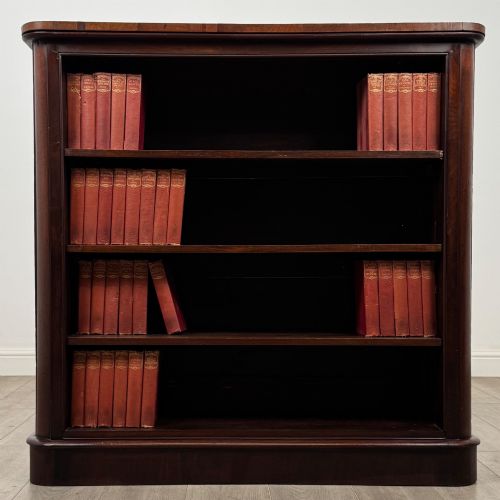
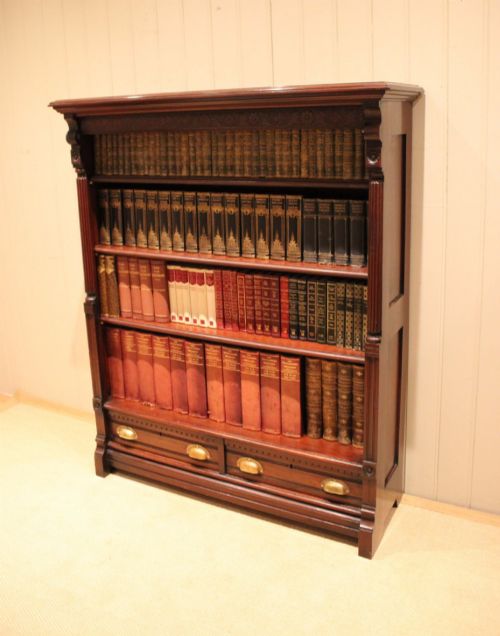
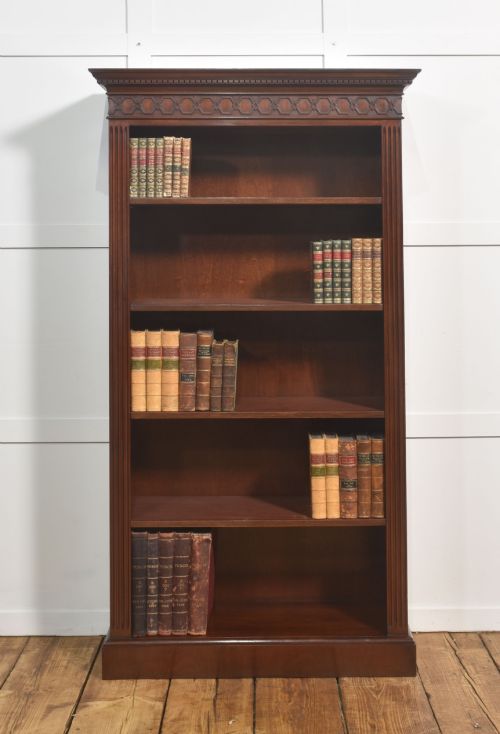
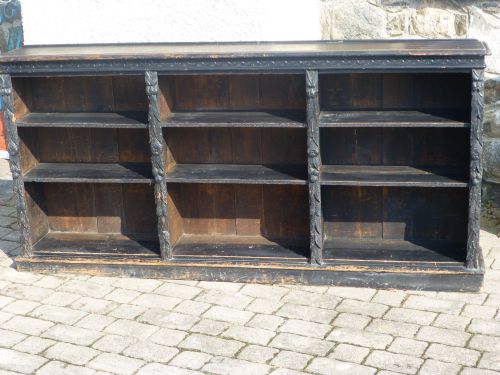
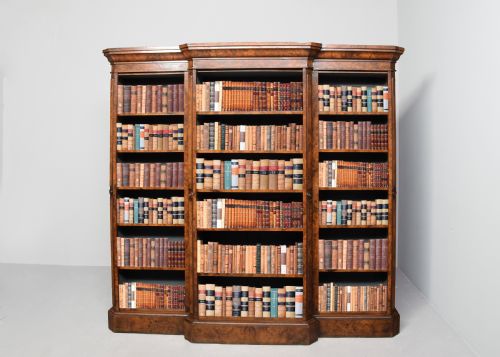
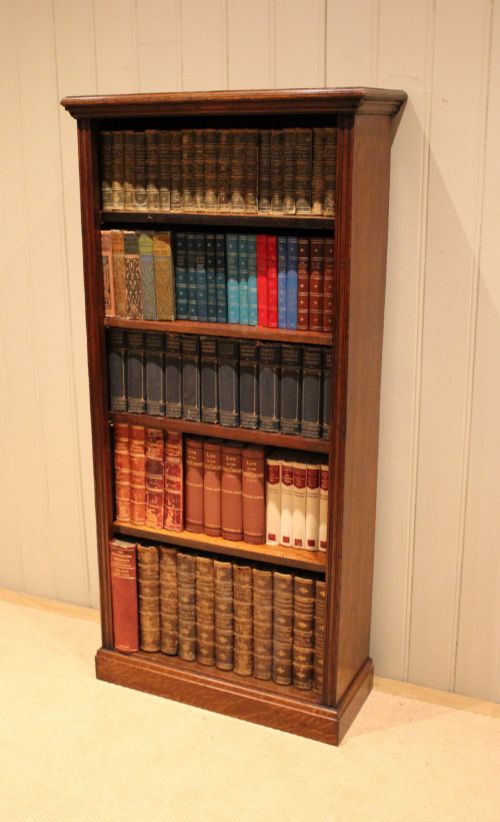
Adjustable Library Shelves
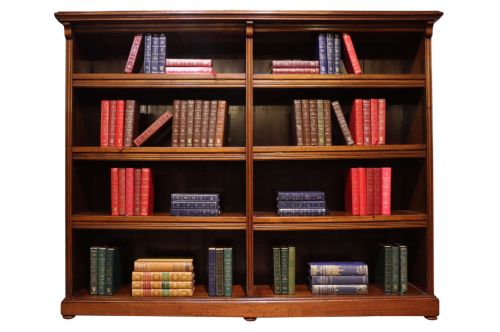
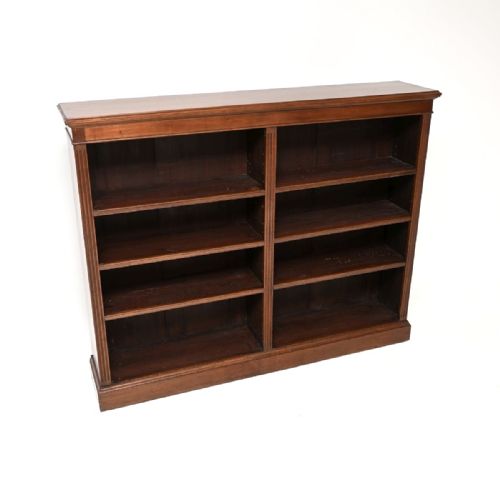
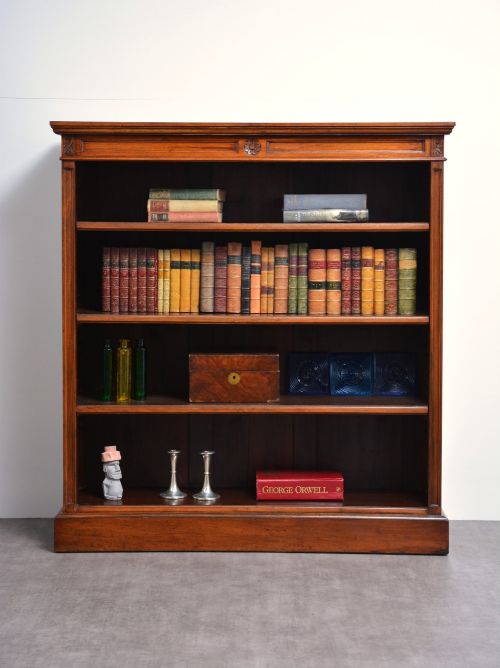
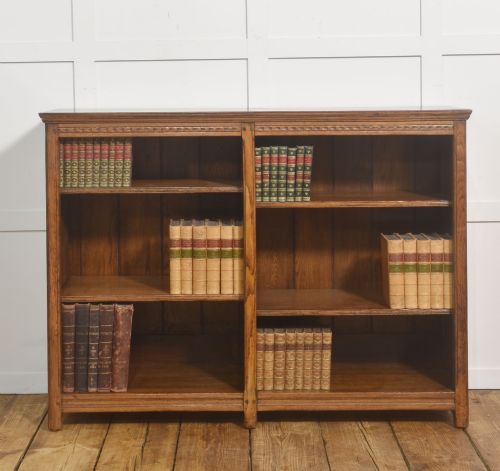
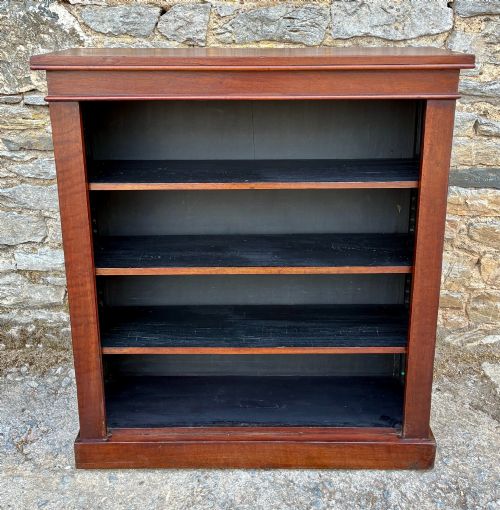
Adjustable library shelves are adaptable wooden bookcases designed to house changing collections of volumes.
Adjustable Library Shelves
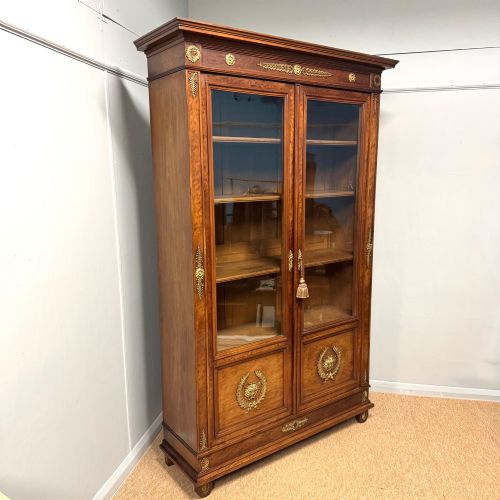
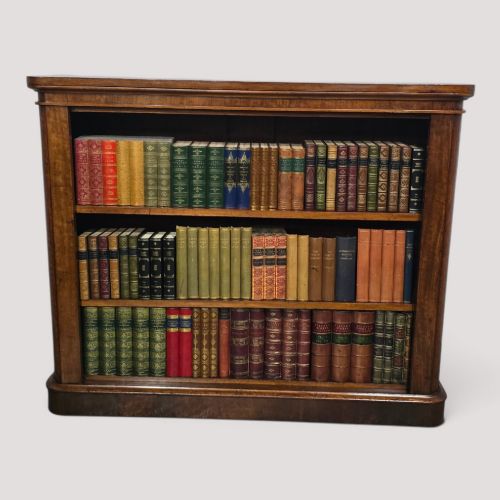
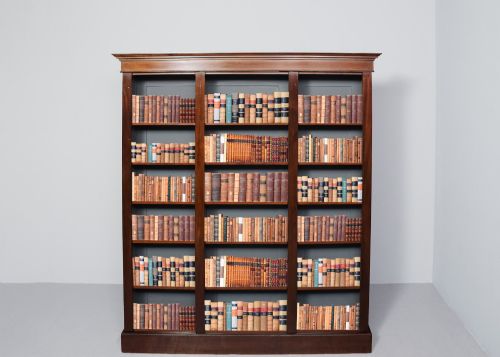
Adjustable library shelves comprise open bookcases and glazed cabinets constructed across the Victorian, Edwardian, and twentieth-century periods. These pieces provide flexible storage through internal ledges that accommodate books of varying heights.
Mahogany and oak dominate the offerings, alongside walnut, burr walnut, rosewood, and painted softwood. Pieces range from small dwarf units and tall single bays to expansive three-section breakfront forms.
Victorian and Edwardian iterations appear most frequently, spanning open fronts and glass-fronted cabinets. Makers such as Bowman Brothers and Waring and Gillows contribute specialised workshop production to the selection.
How they were made
Craftsmen built these bookcases using solid timbers like mahogany, oak, and walnut, frequently applying decorative veneers such as burr walnut or mahogany inlay. Structural stability relies on sturdy timber carcasses, often paired with brass mechanisms for the shelving supports.
Surface finishes include French polishing on hardwoods, ebonising, carving, and painted treatments on softwood frames. Glazed doors incorporate glass panels set into timber frames, while open versions feature plain or moulded uprights.
Adjustable Library Shelves Retail Price Guide 2026
Typical asking prices for adjustable library shelves among the pieces listed under this phrase on Sellingantiques today, from the lower quarter to the upper quarter. They describe what is for sale here now, not the wider market.
Listings feature adjustable library shelves spanning the Victorian, Edwardian, and 1920s periods, constructed primarily in mahogany, oak, and walnut.
What varies in quality
The refinement of timber selection and decorative detailing dictate the calibre of each piece, distinguishing simple utility items from high-status furniture. Figured veneers, intricate carved elements like green man motifs, and Sheraton-style inlay elevate the workmanship.
Structural complexity also marks the scale of quality, seen in multi-section breakfront designs and glazed doors versus straightforward open softwood or oak carcasses. The integration of robust shelf-support systems reflects the original purpose of heavy storage.
Bowman Brothers·Waring and Gillows
The Adjustable Library Shelves Glossary
- Breakfront
- A cabinet design where the central section projects forward from the flanking wings. This configuration adds architectural depth to large bookcases.
- Dwarf bookcase
- A low shelving unit typically standing below waist height. These pieces often feature flat tops suitable for displaying objects.
- Ebonised
- Timber treated with a dark finish to imitate ebony. This technique gained popularity during the nineteenth century for decorative contrast.
- Inlaid
- Woodwork featuring contrasting materials fitted into carved recesses to create surface patterns. Sheraton-style furniture frequently employs this method.
- Glazed
- Fitted with glass panels within the doors. This feature protects volumes from dust while maintaining visibility.
Adjustable Library Shelves: Frequently Asked Questions
What are adjustable library shelves?
Adjustable library shelves are bookcases equipped with movable internal ledges that alter the vertical space between tiers. This flexibility accommodates books of different heights within a single piece of furniture.
Most examples date from the Victorian and Edwardian eras, constructed in woods like mahogany, oak, and walnut. They serve as practical storage for growing personal libraries.
How do I choose the right size?
Measure the available wall space and the height of the volumes you intend to store. Taller multi-section breakfront bookcases suit expansive rooms, whilst dwarf variants fit beneath windows or in compact studies.
Consider whether you require an open front for easy access or a glazed cabinet to protect delicate bindings.
How do I date an antique bookcase?
Examine the timber, construction methods, and stylistic details such as Victorian carving or Edwardian proportions. Secondary woods at the back and interior surfaces often reveal the manufacturing period.
Maker marks, where present, provide precise attribution to workshops active during the nineteenth or twentieth centuries.
How should I care for wooden shelves?
Keep wooden bookcases away from direct sunlight and radiators to prevent timber splitting and veneer warping. Dust regularly with a dry cloth and occasionally apply appropriate furniture wax.
Avoid overloading individual shelves to maintain the integrity of the adjustable supports over time.