

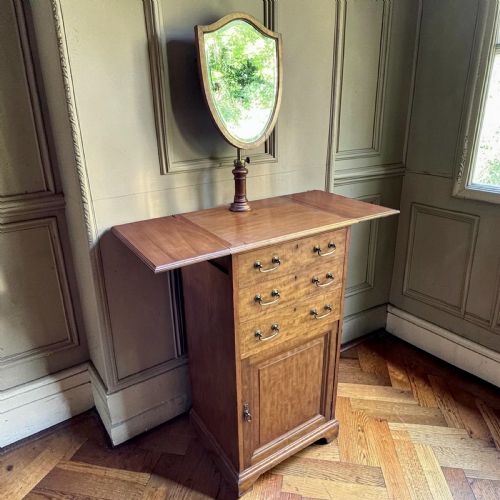


Adjustable Dressing Mirror
An adjustable dressing mirror offers the practical benefit of a pivoting glass combined with the refined cabinet work of the nineteenth and early twentieth centuries.
Adjustable Dressing Mirror
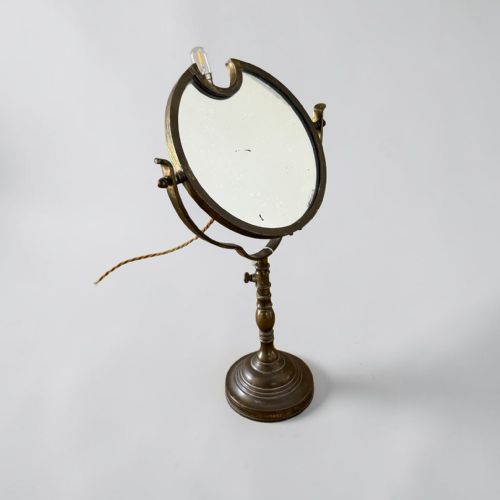
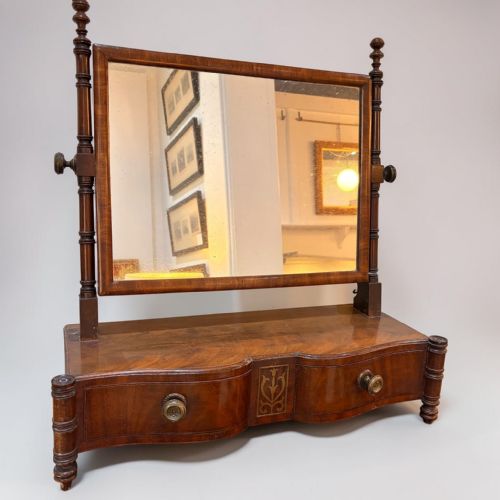
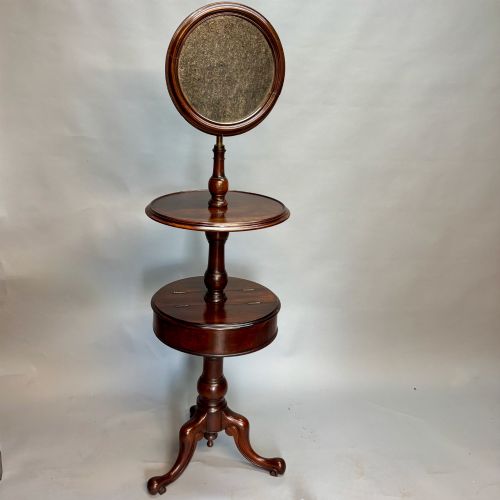
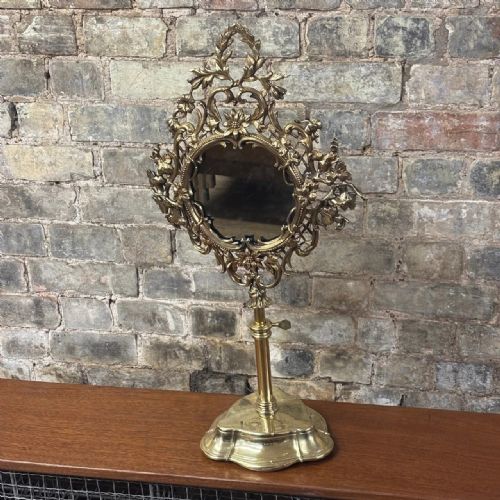
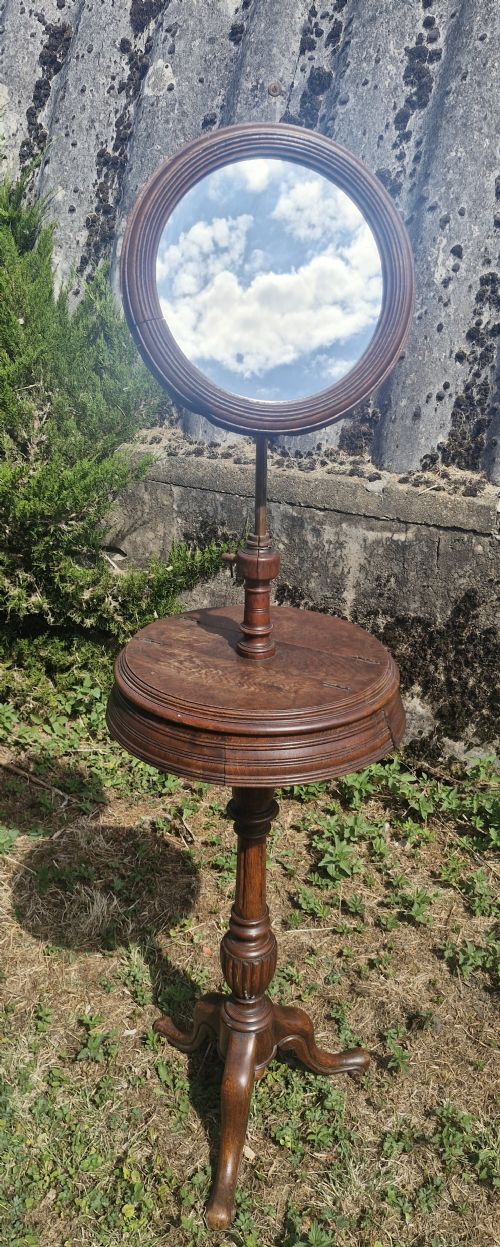
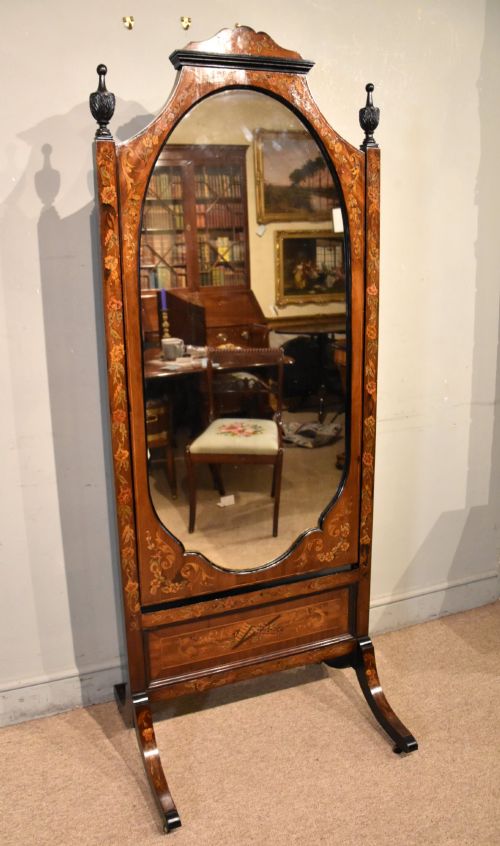
An adjustable dressing mirror serves the daily toilet, appearing across this page in various formats including tabletop glasses, tall cheval mirrors, and specialised shaving stands. Buyers searching for an adjustable dressing mirror frequently encounter Victorian examples in mahogany, alongside Edwardian pieces and earlier Regency designs.
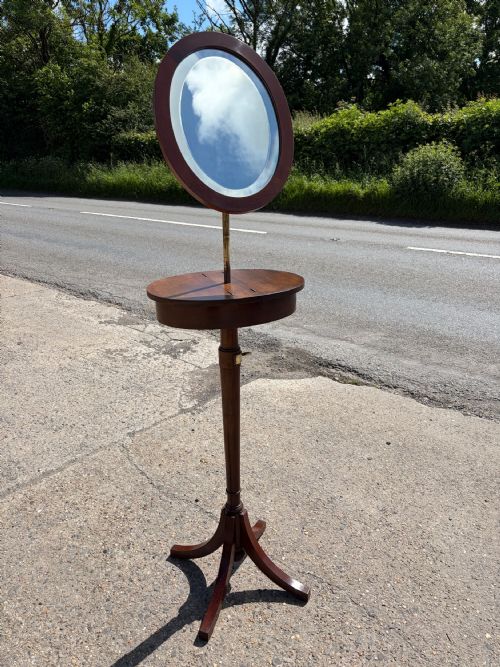
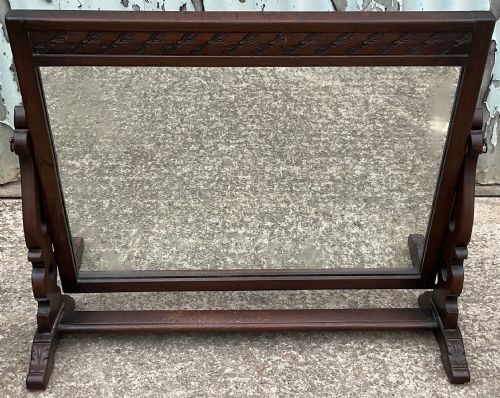
The construction ranges from compact table mirrors with swing frames to telescopic tripod stands and dressing chests fitted with adjustable shield plates. These items originate from periods spanning the nineteenth century into the nineteen thirties, reflecting changing domestic habits in grooming and dress.
Materials and Construction
Cabinet makers utilised primary timbers such as mahogany, walnut, and oak, often enhancing the surfaces with marquetry or boxwood inlay. Brass fittings and turnings provide the pivoting mechanisms and telescopic adjustments necessary for tilting the mirror glass.
Workshop methods combined traditional joinery with specialised metal hardware to support heavy mirror plates. Painted finishes, bronze mounts, and chrome also appear in later or revival pieces, showing how construction methods adapted over time.
Design and Execution
The standard of timber selection and the crispness of inlay separate ordinary utility pieces from finer examples. Finely figured veneers and well-proportioned turned columns indicate superior cabinet work.
The robustness of the brass adjustment mechanisms and the weight of the mirror glass determine the overall structural integrity. Pieces with stamped maker details or thoughtful proportioning represent the higher end of the range.
J. Shoolbred·Gillows of Lancaster
The Adjustable Dressing Mirror Glossary
- Cheval mirror
- A freestanding full-length mirror supported on a frame with pivoting pivots. This allows the glass to swing freely to different angles.
- Telescopic
- A descriptor for stands that adjust vertically via a sliding shaft and locking screw. This mechanism permits height alteration for grooming.
- Shaving stand
- A specialist furniture form incorporating an adjustable mirror above a small table, cupboard, or tripod base. Gentlemen utilised these for morning hygiene.
- Marquetry inlay
- Decorative patterns formed by fitting contrasting veneers into timber surfaces. Makers applied this technique to elevate the visual appeal of dressing furniture.
- Swing mirror
- A glass mounted on vertical posts or arms that tilt forward and backward. This simple pivot design forms the core of most toilet mirrors.
Adjustable Dressing Mirror: Frequently Asked Questions
How do I adjust the mirror height?
Telescopic examples use a sliding brass rod secured by a thumbscrew or collar. Loosening this fitting allows the mirror to raise or lower before retightening.
Table and swing models rely on side pivot screws set into the upright supports. Adjusting these tension screws keeps the glass at the desired tilt angle.
Where were these mirrors used?
These pieces sat primarily on dressing tables, chests of drawers, or washstands in bedrooms and dressing rooms. Tall cheval mirrors stood directly on the floor to reflect full outfits.
Shaving stands occupied bedrooms or dressing areas for morning grooming routines. Their compact footprints suited private domestic spaces.
What is a cheval mirror?
A cheval mirror is a large, freestanding glass suspended within a wooden frame that pivots on vertical floor-standing pillars. This allows the user to tilt the entire reflection.
They emerged to provide full-length views during dressing. Examples appear in Regency and Victorian styles on this page.
How do I date an antique mirror?
Dating relies on timber choices, construction techniques, and hardware styles. Mahogany and walnut typify Georgian and Victorian pieces, while oak appears across multiple eras.
Drawer dovetails, secondary woods, and the type of mirror glass provide further chronological clues. Stamped maker marks offer direct attribution when present.
Are these mirrors stable?
Stability depends on the base design, with tripod stands, heavy bun feet, and wide frames offering solid support. Heavier timbers like mahogany keep the centre of gravity low.
Telescopic and pivoting joints require proper tension to prevent sagging over time. Properly maintained frames remain secure during daily use.