


Accent Lamp Base
An accent lamp base provides the vertical support and wiring mount for lighting that shapes a room's atmosphere.
Accent Lamp Base
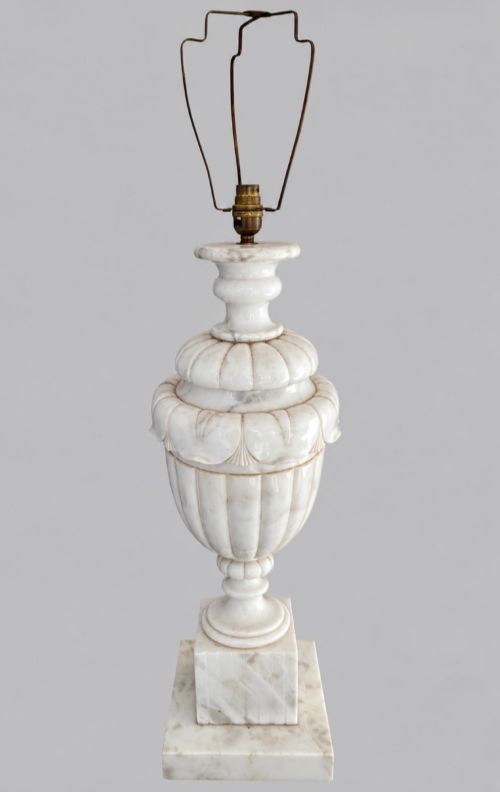
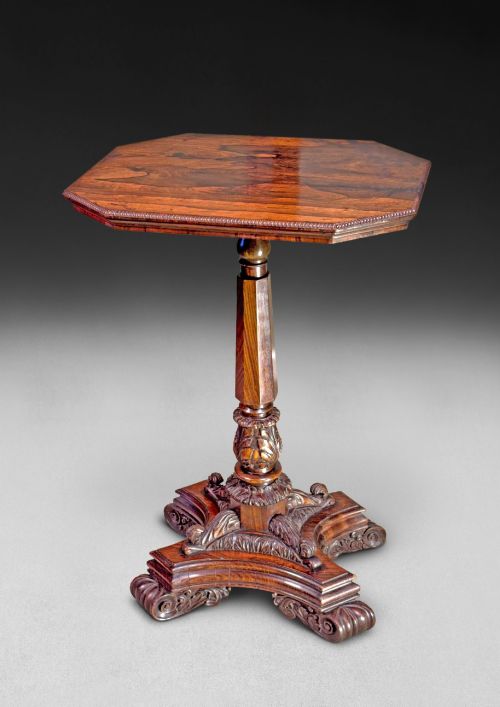
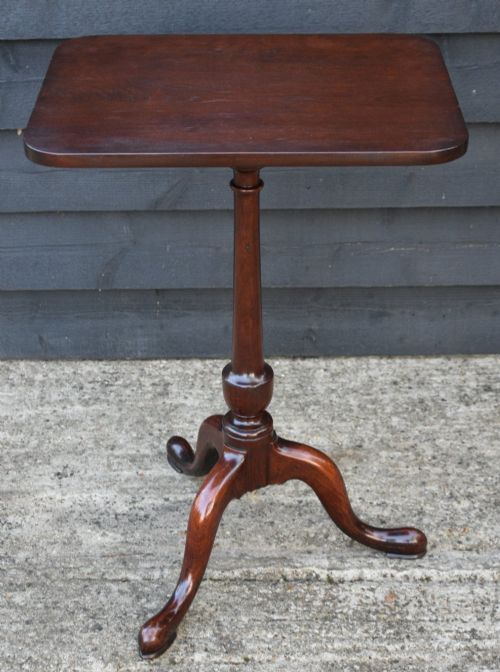
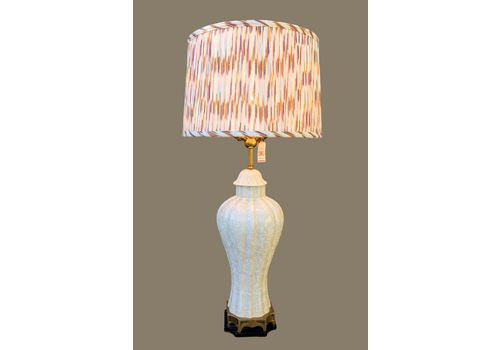
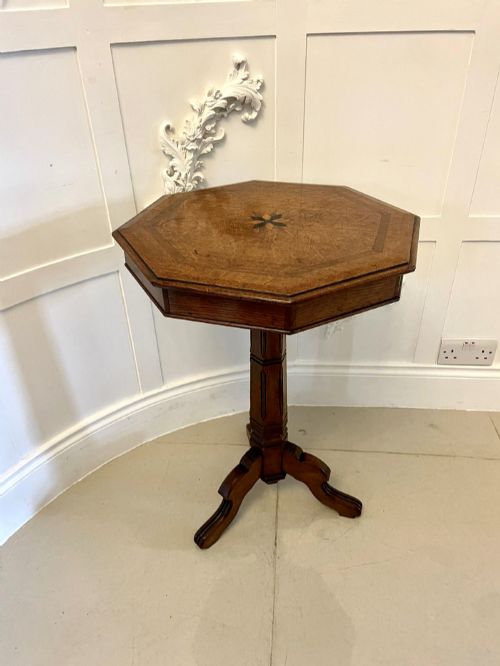
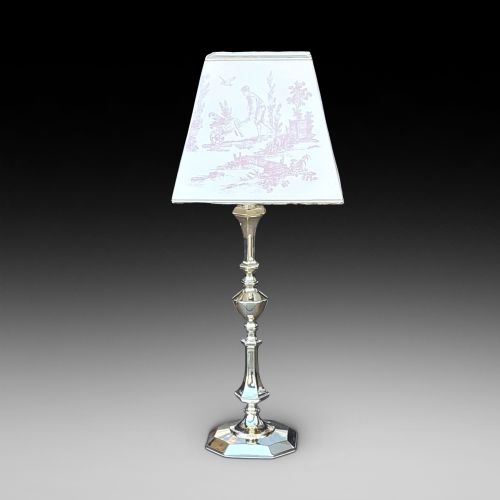
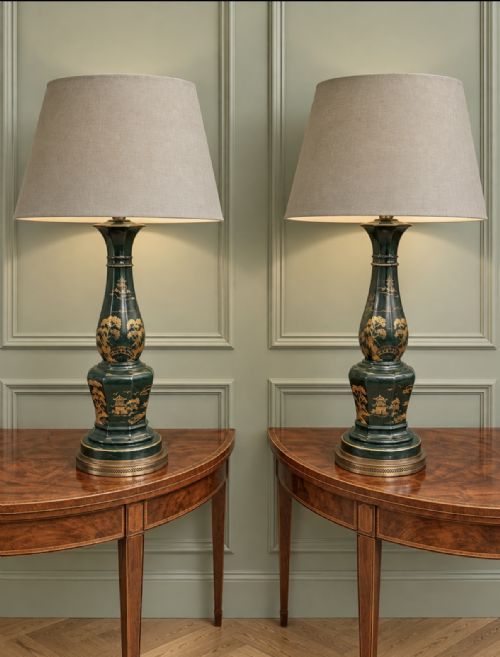
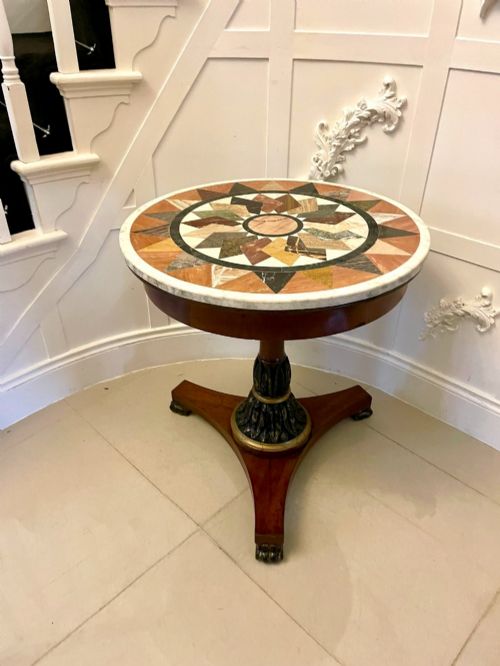
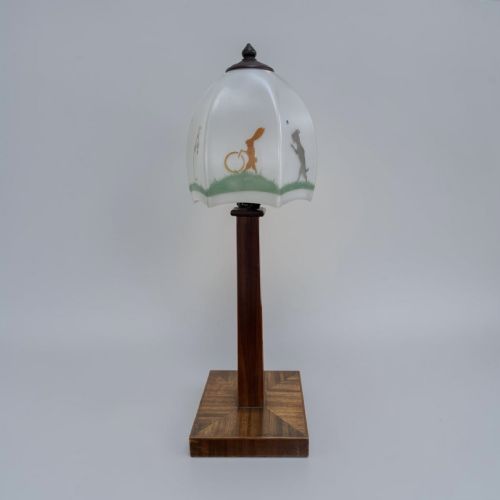
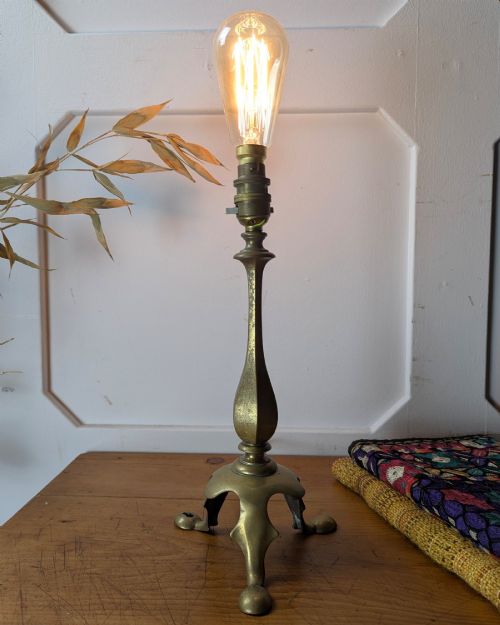
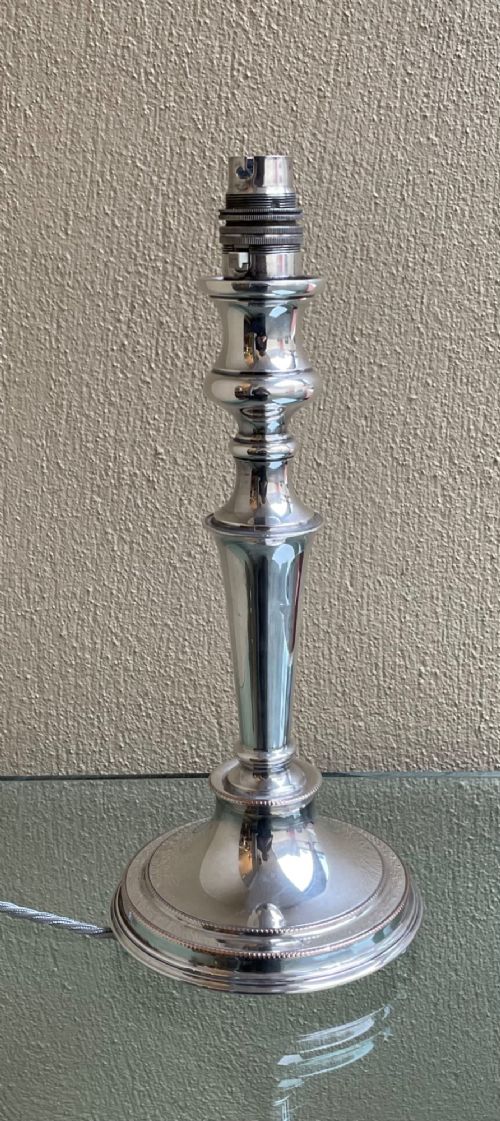
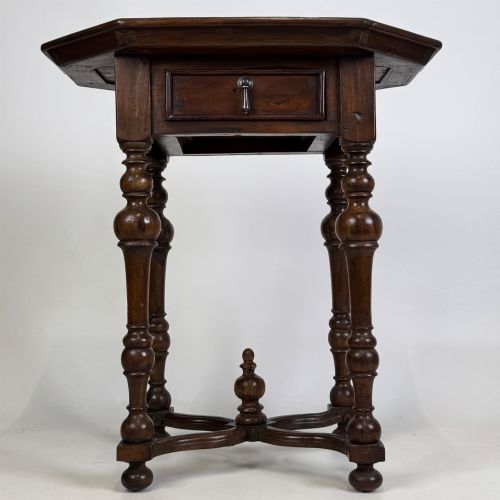
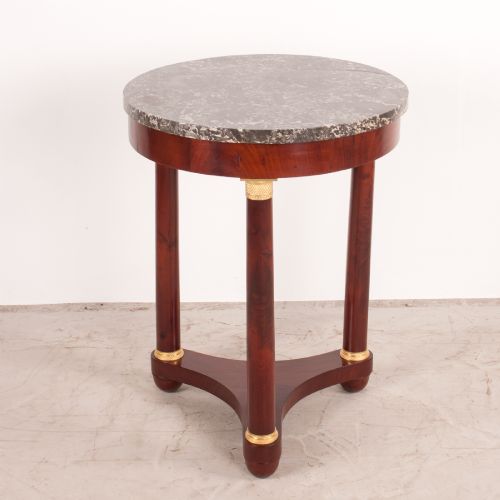
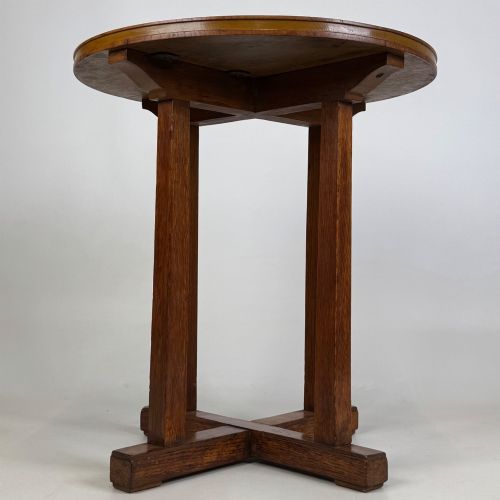
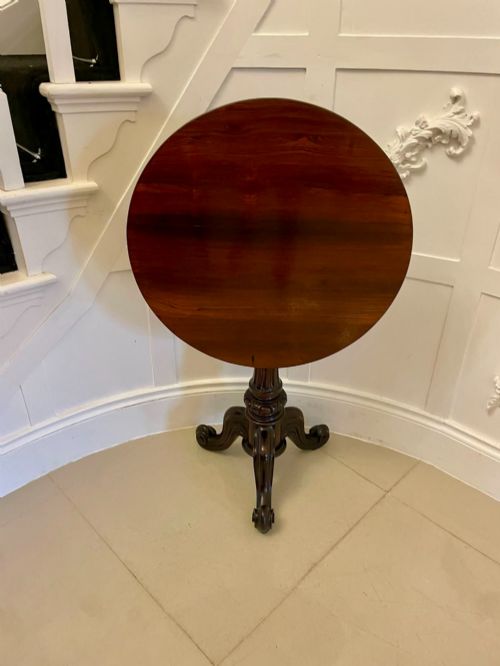
When searching for an accent lamp base, buyers encounter a diverse range of forms spanning from the nineteenth century through the Art Deco period. The selections here include upright table lamps cast in metal or formed from glass, alongside small occasional and side tables repurposed or built specifically to hold illumination.
Materials shift across these eras, moving from heavy nineteenth century mahogany, rosewood, and marble occasional tables to slender Edwardian brass stems and French Art Deco designs incorporating alabaster, opaline glass, and wrought iron. The grouping bridges functional furniture and decorative lighting pieces.
Construction and materials
Makers utilised dense timbers such as mahogany, rosewood, and oak for table forms, turning pedestals and legs on a lathe while employing traditional joinery for stability. Metal components rely on brass, copper, and gilt bronze, often cast into figurative or baluster shapes.
Glass elements utilise moulding and acid-etching techniques to create frosted, mottled, and opaline finishes. Ceramic and stone materials, including onyx, alabaster, and marble, are cut, polished, and mounted with metal collars to secure electrical fittings.
Accent Lamp Base Retail Price Guide 2026
Typical asking prices for accent lamp base among the pieces listed under this phrase on Sellingantiques today, from the lower quarter to the upper quarter. They describe what is for sale here now, not the wider market.
The listings span multiple decades, incorporating Victorian timber tables alongside Art Deco glass and metal lighting fixtures.
Distinctions in craftsmanship
Quality rests in the precision of the casting, the crispness of carved details in wood or stone, and the weight of the supporting base. Finer examples display balanced proportions, clean joints in timber furniture, and unblemished surfaces in glass and crystal components.
The integration of decorative mounts, such as ormolu trim or gilded bronze, separates standard production from superior pieces. Materials selected for their natural grain and colour stability retain greater visual presence over time.
George Bullock·Charles Schneider·Lacroix·Lalique
The Accent Lamp Base Glossary
- Baluster
- A moulded shaft or pillar with a swelling lower portion, frequently seen supporting metal and ceramic lamp bodies.
- Ormolu
- Gilded bronze applied as a decorative mount or trim on French and English decorative objects.
- Opaline glass
- An opaque or translucent glass, often pastel in shade, popular in nineteenth and twentieth century lighting.
- Gueridon
- A small round occasional table supported by a central pillar or three legs, originating in seventeenth century France.
Accent Lamp Base: Frequently Asked Questions
How do I choose the right accent lamp base size?
Consider the surface area where the piece will stand and the height required to balance surrounding furniture.
Proportions between the vertical stem and the table or sideboard surface determine visual harmony in a room.
Were these tables originally built as lamp tables?
Many occasional tables from the nineteenth century were constructed as wine, needlework, or general side tables before being adapted.
Later Edwardian and Art Deco examples were frequently designed from the outset to support lighting.
How should I care for brass and bronze bases?
Metal components require gentle dusting with a soft, dry cloth to prevent the accumulation of airborne particles.
Avoid abrasive polishes that can strip original patination and finishes from nineteenth and twentieth century metalwork.
What defines Art Deco lighting design?
Art Deco lighting utilises geometric forms, stylised motifs, and contrasting materials such as wrought iron and opaline glass.
Pieces from this era often embrace machine-age symmetry alongside exotic stylistic influences.