
9ct Gold Heart Padlock
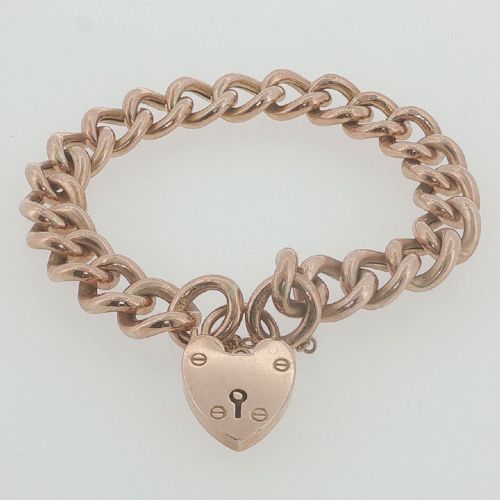
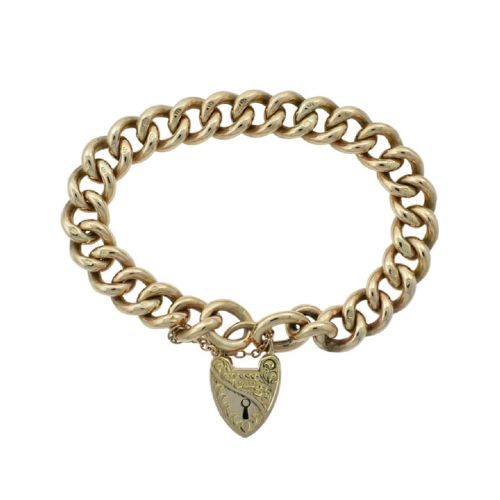
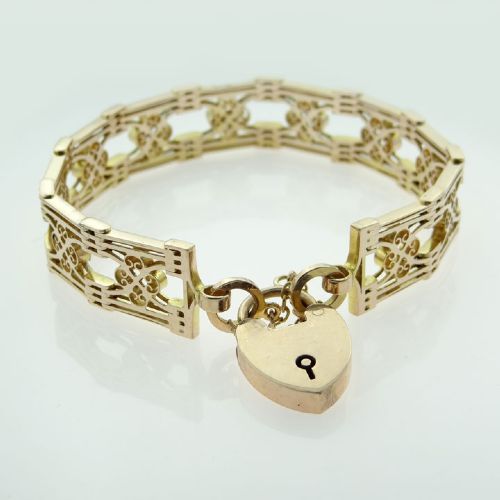
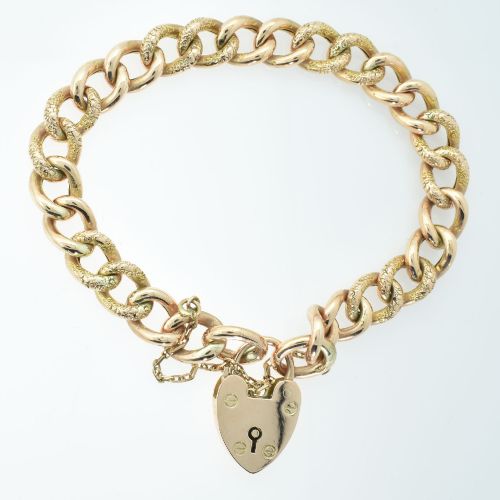
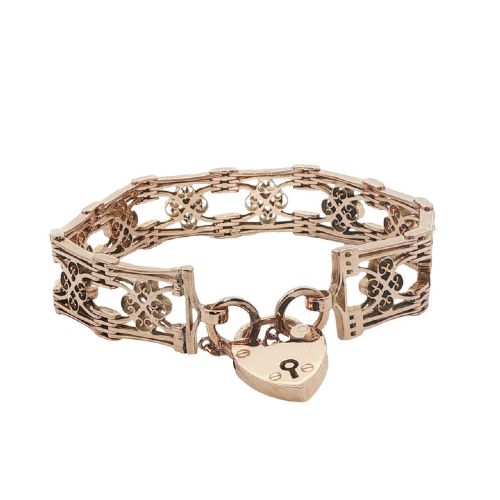
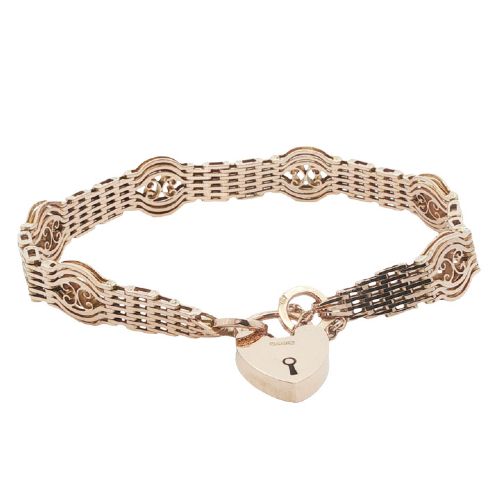
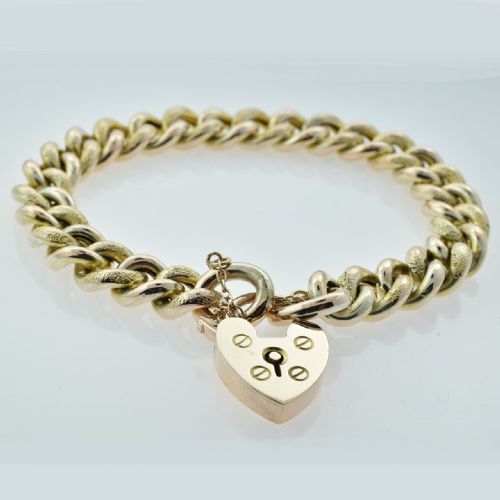
A 9ct gold heart padlock combines sentimental Victorian security with functional charm, most frequently found attached to curb link and gate bracelets.
9ct Gold Heart Padlock
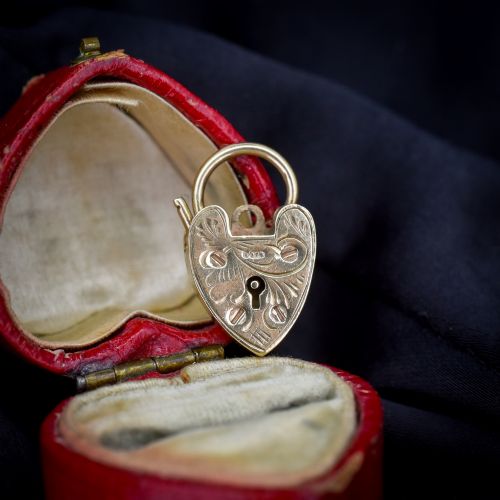
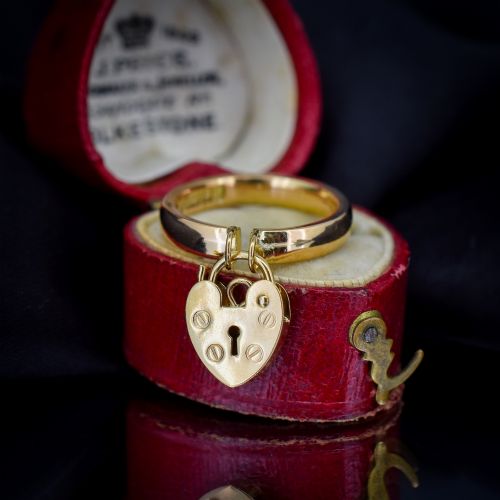
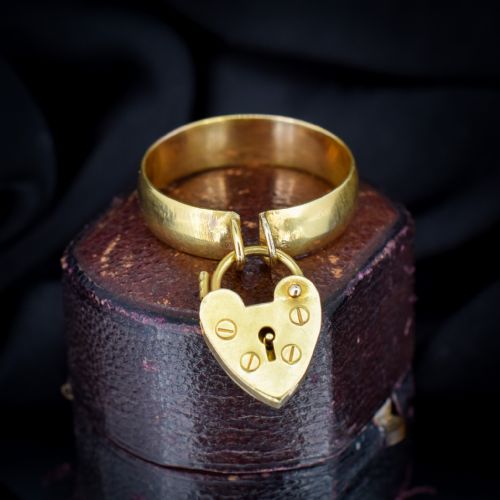
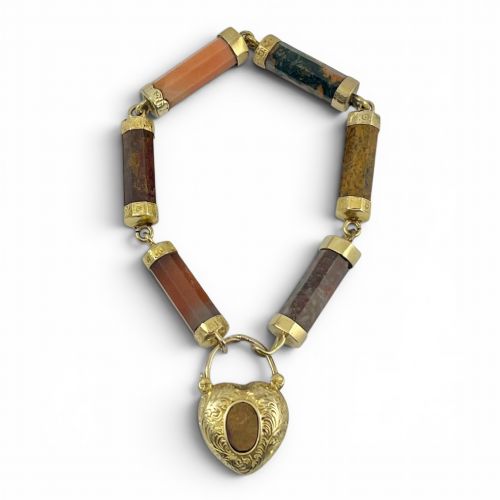
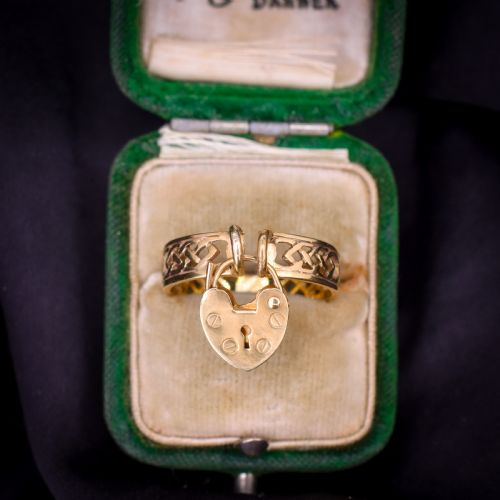
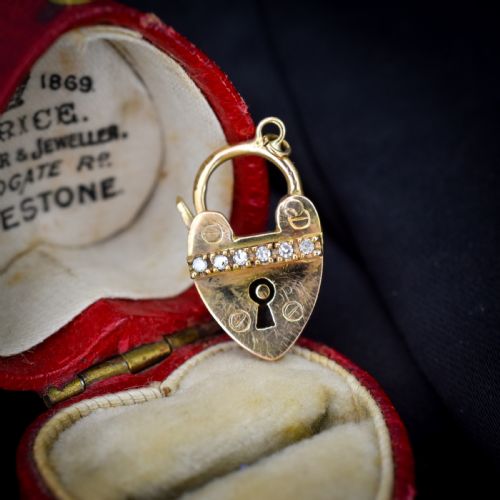
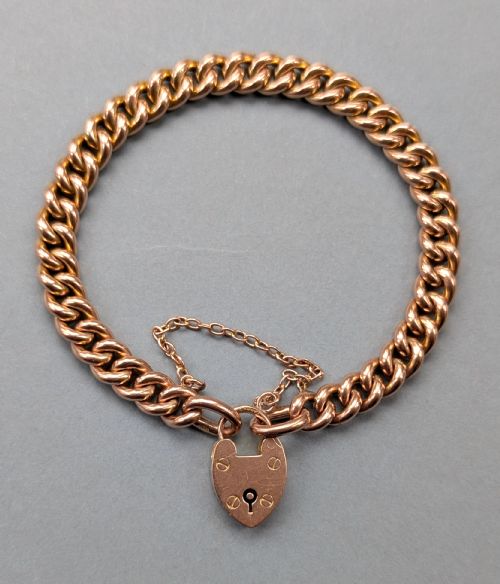
When you search for a 9ct gold heart padlock, you encounter functional clasps primarily designed to secure heavy link charm bracelets and gate bracelets during the Victorian and Edwardian eras. These pieces also appear as standalone charm pendants or drop ring variations.
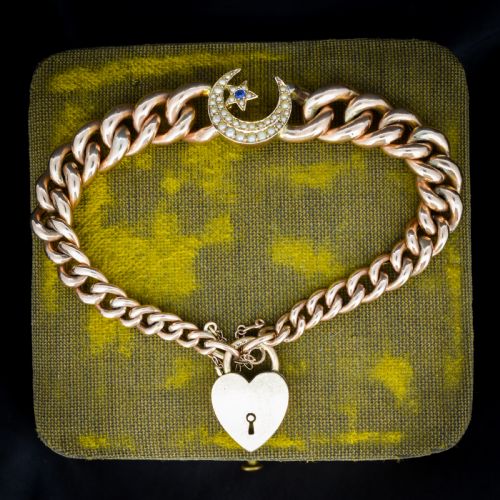
The version you are most likely to meet on this page is a 9ct rose gold or yellow gold padlock attached to a curb chain bracelet, often dating from around 1900. Many examples retain intricate hand-engraved scrollwork across the front surface, alongside British hallmarks confirming their assay office origin.
How they were made
The construction relies on 9ct gold alloys, predominantly rose and yellow gold, shaped into hollow or solid padlock bodies and paired with sprung steel internal tongues for the snap closure mechanism. Artisans utilised hand-engraving tools to incise foliate scrolls, scrollwork, and occasionally inscriptions onto the outward-facing shield.
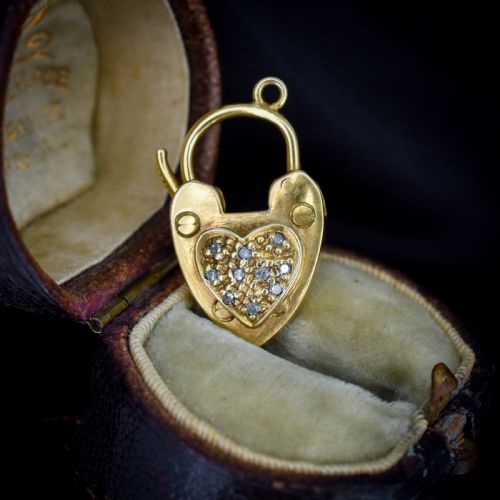
Gemstones such as seed pearls, amethysts, rubies, sapphires, opals, and diamonds were flush-set or collet-set into the gold surface of specific padlocks or integrated bracelets. Hallmarking stamps were then applied using metal punches to indicate the gold standard and the assay town.
Some antique padlocks open up like miniature purses to hold secrets.
What varies in quality
The calibre of a 9ct gold heart padlock depends heavily on whether the body is solid or hollow, alongside the crispness and depth of any hand-engraving. Heavier gauges of gold and robust internal springs distinguish superior examples intended for daily wear.
The inclusion of flush-set gemstones like pearls, amethysts, or diamonds elevates the decorative ambition of the piece. Preservation of the original maker marks and legible date letter hallmarks further separates standard production items from fully documented examples.
W H Wilmot
The 9ct Gold Heart Padlock Glossary
- Curb link
- A type of chain formed of oval links that are twisted and flattened so they lie uniformly flat. This link style forms the foundation of the majority of charm bracelets carrying heart padlocks.
- Gate bracelet
- A wide bracelet constructed from parallel vertical bars connected by small links, mimicking a traditional country gate. These frequently feature a heart padlock acting as the primary clasp.
- Assay mark
- An official stamp struck into precious metal to certify its purity. British pieces commonly display marks indicating the nine-carat gold standard alongside town and date symbols.
- Mizpahi
- A Hebrew term signifying an emotional bond between people who are separated. Jewellery bearing this inscription often incorporates a heart padlock symbolising attachment.
9ct Gold Heart Padlock: Frequently Asked Questions
What is a 9ct gold heart padlock?
A 9ct gold heart padlock is a small, functional clasp shaped like a heart, utilised primarily on antique charm and gate bracelets during the late nineteenth and early twentieth centuries.
These items functioned both as secure fastenings and as sentimental tokens, frequently decorated with hand-engraved patterns or set with small gemstones.
How do you open a heart padlock?
Most antique heart padlocks operate via an internal spring-loaded mechanism controlled by pressing a small protruding nib or pulling a concealed bar.
Unlike modern padlocks, these historical clasps rarely required keys for everyday use, relying instead on the tension of the internal steel tongue.
How do you date a heart padlock bracelet?
Dating these pieces relies on examining the stamped hallmarks on the gold, which record the specific assay office and a date letter corresponding to the year of manufacture.
Stylistic indicators, such as the transition from heavy Victorian rose gold curb chains to Edwardian fancy gate links, also help narrow down the period of production.
Can you wear a heart padlock as a pendant?
Many heart padlocks detach easily from their original bracelets and slide onto chains to serve as standalone pendants or charms.
This versatility reflects their historical use, as makers frequently produced them to interchange between neckchains and charm bracelets.