

9ct Gold Diamond
When you search for 9ct gold diamond jewellery, you encounter rings, brooches, necklaces and earrings spanning from the Victorian period to the 1960s.
9ct Gold Diamond
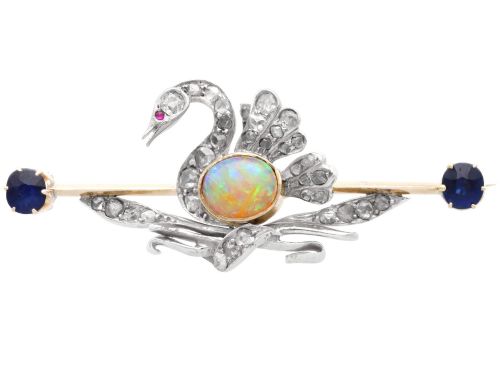
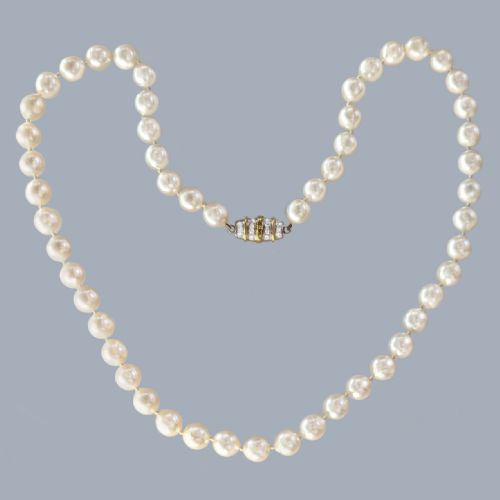
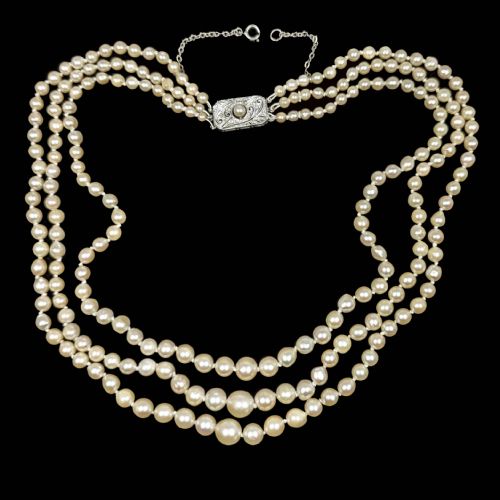
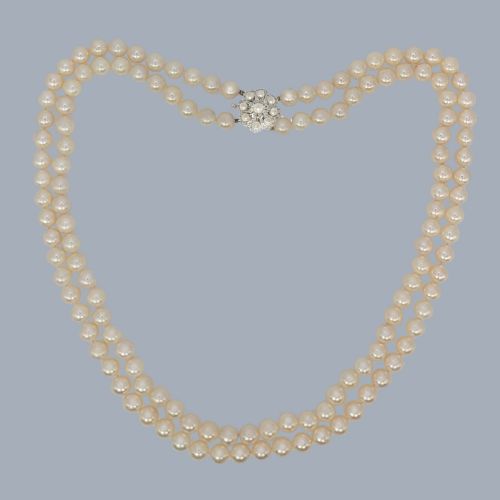
Items designated as 9ct gold diamond encompass a broad array of decorative adornments produced across several decades. The selection includes Edwardian brooches, mid-century cluster rings, and pearl necklaces secured with diamond-set 9ct gold clasps.
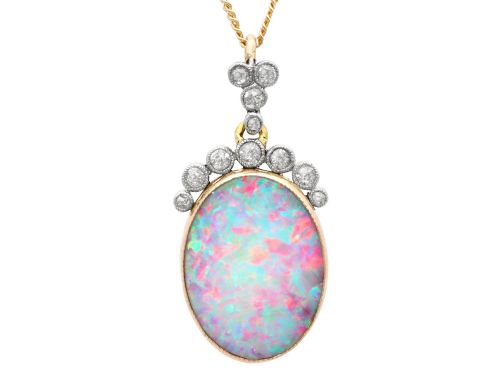
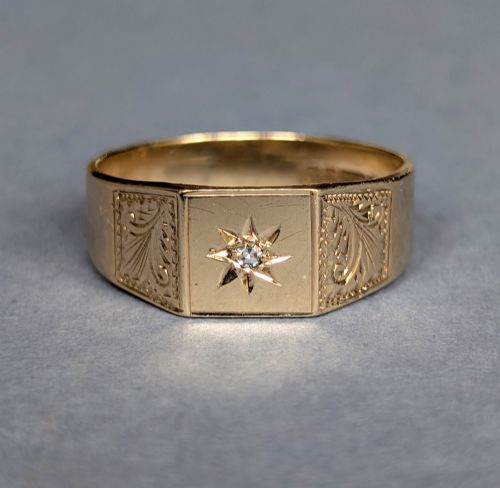
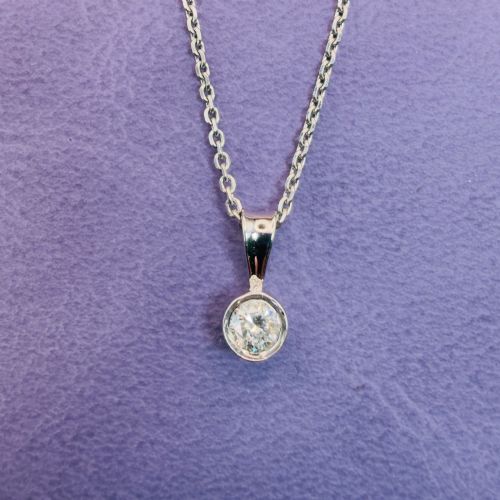
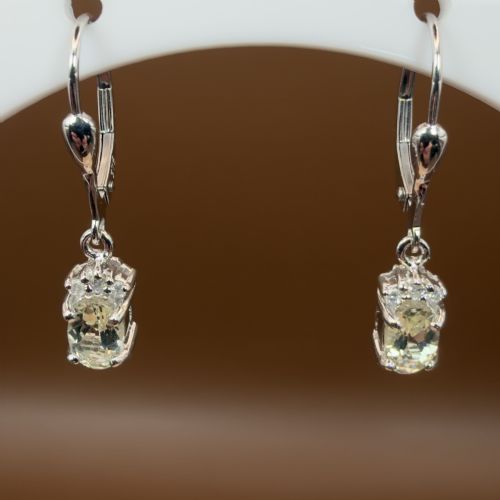
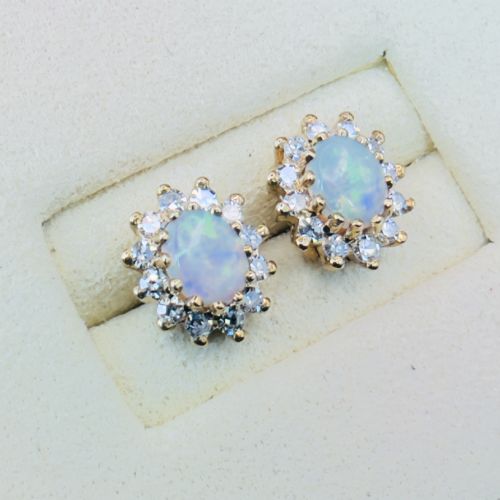
Buyers frequently encounter cluster earrings, pendant necklaces, and signet rings fabricated from 9ct yellow, white, or rose gold. These pieces combine diamonds with coloured gemstones such as rubies, sapphires, opals, and emeralds.
The objects stem from distinct periods ranging from the late nineteenth century through to the 1960s. Victorian and Edwardian examples sit alongside vintage items from the 1950s and 1960s.
Materials and construction
Items utilise 9ct gold in yellow, white, and rose colourways as the primary metal substrate. This alloy provides a durable setting for diamonds and associated gemstones in rings, brooches, and clasps.
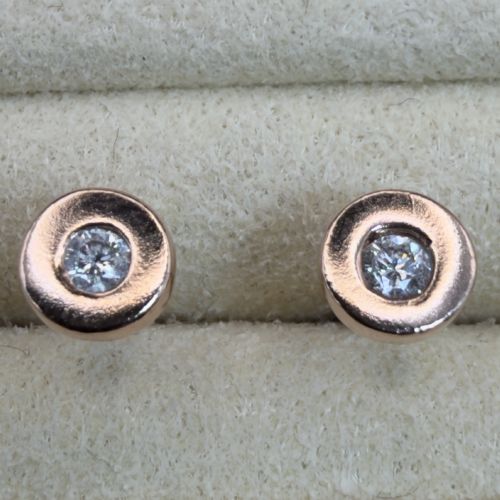
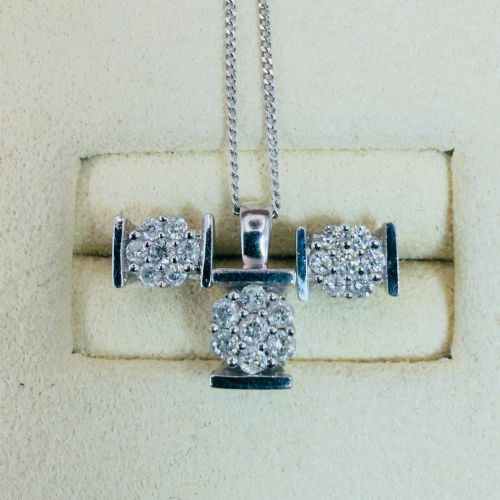
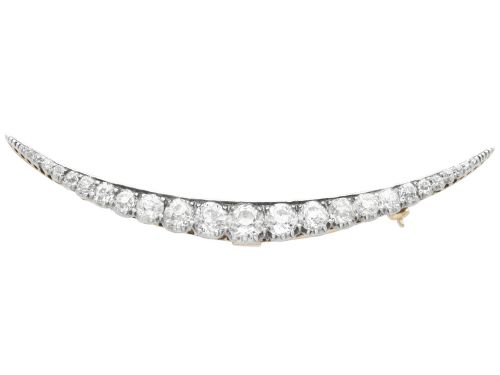
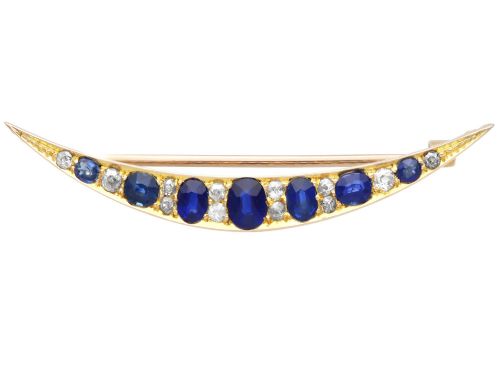
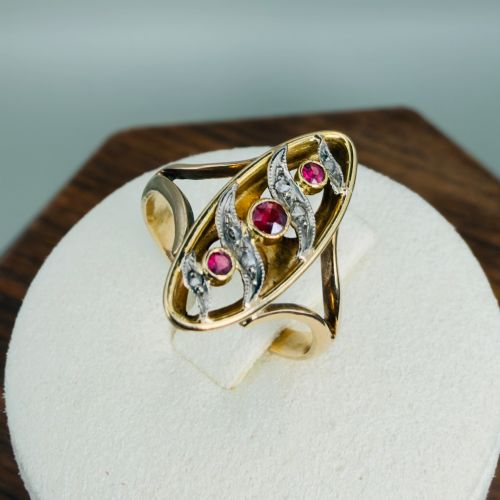
Constructive techniques involve bezel settings, cluster arrangements, and pavé placement to secure diamonds alongside rubies, sapphires, and pearls. Goldsmiths integrate these stones into structural forms such as crescent brooches, wishbone rings, and drop earrings.
9ct Gold Diamond Retail Price Guide 2026
Typical asking prices for 9ct gold diamond among the pieces listed under this phrase on Sellingantiques today, from the lower quarter to the upper quarter. They describe what is for sale here now, not the wider market.
Among the feathered and winged menagerie, an Edwardian chick emerges beside a lucky wishbone, keeping company with a gold swan and a bicycle.
Variations in quality
Distinctions in quality arise from the proportion and carat weight of the diamonds relative to the supporting 9ct gold structure. Pieces featuring substantial stone weight and complex gemstone combinations diverge from simpler solitaire designs.
The precision of stone setting and the integration of secondary gems like natural opals, sapphires, or rubies influence the character of each piece. Maker attribution, such as signed items, also distinguishes certain examples from standard production.
Cartier
The 9ct Gold Diamond Glossary
- 9ct gold
- An alloy containing 37.5 percent pure gold mixed with base metals, providing durability for jewellery mounts. This material appears frequently in rings, brooches, and necklace clasps across multiple eras.
- Solitaire
- A mounting style featuring a single central gemstone, commonly a diamond. This configuration appears in pendant necklaces and rings.
- Cluster
- An arrangement where a central stone is surrounded by a ring of smaller gemstones. This technique is utilised in earrings, rings, and brooches to maximise visual impact.
- Bezel setting
- A method of holding a gemstone in place with a thin metal rim that wraps around the stone's girdle. This technique secures the gem while presenting a smooth profile.
- Navette
- A boat-shaped or marquise gemstone setting that tapers to points at both ends. This silhouette is found in period rings and brooches.
9ct Gold Diamond: Frequently Asked Questions
What periods do these pieces represent?
The available items span from the late Victorian and Edwardian eras, through the Art Deco period, into the mid-century decades of the 1950s and 1960s.
This chronological range introduces diverse stylistic elements, from intricate Edwardian novelty brooches to clean mid-century solitaire pendants.
How should pearl necklaces with these clasps be worn?
Pearl necklaces featuring 9ct gold diamond clasps function as traditional neckwear, often constructed in single, double, or triple strands. The clasp is typically positioned at the back or rotated to serve as a decorative focal point.
These strands integrate cultured pearls secured by gemstone-set gold mechanisms.
What gold colours are available?
Jewellery pieces utilise 9ct yellow gold, 9ct white gold, and 9ct rose gold variants. The choice of gold colour often aligns with the period of manufacture, such as white gold utilised in mid-century designs.
Different hues alter the visual contrast between the metal setting and the embedded diamonds and coloured gemstones.
How do cluster rings differ from solitaires?
Cluster rings group multiple diamonds or combine diamonds with stones like emeralds, rubies, or opals into a single focal design. Solitaire rings feature one isolated diamond as the sole decorative element.
This structural difference changes the overall surface area and gemstone weight of the ring.