
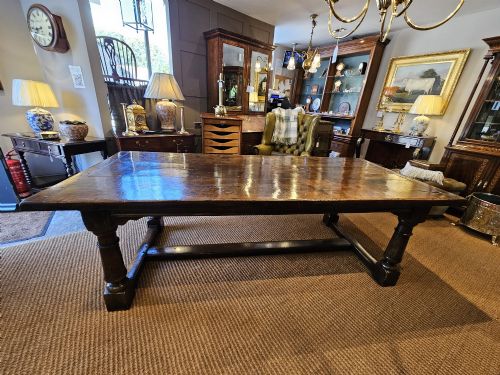
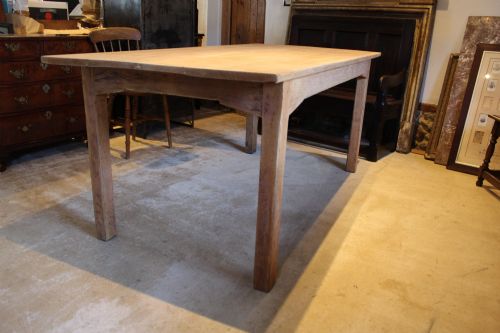

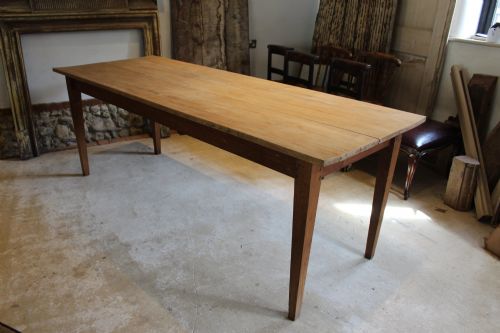


8 Seater Oak Dining Table
An 8 seater oak dining table offers generous proportions for gatherings, uniting robust domestic timber with enduring historic styles.
8 Seater Oak Dining Table
An 8 seater oak dining table provides substantial surface area designed to accommodate larger groups for meals and daily domestic life. Buyers exploring this category will discover long refectory formats, substantial gateleg drop-leaf designs, and functional extending tables.
The selections span centuries of woodworking traditions, drawing heavily from Georgian, Victorian, and Edwardian eras, alongside revivalist interpretations. Rustic farmhouse aesthetics and Arts and Crafts influences appear frequently across the available inventory.
Originating predominantly from British and French workshops, these pieces prioritize utility alongside decorative presence. Solid timber construction ensures permanence, making these tables the anchor of a traditional or country dining space.
How they were made
Makers relied on solid oak and heavy timber frames to support the extensive spans required for seating multiple guests. Joints were traditionally pegged or mortised, providing the rigid stability necessary for daily domestic service.
Surfaces frequently display natural wax finishes or scrubbed oak treatments that highlight the dense grain patterns of the wood. Iron hinges, bobbin turned legs, and carved supports provide structural reinforcement and decorative detail.
Some antique tables survived centuries of family feasts by hiding extra leaves in mysterious wall cupboards.
What varies in quality
The refinement of carved detailing on legs, aprons, and high-back chairs distinguishes high-end examples from utilitarian kitchen furniture. Tables showcasing golden oak tones and well-figured grain patterns command particular attention.
Structural integrity depends on the original timber density and the precision of the joinery during construction. Pieces retaining untouched historic patination and original gateleg or extending mechanisms represent superior craftsmanship.
The 8 Seater Oak Dining Table Glossary
- Refectory table
- A long, narrow dining table traditionally used in communal halls and adapted for domestic dining. These forms usually feature substantial trestle or four-leg bases connected by stretchers.
- Gateleg table
- A drop-leaf table with hinged flaps supported by swing-out legs that resemble a swinging gate. This design allows the table to expand significantly when needed.
- Scrubbed oak
- A timber surface treatment achieved through repeated washing and scouring, leaving a pale, clean texture. This finish is typical of utilitarian farmhouse tables.
- Draw leaf table
- An extending table featuring nested leaves stored beneath the main top that pull out to lengthen the surface. This mechanism provides flexible seating capacity.
- Bobbin turned
- A style of furniture leg or stretcher shaped by a lathe into a series of rounded, spool-like spheres. It appears frequently on seventeenth-century and revival pieces.
8 Seater Oak Dining Table: Frequently Asked Questions
How do I measure for an 8 seater oak dining table?
Consider both the length of the table and the clearance needed for chairs and guests to sit comfortably. Allow ample empty space around the perimeter of the room for movement.
Refectory and gateleg configurations have different footprints when fully open, so verify the dimensions with leaves extended.
Are these tables suitable for daily family use?
Solid oak construction provides exceptional durability, making these tables well suited to heavy daily use. Historic surfaces develop a rich patina over decades of service.
Routine maintenance involves simple cleaning and occasional waxing to protect the timber grain from moisture.
What is the difference between refectory and gateleg styles?
Refectory tables feature fixed, elongated tops supported by permanent legs and low stretchers. They remain a constant size within the dining space.
Gateleg tables incorporate drop leaves supported by pivoting legs, allowing the overall footprint to contract when fewer seats are required.
How do I identify the period of an oak dining table?
Examine the construction methods, tool marks on the underside, and stylistic motifs such as Jacobean revival turning or Victorian carving. Hardware styles also offer clues to the date of manufacture.
Comparing the timber patination and joinery details helps distinguish genuine period pieces from later revivals.