
20th Century Oak Cupboard
When you search for a 20th century oak cupboard, you are looking for practical domestic storage built from sturdy timber during a time of shifting design revivals.
20th Century Oak Cupboard
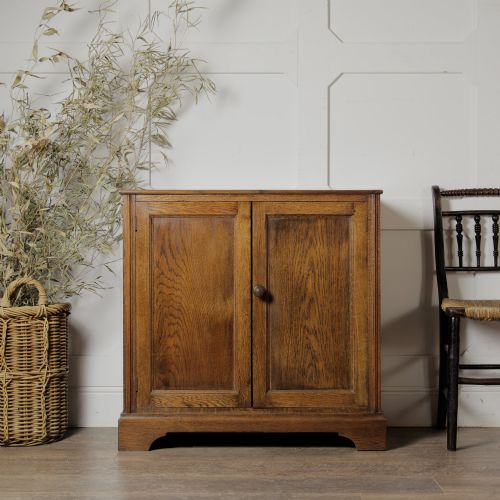
A 20th century oak cupboard encompasses a variety of practical storage forms, most frequently appearing from the Edwardian period onwards in styles that reference earlier historical eras.
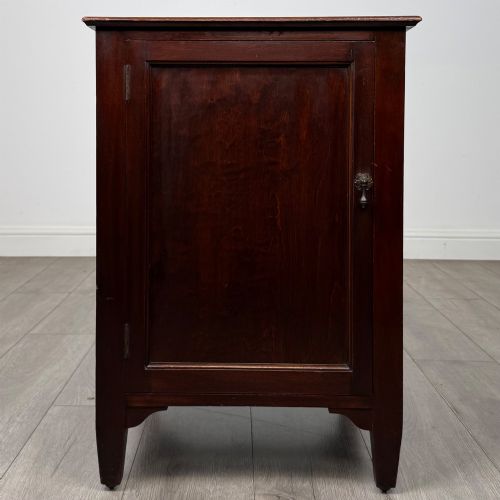
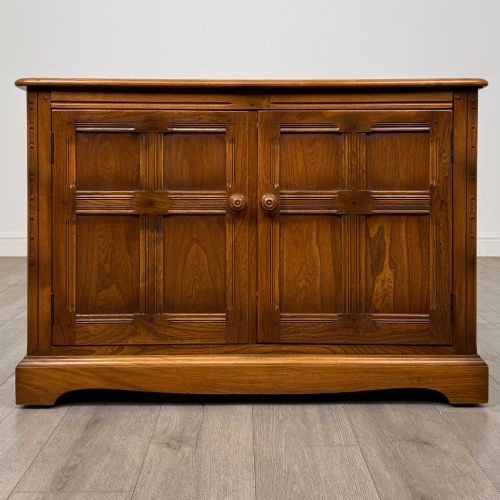
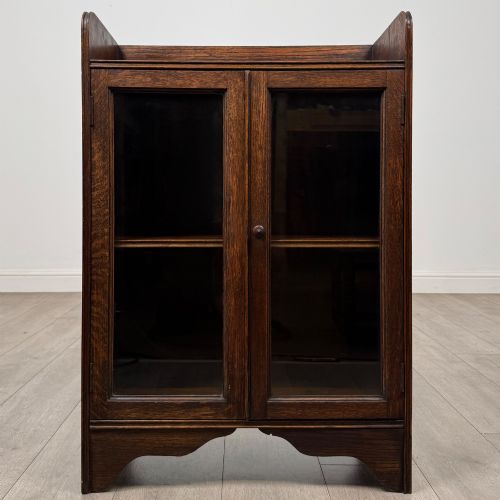
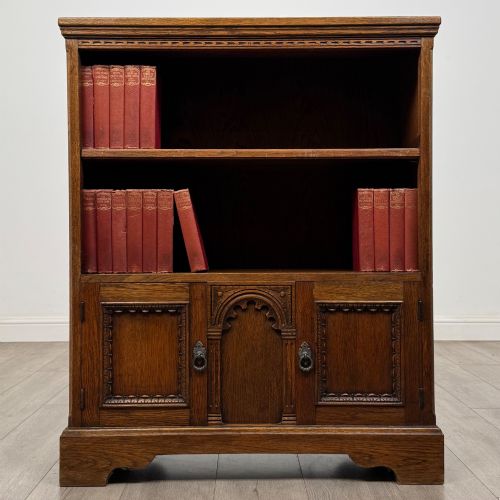
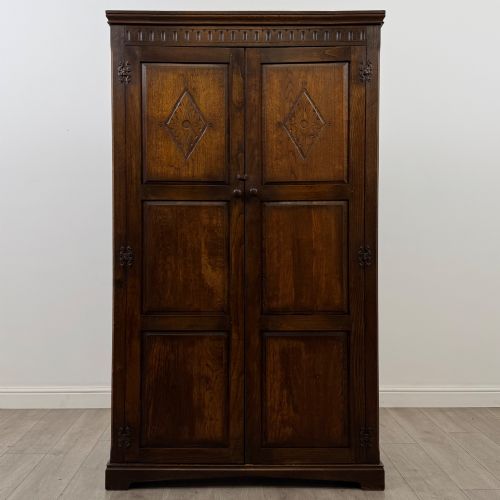
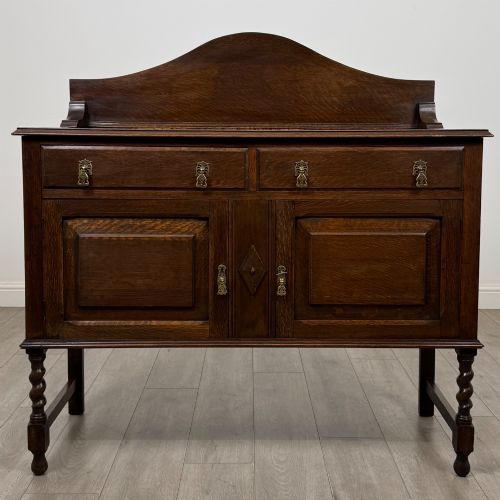
The selection ranges from tall wardrobes and sideboards to glazed display cabinets, fitted cupboards, and corner units designed to utilise domestic space efficiently.
Edwardian and 1920s examples dominate the available pieces, bringing solid timber construction into domestic interiors through vernacular and revivalist forms.
How They Were Made
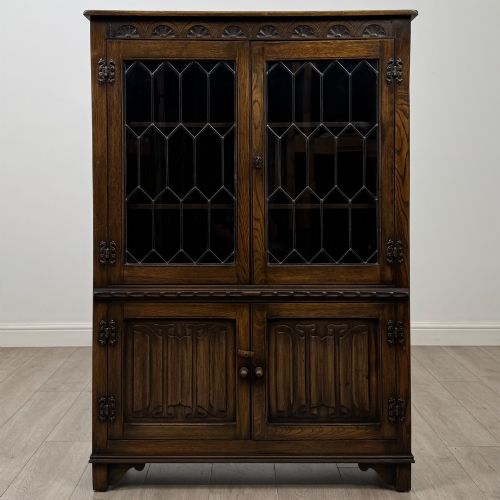
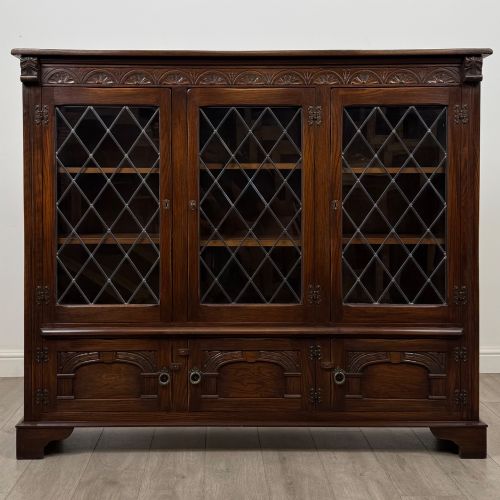
Cabinet makers utilised solid oak alongside golden oak and stained wood, frequently pairing the dense timber with glass panels for display doors.
Metal hardware including brass and iron handles, hinges, and lead details provided functional and decorative accents on both fitted and freestanding pieces.
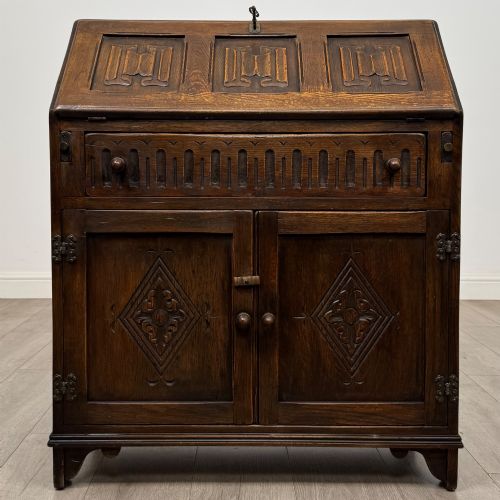
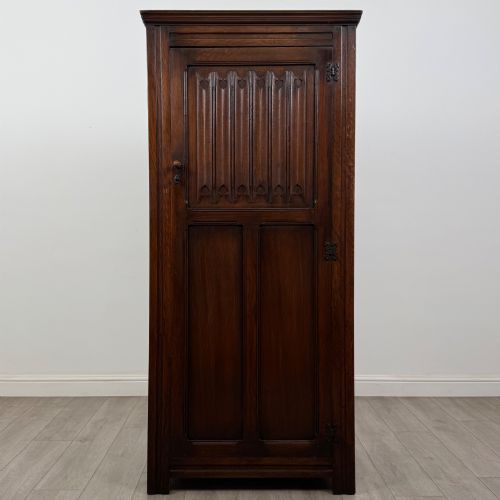
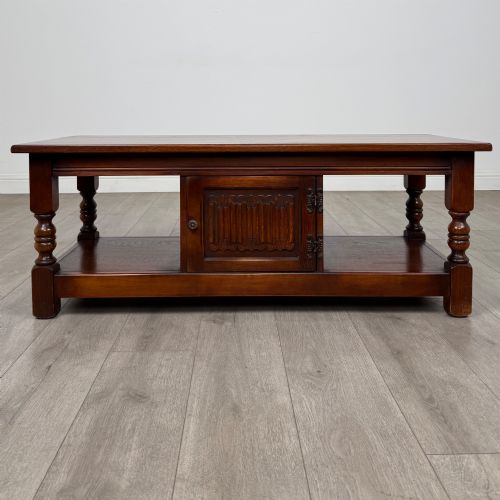
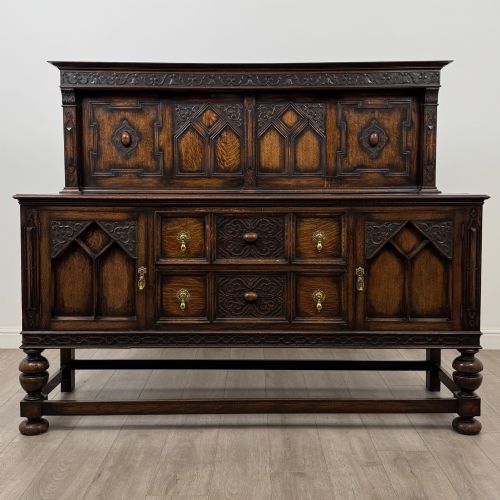
Construction techniques balanced straightforward joinery with decorative carving, linenfold panels, and tambour doors seen in school and library pieces.
Listings span the Edwardian period through the 1950s, incorporating oak, stained wood, golden oak, brass, glass, and iron.
What Varies in Quality
The standard of timber selection and density separates standard utility pieces from finer examples, with burr oak and carefully figured grain marking out superior cabinet work.
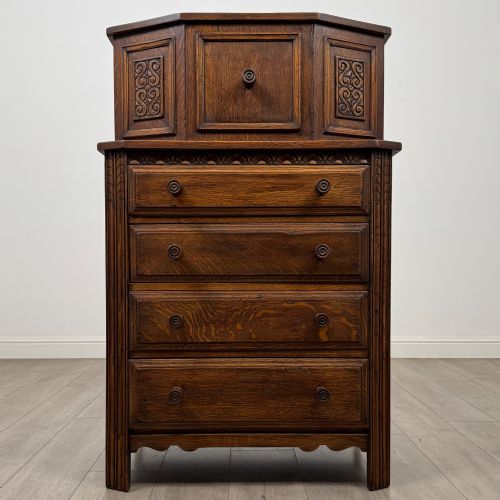
The execution of carving and surface detail indicates the workshop standard, moving from simple machine milling to crisp hand-carved panels and linenfold details.
Hardware quality, from heavy brass hinges to standard iron fittings, reflects the original tier of production and intended domestic setting.
The 20th Century Oak Cupboard Glossary
- Linenfold
- A style of wood carving that mimics folded fabric or linen, frequently seen on panels of Edwardian and revivalist cabinets.
- Court cupboard
- A traditional short sideboard or storage cabinet with enclosed upper and lower sections, often heavily carved in revival styles.
- Tambour door
- A flexible door constructed from narrow slats of wood glued to a canvas backing, allowing it to slide smoothly around a curved track.
- Golden oak
- A bright, warm finish applied to oak furniture that gained popularity during the Edwardian era to highlight the natural grain.
- Jacobean style
- A revivalist design approach borrowing heavy proportions, geometric mouldings, and sombre carved motifs from the seventeenth century.
20th Century Oak Cupboard: Frequently Asked Questions
What rooms suit a 20th century oak cupboard?
These robust storage pieces fit naturally into hallways, dining rooms, and studies where durable surfaces and enclosed shelving are required.
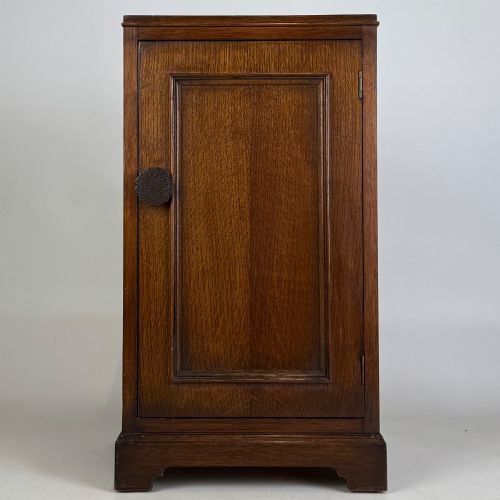
Smaller corner cabinets and bedside versions adapt easily to tighter layouts without dominating the floor space.
How do I identify an Edwardian oak cupboard?
Edwardian pieces often display characteristic revivalist details such as linenfold carving, brass handles, and warm golden oak finishes.
Construction from this era frequently prioritises domestic utility, bridging traditional joinery with early twentieth-century domestic requirements.
Are glazed display cabinets practical for daily use?
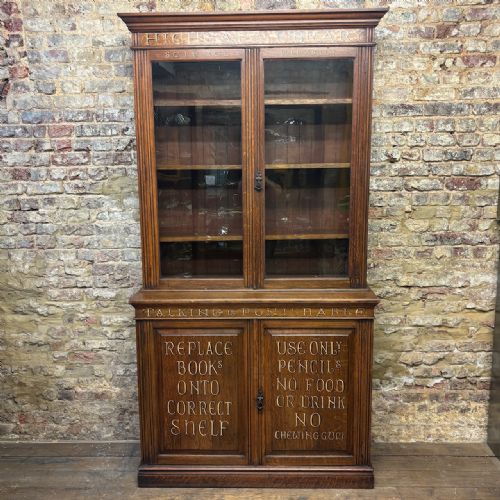
Glazed doors allow books, crockery, and collections to be displayed while remaining protected from household dust.
Many of these cabinets incorporate lower wooden storage cupboards to conceal bulkier items out of sight.
How does Jacobean style differ from Arts and Crafts?
Jacobean style relies on heavy carved ornamentation, dark stained wood, and geometric panels emulating seventeenth-century motifs.
Arts and Crafts pieces tend to emphasise honest construction, exposed grain, and minimal decoration that highlights the natural qualities of the oak.