






20th Century Column Lamps
These 20th century column lamps bring architectural height and classical proportion to a room, offering both focused task light and sculptural presence.
20th Century Column Lamps
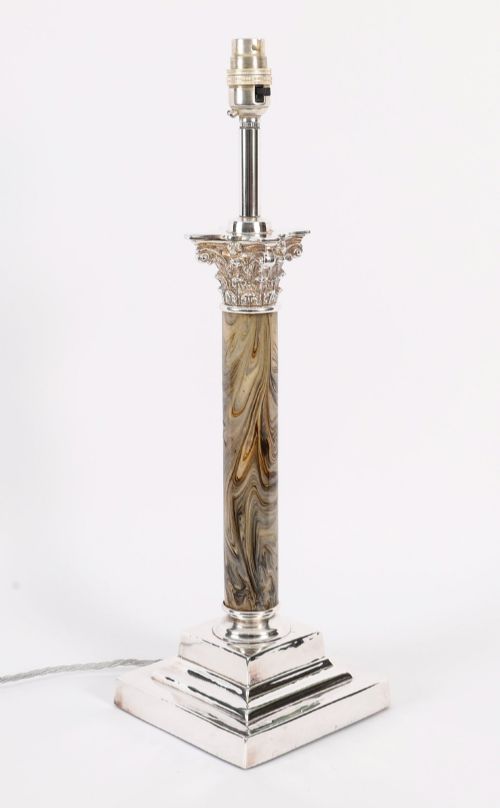
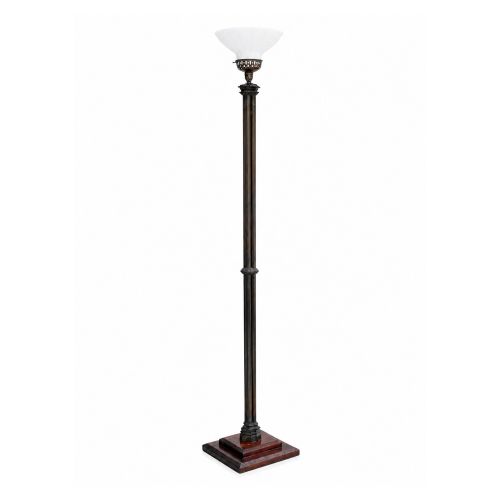
When you search for 20th century column lamps, you encounter vertical light fittings modelled after classical architectural orders, often taking the form of Corinthian or plain cylindrical shafts. These pieces originate from the Edwardian period through to the 1930s, encompassing table lamps and taller standard floor versions designed to anchor a corner or sit upon a side table.
How they were made
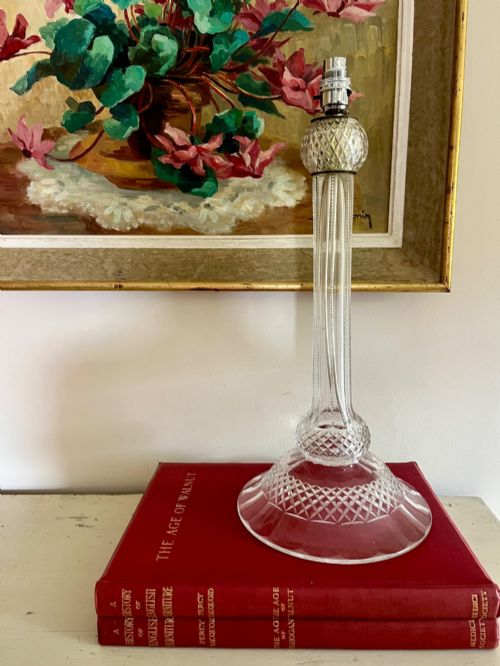
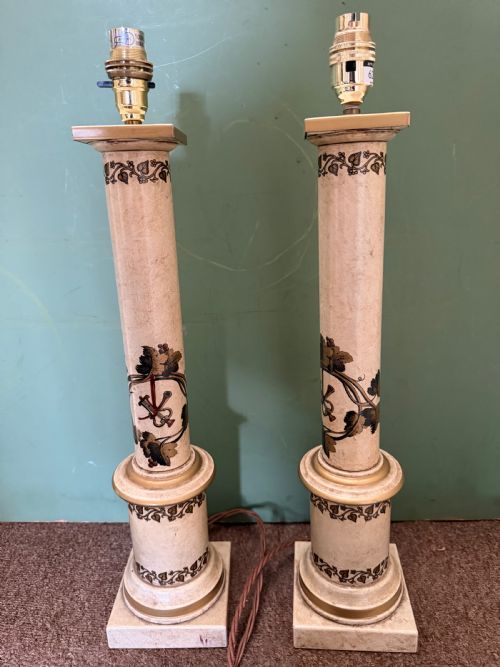
Makers utilised cast and turned metals, primarily brass and silver plate, to construct the structural shafts and stepped pedestals of these lamps, frequently combining them with cut crystal, opaline glass, or marble. Surface decoration relied on patination, gilt detailing, and tole-peinte painting applied directly to metal bodies.
Wiring was integrated into hollow central cores or run externally depending on the period, while shades in silk, fabric, and card completed the construction, balancing the heavy metallic or stone bases above.
Several heavy metal columns conceal surprising domestic origins, having started life as towering sanctuary pricket candlesticks before conversion to electricity.
What varies in quality
Quality in these lamps rests upon the crispness of the casting in the capitals and bases, where sharper acanthus leaves on a Corinthian order distinguish a superior piece from a soft, worn moulding. The weight of the metal and the purity of the crystal or alabaster components also determine the stability and visual depth of the object.
Proportion plays a defining role, as finer examples maintain a harmonious balance between the slender shaft and the weighted foot, avoiding clumsy joints or mismatched replacement components accumulated over decades of use.
The 20th Century Column Lamps Glossary
- Corinthian column
- An architectural order featuring an ornate capital decorated with carved acanthus leaves, frequently replicated on the tops of brass and silver plated lamp shafts.
- Ormolu
- Gilt bronze or brass applied to decorative mounts and fittings, providing a rich, golden finish popular in French and English lighting.
- Opaline glass
- A pale, translucent milk glass used for lamp bodies, diffusing light softly through its milky surface.
- Tole-peinte
- Painted tin or metal sheet work, often seen in decorative lamp bodies finished with hand-applied colour and gilt accents.
- Secessionist
- A stylistic movement rejecting historicism in favour of geometric abstraction and clean lines, visible in certain early metal lamp designs.
20th Century Column Lamps: Frequently Asked Questions
Where should I place a column lamp?
These lamps suit locations where height and vertical emphasis are required, such as on heavy side tables, desks, or flanking a sideboard.
Floor-standing standard versions work well in darker corners of a reception room, casting light upward or downward depending on the shade.
How do I choose between brass and silver plate?
Brass offers a warm, golden metallic tone that develops a deeper patina over time, fitting traditional and industrial interiors alike.
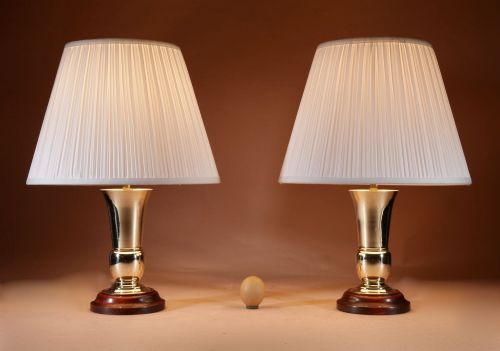
Silver plate provides a brighter, reflective surface with a cooler sheen, suiting more formal spaces or matched pairs intended for symmetry.
How do I identify an Art Deco column lamp?
Art Deco examples generally replace classical acanthus leaves and fluted shafts with stepped geometries, stylised motifs, and combinations of glass and ormolu.
They lean into monumental proportions and streamlined silhouettes distinct from earlier Edwardian revivals.