





20th Century Canvas Painting
Discover an exceptional 20th century canvas painting to bring authentic period atmosphere, varied brushwork and rich oil pigment into your home.
20th Century Canvas Painting
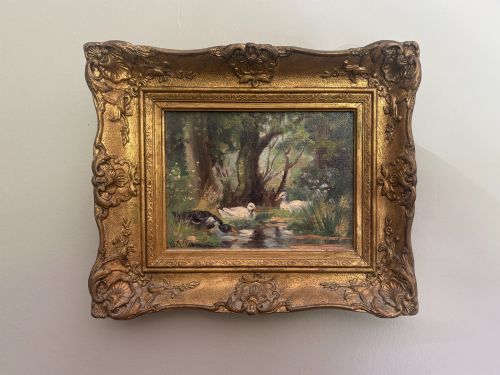
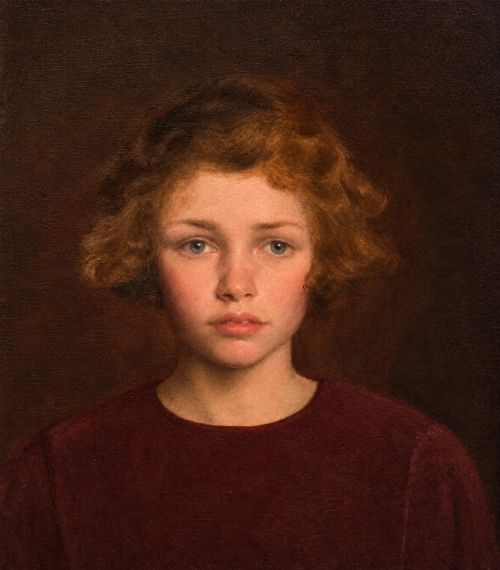
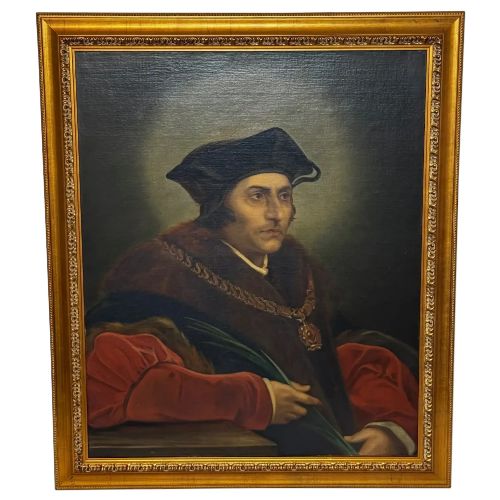
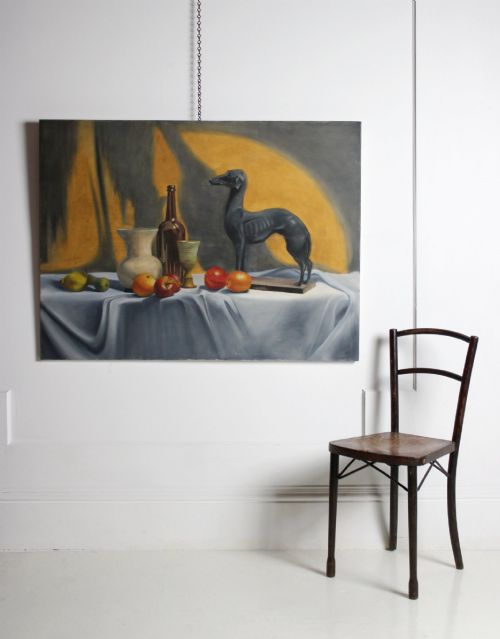
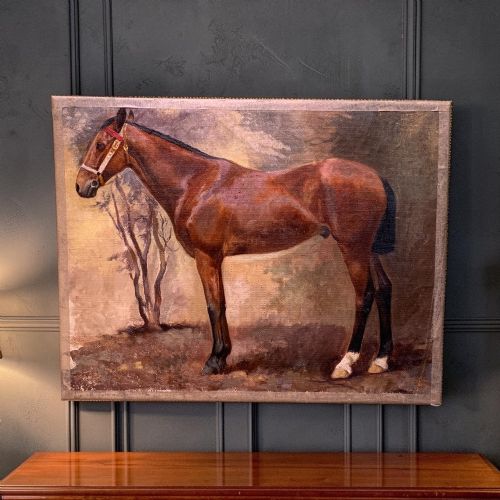
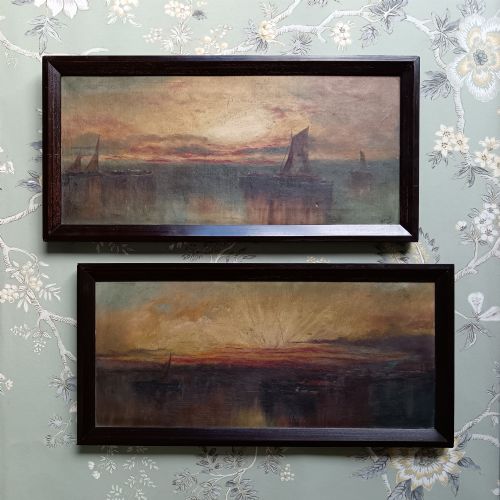
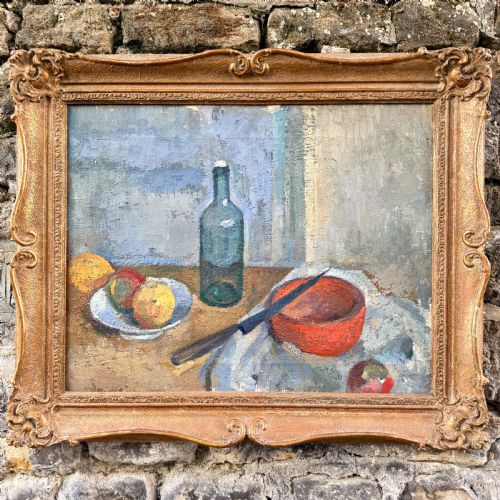
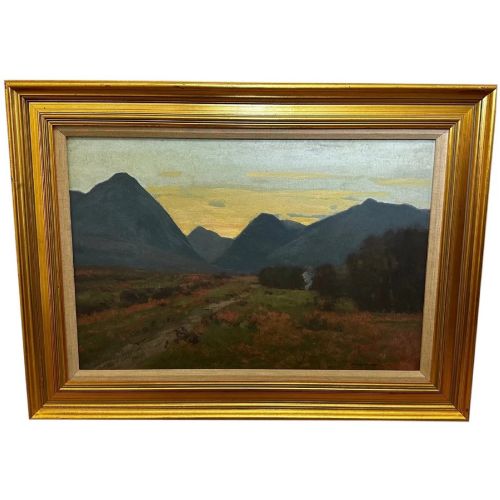
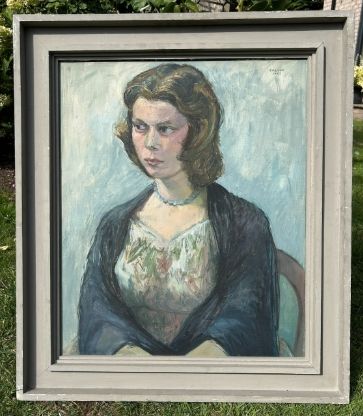
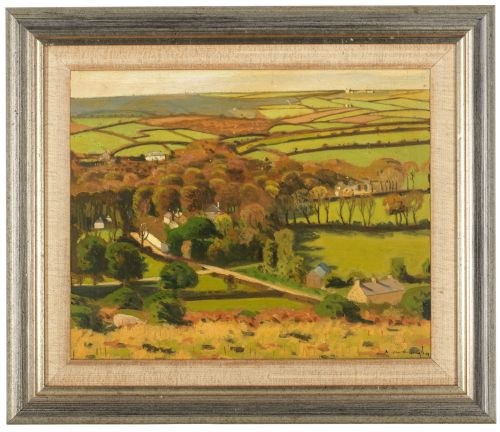
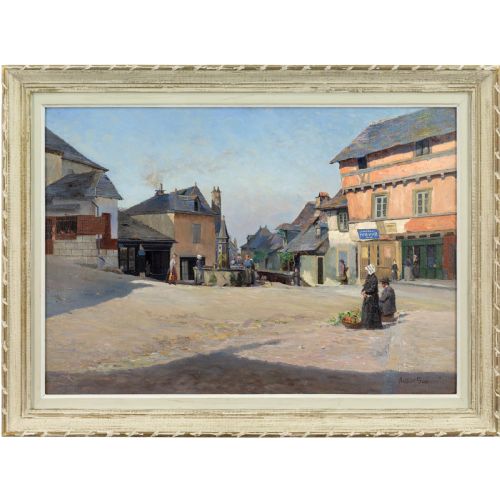
When you search for a 20th century canvas painting, you encounter original artworks spanning Edwardian, Post-Impressionist, and Mid-Century Modern movements. These pieces capture landscapes, maritime scenes, intimate portraits, and still lifes created across British and European studios.
You are most likely to meet works executed on woven fabric stretching over wooden frames or applied to supportive boards. The subjects range from quiet rural vistas and coastal harbours to characterful figure studies and domestic interiors.
The selection reflects diverse aesthetic shifts over decades of artistic output, moving from traditional academic realism towards looser impressionistic interpretations and expressive modern compositions.
How They Were Made
Artists built these compositions primarily using oil paint applied to prepared canvas, occasionally working directly onto wooden board or applying fabric laid onto rigid supports. The physical foundation often involved a wooden stretcher frame that kept the woven textile taut while accepting layers of pigmented oil.
Makers manipulated paint consistency from thin translucent glazes to heavy impasto strokes using bristle brushes and palette knives. Gilt wood frames frequently complemented the finished canvases, adding decorative borders that enhanced the visual depth of the artworks.
Landscapes and portraits dominate the available selection, reflecting both British school traditions and continental European influences.
What Varies in Quality
The distinction between standard works and exceptional examples lies in the confidence of the brushwork and the precision of compositional balance. Superior paintings demonstrate a masterly control of light, atmospheric perspective, and harmonious colour relationships.
Condition and originality also dictate standing, with untouched surfaces retaining original stretchers, stable paint layers, and period frames commanding greater appreciation. The hand of a documented maker or a distinguished school of art elevates the historical significance of the piece.
Kenneth Cozens·George Graham·Eugène-Louis Gillot·George Houston·Robert Morson Hughes·Arthur Gué·Oliver Messel·Brian Shields Braaq·Philip Naviasky·Oliver Hall
The 20th Century Canvas Painting Glossary
- Canvas
- A heavy woven fabric, typically linen or cotton, stretched tightly across a wooden frame to serve as a durable support for oil painting.
- Impasto
- A technique where oil paint is laid thickly on a surface, standing out so that brush or palette knife marks remain visibly tactile.
- Stretcher
- The internal wooden framework that holds a painted textile under tension, allowing the fabric to remain flat and stable over time.
- Gilt frame
- A decorative border coated with fine gold leaf or metallic paint, traditionally designed to complement and protect the perimeter of a fine art painting.
- Provenance
- The documented history of ownership and exhibition associated with an artwork, establishing its authenticity and lineage.
20th Century Canvas Painting: Frequently Asked Questions
How do I clean an old oil painting?
Surface dust can be gently removed with a very soft, dry brush, avoiding any scrubbing or moisture.
For deeper cleaning or varnish removal, consult a professional conservator to prevent damage to the delicate oil layers.
Are these paintings supplied with frames?
Many pieces retain their original or period frames, such as swept gilt mouldings that match the era of creation.
Listing details specify whether an artwork comes framed or unmounted on its stretcher.
How can I date an artwork accurately?
Dates are often found inscribed directly onto the canvas, stretcher, or accompanying artist signatures.
Stylistic elements, material composition, and framing styles also provide strong chronological markers.
What is the difference between canvas and board?
Canvas provides a flexible woven textile surface stretched over wood, offering a traditional give under the brush.
Board provides a rigid, flat wooden or composite support that eliminates fabric sagging.