

20th Century Bronze Sculpture
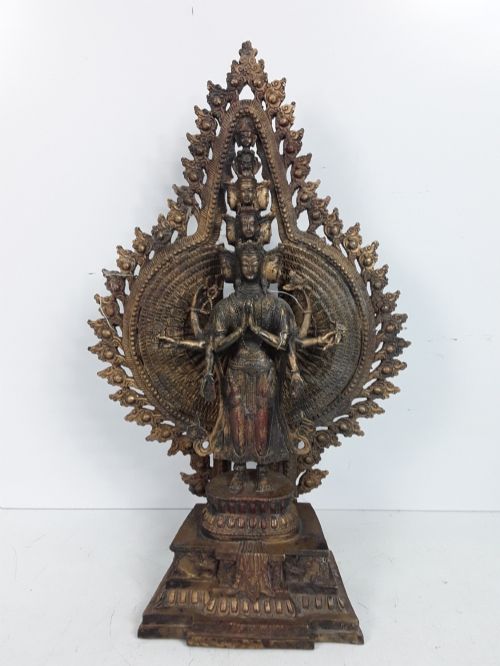
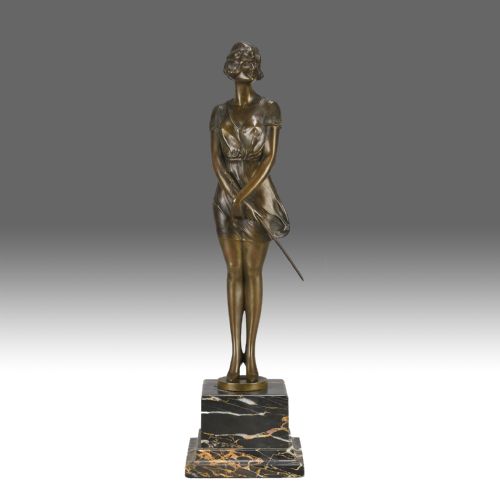
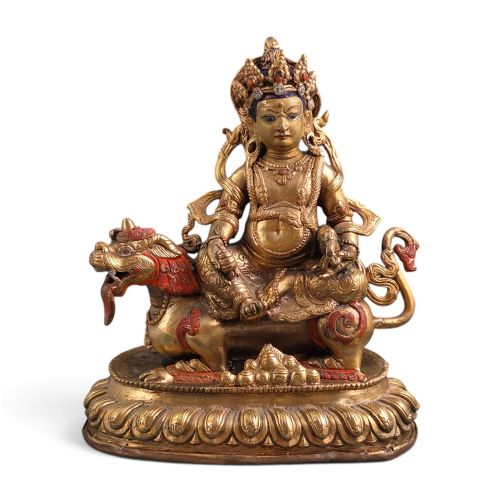
When seeking a 20th century bronze sculpture, collectors find cast metal figures spanning Art Deco dancers, animalier studies and Orientalist works designed for domestic display.

20th Century Bronze Sculpture
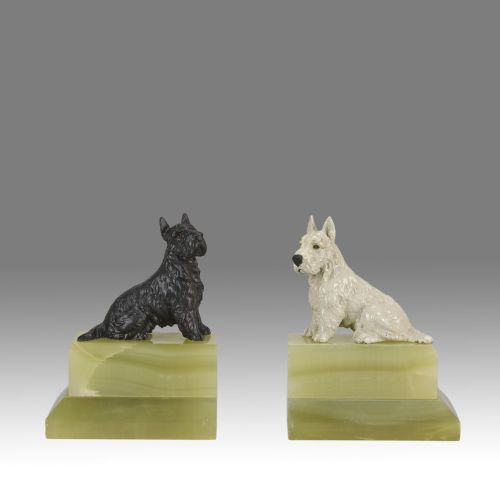
A 20th century bronze sculpture encompasses works produced through metal casting methods, frequently taking the form of animal studies, human figures or functional items such as bookends and table lamps. These pieces reflect diverse aesthetics ranging from neoclassical models to avant-garde designs of the period.
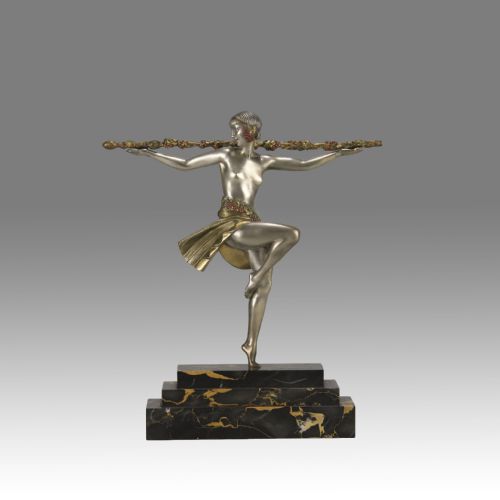
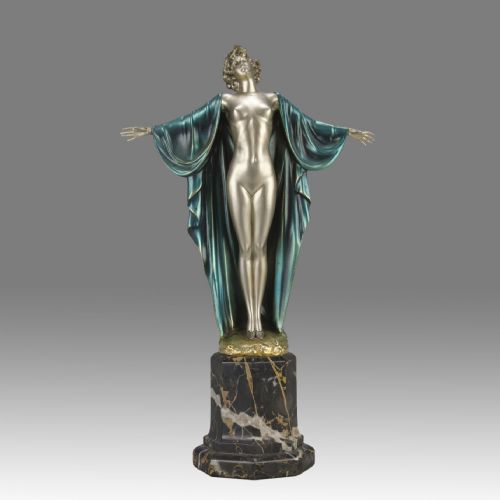
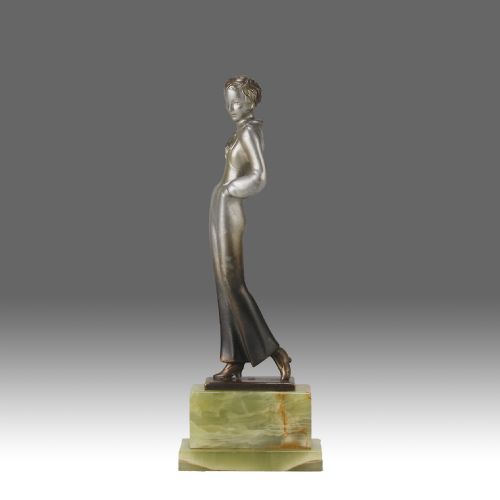
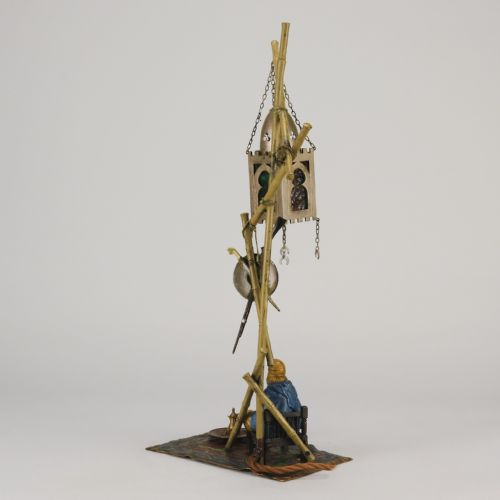
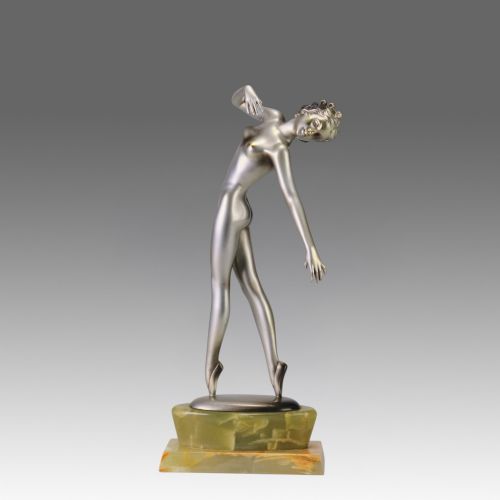
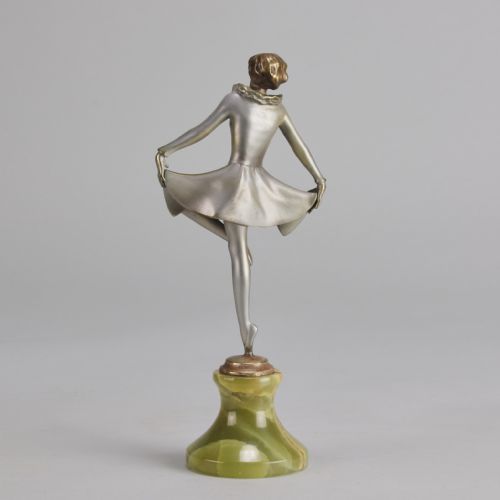
The most common iterations encountered in these listings are cold-painted Vienna bronzes and Art Deco cabinet figures. These smaller works were created to adorn domestic interiors, desks and mantelpieces rather than public galleries.
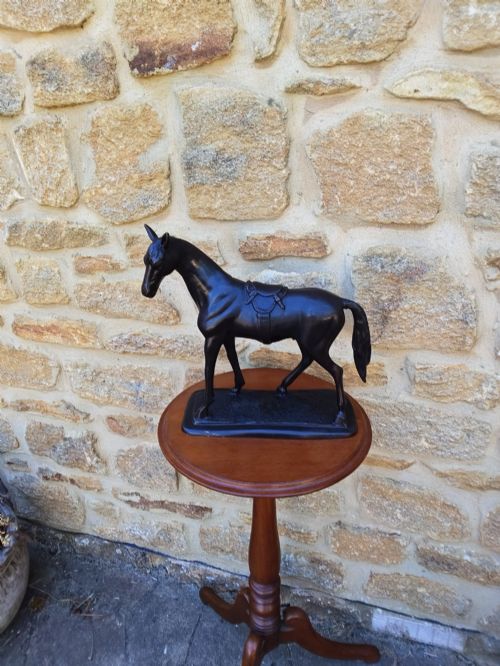
Makers and foundries from Austria, France and beyond produced these sculptures using specific regional traditions. Collectors encounter everything from naturalistic wildlife to stylised human dancers captured in motion.
How they were made
The foundation of these pieces lies in metal casting techniques, primarily utilising bronze alongside auxiliary materials such as marble or onyx bases. Artisans poured molten metal into moulds to capture fine anatomical and textural detail.
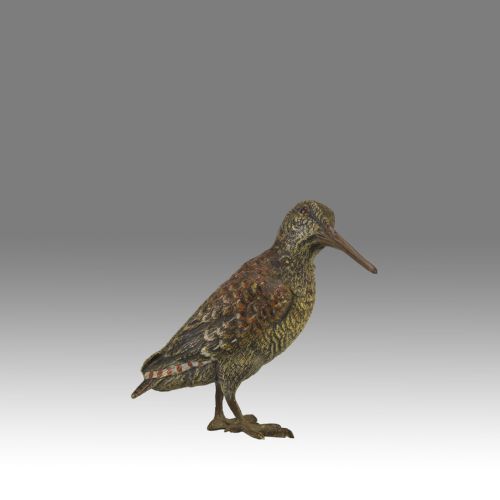
Surface treatment defines many examples through the application of cold paint, enamel or gilding directly onto the metal. Cold-painted surfaces required careful brushwork by specialised decorators to achieve realistic polychrome finishes.
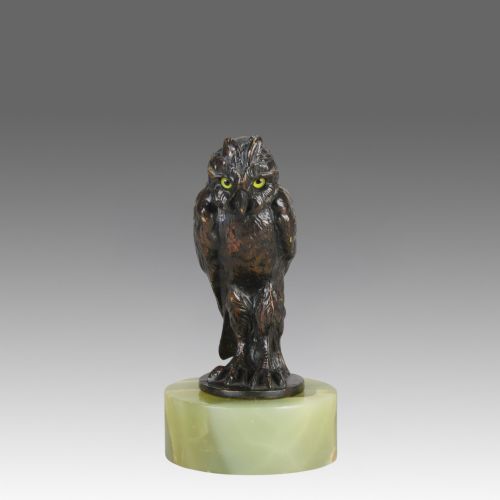
A stoic metal owl wearing spectacles sits ready to keep watch over stray papers.
What varies in quality
The preservation of the original polychrome or cold-painted surface heavily dictates the standing of a piece. Skilled hand-painting that remains intact adds depth and character absent in worn or later repainted surfaces.
Bruno Zach·Franz Bergman·Pierre le Faguays·Ferdinand Preiss·Josef Lorenzl·Hans Müller·Christophe Fratin·Emile Carlier·Alexandre Ouline·Kunio Itô·Demetre Chiparus·Henri Godet·Franz Gruber·Friedrich Goldscheider
The 20th Century Bronze Sculpture Glossary
- Cold-Painted Bronze
- A technique where the bronze sculpture is painted with multiple layers of oil-based cold paint rather than being fired in a kiln. This method allowed for vibrant polychrome finishes popular in Vienna workshops.
- Animalier
- A nineteenth and twentieth century sculptural style focusing on the realistic depiction of animals, particularly in motion or combat. Artists studied anatomy closely to capture authentic postures.
- Vienna Bronze
- Small-scale bronze figures produced by Austrian foundries during the late nineteenth and early twentieth centuries. These pieces are renowned for their humorous, erotic or Orientalist subjects and meticulous cold-painted surfaces.
- Gilt Bronze
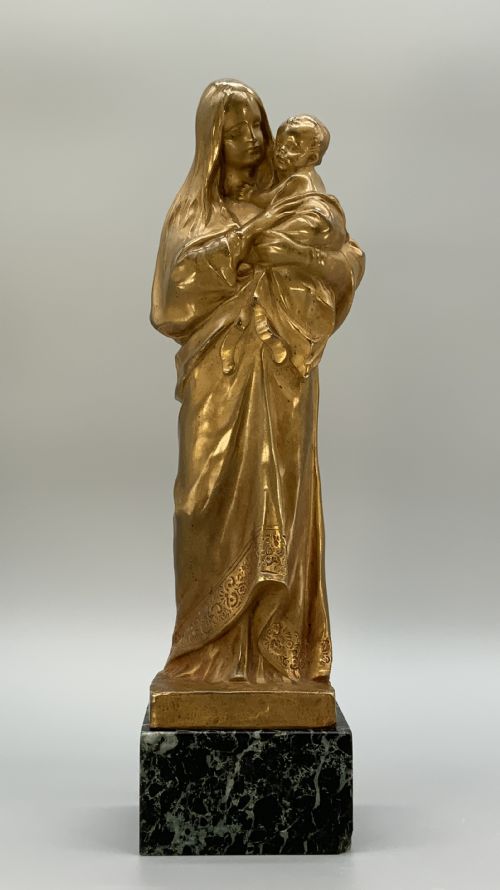
- Metalwork treated with a thin layer of gold applied to the bronze surface to impart a rich metallic sheen. This finish was frequently utilised on decorative busts and classical figures.
- Grand Tour
- Souvenir models of classical antiquities collected by wealthy travellers touring European cultural sites. These bronze replicas brought neoclassical aesthetics into private studies.
20th Century Bronze Sculpture: Frequently Asked Questions
What is a cold-painted bronze?
A cold-painted bronze is a metal sculpture decorated with unheated oil paint applied over a metallic base layer. This method was widely utilised by Austrian foundries to bring vibrant colour to small animal and human figures.
The paint sits on the surface of the metal rather than fusing with it through heat, meaning careful handling is required to preserve the original pigment over decades of display.
Where were Vienna bronzes made?
Vienna bronzes were produced in workshops located in and around Vienna, Austria, during the late nineteenth and early twentieth centuries. These specialist foundries employed skilled artisans to cast and paint whimsical or exotic subjects.
Collectors prize these items for their distinct character, intricate detailing and the diverse range of subjects spanning domestic animals to human figures in regional attire.
How do I identify an Art Deco bronze?
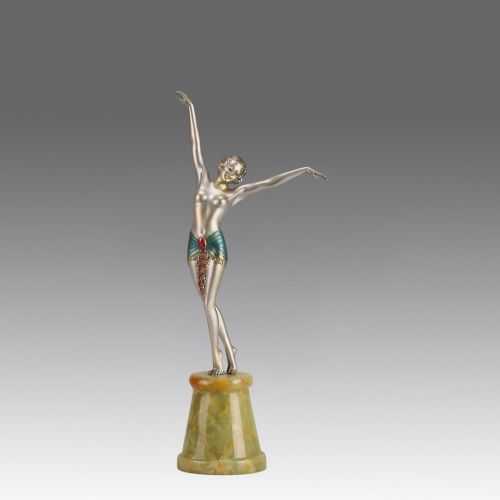
Art Deco bronzes typically feature stylised human forms, clean geometric lines and depictions of dancers or athletes in motion. The aesthetic reflects the modernist impulses of the interwar period.
These sculptures often incorporate contrasting materials such as ivory, marble or onyx bases to enhance the visual impact of the cast metal figure.
What is an animalier sculpture?
An animalier sculpture is a work dedicated to the naturalistic portrayal of animals, capturing creatures in dynamic poses or moments of repose. The genre gained immense popularity across Europe during the nineteenth and twentieth centuries.
Artists focused on anatomical accuracy and behavioral traits, resulting in bronze studies of horses, big cats and birds that feel remarkably lifelike.