


20th Century Brass Stand
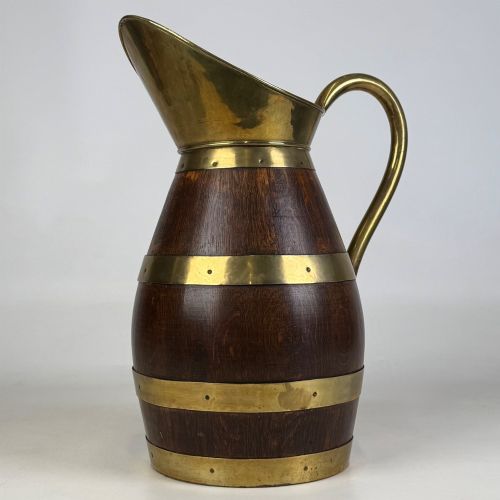
A 20th century brass stand provides functional utility and decorative presence, combining metalwork with forms ranging from umbrella holders to standard lamps.
20th Century Brass Stand
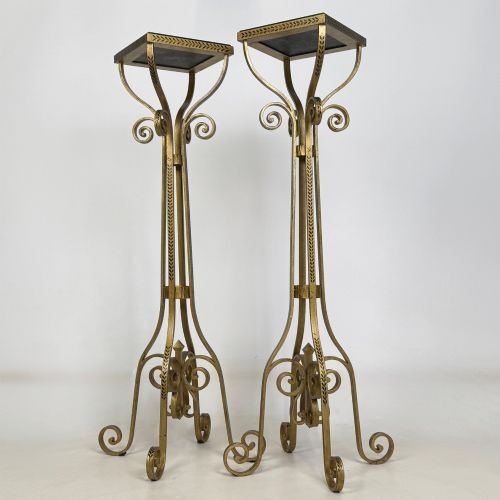
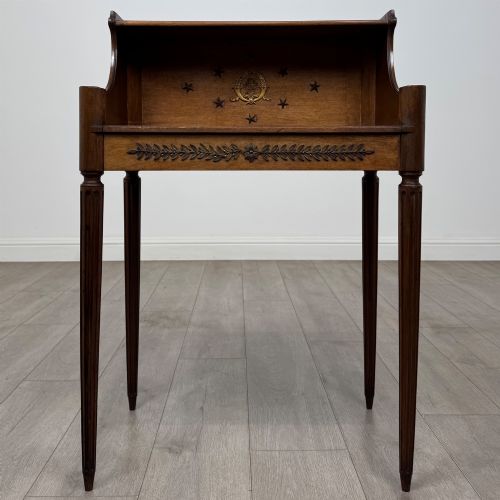
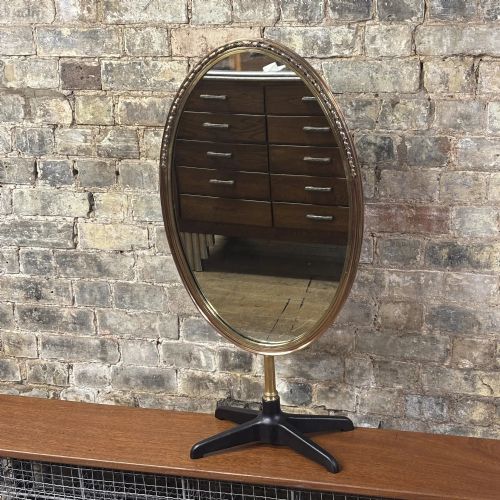
A 20th century brass stand encompasses a diverse group of objects designed for utility and display, spanning umbrella holders, standard lamps, plant stands, and occasional tables. These pieces frequently incorporate brass alongside materials such as oak, mahogany, glass, and cast iron, reflecting the stylistic shifts of the Edwardian era and the 1920s and 1930s.
The most common examples encountered in this category include umbrella and stick stands, alongside floor-standing standard lamps and plant holders. Makers and manufacturers utilised various stylistic idioms, ranging from Art Nouveau and Art Deco to French Neoclassical and traditional English designs.
Materials and Construction
Construction relies heavily on brass, utilised either as a primary structural element in cast or tubular form, or as bound detailing on timber bodies such as oak and mahogany. Cast iron often appears within bases to provide necessary stability for upright objects like umbrella stands and standard lamps.
Secondary materials including glass, marble, and wrought iron are integrated to enhance both function and aesthetic appeal. Metalworking techniques involve chiseled ornamentation, scrollwork, and adjustable mechanisms, particularly visible in lighting and display pieces.
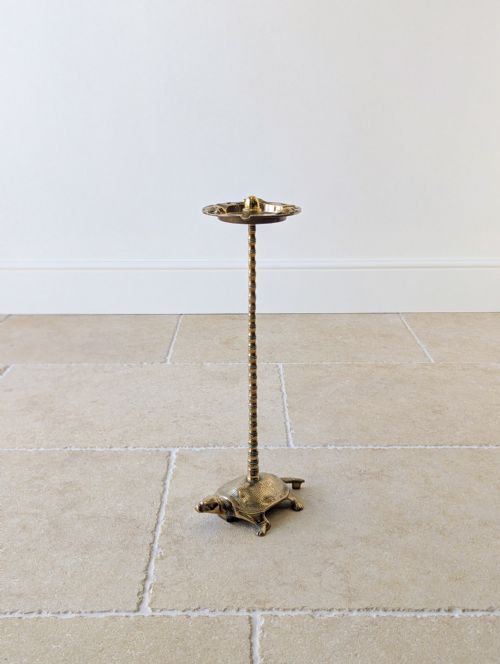
Tortoise-form cigar stands bring an unexpected creature comfort to early twentieth-century smoking rooms.
Evaluating Execution
Quality in these objects is determined by the weight and thickness of the brass used, the precision of joints, and the integrity of secondary materials like marble or selected hardwoods. Heavier castings and substantial metal gauges separate robust utilitarian items from lighter decorative derivatives.
Artistic execution also dictates distinction, where chiseled surface details, intentional stylistic motifs such as Art Nouveau curves, and cohesive material pairings display greater workshop competency than standard mass production.
Bleriot·Clarkson London·Harrods·Maison Jansen
The 20th Century Brass Stand Glossary
- Demilune
- A half-moon shape commonly found in the design of stick and umbrella stands intended to sit flush against a hallway wall.
- Standard lamp
- A tall floor-standing lamp designed to support lighting fixtures, frequently constructed with weighted bases for stability.
- Pricket candlestick
- A candlestick featuring a central spike rather than a socket to secure the candle in place.
- Etagere
- A set of open shelves for displaying small objects, appearing in wood and metal combinations.
- Bidri ware
- A metal handicraft from India involving high-contrast inlay work on dark metal alloy surfaces.
20th Century Brass Stand: Frequently Asked Questions
What were brass umbrella stands used for?
These umbrella and stick stands provided a designated hallway drop point for wet walking canes and umbrellas. Their metal construction easily resisted moisture from damp items.
Many incorporated cast iron bases or brass drip pans to protect interior wooden floors from water damage.
How do I identify an Edwardian standard lamp?
Edwardian standard lamps typically display period stylistic markers such as reeded columns, scroll arms, and heavy brass bases. They often utilise materials characteristic of the early 1900s alongside traditional turning techniques.
Wiring may have been updated later, but the foundational metal and wood construction retains the proportions of the period.
Where were plant stands placed in homes?
Plant stands and jardiniere units were positioned near windows or within reception rooms to display potted greenery at varying heights. Marble tops or brass liners protected the underlying structure from soil and water.
These pieces served both decorative and practical functions in interior presentation.
What is a cigar stand?
A cigar stand functioned as a specialised smoking accessory, holding tobacco products, matches, and ash receptacles within reach in parlours or studies. Floor-standing versions placed these conveniences directly beside seating.
They combined brass fittings with decorative animal motifs or timber framework.