




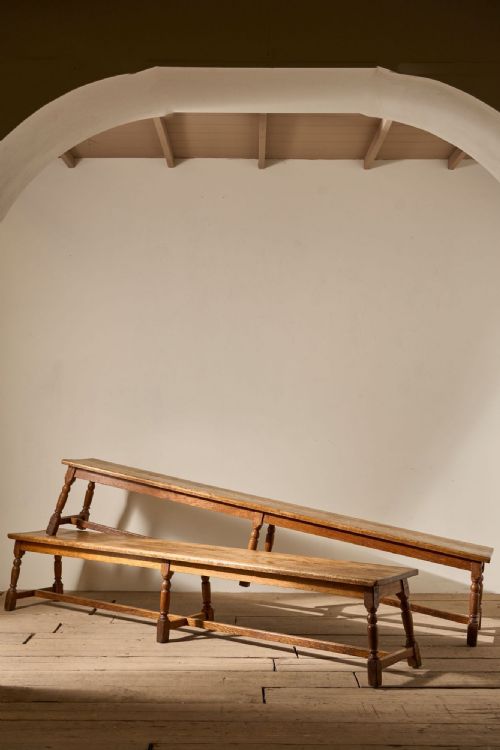
19th Century Wooden Forms
These 19th century wooden forms encompass carved utilitarian shapes, naturalistic sculptures, and architectural seating.
19th Century Wooden Forms
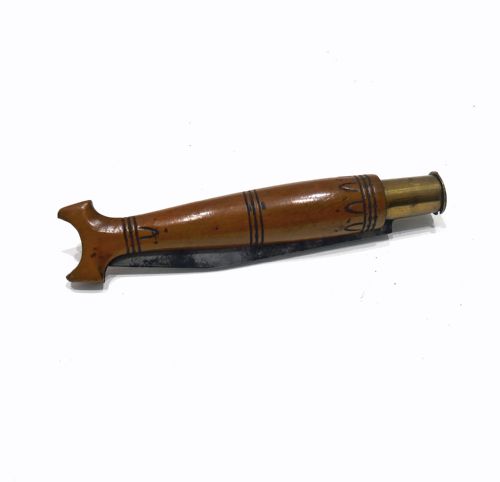
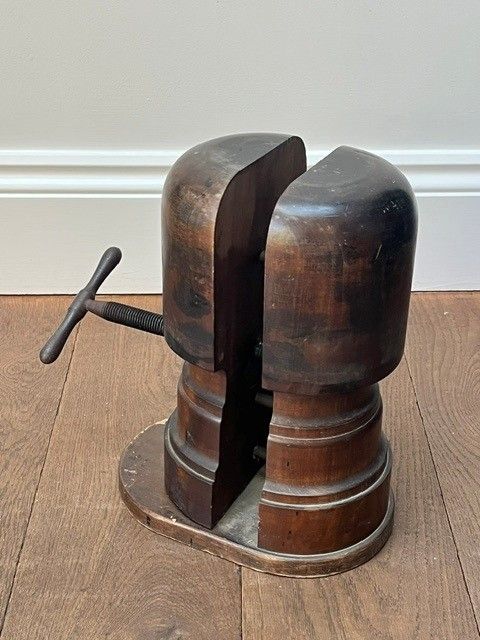
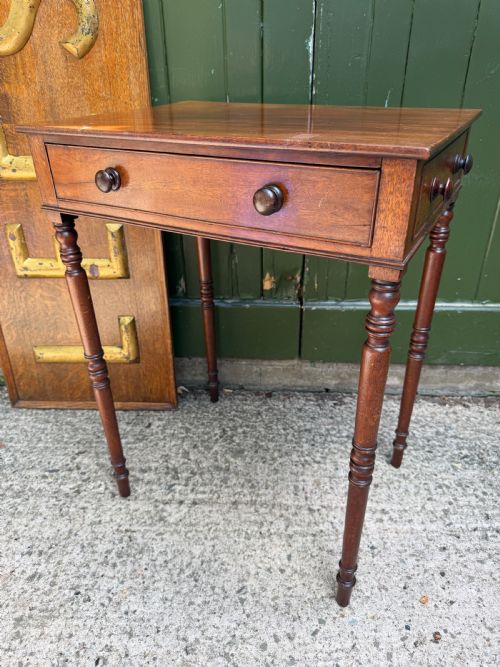
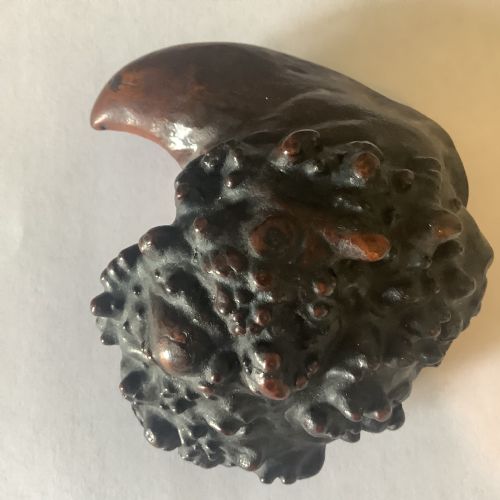
When buyers search for 19th century wooden forms, they encounter items shaped or carved to represent specific objects, figures, or structures. The selection spans utilitarian millinery equipment, such as hat blocks and stretchers, alongside decorative boxes carved as animals or footwear.
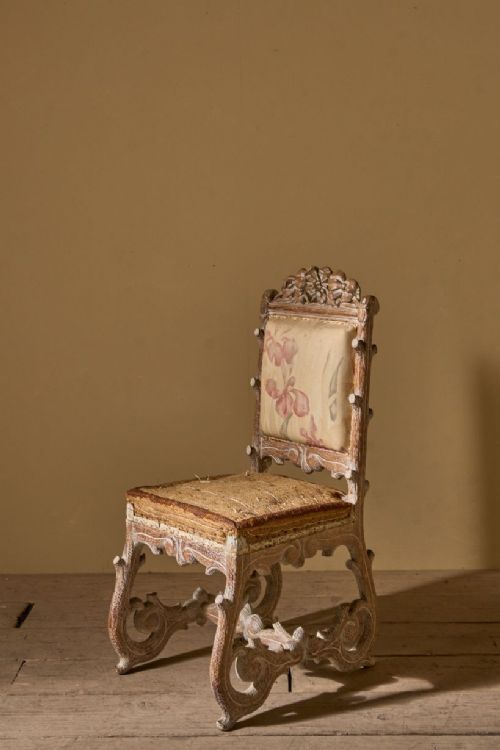
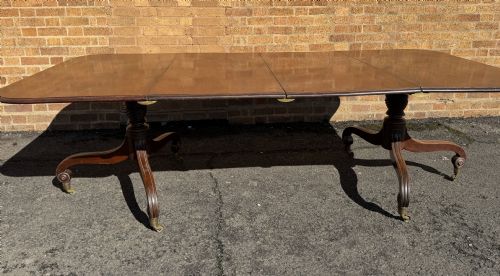
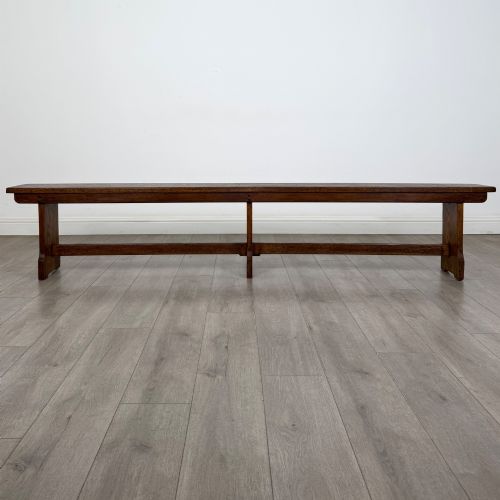
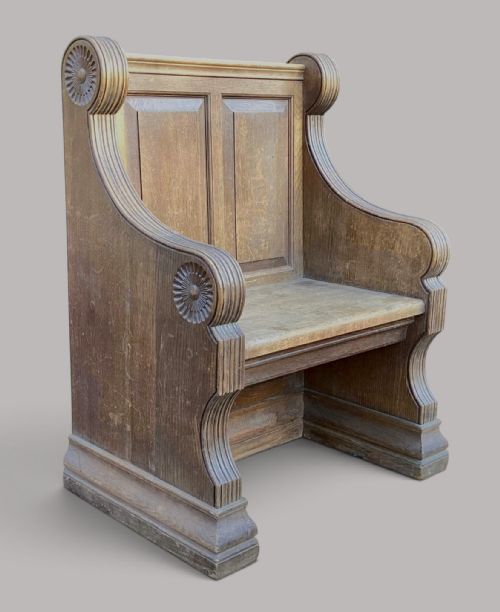
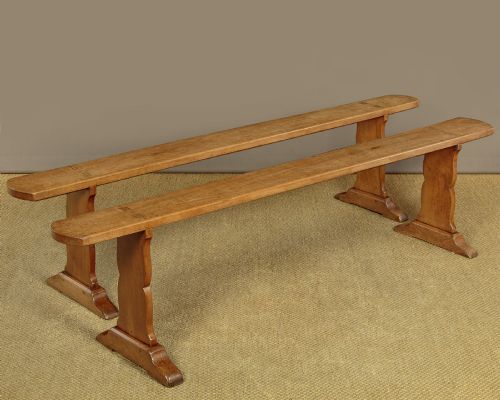
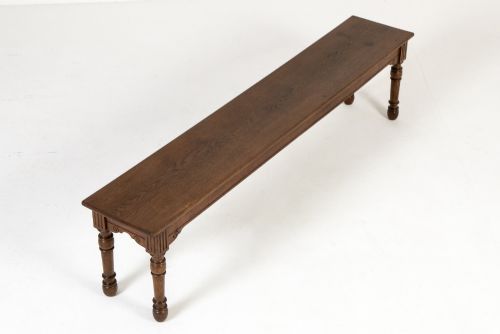
Seating and tables also appear under this description, categorised by architectural, naturalistic, or specific furniture forms like the X-frame stool or refectory bench. Oak, mahogany, walnut, fruitwood, and pine provide the material foundation for these diverse shapes.
Materials and construction
Craftsmen shaped these pieces from dense hardwoods including oak, mahogany, fruitwood, walnut, and linden wood. Tool marks and hand-carving define the surfaces, whether finished with crisp geometric parquetry inlay or left with a naturalistic texture.
Turned components, chip carving, and pegged joints appear across the benches, tables, and treen items. The application of paint or polish varies according to the regional workshop and the intended function of the object.
19th Century Wooden Forms Retail Price Guide 2026
Typical asking prices for 19th century wooden forms among the pieces listed under this phrase on Sellingantiques today, from the lower quarter to the upper quarter. They describe what is for sale here now, not the wider market.
Factors of quality
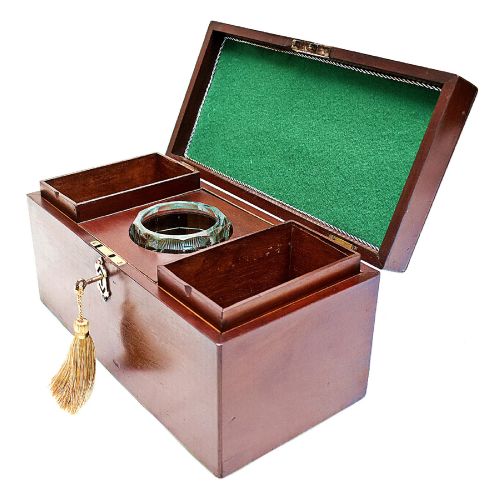
Structural integrity and timber selection further determine quality, with sound joints and well-figured burr walnut or rosewood elevating the standing of a tea caddy, table, or stool.
Freemans of Norwich
The 19th Century Wooden Forms Glossary
- Treen
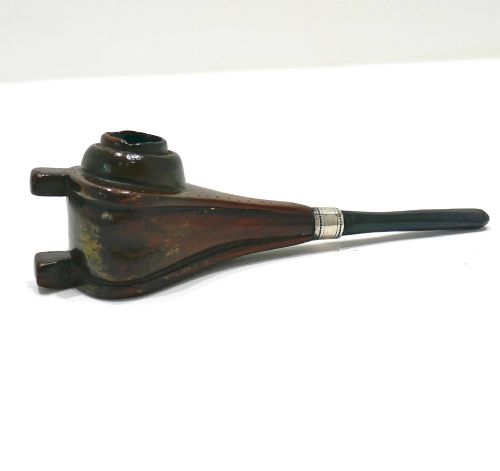
- Small handmade wooden objects of utility, such as snuff boxes and treen hat blocks. These domestic items display intimate carving and frequent handling wear.
- Sarcophagus form
- A box shape featuring a sloping lid, reminiscent of a stone coffin. This profile frequently appears on nineteenth-century tea caddies and cellarettes.
- Parquetry
- Geometric wood inlay patterns assembled from small veneer pieces. It decorates the surfaces of tea caddies and occasional tables.
- Millinery equipment
- Wooden hat blocks, stretchers, and sizers used in shaping headwear. These industrial forms are prized for their sculptural qualities.
- Black Forest
- Carved wooden items originating from the Swiss and German regions, depicting animals and naturalistic scenes. Linden wood is the primary material for these detailed sculptures.
19th Century Wooden Forms: Frequently Asked Questions
What are 19th century wooden forms used for?
These pieces served practical roles as millinery hat blocks, storage containers like tea caddies and humidors, and seating furniture. Many items balanced utility with decorative display in period interiors.
Today, collectors use them as sculptural decorative objects or functional furnishings within modern rooms.
How do I identify Black Forest carvings?
Black Forest pieces are typically carved from linden wood and depict animals, bears, or naturalistic forms with deep texturing. They originate from the 19th century and often function as tables, nutcrackers, or boxes.
The carving shows deep relief and anatomical realism, distinguishing it from simpler regional folk art.
What is treen?
Treen refers to small, functional wooden objects made for domestic use. Examples include snuff boxes formed as shoes or wood planes.
These items highlight the skill of 19th-century turners and carvers working with fruitwood and hardwoods on a miniature scale.
How do I date a 19th century bench?
Dating relies on timber choice, construction methods, and regional style indicators such as Georgian proportions or Victorian Gothic revival details. Elm, oak, fruitwood, and pine were utilised across different decades of the century.
Examine the joinery and surface wear to confirm the period of manufacture.