


19th Century Wooden Bowl
A 19th century wooden bowl offers tactile warmth and practical craft, making it a tactile centrepiece for any table.
19th Century Wooden Bowl
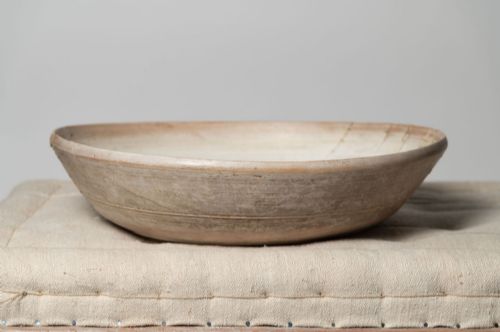
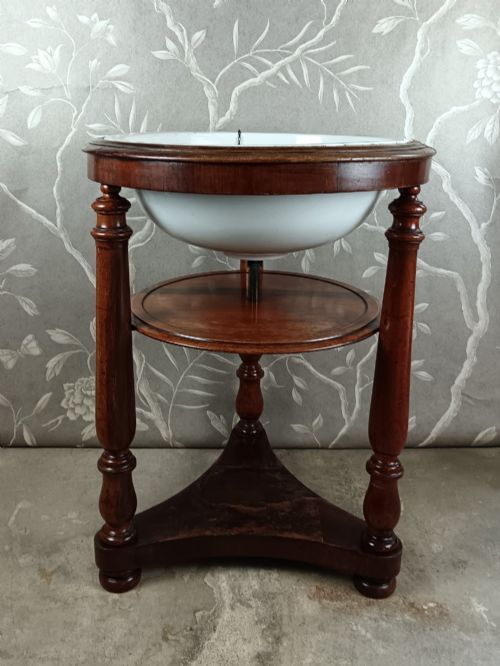
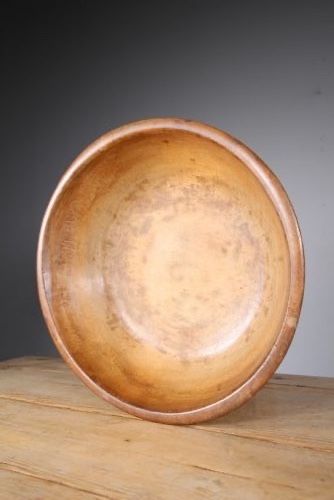
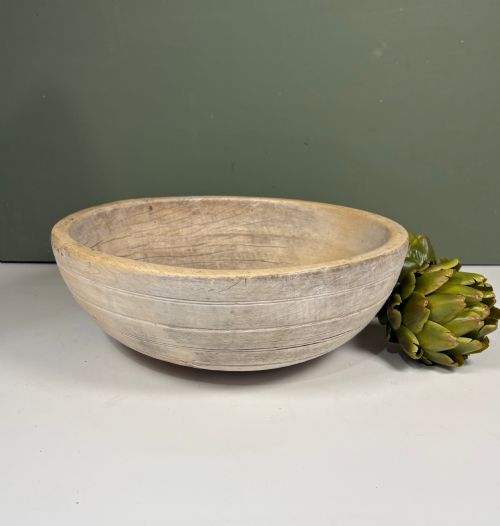
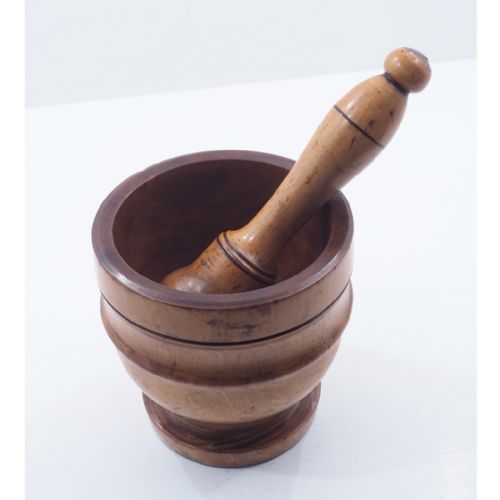
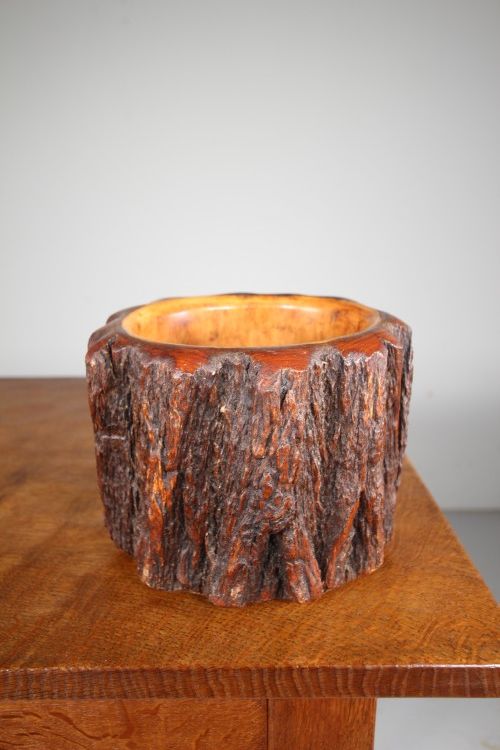
A 19th century wooden bowl encompasses practical utility vessels and decorative items shaped from timber during the 1800s. These domestic objects reflect the everyday domestic needs of various regions, from British farmhouses to continental workshops.
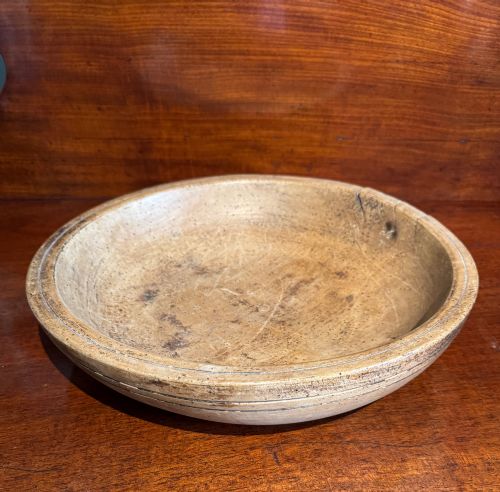
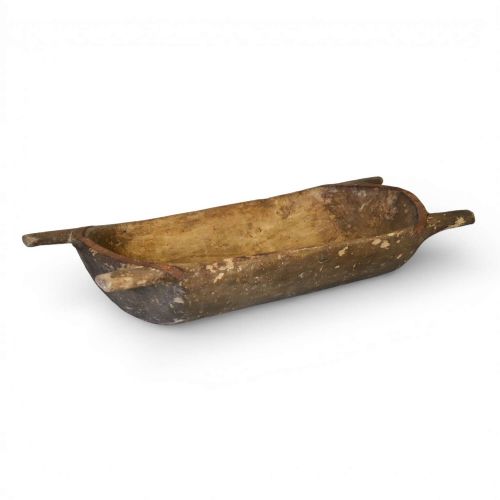
The most common form met on this page is the dairy bowl, typically turned or carved from sycamore for processing milk and cream. Other notable domestic types include kneading dough bowls and shallow vessels.
Origins stretch across regions, with many examples originating from English, Welsh, French, and Italian makers. Styles range from plain rustic country pieces to decorated turned treen.
What varies in quality
Quality rests in the harmony of the timber selection and the skill of the turning or carving. Vessels retaining crisp tool marks and balanced proportions sit above those altered by aggressive sanding or modern refinishing.
Depth of patina and historical wear distinguish superior examples. A natural surface accumulated through decades of domestic use holds more integrity than a surface scrubbed bare or heavily varnished.
Periods represented cover the Georgian era, Regency period, and various decades throughout the nineteenth century.
The 19th Century Wooden Bowl Glossary
- Treen
- Small wooden domestic objects made before the widespread use of plastics. This encompasses bowls, spoons, and containers shaped by turning or carving.
- Dairy bowl
- A wide, shallow vessel used in cheesemaking and dairy work to let cream rise. Sycamore was favoured for this because it does not impart taste to milk.
- Dough bowl
- A large trough-like vessel used for mixing and rising bread dough. These often show deep internal wear from decades of scraping.
- Patina
- The surface sheen and colour developed through handling, age, and exposure over many decades. A rich patina indicates undisturbed historical use.
- Turned
- Shaped on a woodturning lathe while rotating. This method produces concentric rings and symmetrical walls on bowls and treen.
19th Century Wooden Bowl: Frequently Asked Questions
Can I use these bowls for food?
While original dairy and dough bowls served functional kitchen roles, antique timber often develops dryness and splits.
Displaying them dry preserves the historic patina and prevents modern detergents from damaging the wood fibres.
What wood is most common?
Sycamore appears frequently among British and French dairy vessels due to its pale colour and clean properties.
Other pieces utilise denser hardwoods like mahogany, walnut, fruitwood, and olivewood depending on the regional workshop.
How do I tell regional styles apart?
Welsh and English pieces often display plain sycamore or fruitwood utility forms associated with domestic dairy work.
Continental examples, such as Italian Sorrento ware or French farmhouse items, frequently employ distinct timbers like olivewood or incorporate carved decorative motifs.