
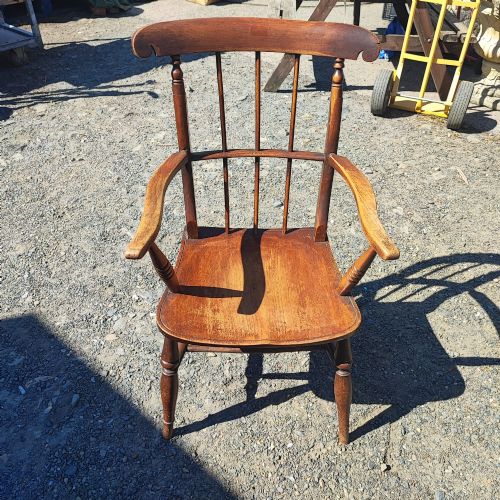
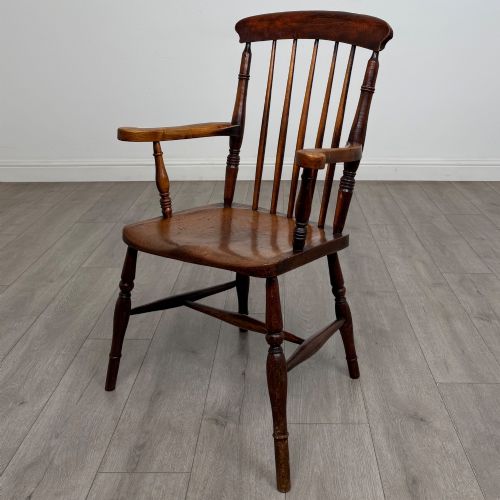
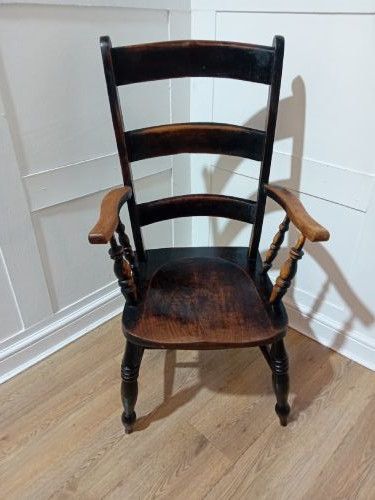

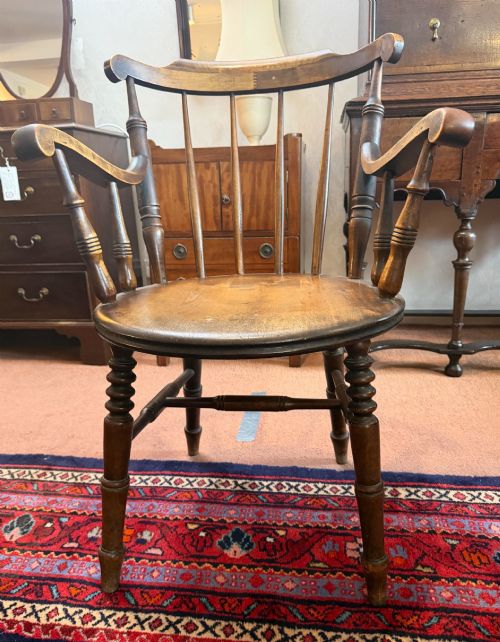
19th Century Wooden Armchair
A 19th century wooden armchair offers solid domestic comfort and sturdy vernacular craft, drawing collectors to its honest timber construction.
19th Century Wooden Armchair
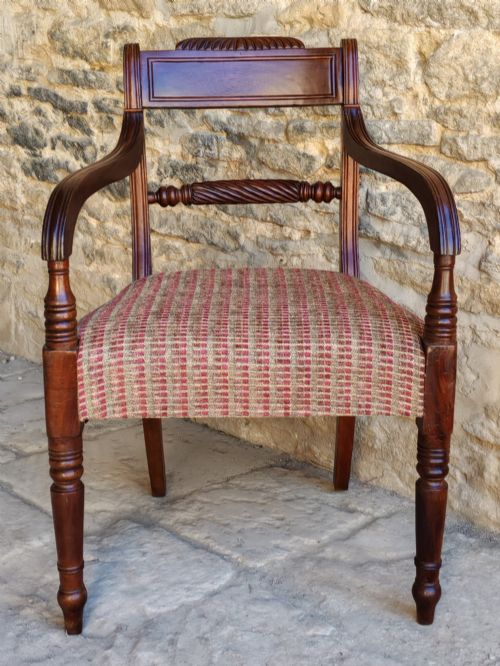
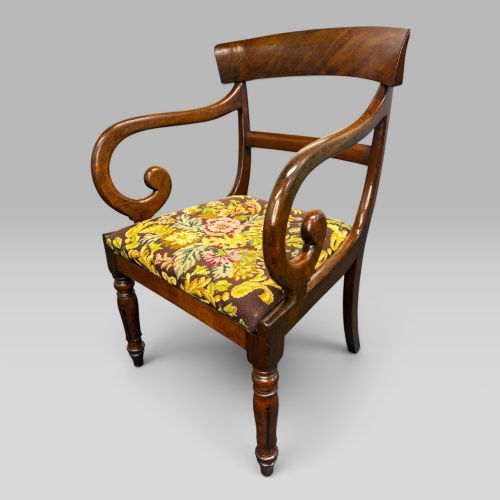
A 19th century wooden armchair encompasses a diverse array of domestic seating shaped by regional traditions and formal design movements across the Georgian and Victorian eras. Buyers seeking these pieces encounter everything from country vernacular seating to formal library and salon models.
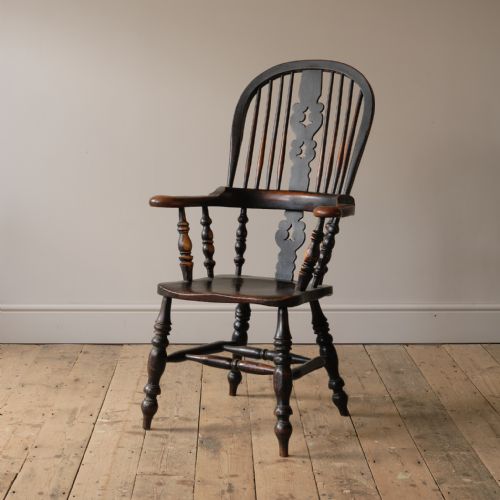
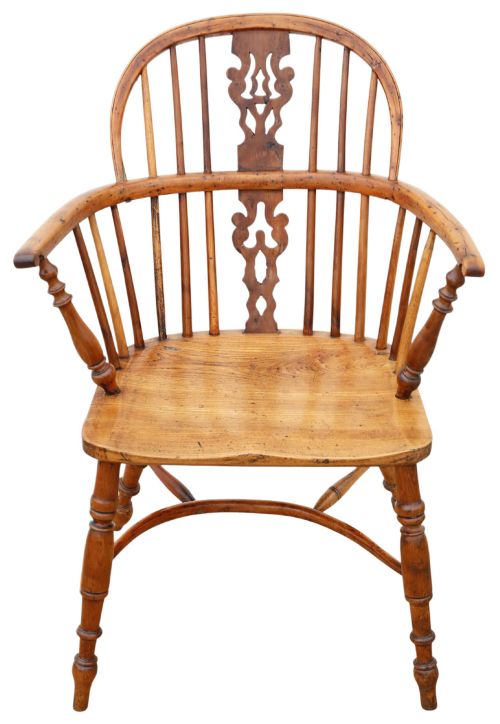
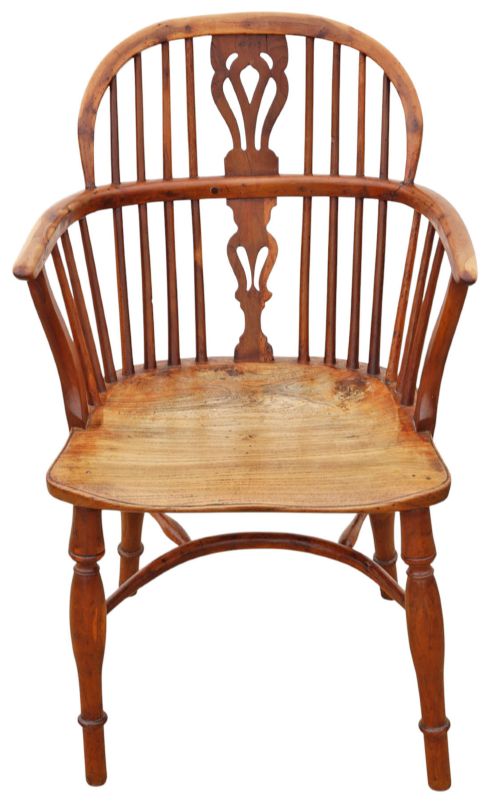
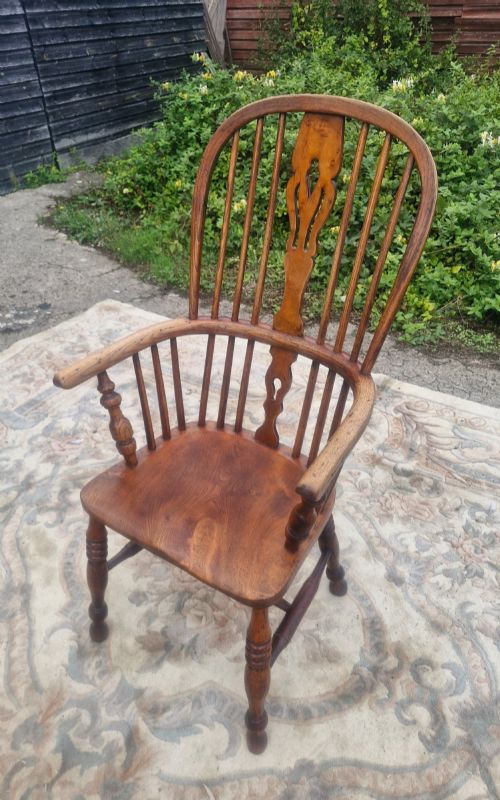
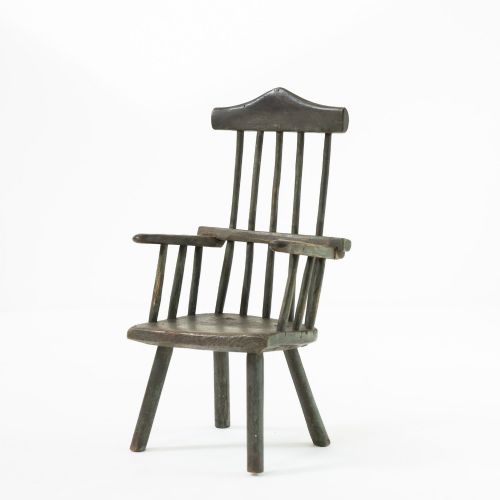
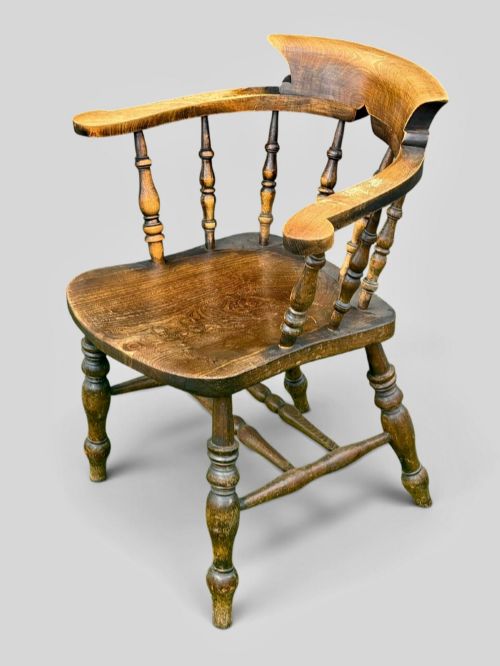
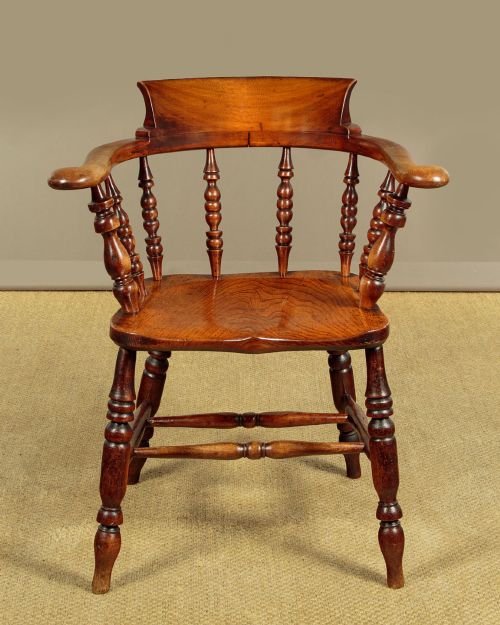
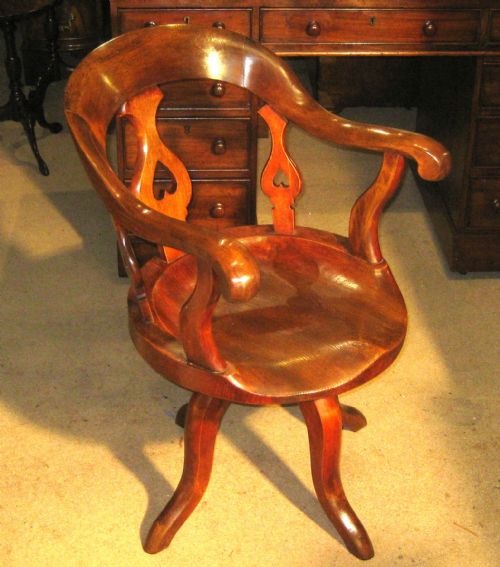
The version most frequently met on this page is the Windsor chair, typically constructed with an ash or elm frame, featuring high backs, stick backs, or broad arms. Alongside these country pieces, the inventory includes mahogany and walnut revolving desk chairs, smoker's bows, and Gothic revival armchairs.
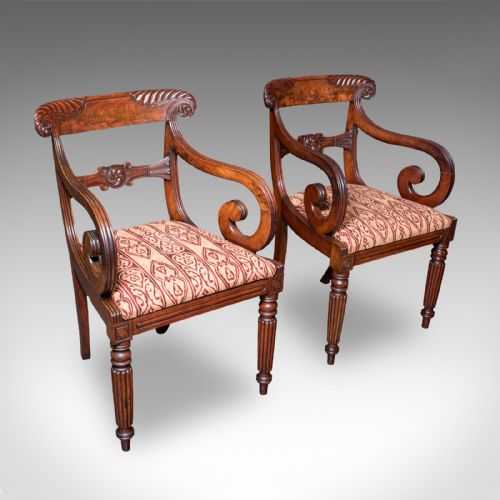
Origins stretch across English regions such as the Thames Valley and West Country, alongside continental examples in walnut and birch. Forms range from children's armchairs and corner chairs to heavy library carvers and reception seats.
What Varies in Quality
The distinction between standard utility seating and finer workshop production rests on timber selection and decorative carving. Pieces utilising figured yew wood, intricate Gothic tracery, or documented maker attribution command greater attention from collectors.
Proportion and structural retention also dictate standing, as heavy daily use often led to replacement spindles or worn arm supports. Original surface condition, such as untouched polish or honest patination, elevates a chair above examples with stripped timber.
Several miniature armchairs survive in small proportions, offering robust domestic seating designed specifically for children.
Philip Clissett·J Spencer·Andrea Brustolon
The 19th Century Wooden Armchair Glossary
- Windsor chair
- A traditional wooden chair built around a solid contoured wooden seat into which the legs and back spindles are wedged directly. They often feature bentwood bows and comb backs.
- Smoker's bow
- A low-backed wooden armchair with a continuous curved armrail supported by turned spindles, originating as a comfortable pub or smoking room seat.
- Carver
- An armchair designed in the style of the matching dining chairs around a table, allowing the head of the household greater width and support.
- Stick back
- A chair design where the backrest consists of plain turned wooden rods fitted into a bentwood frame or solid seat.
- Patina
- The deep surface sheen and colour acquired by timber over long periods of handling, polishing, and natural ageing.
19th Century Wooden Armchair: Frequently Asked Questions
What is a Windsor armchair?
A Windsor armchair is a wooden seat constructed with a thick sculpted wooden base into which the legs and back components are tenoned directly. They rely on shaped seats rather than upholstered frames for comfort.
These chairs developed distinct regional variations across England, particularly utilising ash and elm combinations. Their sturdy construction made them enduring fixtures in kitchens, farmhouses, and rustic interiors.
How do I date a wooden armchair?
Dating relies on examining the timber species, tool marks, joinery methods, and the prevailing style of the period. Georgian and early Victorian pieces often display hand-turned components and native woods like yew or elm.
Later Victorian examples frequently incorporate factory-turned parts, machine-sawn elements, or denser hardwoods like mahogany and walnut. Comparing construction details with documented examples helps narrow the decade of manufacture.
Were these chairs originally painted?
Many country wooden armchairs were left with an exposed wood finish to highlight the natural grain of elm and ash. Over time, handling and wax polishing created a deep surface patina.
Some vernacular pieces received painted finishes or dark stains to mimic more expensive timbers. Traces of original pigment remain visible on certain surviving country examples.
How do I care for antique wood?
Maintaining antique wooden chairs involves keeping them away from direct heat sources and sudden humidity changes. Extreme environment shifts can cause timber to split or joints to loosen.
Occasional application of microcrystalline wax helps protect the surface and preserve the historic finish. Avoid modern silicone-based polishes that can degrade the original patina.