
19th Century Walnut Seating
These 19th century walnut seating pieces bring rich timber tones and period upholstery into a room.
19th Century Walnut Seating
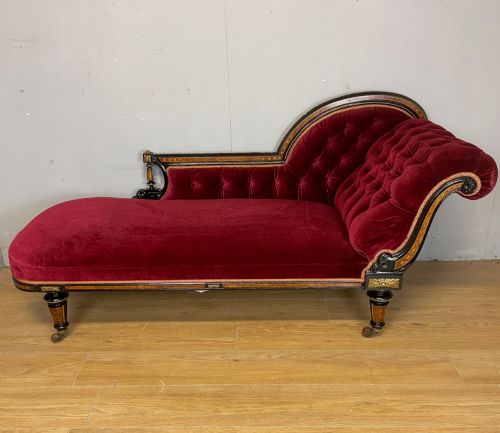
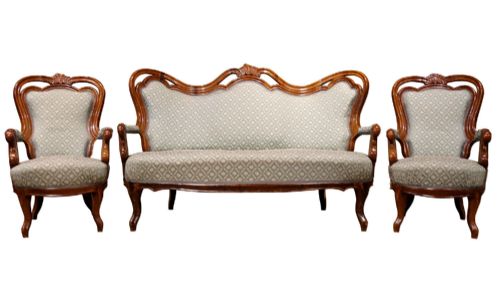
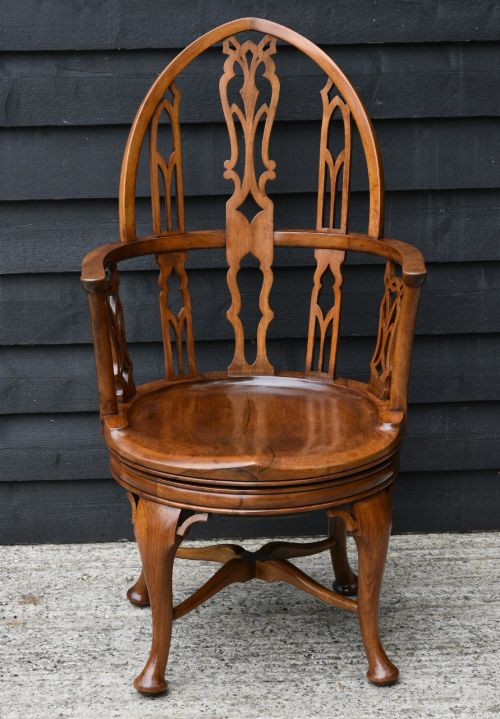
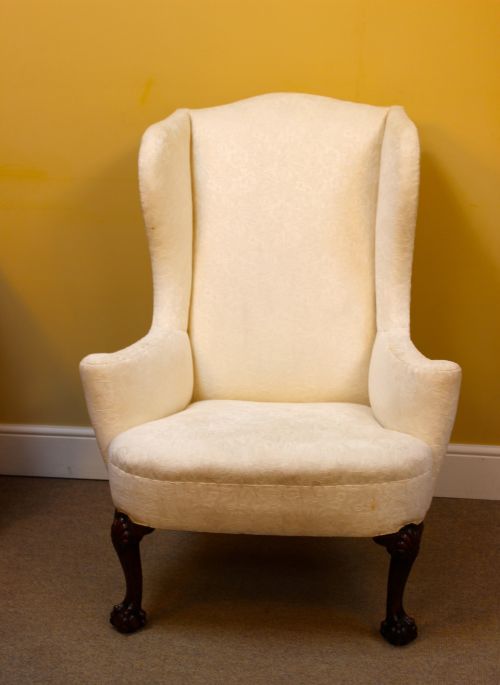
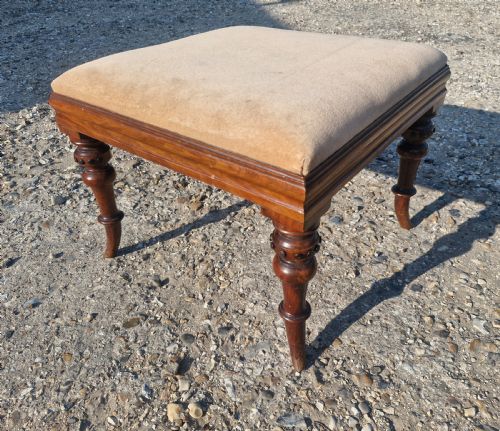
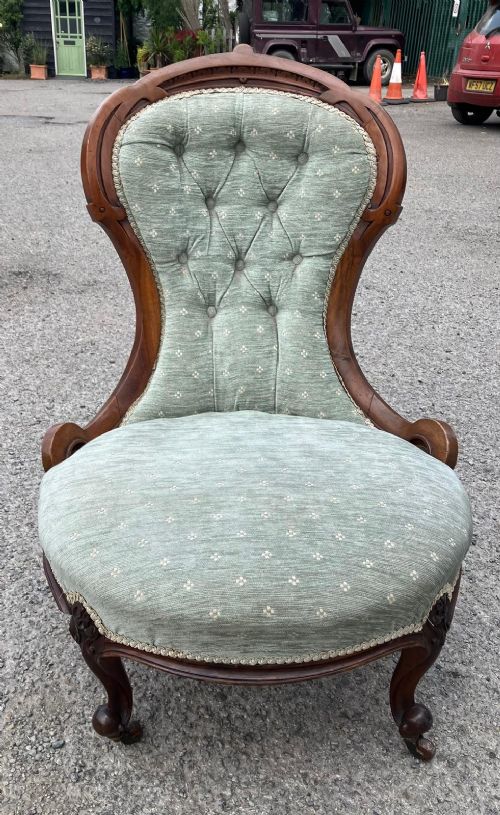
19th century walnut seating spans a broad range of domestic furniture forms designed for parlours, libraries and bedrooms. The selection includes dining chairs, armchairs, nursing chairs, chaise longues, footstools and hall benches from the Victorian and continental periods.
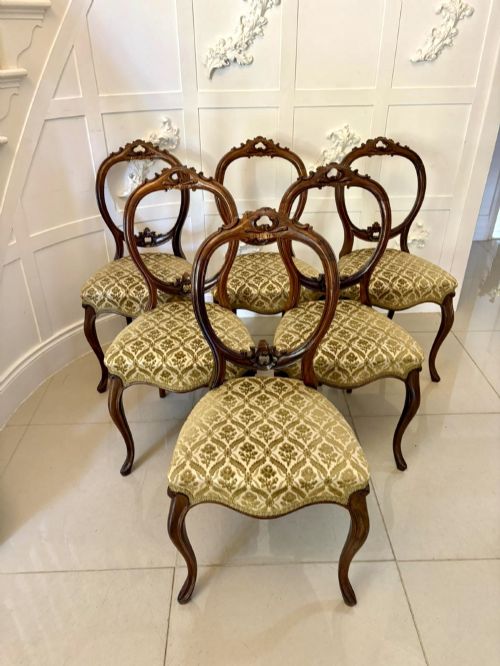
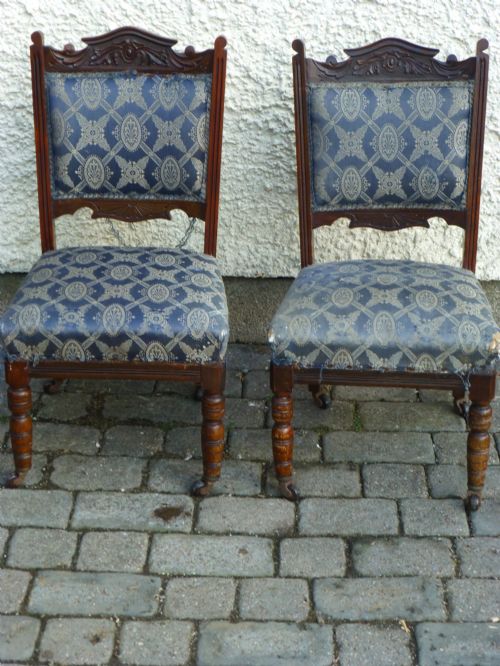
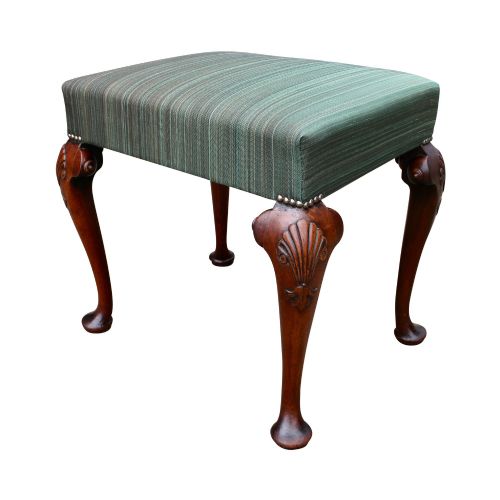
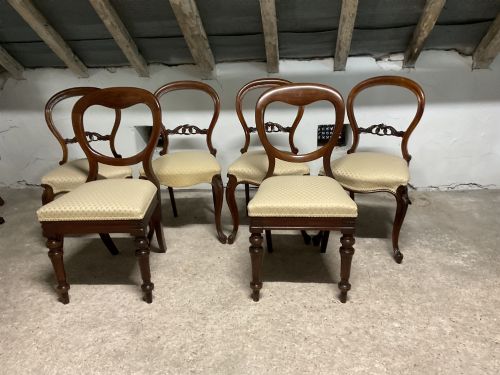
Buyers meet dining chairs with balloon backs, low nursing chairs, wing armchairs, and various stools utilising solid walnut or walnut veneers. Pieces often draw on historical design influences such as Louis XV, Queen Anne, Rococo Revival and Gothic Revival styles.
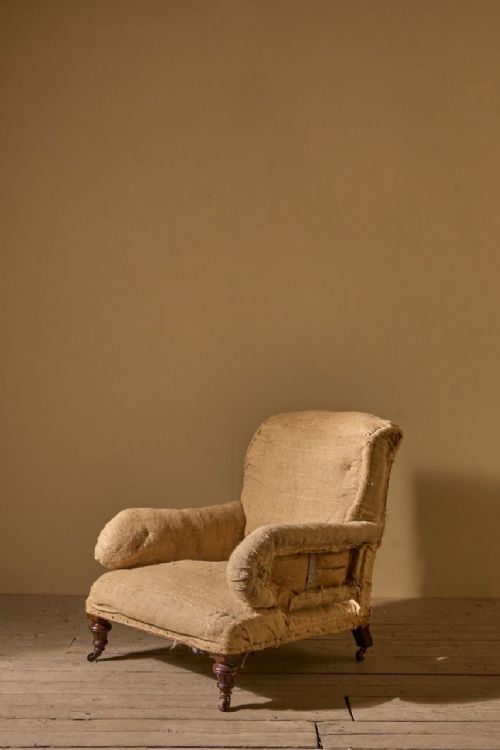
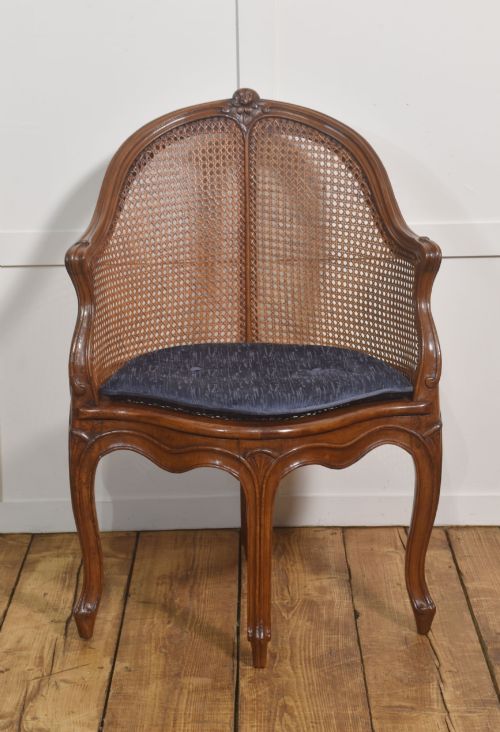
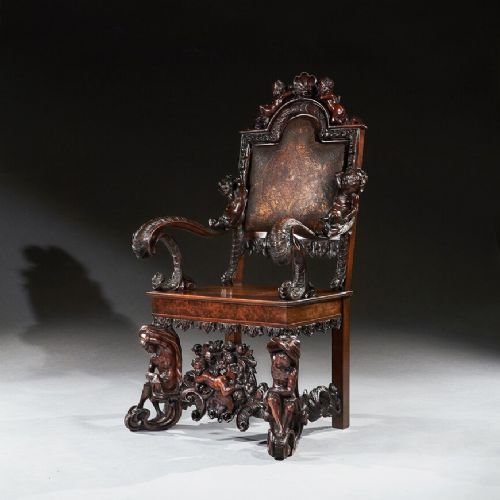
English Victorian forms sit alongside French and Italian continental examples, showing carved decoration, cabriole legs and turned supports. Many items retain period textile, tapestry, velvet or leather upholstery, while others await recovering.
Materials and construction
Cabinet makers utilised solid walnut timber and decorative walnut panels, often combining the wood with brass, ormolu, ebonised details and inlay. Frames relied on traditional joinery techniques, supporting padding and upholstery in textile, leather, velvet and tapestry.
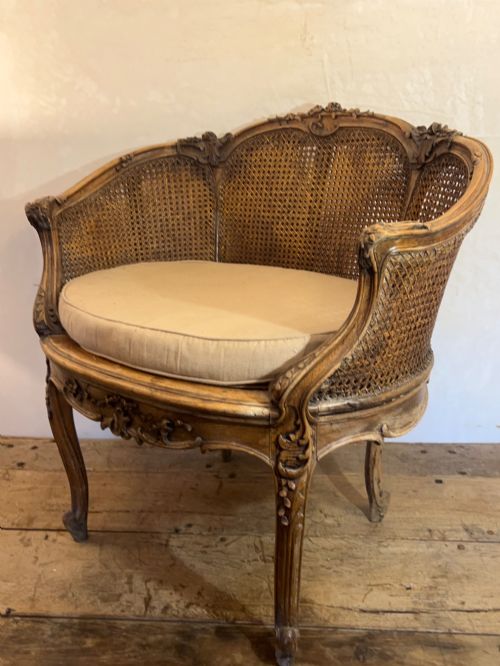
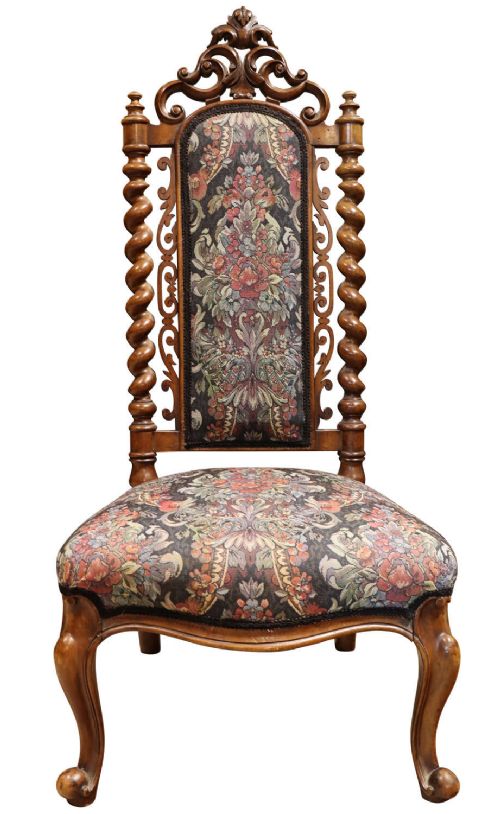
Carved ornament appears frequently on walnut frames, alongside turned elements like barley twists and bobbin supports. Caning is also utilised on specific French style tub chairs and seating forms.
Chapel organists required specific walnut music riser stools to endure long Sunday services with steady grace.
Judging quality in walnut seating
Quality rests upon the crispness of carved wooden detail, the structural integrity of the walnut frame and the fidelity of revival styles such as Louis XV or Queen Anne. Exhibition pieces and items attributed to notable makers display superior handling of timber and ornamentation.
The choice of secondary woods, the integration of ormolu or inlay, and the retention of original upholstery materials or suitable traditional coverings distinguish standard workshop output from exceptional salon suites.
Gillows·Howard and Sons·Andrea Brustolon
The 19th Century Walnut Seating Glossary
- Cabriole leg
- A furniture leg that curves out and then tapers inward, commonly seen on Queen Anne and Rococo revival seating.
- Balloon back
- A rounded, oval chair back shaped like a balloon, popular in Victorian dining chairs.
- Ormolu
- Gilded bronze ornamentation applied to furniture frames for decorative effect.
- Caning
- Woven rattan material utilised for chair seats and back panels.
- Cassapanca
- A wooden bench with a built-in chest base and backrest, originating in Italy.
19th Century Walnut Seating: Frequently Asked Questions
How do I identify 19th century walnut chairs?
Look at the timber grain, construction methods, and stylistic cues such as Victorian balloon backs or carved cabriole legs. Examining the underside often reveals period joinery and tool marks.
Compare the specific revival style, whether Louis XV or Queen Anne, against known nineteenth-century manufacturing practices and framing techniques.
Can I use these chairs every day?
Most 19th century walnut seating is robust enough for daily use, provided the frame remains stable and joints are secure. Checking the internal structure ensures long-term durability.
Chairs requiring re-upholstery need professional attention to webbing and padding before regular sitting takes place.
What is a nursing chair?
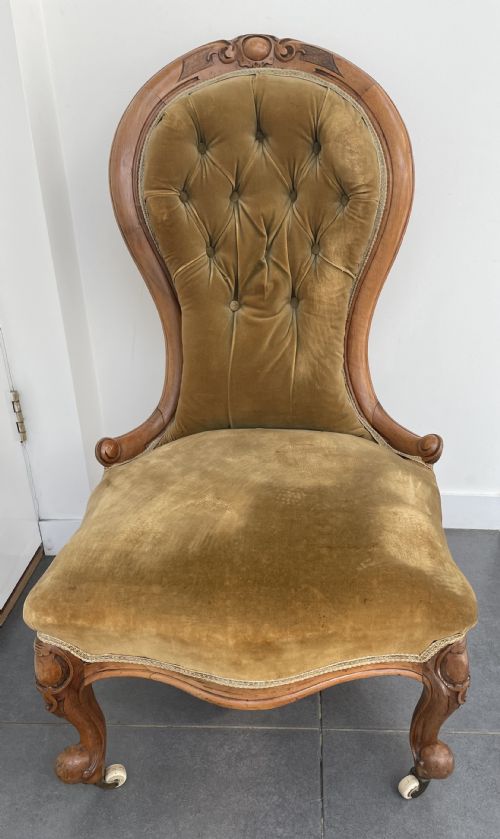
A nursing chair is a low-seated Victorian chair designed for comfort, originally used by women when feeding infants. Their low profile made them easy to sit in while wearing bulky period garments.
They often feature upholstered backs and short legs, sometimes with castors for mobility across carpets.
How should I care for walnut furniture?
Keep walnut seating away from direct sunlight and steady heat sources to prevent the wood and veneers from drying out. Dust regularly with a dry cloth and apply suitable wax polish sparingly.
Protect fabric or leather upholstery with appropriate cleaning methods suited to the specific textile.