


19th Century Walnut Easy Chair
A 19th century walnut easy chair brings deep comfort and rich timber tone to a room, offering enduring seating with historic character.
19th Century Walnut Easy Chair
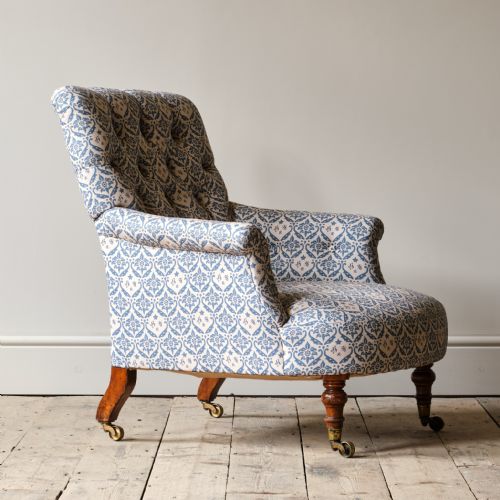
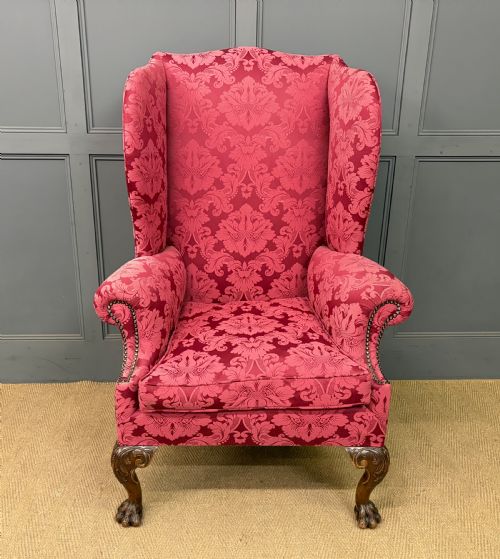
A 19th century walnut easy chair encompasses heavily upholstered armchairs, wing armchairs, and open elbow seats designed for relaxation and study. These pieces typically date from the Victorian era, spanning decades such as the eighteen-fifties through the eighteen-nineties, and draw upon revival aesthetics including Queen Anne, Jacobean, and French Rococo.
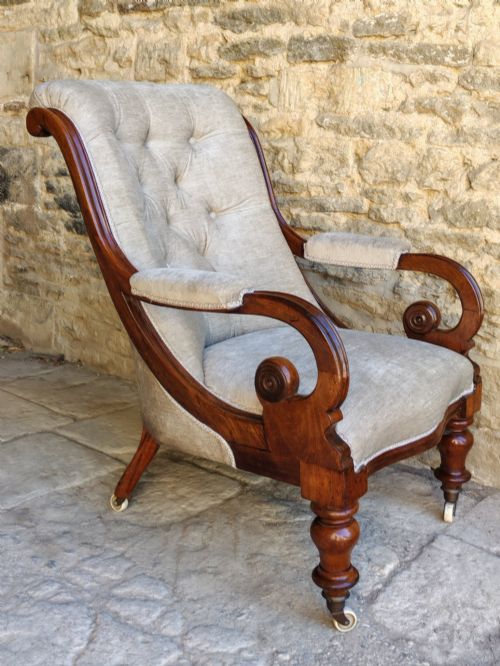
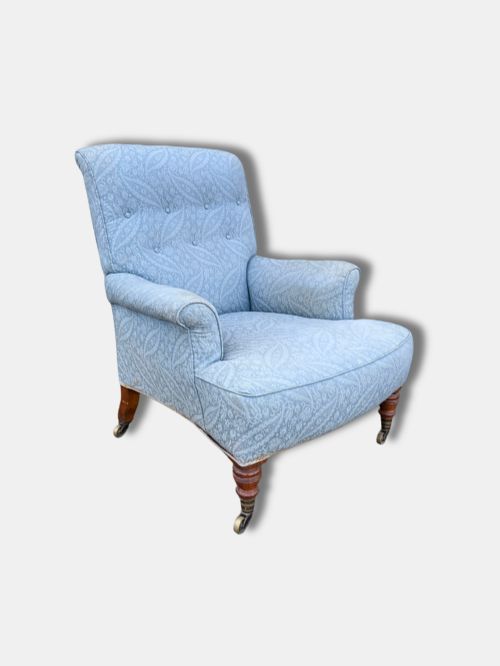
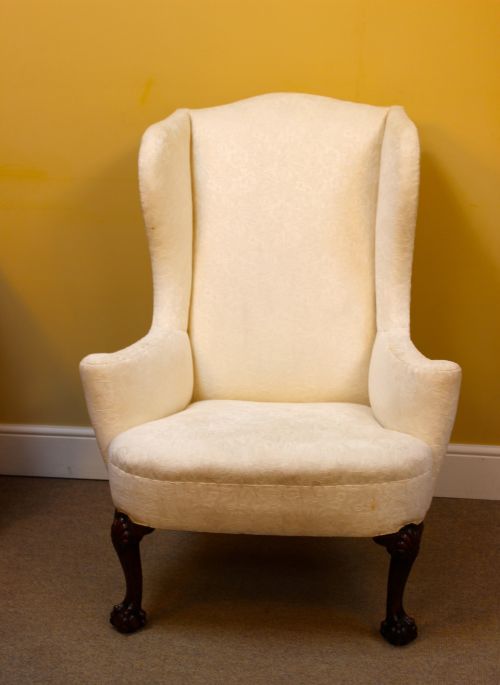
Buyers encountering this selection will frequently find wing armchairs and generous upholstered reading chairs framed in walnut timber. Many examples reflect the influence of prominent nineteenth-century workshops and retailers, displaying buttoned backs, carved details, or open frames covered in diverse textiles.
Materials and construction methods
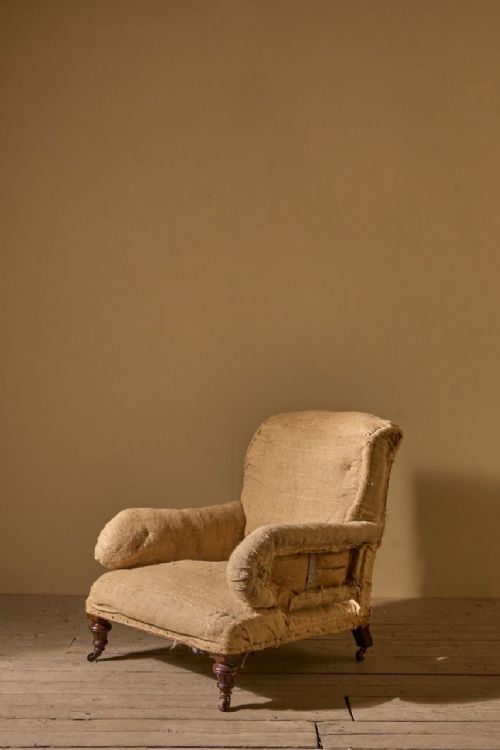
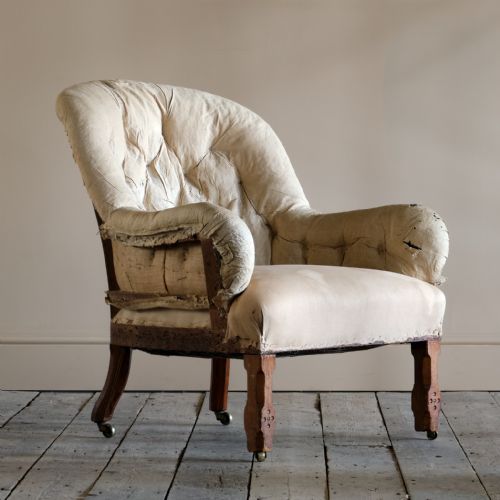
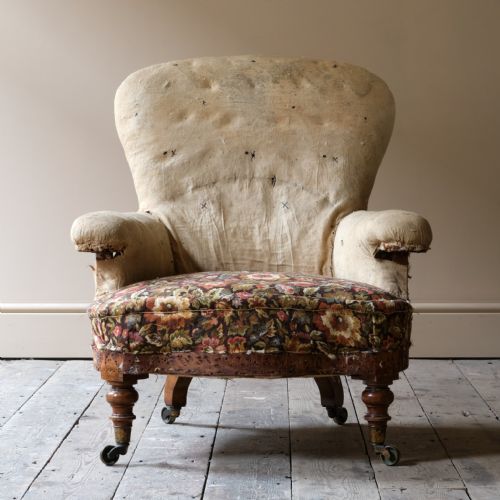
Makers of the period utilised solid walnut for the exposed wooden frames, legs, and carved arm supports, often pairing the timber with brass castors. The foundational upholstery structure relies on traditional stuffing held by hessian and calico before applying the final textile cover.
Outer coverings span a variety of fabrics including linen, velvet, and other heavy textiles. Selected pieces incorporate intricate hand-carved ornamentation on the walnut woodwork, aligning with specific revival styles ranging from Jacobean to French Rococo.
Several armchairs come accompanied by matching footstools, ensuring nineteenth-century sitters could elevate their feet in complete comfort.
Distinctions in craftsmanship and origin
The distinction between standard nineteenth-century seating and exceptional examples often lies in the attribution to notable makers and the precision of the walnut framing. Chairs carrying maker stamps or distinct workshop characteristics command greater interest among collectors of period furniture.
Proportion and decorative ambition also set pieces apart, from compact open armchairs to large carved wing chairs with balanced proportions. The execution of the woodwork and the integrity of the underlying frame construction define the upper tiers of quality.
Howard and Sons·Gillows·Liberty
The 19th Century Walnut Easy Chair Glossary
- Wing armchair
- An upholstered seat featuring protective side panels designed to shield the sitter from draughts near a fireplace. These high-backed chairs are frequently encountered in walnut across the nineteenth-century selection.
- Upholstery
- The padded and covered construction of a chair, utilising materials such as hessian, calico, and various textiles. Traditional stuffing methods give these period seats their characteristic firmness and shape.
- Carolean
- A decorative style inspired by the reign of Charles the Second, known in later nineteenth-century revivals for elaborate walnut carving. Pieces in this design feature ornate woodwork on the frame and legs.
- Fauteuil
- An open-armed French armchair with upholstered back and seat panels. These forms often appear in revival designs with exposed wooden arm frames.
- Castor
- A small wheel attached to the foot of a chair leg to ease movement across flooring. Brass versions are commonly fitted to the walnut feet of nineteenth-century seating.
19th Century Walnut Easy Chair: Frequently Asked Questions
How do I identify a Howard and Sons chair?
Makers such as Howard and Sons often marked their upholstered seating with specific stamps on the castors or frame woodwork. These chairs are also recognised by their distinctive proportions and comfortable, sprung construction.
Examining the structural style and any visible maker markings helps confirm the origin of nineteenth-century upholstered seating.
What is a wing armchair used for?
Wing armchairs were originally designed to protect sitters from cold draughts in large rooms by trapping heat around the head and shoulders. They served as comfortable reading and fireside chairs in nineteenth-century homes.
Today, these substantial pieces function as statement seating in libraries, studies, and living spaces.
How do I care for walnut furniture?
Walnut frames benefit from minimal exposure to direct sunlight and fluctuating humidity to prevent the timber from drying out. Gentle dusting with a dry cloth helps maintain the polished finish of the wood.
Avoid harsh chemical cleaners on both the walnut structure and the surrounding fabric upholstery.
What is the difference between an open armchair and a wing chair?
Open armchairs feature exposed wooden frames around the arms without the enclosed padded panels found on wing chairs. This creates a lighter visual profile suitable for drawing rooms and smaller spaces.
Wing chairs offer higher backs and enclosed sides, prioritising enclosed comfort and warmth over an open frame.