
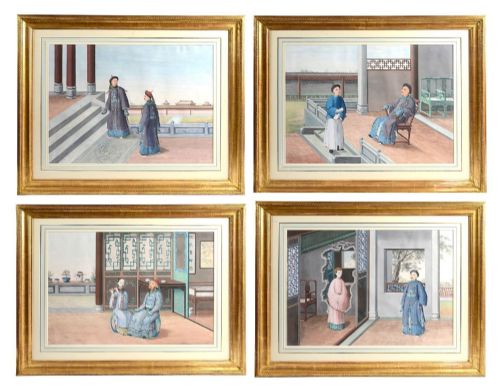
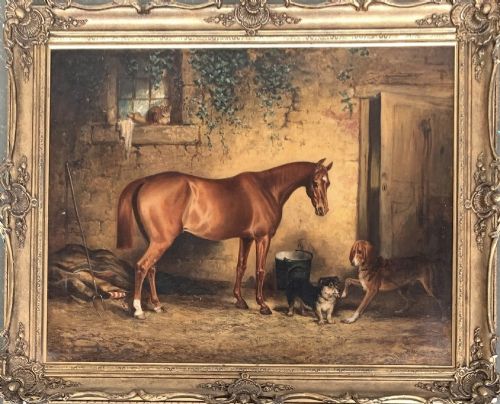
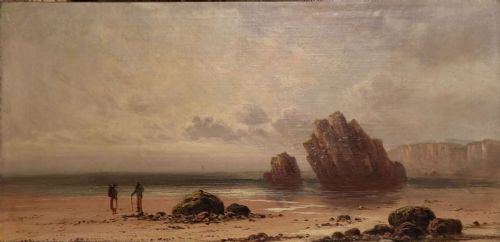
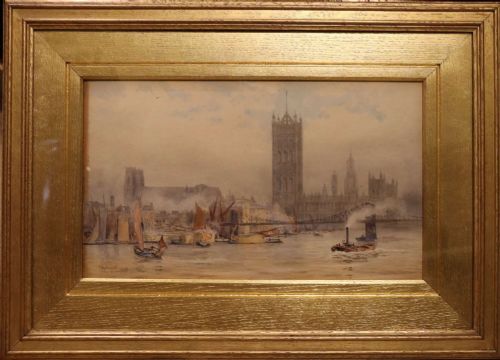
19th Century Wall Painting
A 19th century wall painting brings period character to a room through genuine canvas, panel or paper works from the era.
19th Century Wall Painting
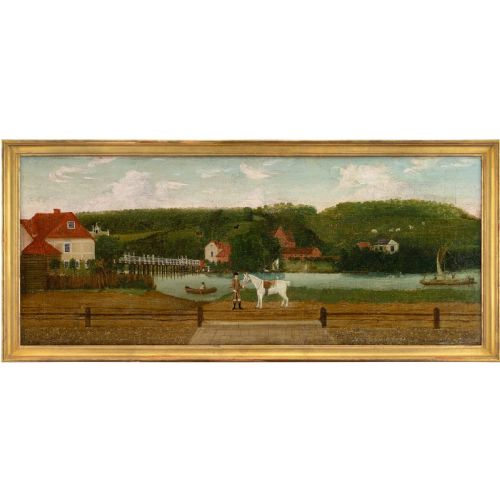
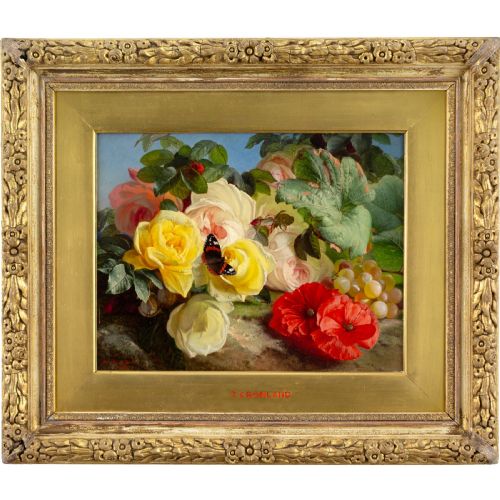
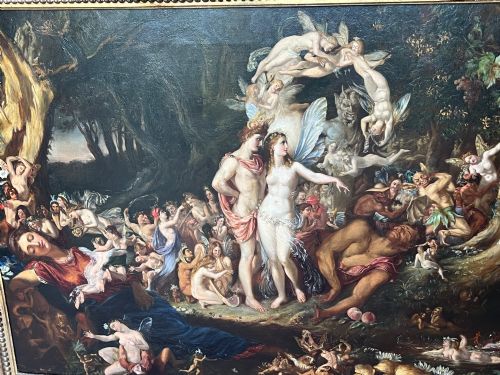
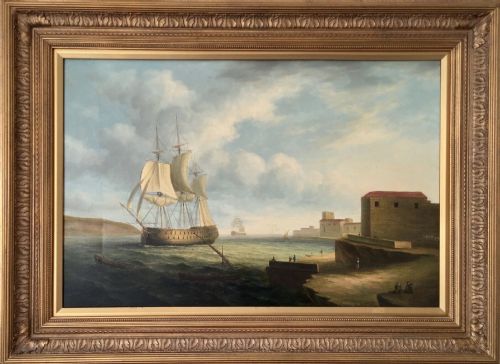
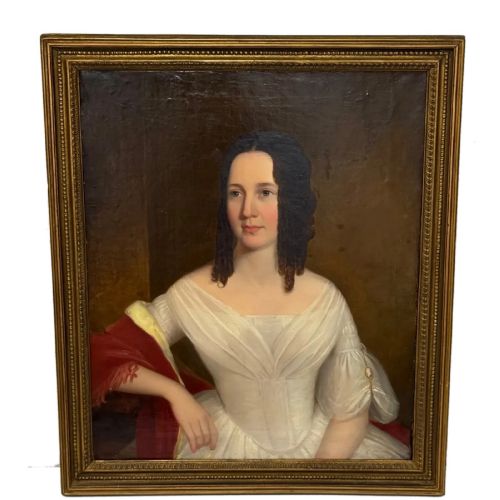
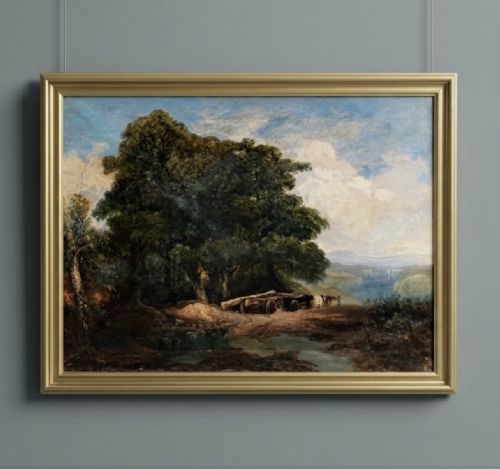
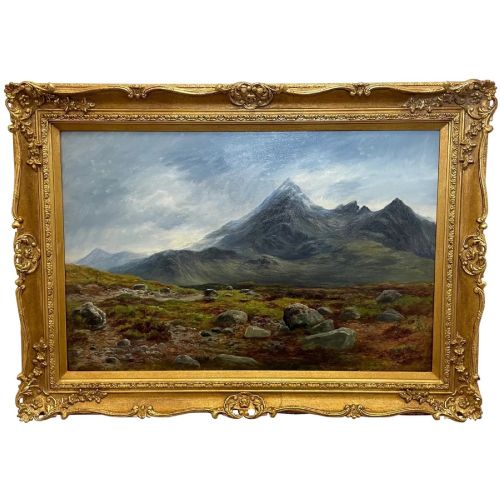
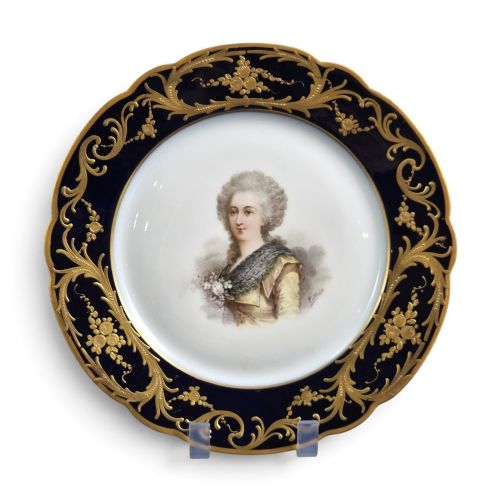
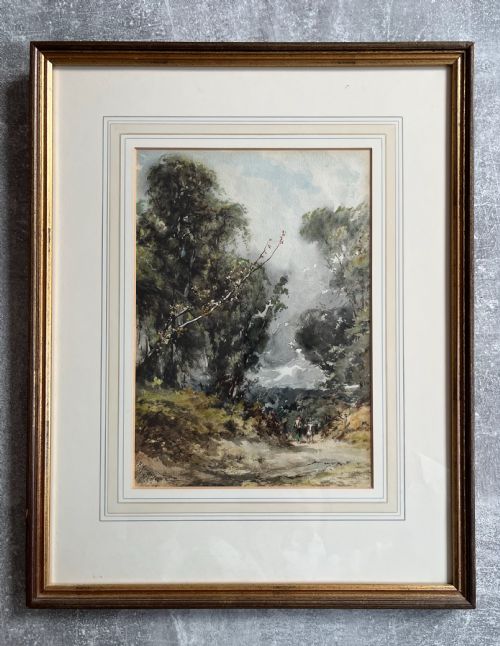
When searching for a 19th century wall painting, buyers examine works spanning the Regency period through to the late Victorian era. The selection ranges from coastal marine scenes and romantic landscapes to detailed portraiture and botanical studies.
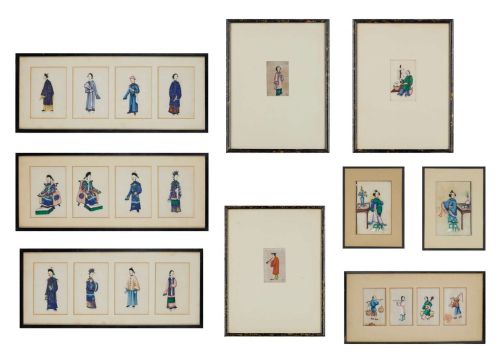
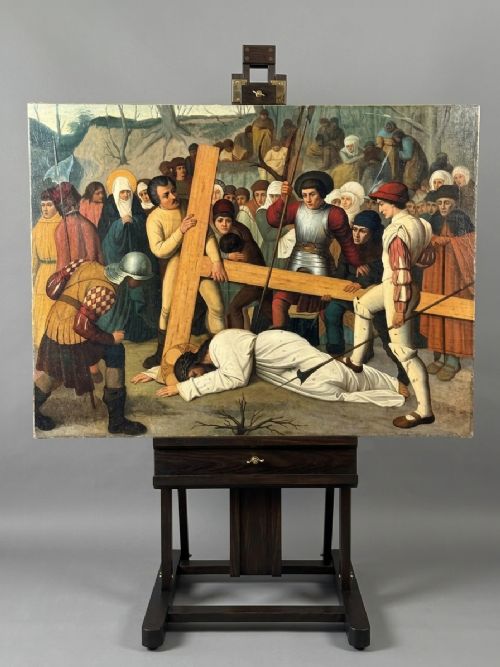
Oil on canvas and watercolour on paper dominate the works found in this category. Buyers also encounter paintings executed on wood panels and pith paper, reflecting the diverse output of British, European and Asian artists of the period.
How They Were Made
Artists of the period applied oil paint to stretched canvas or prepared wood panels, often building rich textures through layered pigments. Watercolours were painted on heavy paper or card, utilising transparent washes to capture light and atmosphere.
Framing played an integral role in presentation, with many pieces set within original giltwood, carved wood and gesso frames that complement the aesthetic of the artwork.
The selection includes maritime scenes, botanical studies, architectural views, and portrait miniatures from the Victorian and Regency eras.
What Varies in Quality
The standard of execution in brushwork and compositional balance defines the upper tier of these works. Master painters achieved depth, anatomical precision and atmospheric light that lesser hands failed to capture.
The preservation of the original surface, along with the survival of the period frame, contributes significantly to the integrity of the piece.
Henry Barraud·Sir Joseph Noel Paton·William Beattie Brown·Thomas Miles Richardson Jnr·Felix Stone Moscheles
The 19th Century Wall Painting Glossary
- Giltwood
- Wood carved and coated with gold leaf or a gold-coloured finish. This material was widely utilised for decorative frames throughout the nineteenth century.
- Oil on Canvas
- Pigment mixed with drying oil applied to a woven fabric support. This technique allowed artists to create rich colour depth and durable surfaces.
- Watercolour
- Paint consisting of colour suspended in a water-soluble binder, applied to paper. It was frequently employed for rapid landscape studies and finished topographical views.
- Trumeau
- A decorative wall mirror or panel incorporating an oil painting within the upper section. These fixtures were designed to fit specific architectural spaces in period rooms.
- Portrait Miniature
- A small, highly detailed painting depicting a person. These intimate works were executed on materials such as ivory, vellum or card.
19th Century Wall Painting: Frequently Asked Questions
How do I date a 19th century wall painting?
Examining the stretcher bars, canvas weave, and framing materials provides reliable clues to the age of the piece. Signatures, dates inscribed on the reverse, and stylistic markers of the Regency or Victorian periods also help establish the chronology.
Paper supports and watercolours often carry watermarks or manufacturer stamps on the reverse that narrow down the date of creation. Comparing the subject matter to known dated works by the same school yields further precision.
Where should I hang a 19th century painting?
These works suit dining rooms, libraries, and drawing rooms where period furnishings create a complementary backdrop. Placing them away from direct sunlight protects vulnerable watercolours and oil pigments from fading over time.
Wall strength must be considered when hanging heavy oil paintings in ornate giltwood frames. Secure fixings suited to the specific wall construction ensure safe display.
Are these paintings original or reproductions?
The inventory consists of period works created during the nineteenth century, including original oils, watercolours, and portrait miniatures. Historical evidence and signatures distinguish authentic period items from later copies.
Brushwork under magnification reveals the hand-painted nature of genuine oils and watercolours. Pigment analysis and examination of the support material confirm period manufacture.
How do I care for antique paintings?
Maintaining stable indoor humidity and temperature prevents the cracking of oil paint and the warping of wood panels. Dusting should be done gently with a soft, dry brush, avoiding liquid cleaners or abrasive cloths.
Professional conservators should handle any cleaning or repair work required on the canvas or frame. Keeping works away from heat sources preserves both the support and the original paint layer.