


19th Century Swedish Cupboard
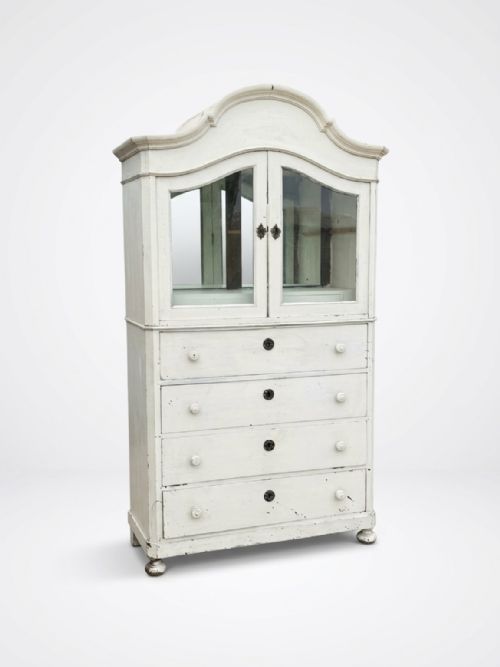
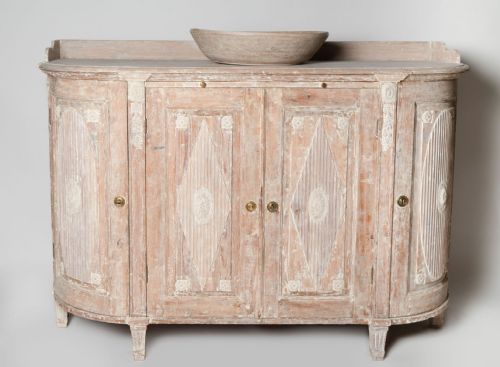
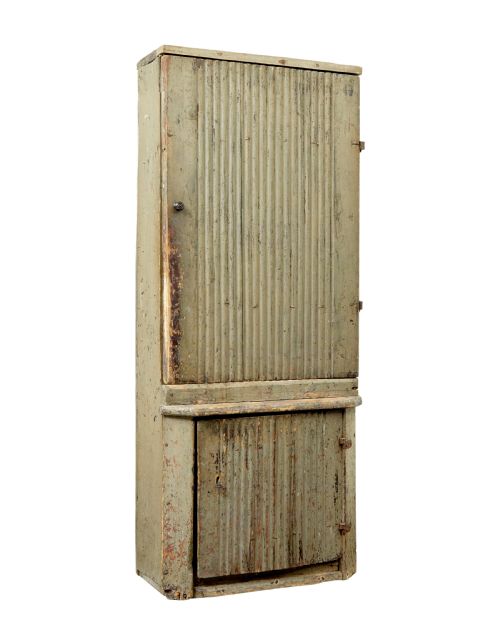
A 19th century swedish cupboard brings understated Nordic utility and clean folk character into a modern interior.
What a 19th Century Swedish Cupboard Is
A 19th century swedish cupboard is a practical storage piece rooted in Scandinavian country and folk traditions, offering generous proportions for everyday use. These items range from wall cabinets and kitchen cupboards to tall linen cupboards, dressers, and fitted cabinets designed for domestic order.
The versions most frequently encountered on this page are constructed from native pine or birch, often finished with painted surfaces or retaining their natural timber grain. They reflect the straightforward craftsmanship of Scandinavian rural life during the 1800s.
Later examples stretch into the Art Nouveau style, incorporating cabinet on chest forms and tiger birch veneers that display a more decorative sensibility. Whether painted or polished, each piece serves as a functional storage solution with a distinct regional identity.
Materials and Construction
These pieces are principally built from solid pine and birch, sometimes enhanced with decorative satin birch veneers across select surfaces. Iron hardware such as hinges and latches provides durable structural support while adding utilitarian detail.
Surface finishes vary from plain timber to applied paint work, including ragwork painted techniques that create textured patterns on the wood. Glass panels appear on display cabinets and wall units to showcase contents while protecting them from dust.
Retail Price Guide 2026
Typical UK retail prices for 19th century swedish cupboard, calculated from the Sellingantiques database of over a million retail prices indexed since 2003. This retail price guide relies exclusively on Sellingantiques data; no external sources or auction records are used, so the figures do not describe the wider market.
The site's listings for this phrase span the 19th century, featuring pine, birch, satin birch veneer, iron, glass, and painted surfaces.
What Separates the Fine from the Ordinary
Quality rests upon the integrity of the timber selection and the retention of original surface treatments, whether clear polish or early paint layers. Plain pine kitchen pieces rely on honest construction and sturdy proportions, whereas birch examples highlight the natural figuring of the wood.
Fitted interiors, clever compartmentalisation, and sophisticated veneer work elevate certain cabinets above basic utilitarian storage. The presence of original iron fittings and untouched painted finishes distinguishes exceptional folk art items from heavily restored alternatives.
The 19th Century Swedish Cupboard Glossary
- Ragwork painted
- A decorative paint technique where rags or cloths are used to manipulate wet colour on the surface, creating a mottled or textured pattern. This finish was widely employed in Scandinavian folk art to give flat timber visual depth.
- Tiger birch
- A distinct figuring in birch wood featuring dark horizontal stripes that resemble tiger markings. It is prized for its decorative optical movement on cabinet doors and drawer fronts.
- Linen cupboard
- A tall storage piece traditionally dedicated to housing household textiles and sheets. These items often feature internal shelving optimised for folded fabrics.
- Wall cabinet
- A smaller storage unit designed to be mounted directly onto a wall rather than standing on the floor. They frequently feature single doors and compact shelving for domestic supplies.
- Satin birch veneer
- A thin layer of highly polished birch applied over a secondary timber core to create a smooth, luminous exterior. It reflects light effectively in darker northern interiors.
Frequently Asked Questions
What rooms suit a 19th century swedish cupboard?
These pieces fit naturally into kitchens, hallways, and living spaces where practical storage is required. Their clean lines complement minimalist interiors as well as traditional rustic settings.
Larger linen cupboards and dressers anchor dining rooms or bedrooms, while wall cabinets utilise vertical space efficiently in compact areas without overwhelming the room.
How were these cupboards originally used?
Households relied on these cabinets to store everyday provisions, kitchenware, and textiles in an era before fitted domestic joinery. Linen cupboards kept household fabrics clean and organised.
Smaller wall cabinets held medicines or spices, while fitted cupboards managed general storage needs in Scandinavian homes.
Are painted finishes original?
Many pieces retain their early or original painted surfaces, which form an integral part of their folk art appeal. Ragwork painted examples display deliberate decorative intent by rural makers.
Distinguishing original paint from later overpainting requires close inspection of surface wear, craquelure, and underlying timber preparation.
What is the difference between pine and birch examples?
Pine cupboards generally belong to the Scandinavian country tradition, offering a simpler aesthetic that was often painted over. They emphasise sturdy utility and everyday domestic function.
Birch and tiger birch versions often point towards more refined cabinetmaking, sometimes incorporating decorative veneers and Art Nouveau styling suited to formal reception rooms.
How do I care for a painted cupboard?
Protect antique painted surfaces by keeping them away from direct sunlight and maintaining stable indoor humidity. Avoid harsh chemical cleaners that can lift or dissolve historic paint layers.
Dust gently with a soft dry cloth to preserve the character of ragwork and other traditional decorative finishes over time.