




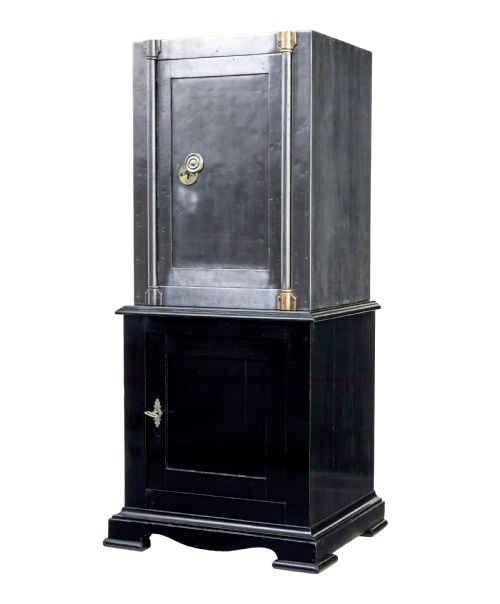

19th Century Strongbox
These heavy duty 19th century strongbox examples provide secure storage with robust iron and wood construction, appealing to collectors of industrial and folk art pieces.
19th Century Strongbox
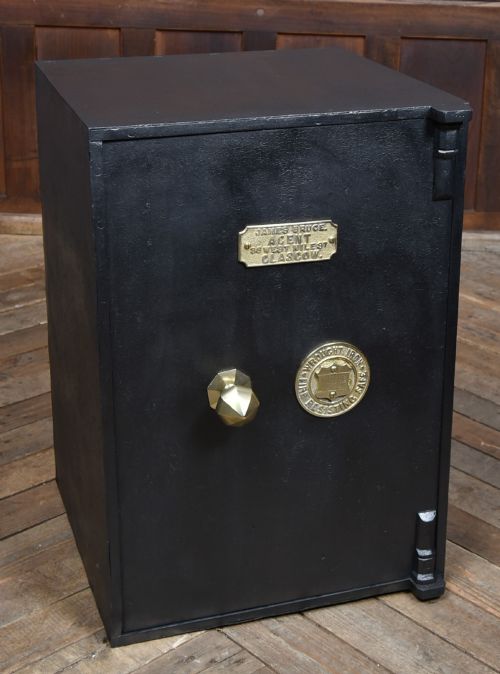
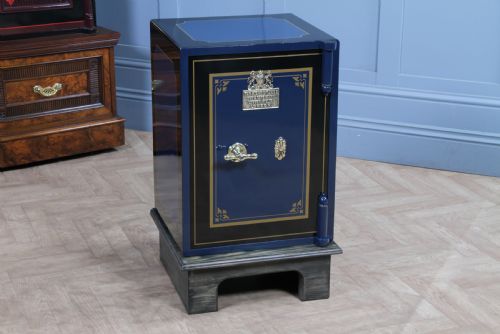
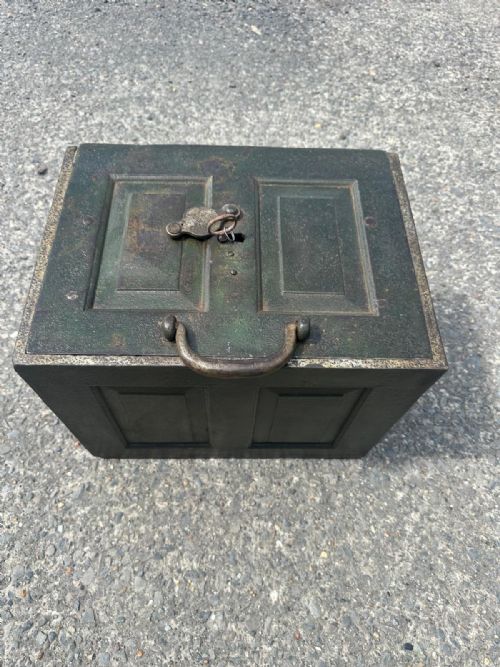
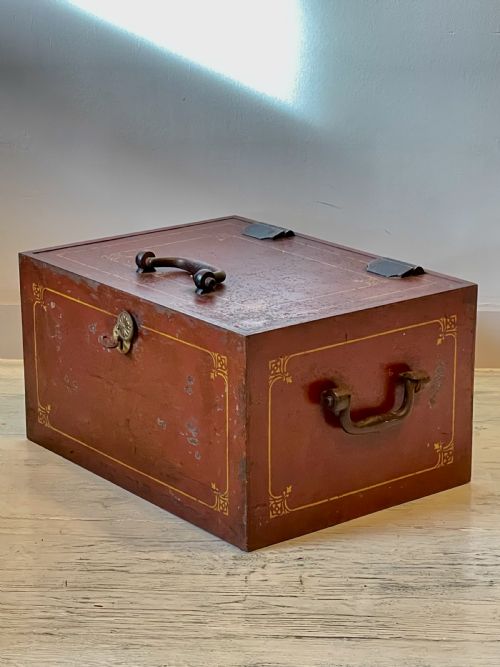
When you search for a 19th century strongbox, you encounter a varied selection of secure storage containers spanning domestic chests and heavy bank safes. The items on this page range from robust iron and wood silver chests to colourful painted Scandinavian pine and oak boxes.
You are most likely to meet Scandinavian hand painted strong boxes alongside Victorian industrial iron lock boxes and patent safes. These objects served to protect valuables in homes, offices and colonial settings during the 1800s.
The category encompasses diverse regional forms, including Scottish and English merchant safes alongside Danish polished steel cabinets. Each piece reflects the specific security needs and aesthetic tastes of its period of origin.
How they were made
Maker workshops utilised heavy materials such as wrought iron, cast iron, brass and steel to construct the primary body and secure locking mechanisms. These metals were frequently combined with structural timbers including oak and pine.
Many items feature hand painted exterior finishes, particularly those originating from Scandinavian folk art traditions. Metal components were often banded, strapped or polished to reinforce the overall structure while providing a decorative surface.
A surprising number of these stern security boxes wear cheerful coats of green and folk art paint.
What varies in quality
The standard of a 19th century strongbox depends upon the complexity of its locking mechanism and the original condition of its materials. Patent designs and fully restored examples with working keys demonstrate superior mechanical preservation.
Visual appeal also influences the standing of individual pieces, particularly regarding the preservation of original paintwork on Scandinavian boxes or the depth of grain in oak and pine chests. Substantial iron banding and structural integrity further distinguish finer specimens.
James Bruce Glasgow·Tanns Defiance London·Milners of Liverpool
The 19th Century Strongbox Glossary
- Strongbox
- A secure container typically made of metal or reinforced wood designed for storing valuables. These boxes often incorporate heavy locks and iron banding.
- Patent safe
- A secure iron or steel box manufactured under a formal registration protecting a specific locking mechanism. Makers such as Milners produced these commercially.
- Silver chest
- A reinforced wooden box, frequently banded with iron, designed specifically for storing heavy tableware and silverware. They often feature internal compartments.
- Folk art
- Artistic work produced from an indigenous culture or peasant tradition, exemplified here by hand painted Scandinavian pine and oak boxes.
- Cast iron
- An iron-carbon alloy poured into a mould to form complex shapes, commonly utilised for robust lock boxes and safe components.
19th Century Strongbox: Frequently Asked Questions
What is a 19th century strongbox?
A 19th century strongbox is a secure chest or box constructed from materials like iron, steel, oak and pine. These containers were built to protect money, documents and silver.
They range from domestic painted pine boxes to heavy industrial iron safes produced by established makers.
How were these strongboxes used?
People utilised these boxes in homes, offices and mercantile settings to safeguard valuable possessions against theft and fire. Silver chests specifically stored heavy tableware.
Many examples remained stationary in counting houses while others travelled in colonial or domestic contexts.
How do I identify Scandinavian pieces?
Scandinavian pieces frequently display hand painted exterior decoration on pine or oak substrates. These items often showcase regional folk art motifs and distinctive colour palettes.
Their construction style differs from industrial British iron safes while serving a similar security function.
Do these strongboxes come with keys?
Some listings note the presence of original keys alongside the primary locking mechanisms. Patent locks and complex internal levers characterised the security of the period.
Compatibility and operational status vary between individual domestic boxes and heavy commercial safes.