

19th Century Storage
These pieces for 19th century storage combine practical utility with period craftsmanship, offering character and domestic organisation for contemporary homes.
19th Century Storage
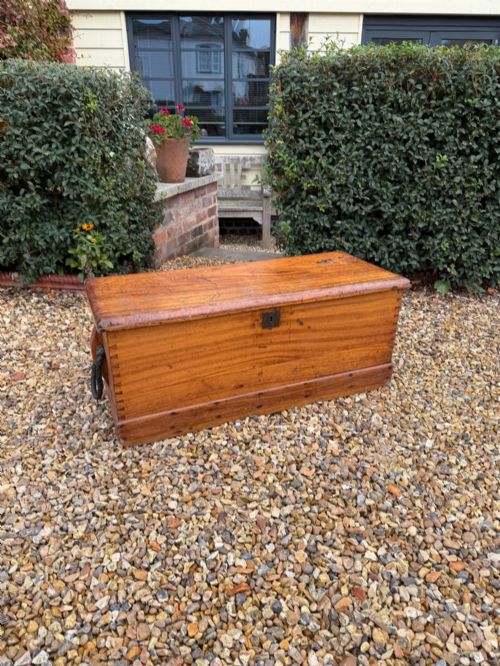
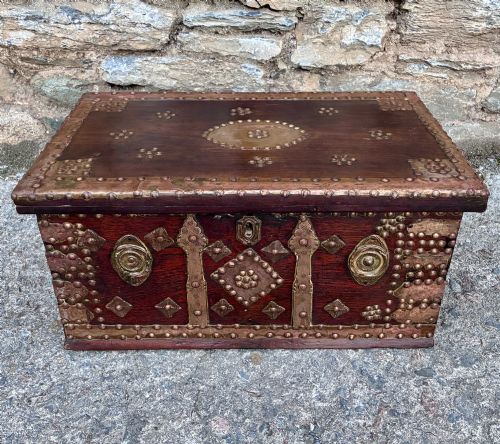
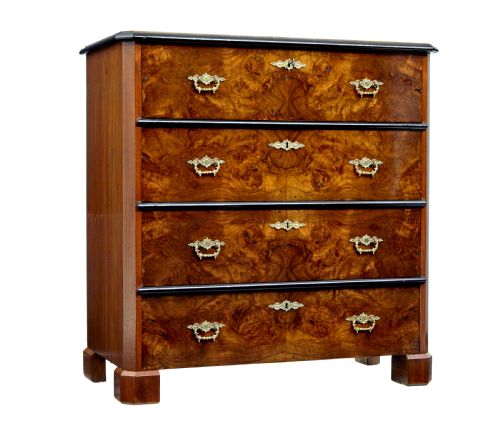
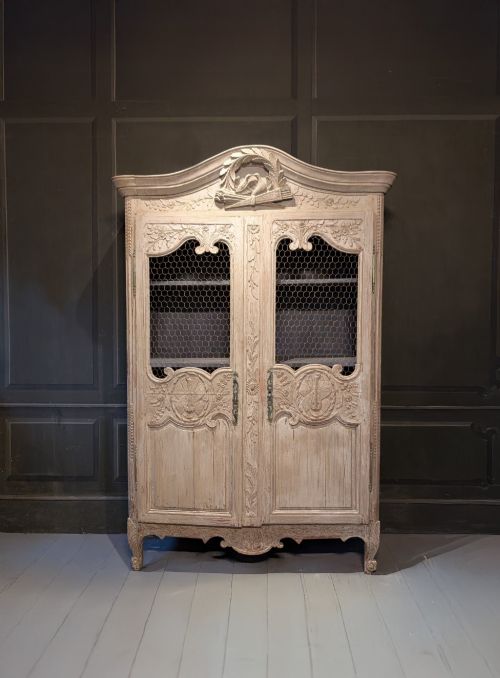
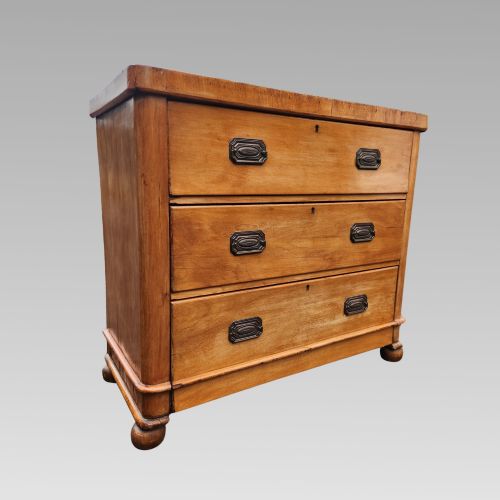
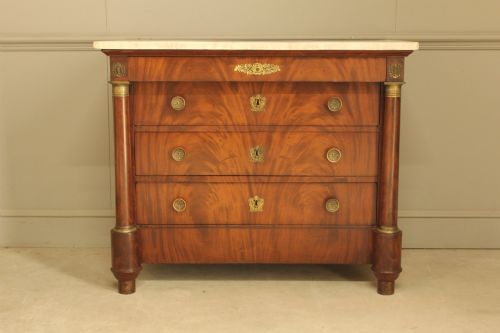
Buyers seeking 19th century storage encounter a diverse array of functional items designed to house belongings within domestic spaces. The selection spans robust pine trunks, refined mahogany chests of drawers, and substantial wardrobes produced throughout the Victorian and Regency eras.
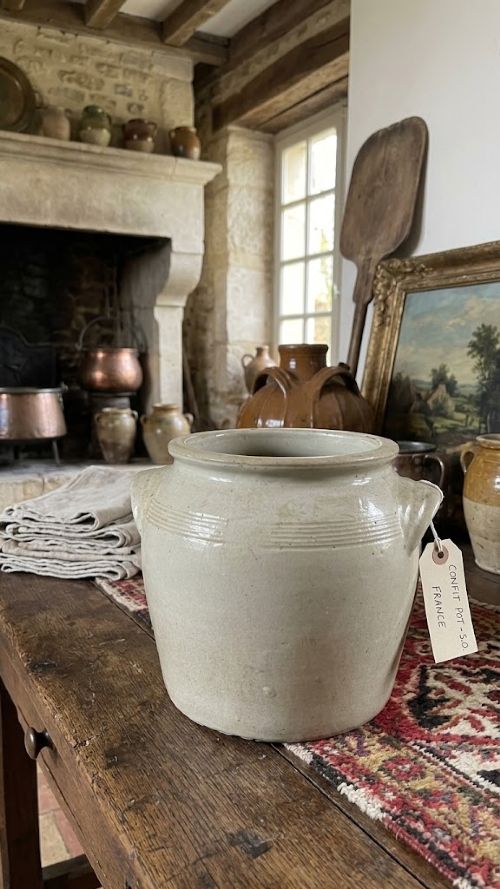
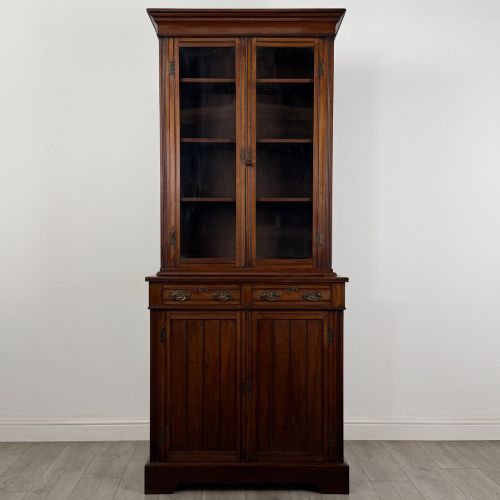
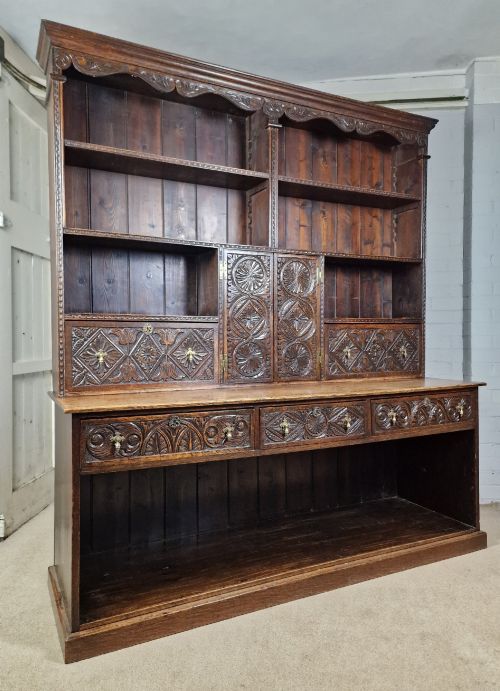
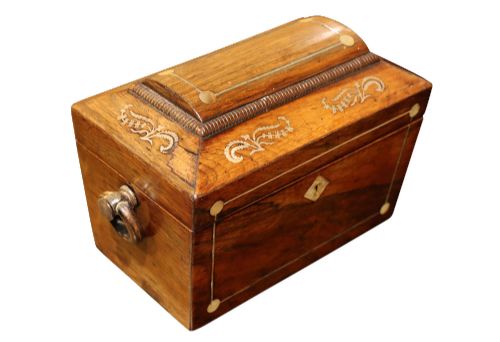
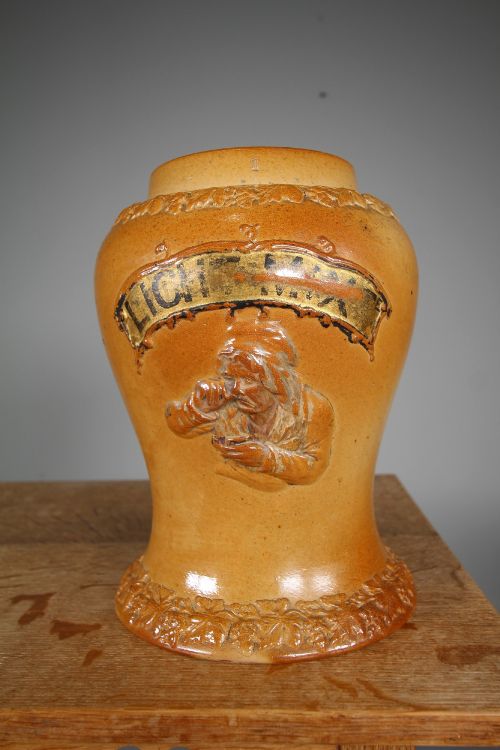
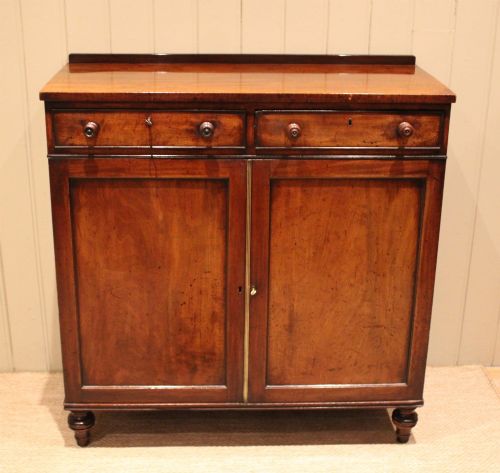
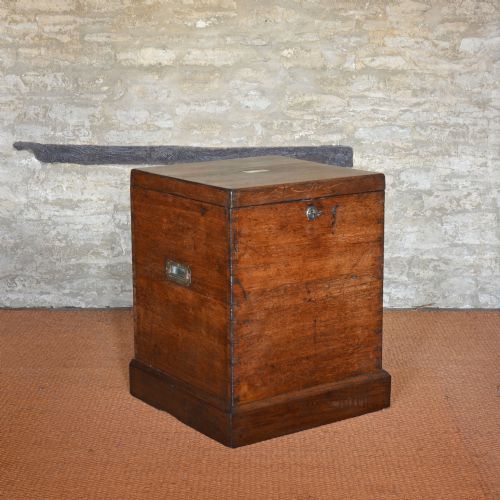
The most common forms on this page are chests of drawers and cabinets, reflecting the period's reliance on dedicated timber furniture for household organisation. Pieces range from small camphor wood chests and tea caddies to large glazed cabinet bookcases and chiffoniers.
Origins vary across English workshops, French provincial centres, and Dutch makers, bringing distinct regional proportions and decorative idioms to the selection. Woods such as mahogany, walnut, oak, and pine predominate, often shaped into bow fronts or vertical tower configurations.
Materials and construction methods
Construction relies heavily on solid hardwoods and softer timbers like mahogany, walnut, oak, and pine, selected for structural stability and surface figuring. Flame mahogany veneers and pollard oak sections appear on finer case pieces, matched with secondary woods for internal drawer framing.
Joinery techniques involve hand-cut dovetails for drawer boxes and mortise and tenon frames for larger carcases, ensuring lasting rigidity without modern adhesives. Brass handles, escutcheons, and decorative mounts punctuate the timber surfaces alongside glass panels in bookcases and cabinets.
19th Century Storage Retail Price Guide 2026
Typical asking prices for 19th century storage among the pieces listed under this phrase on Sellingantiques today, from the lower quarter to the upper quarter. They describe what is for sale here now, not the wider market.
Form variations range from miniature apprentice piece chests to large three-door wardrobes and provincial commodes.
Distinctions in quality
Quality diverges in the selection of timber veneers and the precision of structural joinery, separating utilitarian workshop items from elite cabinet work. Finer examples display carefully aligned grain patterns, such as flame mahogany or figured walnut, maintained across drawer fronts and carcase doors.
Hardware integrity and interior detailing also mark the hierarchy of pieces, from plain pine boxes to fitted collectors cabinets with multiple small drawers. Original brasswork, intact lock mechanisms, and secondary timbers of matching age indicate superior original manufacture.
The 19th Century Storage Glossary
- Bow front
- A convex curved cabinet or chest front that projects outward at the centre. This design softens the room presence of heavy timber furniture.
- Chiffonier
- A low sideboard or cabinet equipped with drawers and doors, popular during the Victorian period. It serves as storage for dining china or salon items.
- Commode
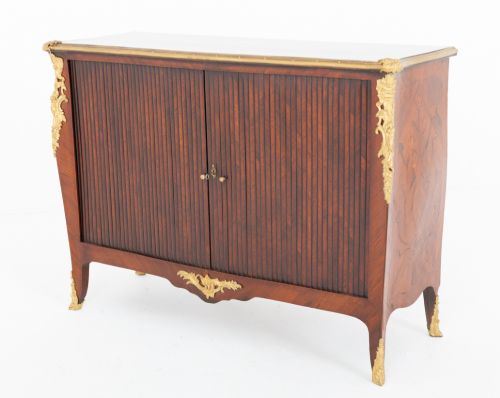
- A low French or continental cabinet featuring multiple drawers or doors. They frequently feature marble tops and decorative walnut or fruitwood veneers.
- Linen press
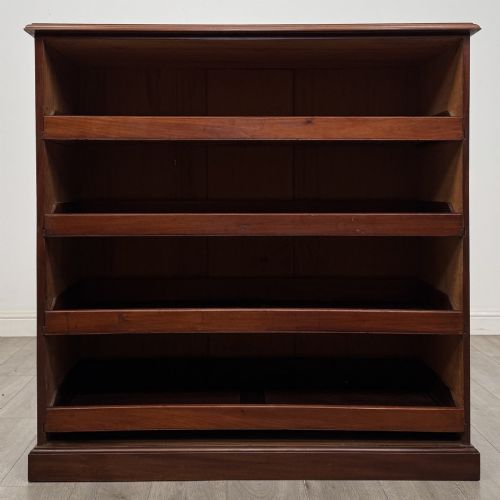
- A tall cupboard featuring sliding trays or shelves behind upper doors, originally designed for storing household textiles. Lower sections typically incorporate chest drawers.
- Caddy
- A small lidded box constructed for holding tea leaves, often fitted with interior compartments. Materials range from turned wood to decorative lacquer.
19th Century Storage: Frequently Asked Questions
How do I identify a Victorian chest?
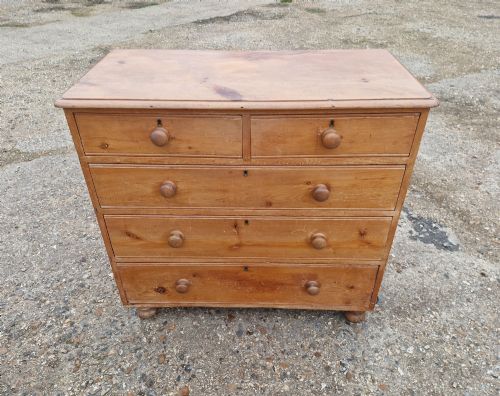
Victorian chests of drawers typically feature dense timbers such as mahogany, walnut, or stained birch, often built with two small drawers over three larger ones. Examine the drawer construction for hand-cut dovetails and solid timber linings.
Stylistic markers can include turned wooden knobs, bracket feet, or plinth bases, reflecting the manufacturing methods of the mid to late nineteenth century.
Where were these storage items used?
Original placement varied from grand country house drawing rooms to modest provincial bedrooms and working offices. Wardrobes and linen presses stood in private dressing quarters, while sideboards and cabinets occupied dining rooms.
Smaller boxes and tea caddies sat on tables or desks, holding portable valuables, writing equipment, or dry goods within domestic interiors.
How do I care for antique wood?
Maintain antique timber storage by keeping pieces away from direct heat sources and fluctuating humidity levels to prevent timber splitting. Dust regularly with a dry cloth and apply occasional clear beeswax to nourish the polished surface.
Avoid commercial silicone sprays, which can penetrate porous historical finishes and damage the underlying patina developed over generations.