


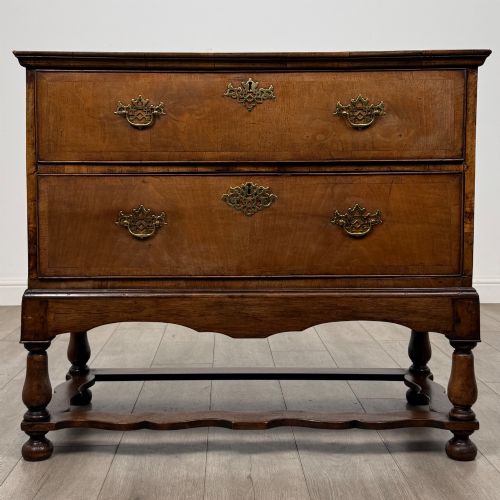
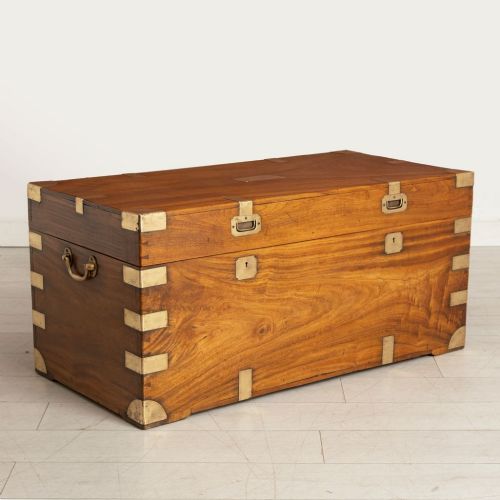
19th Century Storage Coffer
These heavy-duty timber chests served travellers, households and merchants on long journeys.
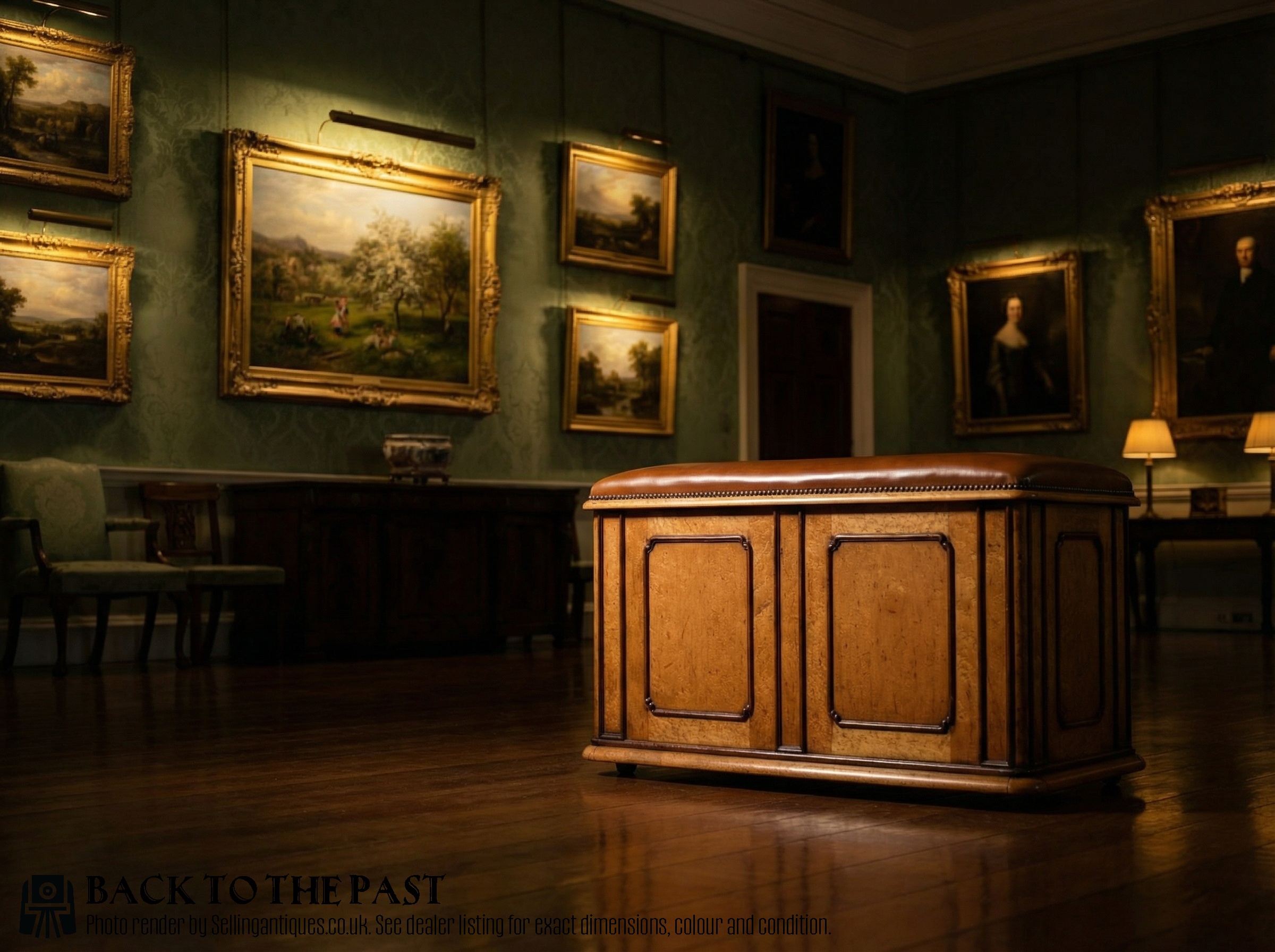
19th Century Storage Coffer
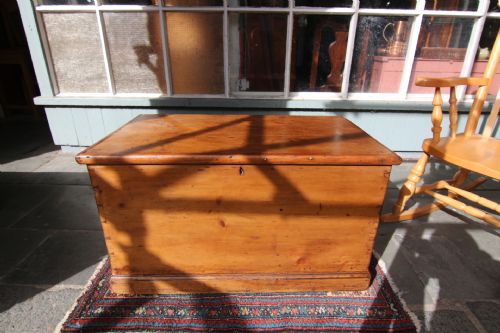
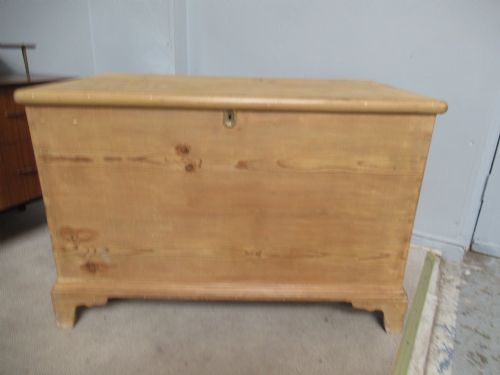
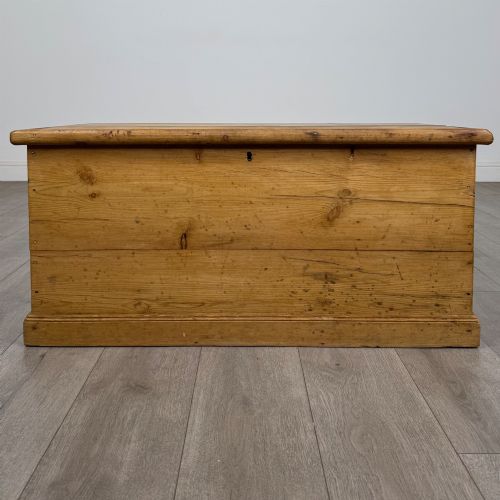
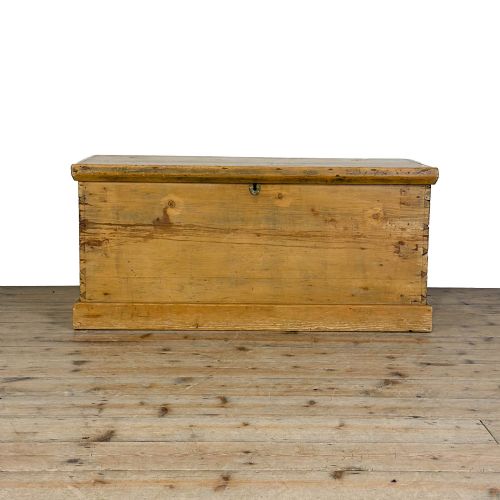
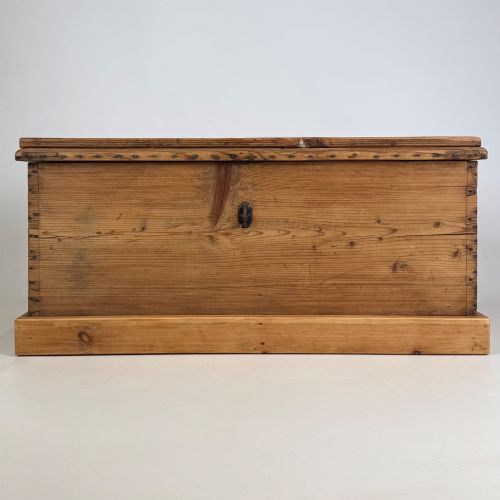
A 19th century storage coffer provides deep utility through hinged lids and robust wooden construction designed to hold blankets, linens and personal possessions. These utility vessels include heavy campaign chests built for transport, country pine blanket boxes and substantial hardwood trunks.
Domestic pieces appear frequently in native pine and oak, often constructed with simple dovetailed joints for rural households. Buyers also encounter exotic hardwoods such as camphor wood and teak, which were utilised alongside brass and iron hardware for durability during transit.
Materials and Construction
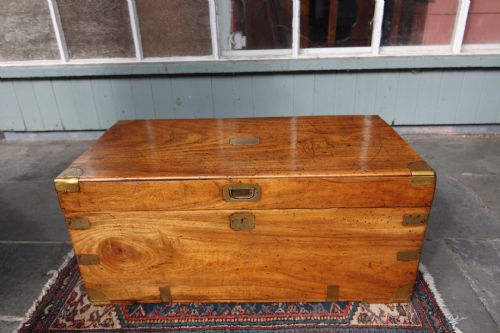
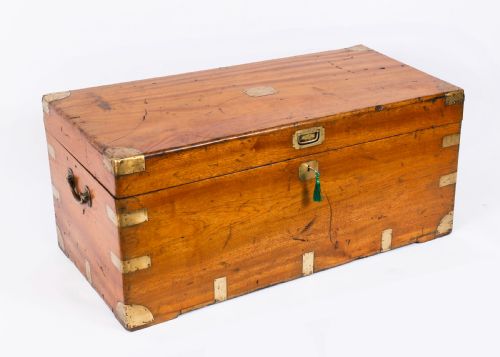
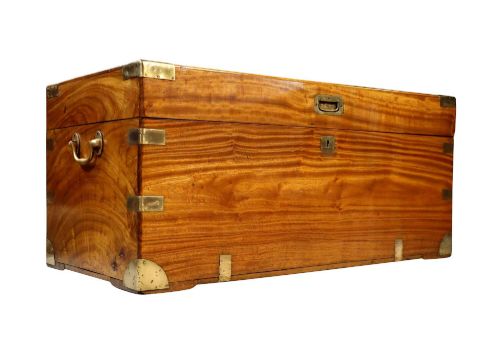
Makers utilised native softwoods like pine alongside durable hardwoods such as oak, teak and camphor wood depending on the intended destination of the vessel. Camphor wood was favoured for campaign pieces due to its natural insect-repellent properties.
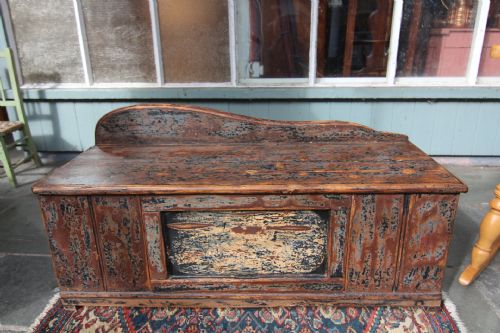
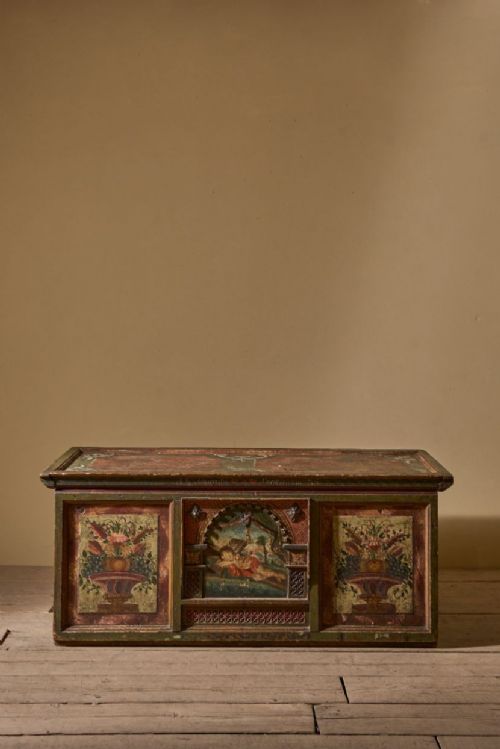
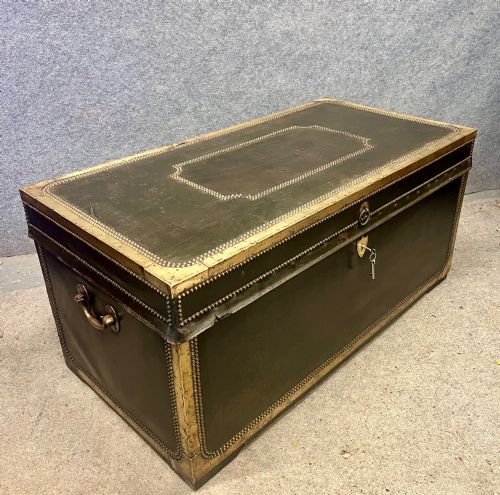
Metal reinforcement defines many examples, employing brass bindings, iron straps, corner plates and studwork to withstand rough handling on ships and carriages. Surfaces were finished with paint, lacquer, scumble glazes or left as bare timber.
Camphor wood chests retain their distinct medicinal aroma after nearly two centuries, acting as a built-in moth repellent for modern woollens.
Assessing the Craftsmanship
Quality rests upon the integrity of the original construction, notably the tightness of the corner joints and the survival of period hardware such as flush-fitting brass carrying handles and working locks. Original hinges and undisturbed timber patination elevate an example above later alterations.
The refinement of internal fittings, such as small lidded till boxes within camphor trunks or fitted compartments in pine chests, indicates a higher grade of commission. The preservation of original painted, lacquered or scumble surfaces also distinguishes superior specimens.
Samuel Pratt
The 19th Century Storage Coffer Glossary
- Campaign chest
- A portable storage chest designed in sections or fitted with carrying handles for military officers and travellers on the move. These pieces typically feature recessed brass hardware to prevent snagging.
- Coffer bach
- A small Welsh oak coffer traditionally given as a wedding gift or dowry chest. They rest on feet and display traditional regional joinery.
- Mule chest
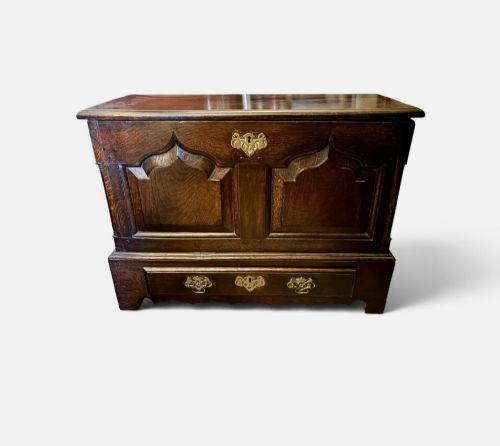
- A storage chest featuring one or more drawers beneath the main hinged compartment. They bridge the evolution between simple blanket boxes and modern drawer chests.
- Scumble pine
- Pine timber treated with a translucent glaze layer and manipulated with combs or rags to imitate more expensive grained hardwoods. It was a popular domestic decorative finish.
19th Century Storage Coffer: Frequently Asked Questions
What did people store inside a 19th century storage coffer?
These vessels held heavy woollen blankets, household linens, uniforms and personal valuables during transit or in domestic chambers. Their robust build protected contents from dust, damp and pests.
Travellers and military officers packed clothing and equipment inside camphor wood trunks for long sea voyages, while rural households kept woolen textiles in pine blanket boxes.
How do I identify a campaign trunk?
Campaign trunks feature recessed brass carrying handles, reinforced metal corners and sectional builds intended for military transport and travel. Their hardware sits flush against the timber to prevent damage during movement.
Many examples utilise fragrant camphor wood or teak to resist tropical humidity and insects during overseas service in the nineteenth century.
Are these chests suitable for modern living rooms?
Their flat lids and sturdy timber construction allow them to function effectively as coffee tables, window seats or end-of-bed storage units. They offer concealed space for spare cushions and blankets.
Placing them in a hallway provides a practical surface for seating while putting footwear and seasonal accessories out of sight.