


Vintage Upholstered Blanket Box
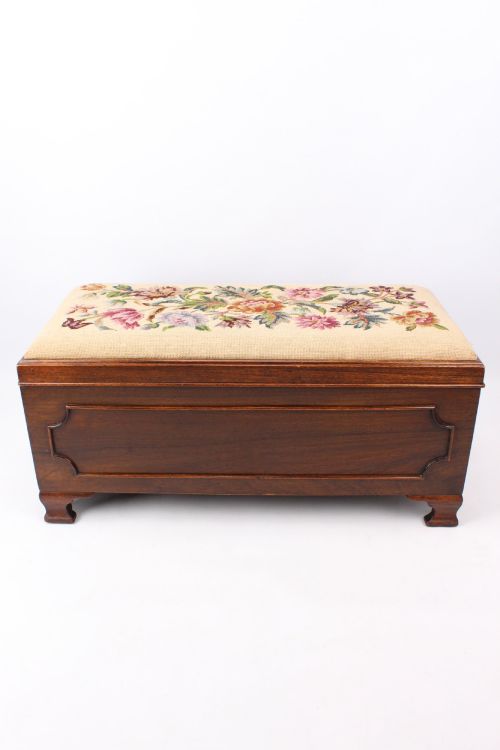
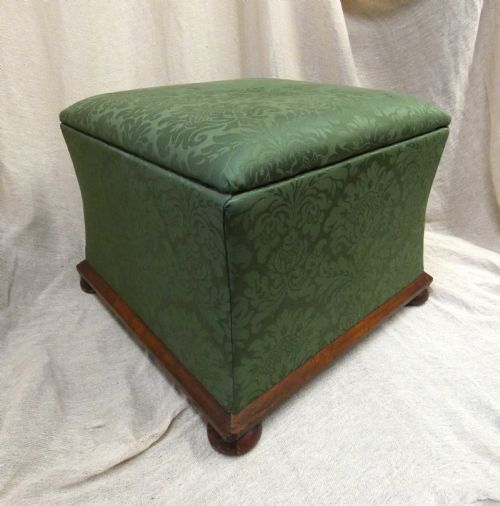
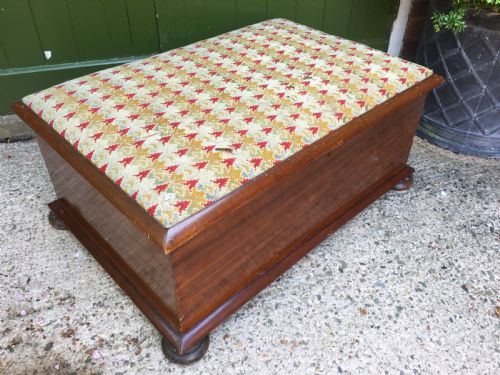
These vintage upholstered blanket box designs combine practical storage with seating, offering a tactile textile finish that brings warmth to a bedroom.
Vintage Upholstered Blanket Box
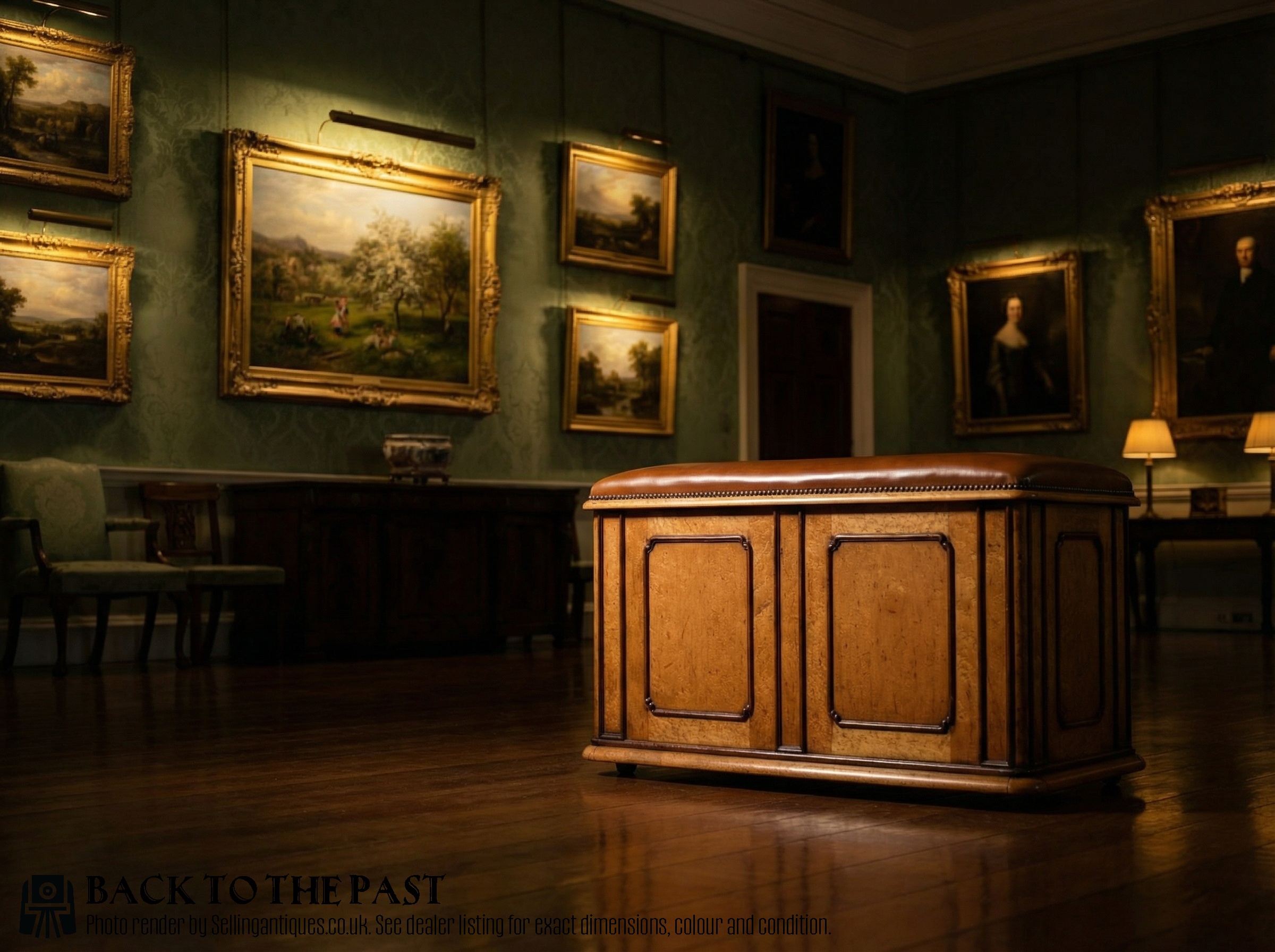
A vintage upholstered blanket box serves as a dual-purpose piece of furniture, functioning primarily as a storage chest while providing a padded seat. Buyers searching for a vintage upholstered blanket box encounter forms that double as ottomans and footstools, bridging the gap between seating and linen storage.
The selections available span from the Victorian era into the early 20th century, capturing both formal country house pieces and more modest examples. Forms vary from concave shapes and birch frames to large mahogany structures fitted with hinged lids.
Most pieces on this page originate from the nineteenth century or date around nineteen-twenty, reflecting the prevalence of robust timber frames and upholstered lids. These chests often anchor the foot of a bed or sit beneath windows, housing blankets and textiles safely out of sight.
Materials and construction methods
Carpenters constructed the structural shells of these chests using hardwoods such as mahogany and birch alongside pine for internal or secondary sections. These solid timbers provided the necessary load-bearing strength to support regular seating use over decades.
Upholstery techniques involved securing heavy textiles like leather, wool, damask, and decorative needlework such as gros-point directly over padded tops. Brass details occasionally appeared as decorative studs or functional hardware, fastening the heavy fabrics securely to the wooden frames.
Listings feature mahogany, birch, and pine frameworks paired with leather, wool, damask, and needlework textiles.
Assessing quality and craftsmanship
Superior examples distinguish themselves through the selection of timber and the ambition of the silhouette, such as concave shaping or finely turned mahogany framing. Better workshops invested time in structural joinery that prevented warping across the expansive lids.
The choice of covering material separates standard utility pieces from high-status commissions, particularly where hand-worked needlework or quality leather remains intact. Original textiles preserved in good condition elevate the overall integrity of the piece significantly.
Hallett and Sons
The Vintage Upholstered Blanket Box Glossary
- Ottoman
- A padded seat or footstool with no back or arms, frequently featuring a hinged top that opens to reveal storage space inside.
- Gros-point
- A type of counted thread embroidery worked on canvas using a heavy yarn, creating a durable and textured surface ideal for seating.
- Damask
- A reversible figured fabric of silk, wool, or linen with patterns formed by weaving, historically used for upholstery and heavy drapery.
- Birch
- A hard, pale timber utilised by nineteenth-century cabinet makers for its fine grain and strong resistance to shock.
- Concave
- A curved inward profile applied to the exterior wooden framing of select storage chests to soften the boxy silhouette.
Vintage Upholstered Blanket Box: Frequently Asked Questions
What is an ottoman blanket box?
An ottoman blanket box is a deep wooden chest fitted with a cushioned lid designed for sitting upon while storing household textiles.
These pieces combine the utility of a traditional blanket chest with the comfort of a padded seat.
Where should I place a storage ottoman?
These chests traditionally sit at the foot of a bed to hold spare blankets, pillows, and seasonal garments.
They also function well in hallways or living rooms where extra seating and hidden storage are required.
How do I date a Victorian storage chest?
Dating relies on examining the timber species, construction joints, and upholstery textiles characteristic of the nineteenth century.
Mahogany framing and hand-stitched needlework tops often point to specific decades within the Victorian era.
Are these chests suitable for daily seating?
Solid hardwood frames and sturdy internal construction allow these pieces to function reliably as seats.
Care should be taken with delicate antique textiles on the lid to preserve the historical upholstery surface.