



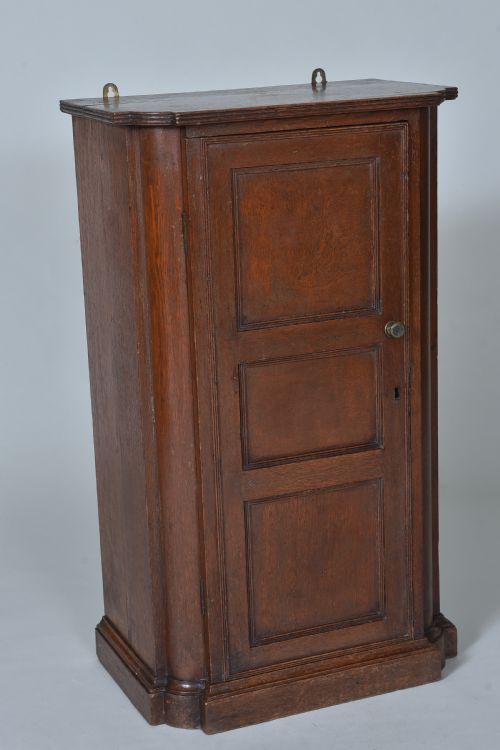


19th Century Spice Cabinet
These 19th century spice cabinet examples are compact timber storage pieces valued for their period utility and charming scale.
19th Century Spice Cabinet
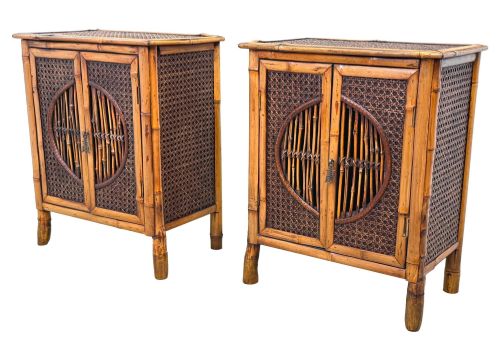
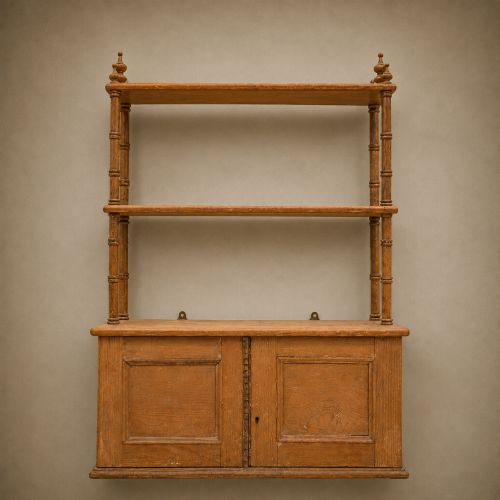
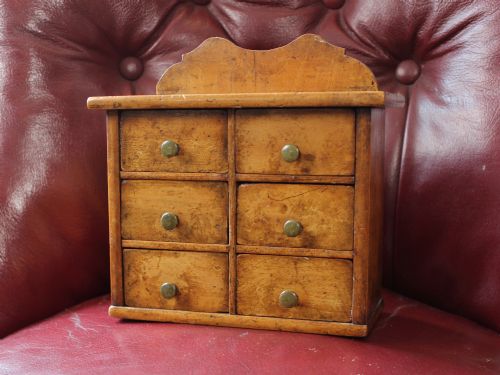
A 19th century spice cabinet serves as a compact storage unit designed for kitchen herbs, medical ingredients, or domestic valuables, emerging most frequently here as wall-hanging cupboards or tabletop chests of drawers from the Victorian and Regency periods.
The selection ranges from utilitarian pine and oak wall boxes to more formal mahogany or burr walnut miniature cabinets, alongside distinctive painted Scandinavian folk art pieces and fruitwood drawer sets.
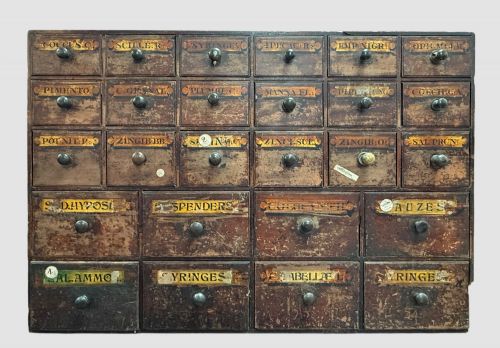
Buyers will encounter various formats including apothecary banks of drawers, estate-made cupboards, and hanging kitchen racks, all sharing a domestic scale suited to small spaces.
How They Were Made
Cabinetmakers utilised sturdy primary woods such as oak, mahogany, and pine, often combining oak and pine within a single wall-hanging spice box or employing fruitwood for drawer construction.
Surface treatments vary from polished burr walnut and inlaid mahogany to decorative painted finishes found on Scandinavian pine cupboards.
Construction details incorporate small brass hardware, iron fittings, and occasionally intricate bone, abalone, or ebony inlay work.
19th Century Spice Cabinet Retail Price Guide 2026
Typical asking prices for 19th century spice cabinet among the pieces listed under this phrase on Sellingantiques today, from the lower quarter to the upper quarter. They describe what is for sale here now, not the wider market.
The listings here feature oak, pine, and mahogany alongside painted Scandinavian pine and exotic inlaid surfaces.
What Varies in Quality
Quality rests in the choice of timber and the ambition of the design, moving from plain estate-made pine to finely figured mahogany, burr walnut, or exotic inlaid surfaces.
The sophistication of the construction distinguishes standard utilitarian kitchen boxes from high-status miniature furniture, seen in joinery precision and decorative detailing such as brass mounts or floral mahogany work.
The 19th Century Spice Cabinet Glossary
- Bank of drawers
- An arrangement of multiple small drawers stacked together. These units were typically utilised for sorting specific goods like apothecary items or spices.
- Wall cupboard
- A compact enclosed storage cabinet designed to be hung upon a wall. They save floor space while keeping contents secure behind doors.
- Miniature cabinet
- A scaled-down furniture piece constructed with the same joinery as full-size equivalents. Makers often produced these as apprentice pieces or for desktop use.
- Fruitwood
- Timber sourced from fruit-bearing trees such as pear or apple. Cabinetmakers favoured it for small drawers and decorative highlights due to its dense, even grain.
- Folk art
- Utilitarian objects decorated within regional traditions rather than formal academic styles. Swedish painted cupboards demonstrate this colourful vernacular approach.
19th Century Spice Cabinet: Frequently Asked Questions
Where were these cabinets placed in a home?
These compact units were typically mounted on kitchen walls for easy access during food preparation or placed upon tables and desks in private rooms.
Wall-hanging versions kept provisions within reach while preserving limited floor space in 19th-century interiors.
How do I care for antique timber?
Keep wooden cabinets away from direct sunlight and sudden temperature shifts to prevent the timber from drying out or splitting.
Apply a traditional beeswax polish occasionally to nourish the surface and maintain the natural lustre of the wood.
What is the difference between spice and apothecary cabinets?
Spice cabinets generally feature small doors enclosing shelves or a few drawers intended for culinary provisions.
Apothecary chests consist primarily of multiple small drawers designed to organise various medicinal herbs, powders, and ingredients.
Can these cabinets support weight on top?
Their modest scale and wall-hanging construction mean these pieces are built for light storage rather than heavy loads.
Displaying small decorative items on top is suitable, but heavy objects should be avoided to protect the historical structure.