
19th Century Sevres
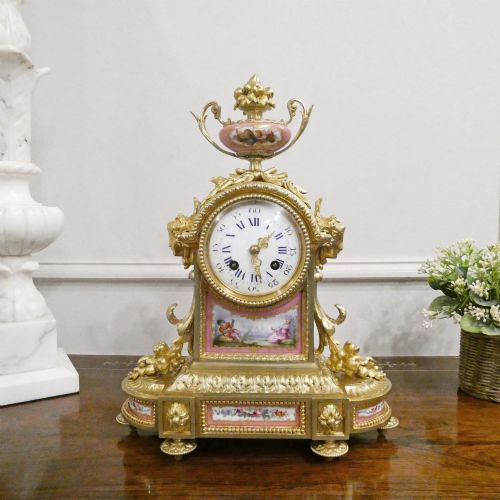
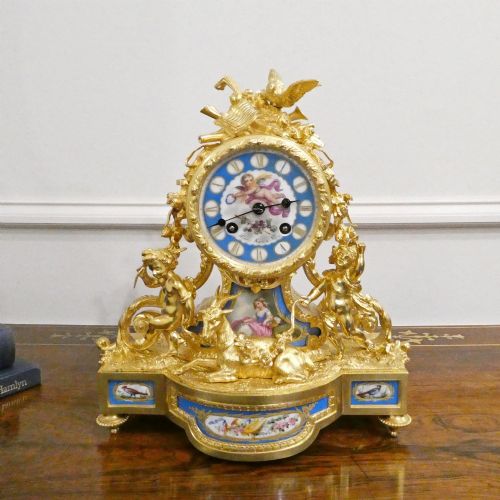
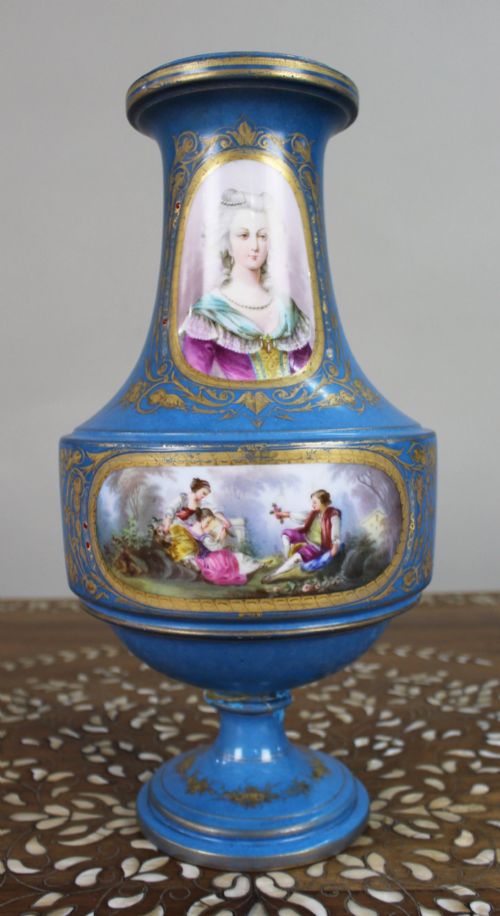
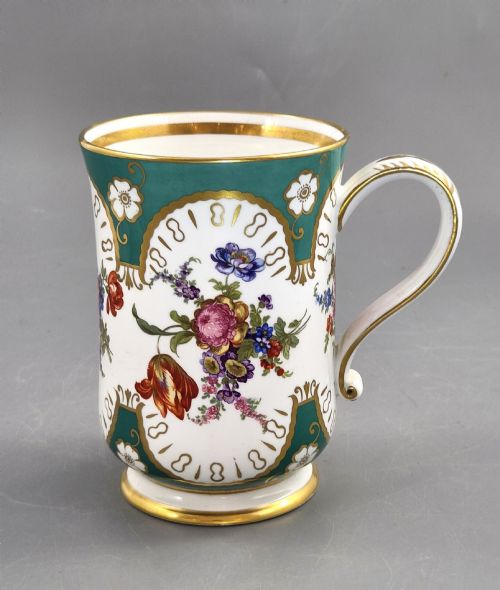
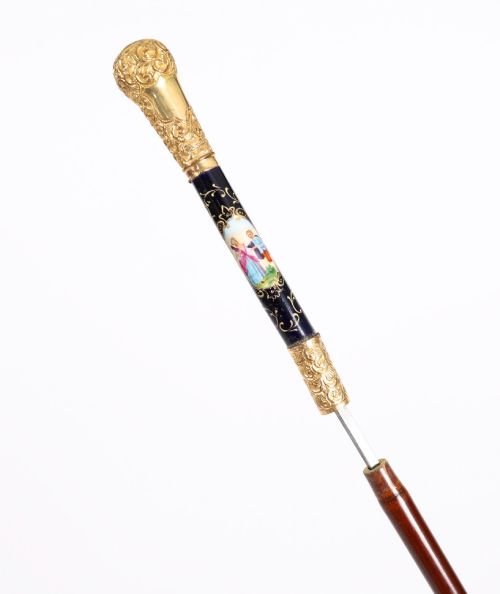
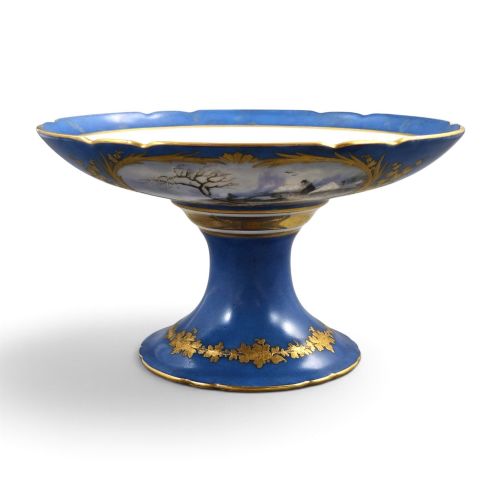
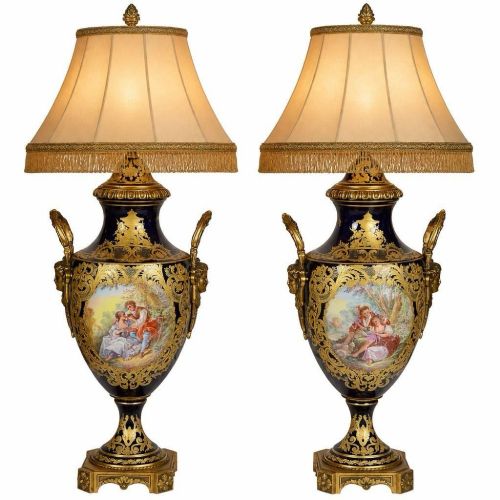
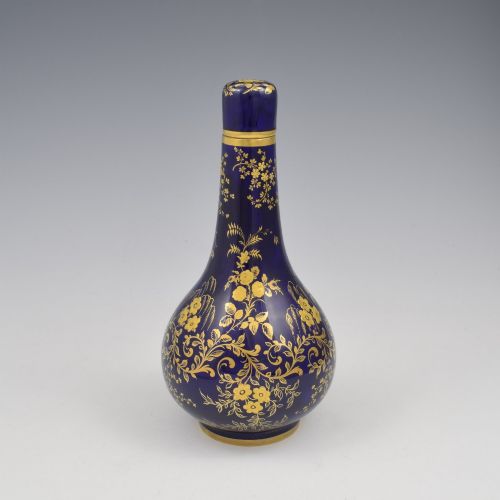
These pieces of 19th century sevres bring French elegance into a room through hand-painted porcelain panels and gilt mounts.
19th Century Sevres
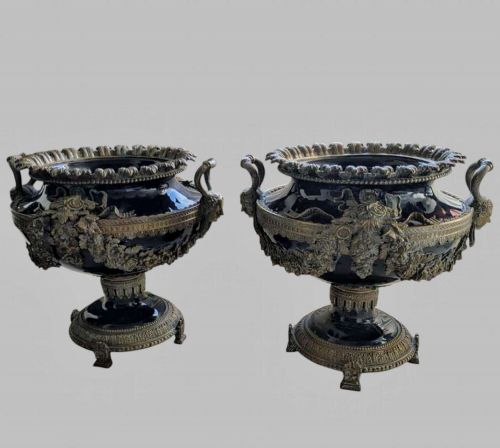
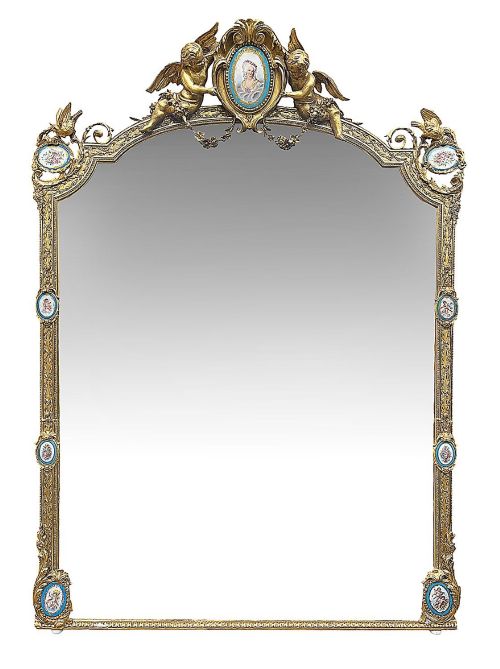
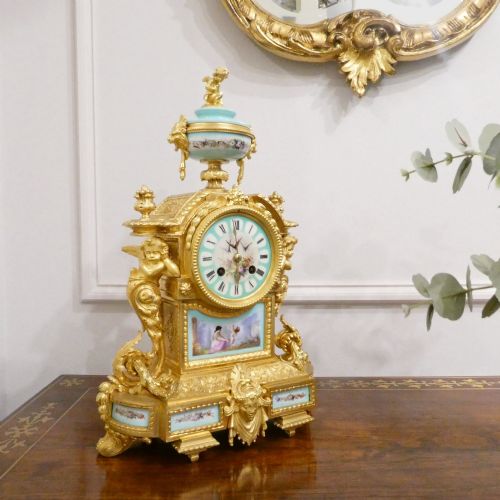
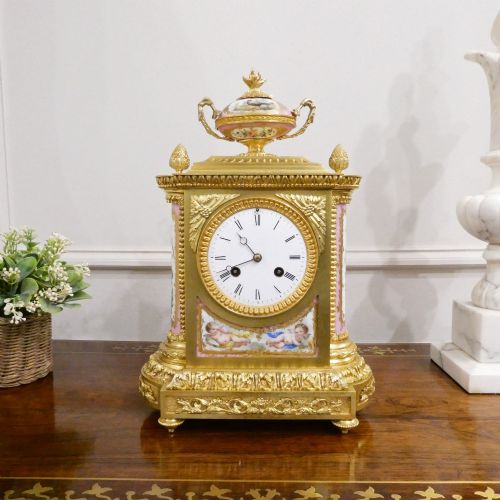
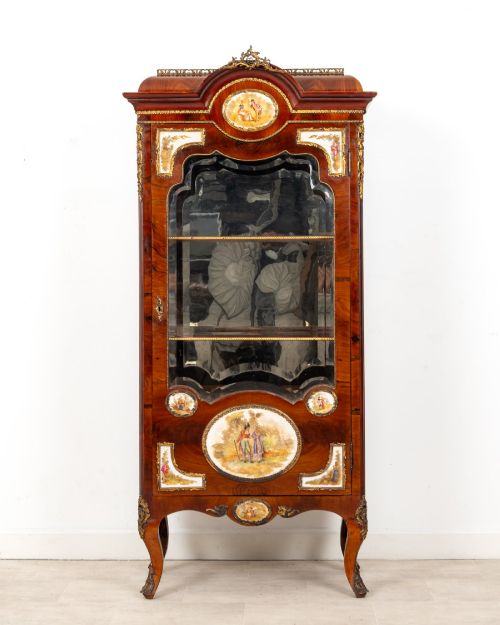
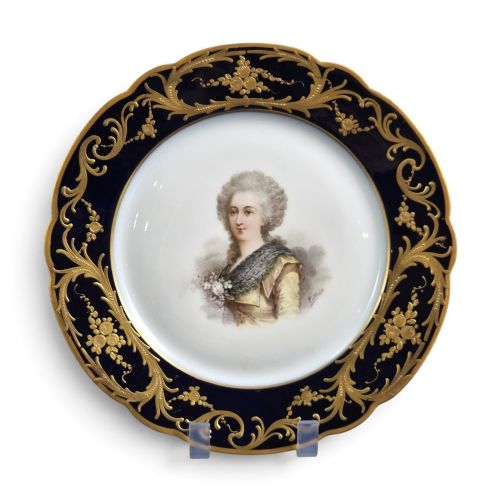
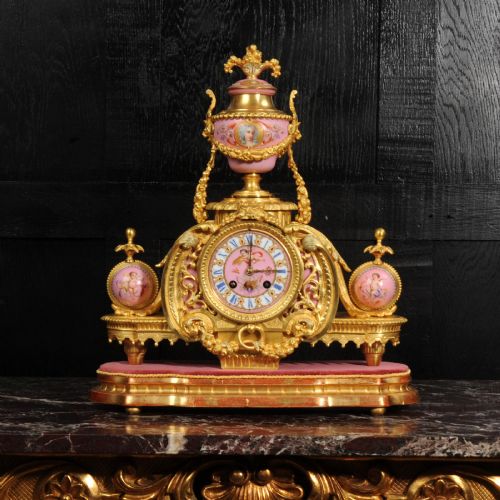
Buyers exploring 19th century sevres encounter a wide assortment of decorative and functional objects produced during the Victorian era and the later decades of the nineteenth century. The selection ranges from mantel clocks and lidded vases to display cabinets, writing desks, and small portrait plates.
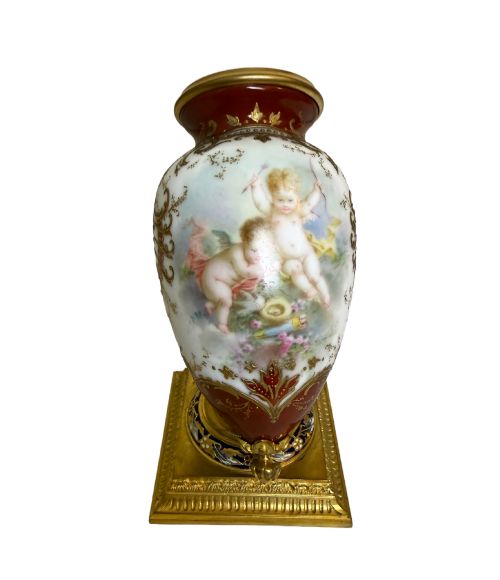
Many items incorporate porcelain plaques into furniture or pair ceramic bodies with metal mounts in the French Rococo and Louis XVI revival styles. Vases and clocks often feature cobalt blue or bleu céleste grounds accompanied by hand-painted details.
The objects stem from French manufacturing traditions, including pieces bearing direct attribution to the Sevres factory alongside items produced in the wider Sevres style by contemporary makers.
Materials and Construction
The construction relies on the combination of fired ceramic porcelain and cast metal mounts, predominantly utilising ormolu, gilt bronze, and gilt metal to frame the central ceramic elements. Woods such as kingwood, walnut, and rosewood form the structural carcasses of desks, cabinets, and caskets.
Surface decoration involves hand-painted enamel portraits, floral motifs, and gilded detailing applied over coloured porcelain grounds. Champlevé enamel and gold leaf provide additional ornamentation on select clock sets, centrepieces, and jewellery caskets.
Listings feature mantel clocks, vases, and desks incorporating porcelain plaques across Victorian and Napoleon III periods.
Markers of Quality
Quality in these pieces rests upon the precision of the bronze casting and the execution of the hand-painted porcelain artistry. Finer examples display crisp chasing on the ormolu mounts and finely rendered portraits or landscapes on the ceramic plaques.
The integration of the porcelain into the supporting wooden furniture or metal frames dictates the overall refinement of the piece. Superior items exhibit harmonious proportions between the ceramic components and the surrounding woodwork or metalwork.
Jean-Baptiste Delettrez·Achille Brocot·Japy Freres·Henry Marc·Leroy Paris
The 19th Century Sevres Glossary
- Ormolu
- Gilt bronze mounted onto furniture or clocks, created through a mercury gilding process. It provides metallic contrast to the porcelain plaques.
- Bleu Céleste
- A bright sky blue ceramic ground colour developed at the Sevres factory. It appears frequently on decorative vases and cabinet plates.
- Jardiniere
- A decorative container or planter designed for flowers or plants. They frequently incorporate porcelain panels and ormolu mounts.
- Bonheur Du Jour
- A small light lady's writing desk. These often feature inset porcelain plaques and interior compartments.
- Champleve
- An enamelling technique where artists sink troughs into a metal surface to hold enamel paste. The metal partitions remain visible between the fired colours.
19th Century Sevres: Frequently Asked Questions
What are 19th century sevres pieces?
These items comprise French porcelain objects, mantel clocks, vases, and furniture mounted with ceramic plaques produced during the nineteenth century. They reflect revivalist decorative styles popular across the Victorian period.
Many pieces utilise distinctive coloured grounds and hand-painted portraits or pastoral scenes framed in gilt bronze.
How were these items used originally?
The objects served functional and decorative roles in nineteenth-century drawing rooms and parlours. Clocks measured time on mantelpieces while cabinets and desks provided storage for correspondence and valuables.
Vases, jardinières, and centrepieces acted as ornamental displays for floral arrangements or interior decoration.
How do I care for sevres porcelain?
Maintenance requires gentle dusting with a soft cloth to protect the painted enamel and gilded surfaces. Avoid harsh chemical cleaners or abrasive materials that might damage the glaze.
Keep the items away from direct sunlight to preserve the vibrancy of the coloured porcelain grounds and gilt bronze mounts.
How can I distinguish period pieces?
Authentication relies on examining the construction methods of the underlying wood, metal castings, and ceramic bodies. Ormolu mounts and cabinet joinery typically align with nineteenth-century French manufacturing techniques.
Signatures, foundry marks, or factory ciphers found on the porcelain or metalwork help clarify the origin and approximate date of creation.