
19th Century Seating
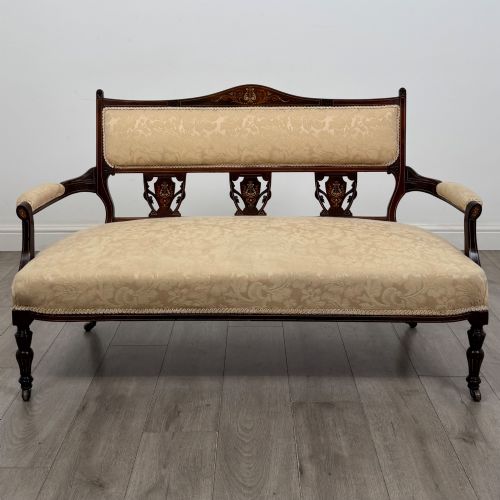
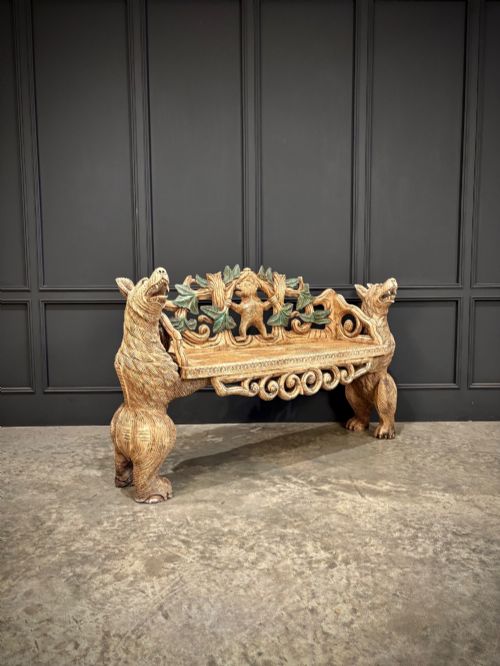
These pieces of 19th century seating bring tactile warmth and period character to a modern interior through enduring timbers and rich textiles.
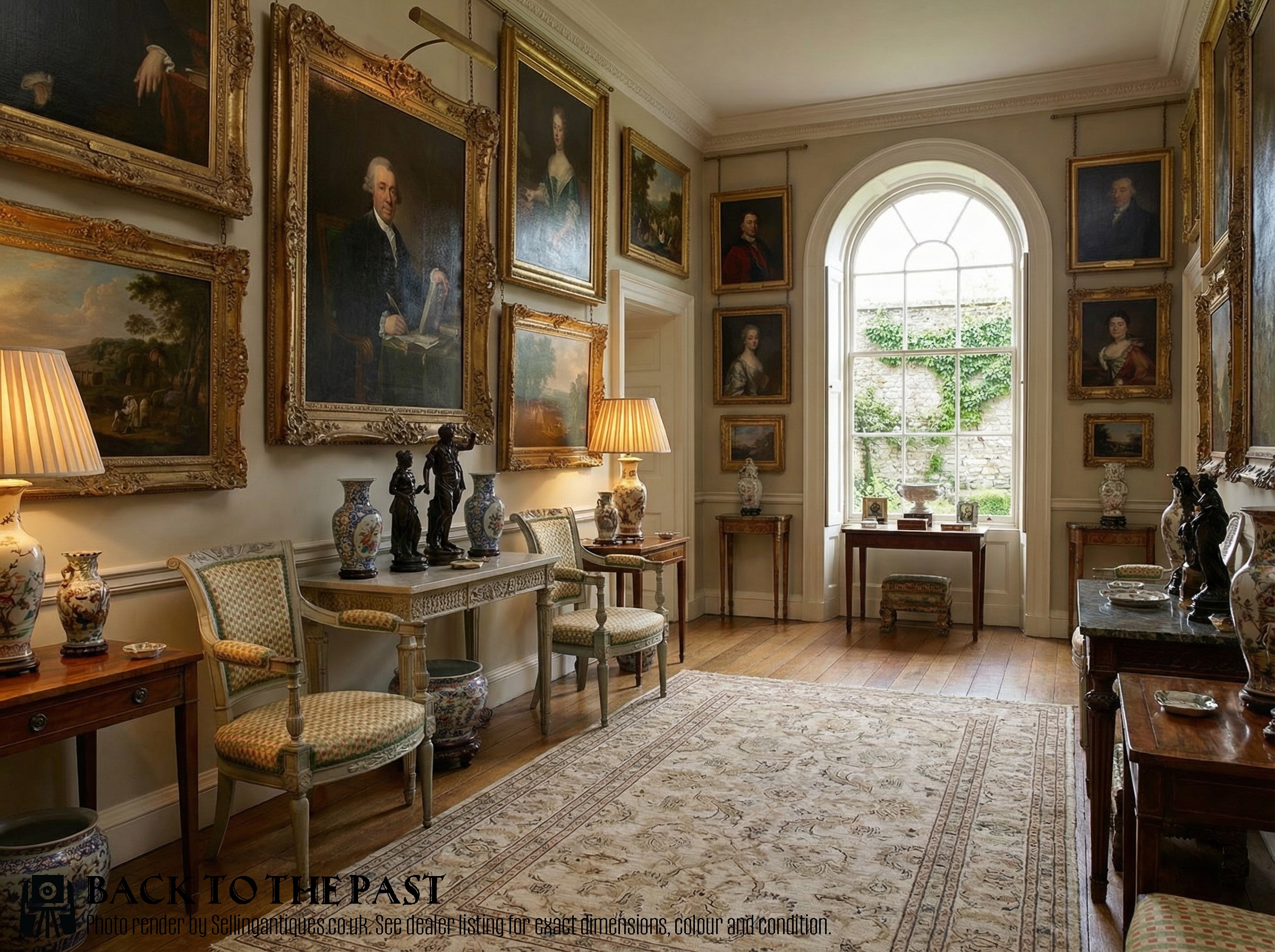
Understanding 19th century seating
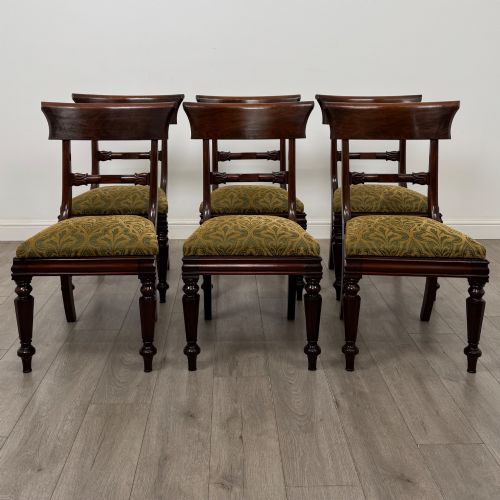
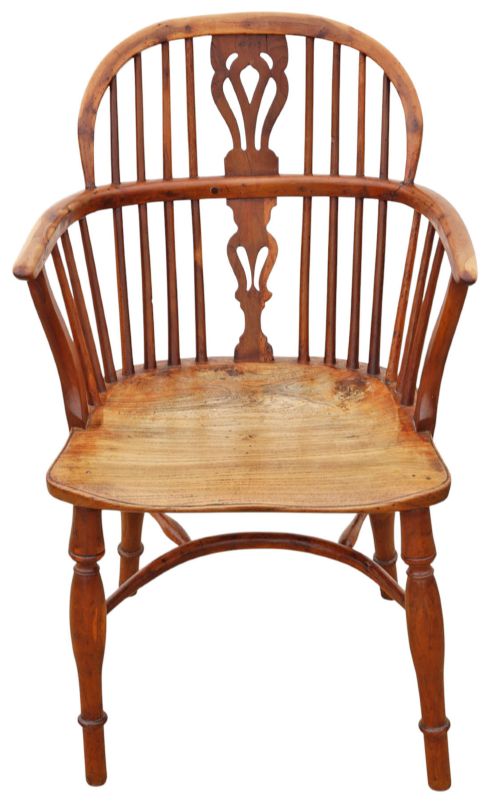
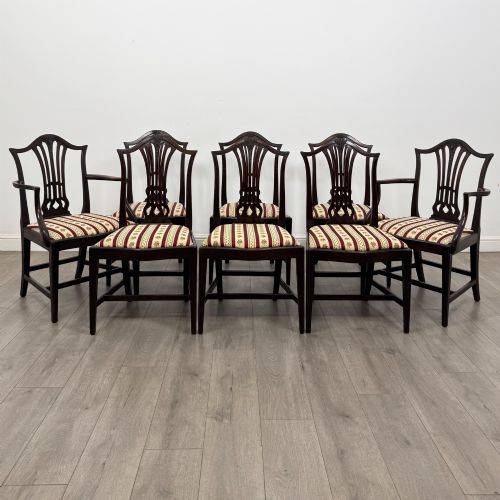
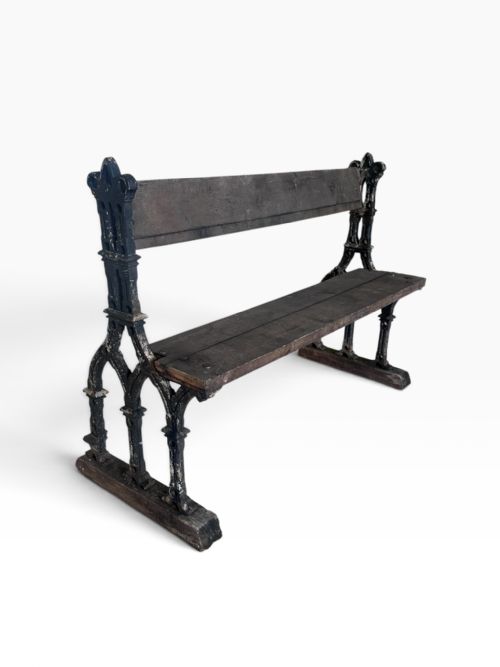
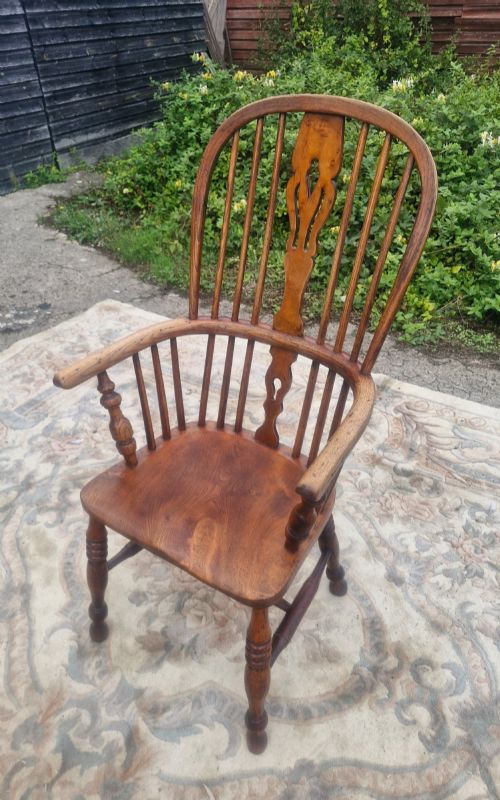
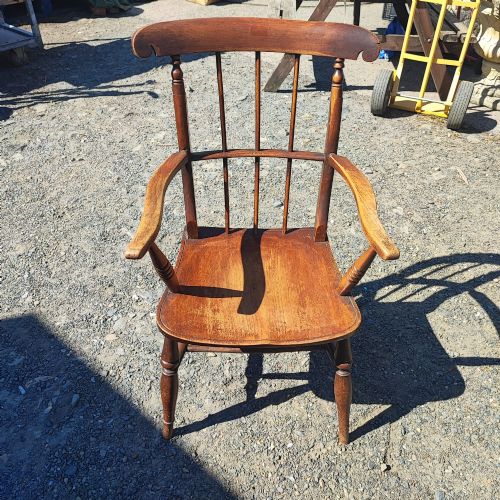
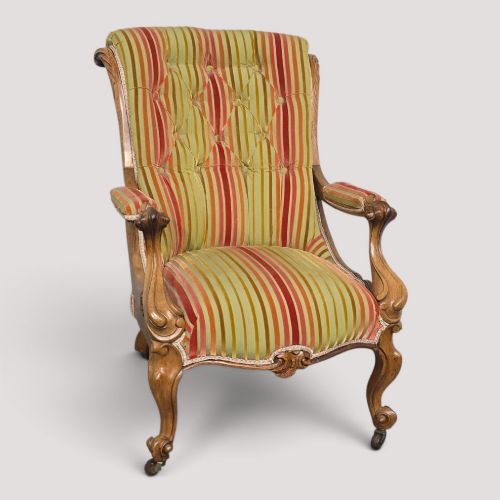
When you search for 19th century seating, you encounter a robust selection of dining chairs and armchairs shaped by changing tastes across the decades. Sets of dining chairs dominate the field, alongside French armchairs and Gustavian style seating.
The most common pieces you meet on this page are dining chairs in sets of eight, fashioned from mahogany or walnut and carrying the stylistic weight of the Regency and Victorian eras. Alongside these formal sets, occasional armchairs provide comfortable lounging options.
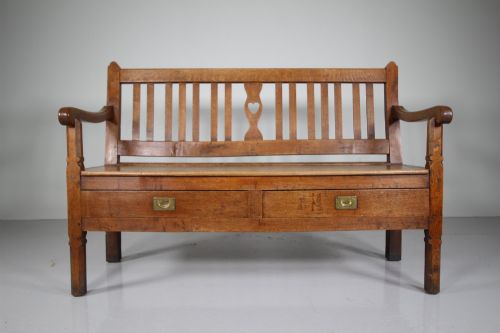
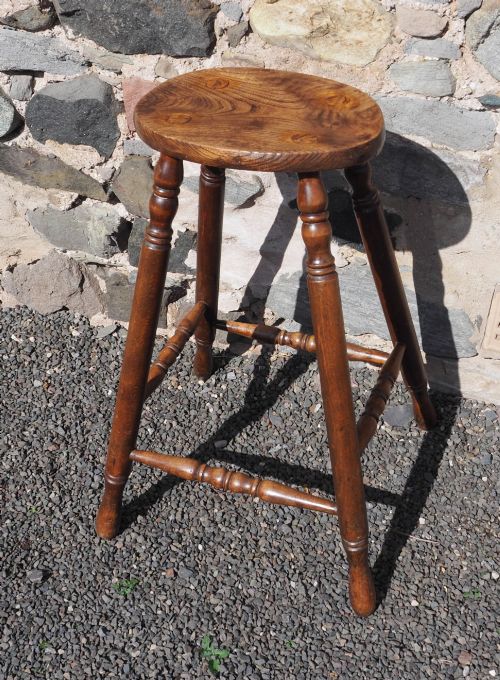
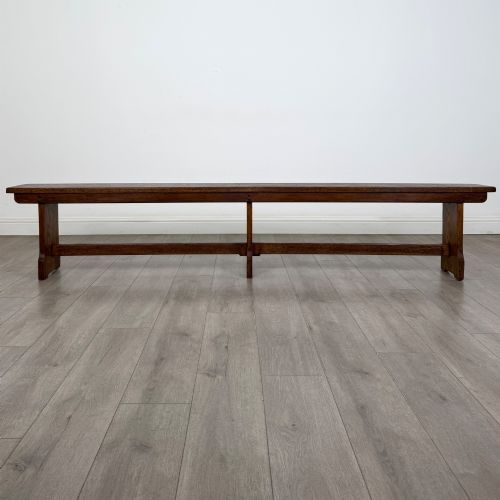
The materials and aesthetic influences span from English Regency and Queen Anne revival forms to French Napoleon III and Swedish Gustavian neoclassical designs. Elm also appears in vernacular refectory table seating, grounding the selection in domestic utility.
Materials and construction
Makers relied primarily on dense hardwoods such as mahogany and walnut, selected for their stability and capacity to hold carved detail. Elm also served for sturdier vernacular forms where resilience mattered more than polished show.
Upholstered elements depended on traditional stuffing techniques paired with tactile surface textiles. Fabrics such as velvet and damask completed the seating, securing comfort alongside formal elegance.
Retail Price Guide 2026
Typical UK retail prices for 19th century seating, calculated from the Sellingantiques database of over a million retail prices indexed since 2003. This retail price guide relies exclusively on Sellingantiques data; no external sources or auction records are used, so the figures do not describe the wider market.
Design influences across the inventory extend from English Regency and Victorian production to French Napoleon III and Swedish Gustavian neoclassical aesthetics.
Distinguishing quality
Quality rests upon the crispness of timber carving and the integrity of the underlying frame joinery. Superior examples maintain structural tightness and harmonious proportions across an entire set rather than solitary pieces.
The choice of covering material and the fidelity of revival styles also mark the grade of the work. Richer textiles like silk damask and precise historical styling separate standard utilitarian output from elevated artisan production.
The 19th Century Seating Glossary
- Gustavian
- The Swedish neoclassical style promoted under Gustav III, known for pale painted finishes and restrained fluting. It brings an airy lightness to nineteenth century interiors.
- Damask
- A reversible figured fabric woven on a jacquard loom with patterns formed by contrasting warp and weft threads. It provided sumptuous texture for period upholstery.
- Napoleon III
- A French eclectic style of the mid-nineteenth century that revivalistically combined past royal aesthetics with deep buttoned comfort and rich ornamentation.
Frequently Asked Questions
How do I care for antique upholstery?
Protect delicate textiles like velvet and damask from direct sunlight to prevent fading and fibre degradation over time. Gentle vacuuming with a soft brush attachment helps remove dust without damaging the weave.
Avoid harsh chemical cleaners on historic fabrics and consult a professional textile conservator for deep cleaning. Maintaining stable indoor humidity also preserves both the wooden frames and the internal stuffing.
Are large dining chair sets usable daily?
Most nineteenth century dining chairs were built from dense hardwoods like mahogany and walnut to withstand robust daily use. Checking frame stability ensures they can safely accommodate modern sitters at the dining table.
Adding discreet modern glides to the feet can protect both the chair legs and hard floor surfaces from unnecessary wear. With sensible care, these chairs function reliably for everyday meals.
What defines the Gustavian style?
Gustavian design draws on French neoclassical elegance filtered through a distinct Swedish interpretation favouring lighter tones and functional grace. It emerged strongly in the nineteenth century through painted woodwork and understated carved details.
This aesthetic suits contemporary spaces seeking calm neutrality combined with historical depth. The style bridges formal classical architecture and approachable domestic comfort.
How do I identify a revival style?
Revival pieces borrow decorative motifs from earlier eras, such as Queen Anne cabriole legs or Regency saber profiles, while using nineteenth century manufacturing methods. Examining the timber age and construction joints helps clarify the true period of creation.
Stylistic cues often appear slightly heavier or more standardised than genuine eighteenth century precedents. Catalogues and dealer listings provide useful benchmarks for comparing these design shifts.