

19th Century Portraiture
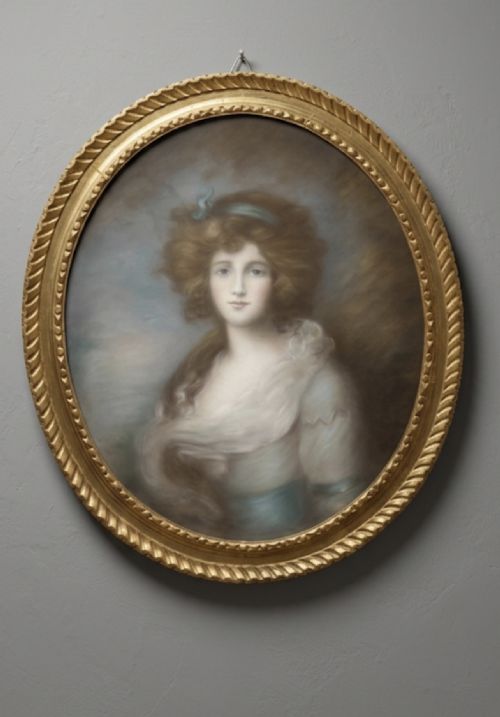
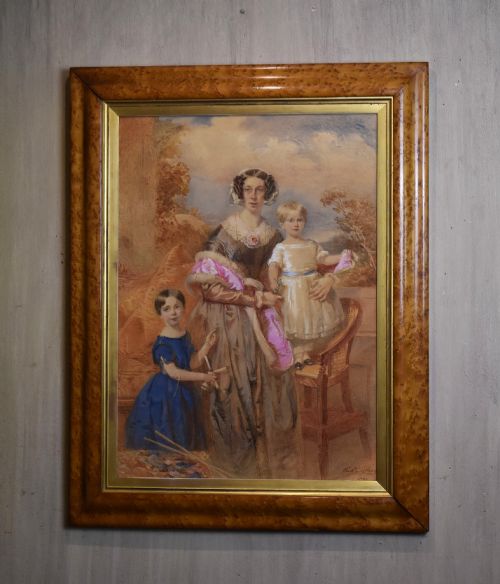
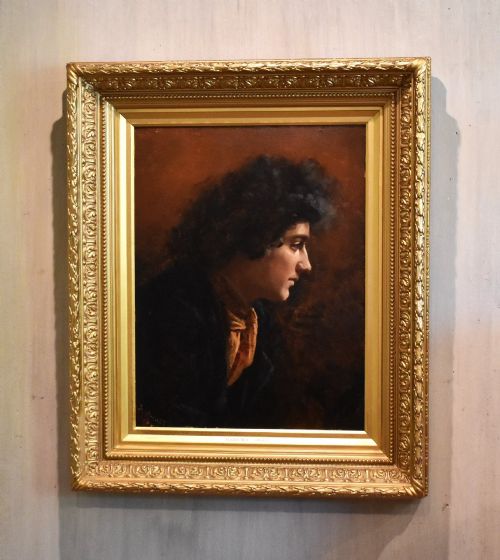
Nineteenth century portraiture captures the likenesses of sitters in oil on canvas, pastel, and watercolour across Regency and Victorian eras.
19th Century Portraiture
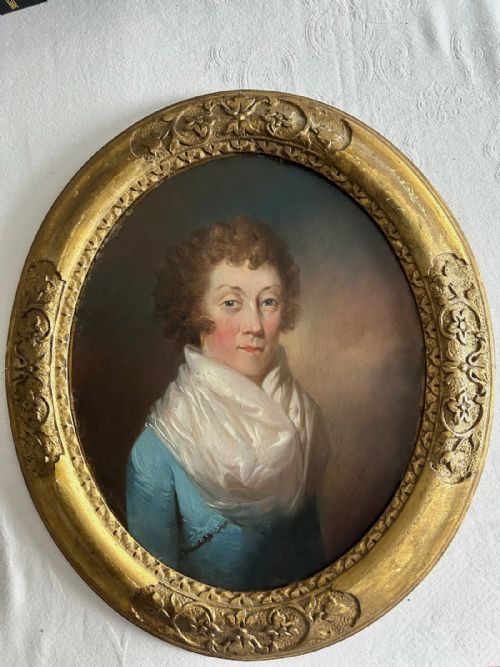
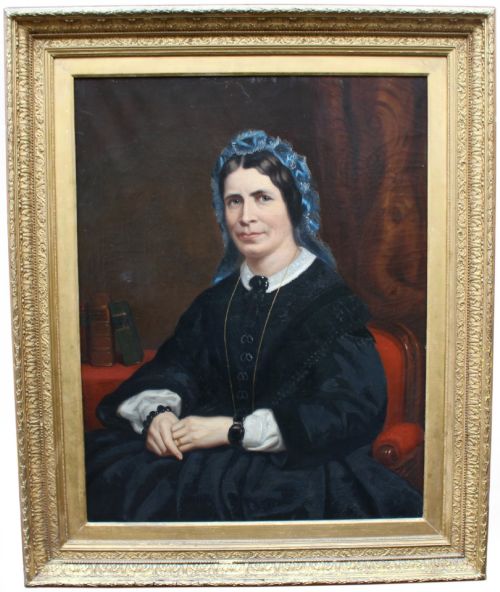
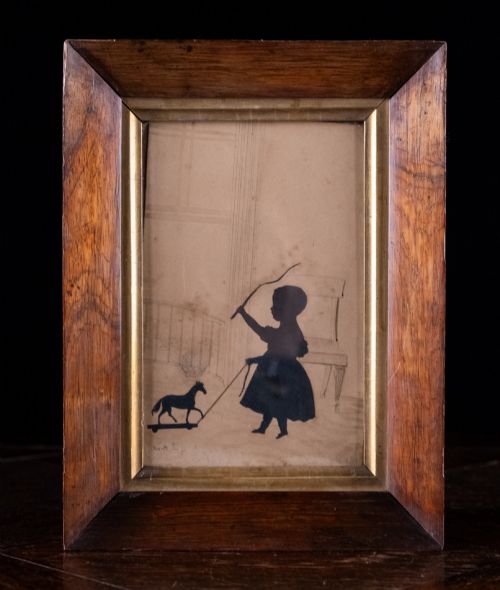
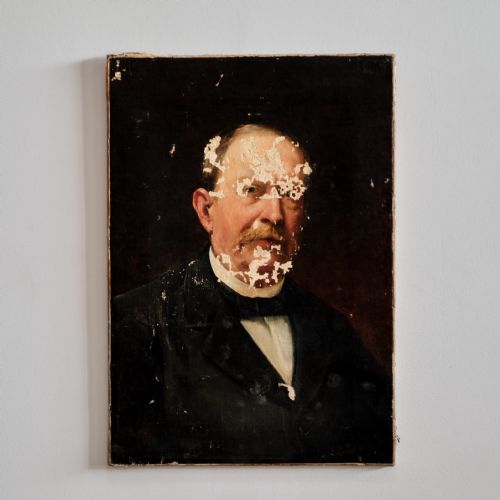
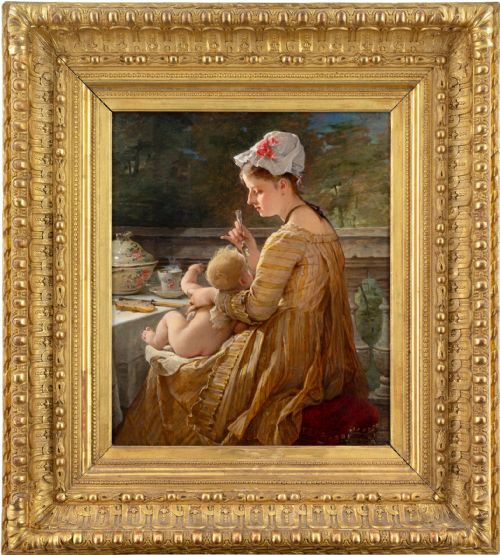
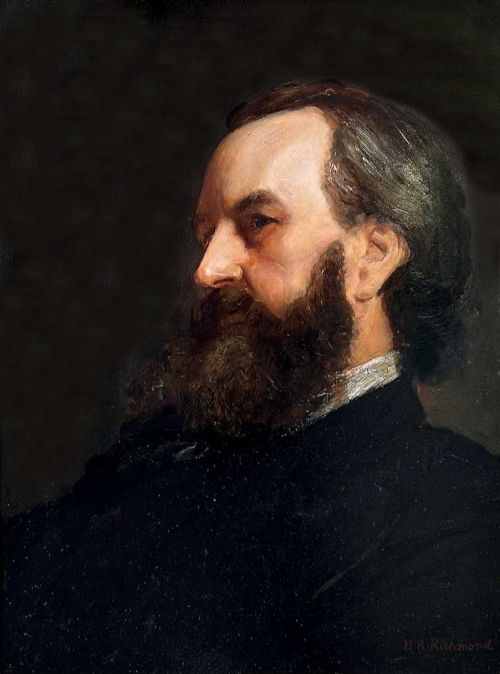
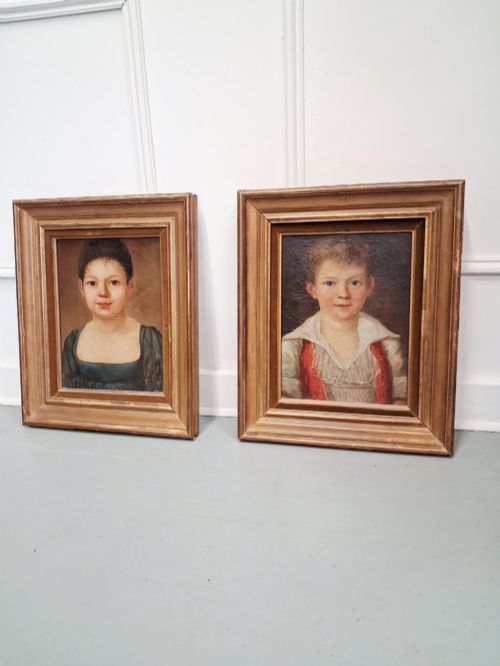
Nineteenth century portraiture encompasses oil paintings, watercolours, and silhouettes depicting individual sitters, families, children, and animals. The works span Regency, Georgian, and Victorian periods, reflecting shifting social attitudes and artistic movements.
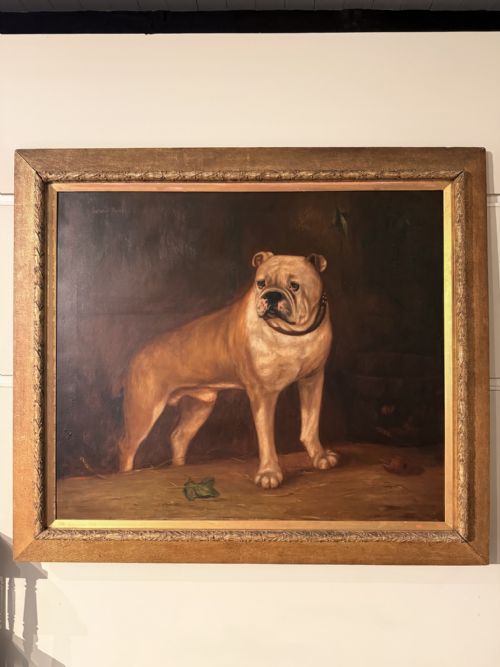
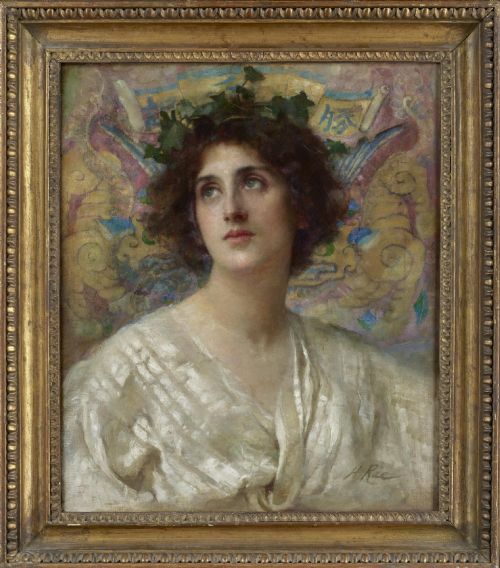
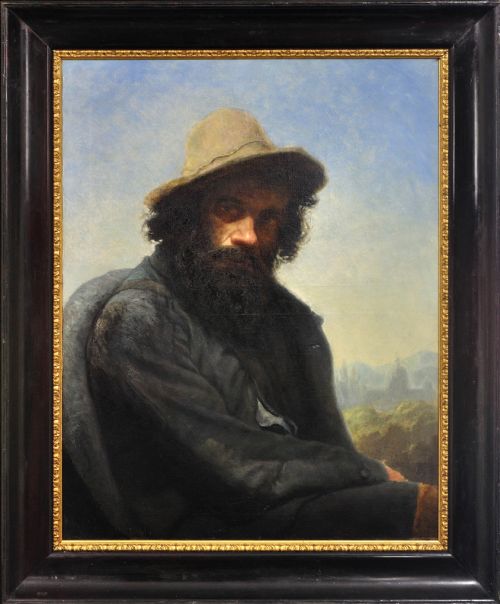
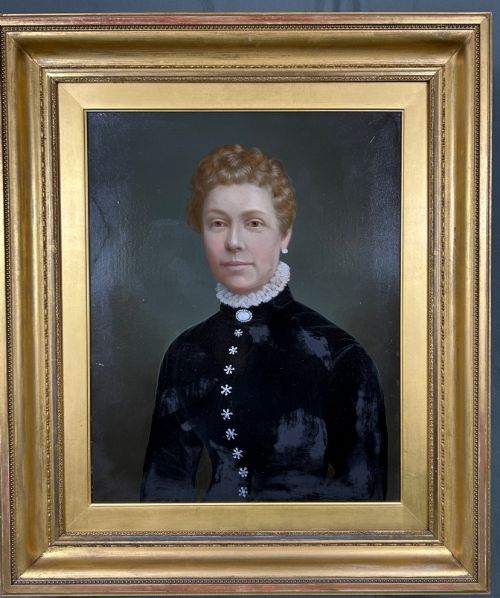
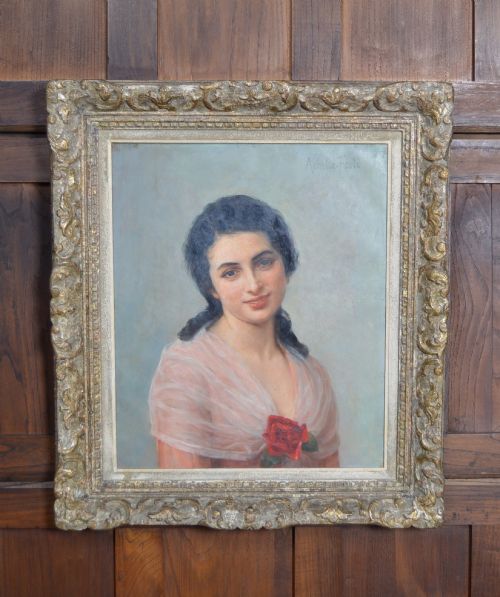
The most common pieces on this page are oil paintings on canvas or board, framed in period giltwood or wood. Subjects range from formally posed gentlefolk and royalty to sporting horses, dogs, and children.
Examples cross various regional schools and stylistic approaches, including academic works, folk art, and romanticism. These images record the clothing, hairstyles, and expressions of past eras through the medium of contemporary paint and paper.
Materials and Technique
Artists of this era primarily used oil paint on canvas or wooden boards, building up layers of pigment to achieve depth and texture in clothing and flesh tones. Watercolours on paper and delicate pastels were also employed for smaller or more intimate works.
Frames play a structural and aesthetic role, frequently constructed from gesso and wood with giltwood finishes. These surrounds protect the canvas while providing the visual weight typical of the period.
Support materials range from standard woven canvas stretched on wooden frames to heavy paper stock used for watercolours and silhouettes. The physical construction often involves traditional joinery on the frames and hand-mixed pigments.
19th Century Portraiture Retail Price Guide 2026
Typical asking prices for 19th century portraiture among the pieces listed under this phrase on Sellingantiques today, from the lower quarter to the upper quarter. They describe what is for sale here now, not the wider market.
Princes, princesses, and curly-coated retrievers share wall space with statesmen and children.
Quality and Execution
The standard of execution depends on the artist's ability to render light, shadow, and psychological depth in the sitter's expression. Masterful handling of fabric textures, such as silk, velvet, and lace, distinguishes finer works from routine studio output.
Condition of the medium significantly affects the piece, including the stability of the oil paint, absence of heavy craquelure, and the preservation of the original giltwood frame. Works that retain their untouched surface texture command greater interest.
The provenance and attribution to a named artist add distinct weight to a piece. Signed works or those with documented exhibition histories demonstrate higher cultural and artistic standing.
Augustin Edouart·Thomas Walker Bretland·Theodore Jensen·Franz Xaver Winterhalter·Frederick Tatham
The 19th Century Portraiture Glossary
- Giltwood
- Wood carved and coated with gold leaf or gold paint. This material is standard for framing high-status Victorian and Regency artworks.
- Craquelure
- The fine pattern of dense cracking formed in the surface of old oil paintings as the paint ages. It serves as an indicator of age.
- Pastel
- A medium consisting of powdered pigment mixed with a binder and shaped into sticks. These works require glass protection to prevent smudging.
- Gesso
- A plaster-like mixture applied to wood frames before gilding. It provides a smooth surface for carving intricate decorative details.
- Silhouette
- A portrait represented as a solid shape of a single colour, usually black, cut from paper or painted. Augustin Edouart was a notable practitioner of this form.
19th Century Portraiture: Frequently Asked Questions
What periods do these portraits cover?
The selections span the Regency, Georgian, and Victorian eras, reflecting aesthetic changes through the eighteen-hundreds.
Most items date from the early nineteenth century through to the end of the Victorian period, utilising traditional oil and watercolour techniques.
How should I hang oil portraits?
Hang oil paintings away from direct sunlight and fluctuating heat sources to protect the canvas and the giltwood frame.
Ensure the wall fixings can support the weight of the heavy wooden frames typical of this period.
What subjects are most common?
Human subjects dominate, ranging from single formal sitters and children to family groups and historical figures.
Animals also feature prominently, including sporting horses, family dogs, and working animals rendered by specialist artists.
Are watercolours as durable as oils?
Watercolours and pastels are more sensitive to light and moisture than oil paintings on canvas. They require framing behind glass to protect the paper substrate.
Oils offer greater resilience, though the canvas and gesso frames still require stable indoor conditions.