
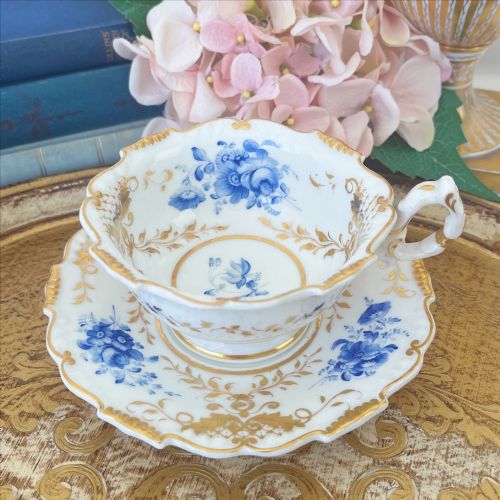
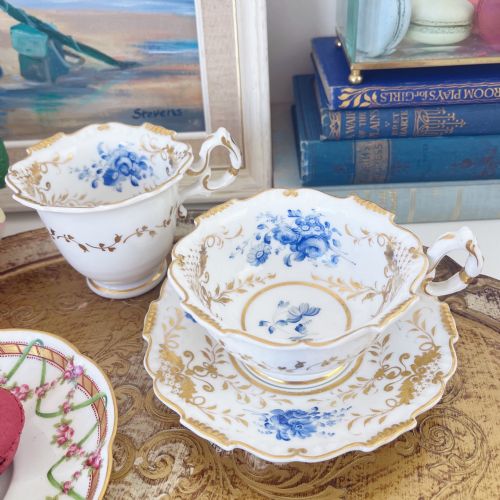
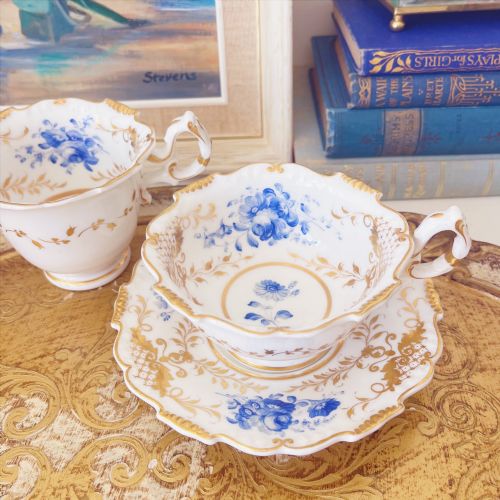
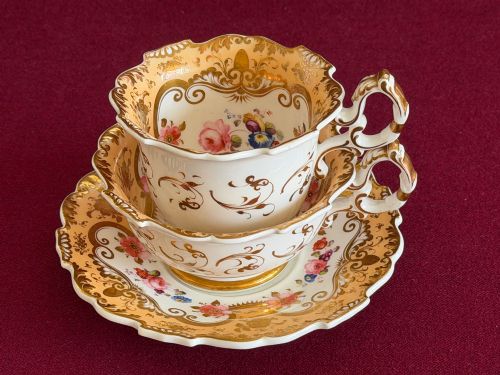


19th Century Porcelain Teacup
When you handle a 19th century porcelain teacup, you hold a delicate miniature of an era that valued both fine artistry and daily ritual.
19th Century Porcelain Teacup
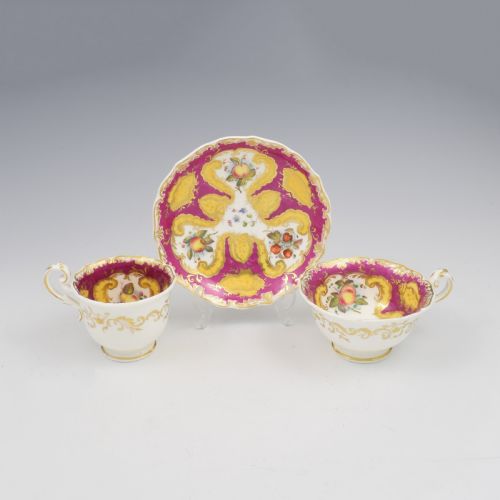
A 19th century porcelain teacup represents a sophisticated domestic culture spanning Georgian, Regency, and Victorian periods. The items on this page range from standard teacups and saucers to expansive cabinet trios and presentation sets.
Makers across England, France, Germany, Russia, and China produced these vessels, using forms like the Shrewsbury shape and specialised cabinet cups. They serve as tangible evidence of changing social habits and elite tastes throughout the hundreds of years of the eighteen hundreds.
How they were made
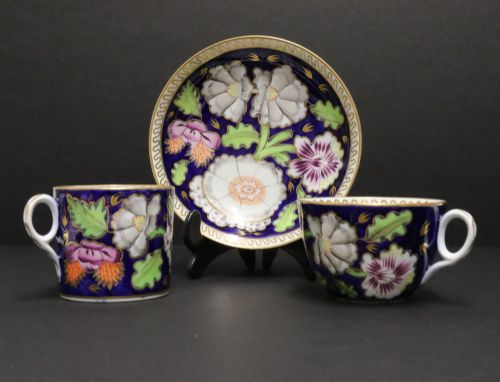
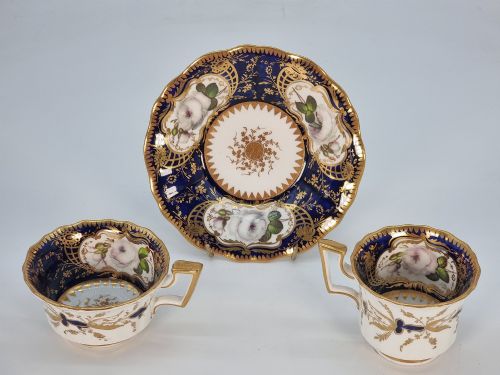
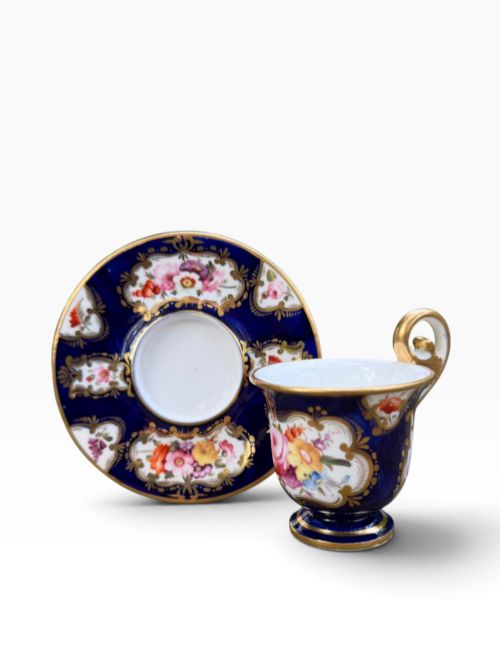
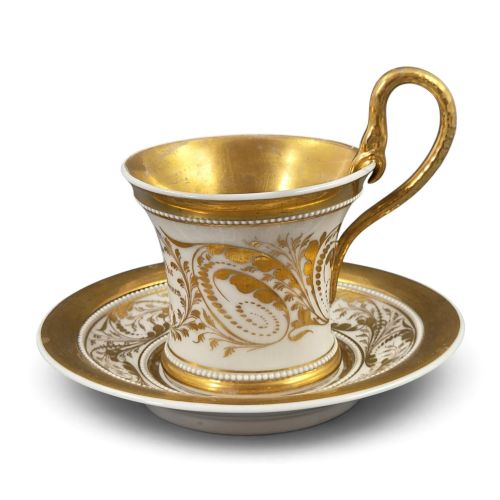
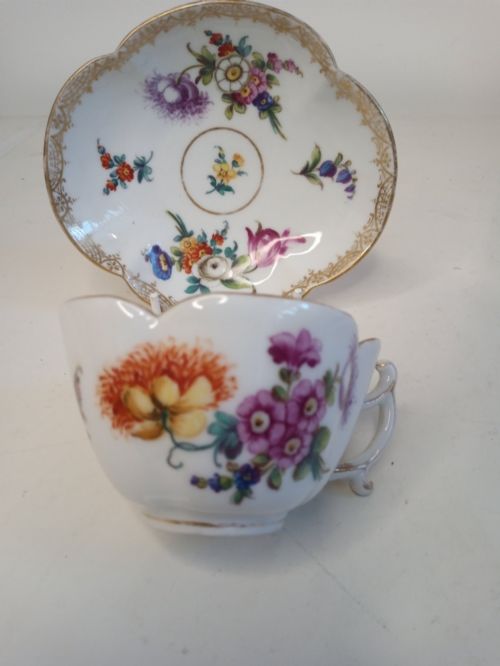
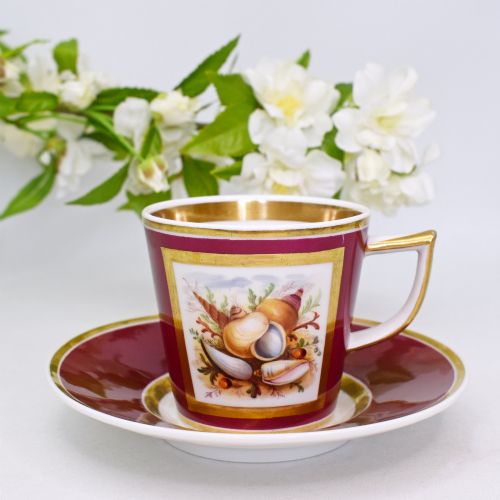
Potters utilised hard-paste porcelain and bone china as the primary bodies for these wares. Artisans then applied intricate handpainted enamel designs alongside gold leaf and generous gilding.
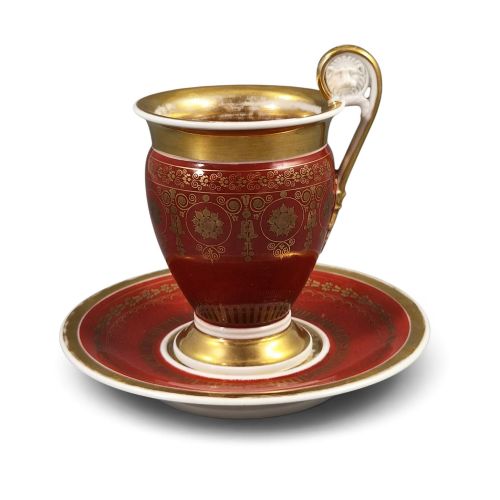
Specialised factories shaped these materials into cups, saucers, and trios, frequently incorporating moulded elements such as lion mask handles or specific botanical motifs.
Several cups display unexpected motifs including crazy cows, Bengal tigers, and dragons in compartments.
What varies in quality
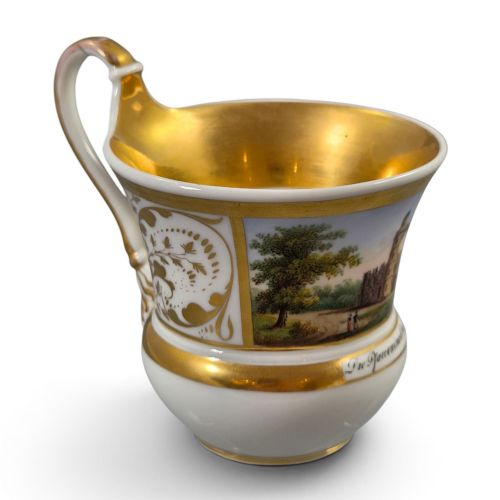
The degree of artistic execution in the handpainting separates standard production from exceptional pieces. Superior examples display precise brushwork, detailed topographical scenes, or complex armorial bearings.
The weight and translucency of the porcelain body, alongside the richness of the gold gilding and enamel preservation, determine the overall standing of an individual cup and saucer.
H & R Daniel·Newhall·Coalport·KPM Berlin·Rockingham·Derby·Sevres·Worcester·Flight Barr and Barr·Davenport·Meissen·Masons·Minton·Spode
The 19th Century Porcelain Teacup Glossary
- Cabinet trio
- A matching set comprising a teacup, coffee cup, and saucer, usually intended for display in a cabinet rather than daily use.
- Hard-paste porcelain
- A durable ceramic material fired at high temperatures, composed of kaolin and petuntse.
- Bone china
- A type of porcelain incorporating bone ash, known for its high strength and milky translucency.
- Gilding
- The application of gold leaf or powdered gold onto the ceramic surface to ornament handles, rims, and panels.
- Demistasse
- A small cup used for serving strong coffee or espresso, often found alongside cabinet pieces.
19th Century Porcelain Teacup: Frequently Asked Questions
What is a cabinet cup and saucer?
Cabinet cups and saucers were decorative items produced for display rather than drinking. They often feature elaborate topographical scenes or armorial designs.
These pieces showcase the highest skills of the pottery painters and were kept in glass-fronted furniture to be admired by guests.
Can I still use these cups for tea?
While these vessels were originally made for consuming tea or coffee, their age requires caution. Many collectors choose to display them rather than risk thermal shock or staining.
If you do use them, avoid boiling water and hand wash them immediately afterwards.
How do I identify the maker?
Makers are often identified through painted or impressed factory marks on the underside of the saucer or base of the cup. Stylistic clues like handle shapes and specific painting patterns also point to particular workshops.
Reference books and historical pattern archives help match these markings to specific periods and potteries.