



Antique Red Gold Porcelain
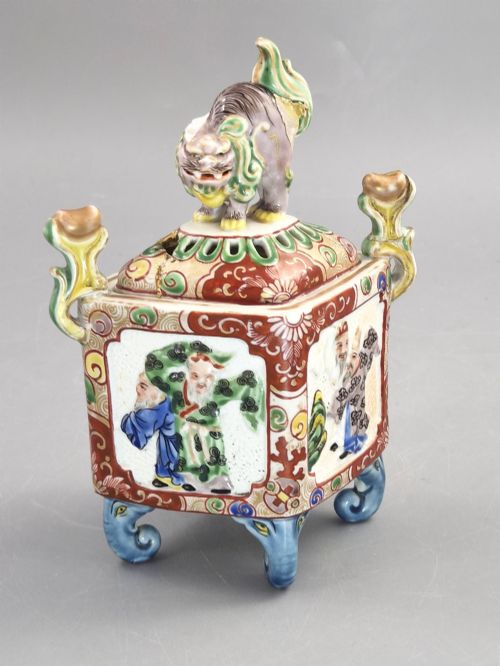
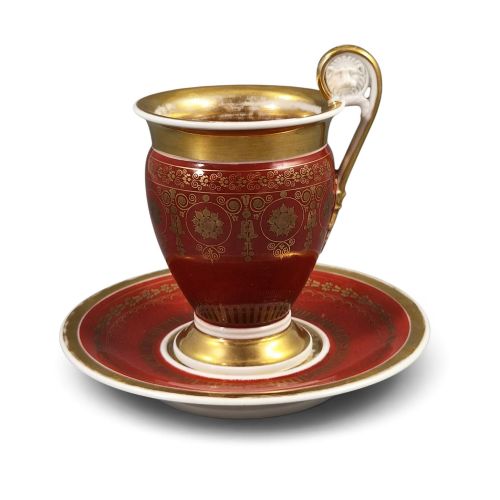
These pieces of antique red gold porcelain combine deep iron red enamel and brilliant gold leaf across Japanese and European ceramics.
Antique Red Gold Porcelain
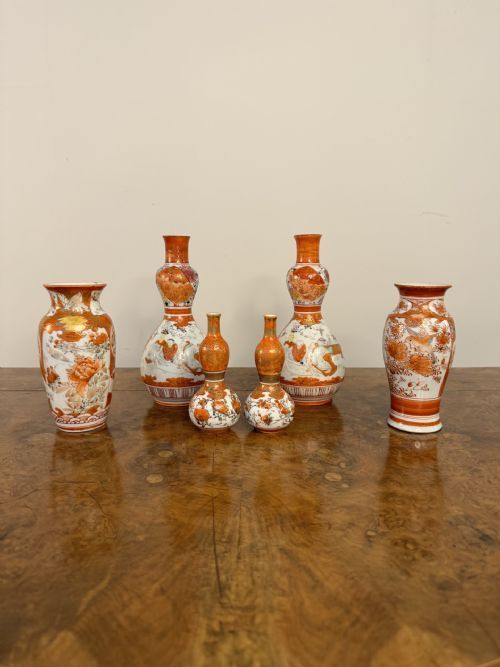
These items bring together rich iron red enamel and shining gold leaf upon porcelain bodies. When searching for antique red gold porcelain, buyers encounter Japanese Kutani and Imari wares alongside French Vieux Paris and English Worcester pieces.
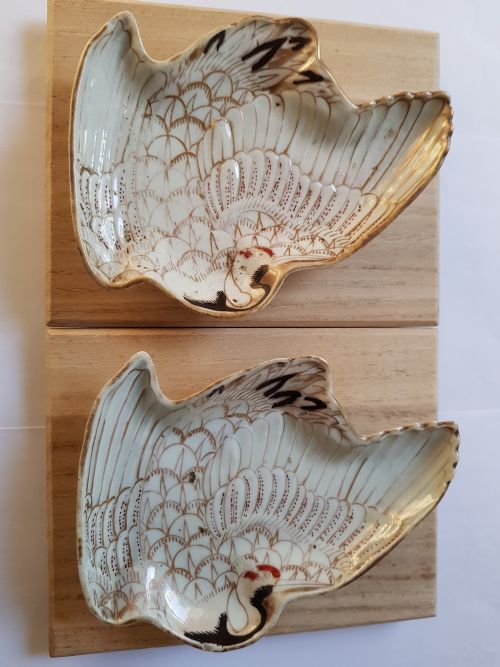
The selection ranges from cabinet cups and saucers to large chargers, cylindrical vases, and incense burners. Japanese Meiji period examples and nineteenth century European pieces dominate the available forms.
Vessels span from delicate teacups to imposing temple vases and decorative plates. Each piece displays the characteristic palette of iron red and gold that defines this category.
How they were made
Potters shaped the porcelain bodies by hand or in moulds before applying initial underglaze firing. Artisans then added intricate designs using iron red enamel and gold leaf or heavy gilding.
Many items underwent subsequent kiln firings to fuse the enamel and gold highlights permanently to the ceramic surface. Hand painting often featured alongside moulded relief work and detailed border patterns.
Listings feature porcelain from Japanese Edo and Meiji periods alongside Georgian and Victorian European factories.
What varies in quality
Quality rests upon the precision of the hand painting and the thickness of the gold leaf utilised in the decoration. Finer pieces display crisp brushwork in the iron red enamel and well-preserved gilding without rubbing.
The complexity of the form and the reputation of the workshop or factory dictate the upper tier of the range. Master artisans achieved superior balance in their palette and relief moulding.
Kinrin Workshop·Royal Worcester·Davenport·Martial Redon
The Antique Red Gold Porcelain Glossary
- Kutani
- A style of Japanese porcelain characterised by vibrant polychrome enamel designs, frequently featuring heavy iron red and gold pigment.
- Imari
- A traditional Japanese export ware featuring cobalt blue underglaze and iron red and gold overglaze decorations.
- Enamel
- A glass-like substance fused to the surface of porcelain through firing to provide rich colour such as iron red.
- Gilding
- The application of gold leaf or gold dust to the ceramic surface to create decorative highlights and borders.
- Vieux Paris
- Porcelain produced by various independent workshops in and around Paris during the eighteenth and nineteenth centuries.
Antique Red Gold Porcelain: Frequently Asked Questions
Can I use these vases for fresh flowers?
Most antique porcelain vases serve primarily as decorative objects rather than water-holding vessels. Hairline fractures or historical repairs can leak water and damage the ceramic body.
Place artificial stems inside if you wish to display botanicals safely. Alternatively, let the painted red and gold surface stand alone.
How do I identify Meiji period Kutani ware?
Meiji period Kutani pieces often exhibit dense iron red and gold decoration depicting landscapes, figures, or floral motifs. Look for specific workshop signatures on the underside of the base.
Porcelain from this era frequently pairs vibrant red enamel with raised gold detailing. The weight and finish of the ceramic body offer further clues to its nineteenth-century origin.
What is the difference between Kutani and Imari?
Kutani porcelain relies heavily upon a dominant iron red palette combined with generous gold leaf accents. The designs often feature intricate pictorial scenes and overall patterning.
Imari ware typically incorporates underglaze cobalt blue alongside the iron red and gold. This creates a distinct tripartite colour scheme unique to Japanese export ceramics.