




19th Century Porcelain Beaker
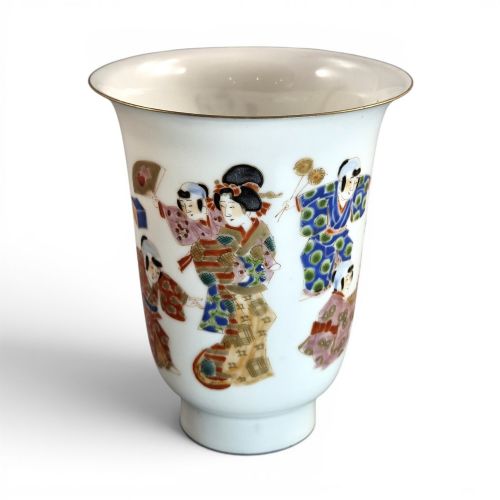
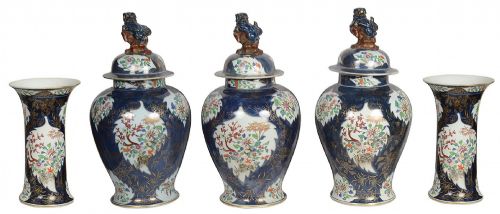
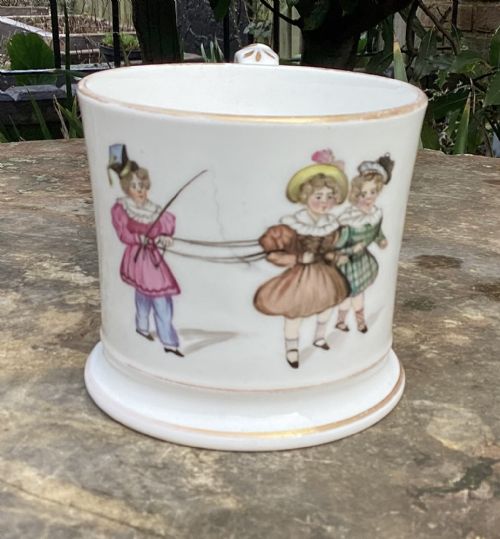
A 19th century porcelain beaker brings cabinet cups, mugs, and tankards into focus through hand-painted scenes and gilded grounds.
19th Century Porcelain Beaker
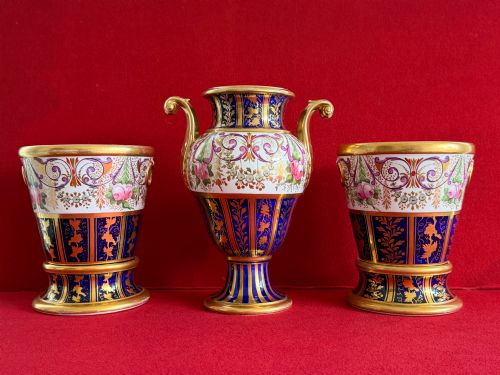
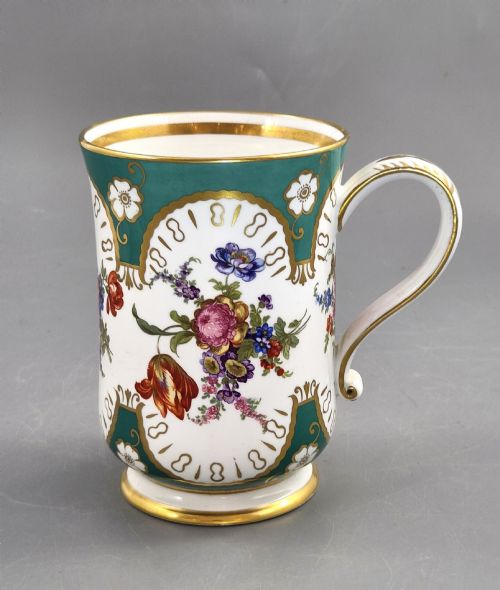
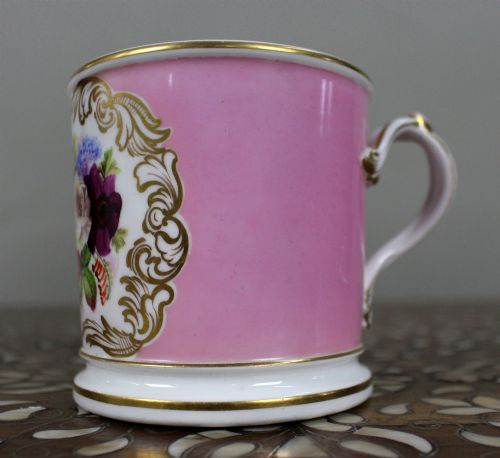
A 19th century porcelain beaker encompasses cabinet cups, mugs, tankards, and vase forms produced across European and Asian kilns. Buyers encounter these pieces in forms ranging from Georgian Derby lemonade beakers to mid-century French cabinet mugs.
How they were made
Hard-paste porcelain and standard porcelain bodies form the structural foundation of these vessels, shaped into cylindrical beakers, mugs, and gu-shaped vases. Artisans applied cobalt underglaze, enamel pigments, and meticulous hand-painting to decorate the surfaces.
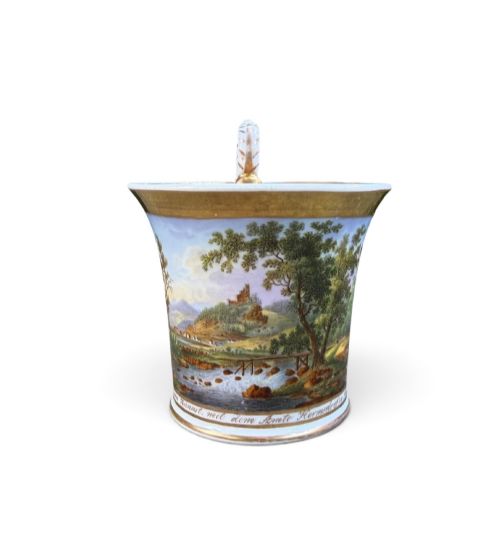
Gilt, gold leaf, and elaborate ground colours such as Rose Pompadour and Sèvres style green highlight the upper tiers of manufacture. Firing techniques achieved the glossy finishes seen on topographical cabinet cups and allegorical woodland scenes.
19th Century Porcelain Beaker Retail Price Guide 2026
Typical asking prices for 19th century porcelain beaker among the pieces listed under this phrase on Sellingantiques today, from the lower quarter to the upper quarter. They describe what is for sale here now, not the wider market.
Listings feature hard-paste porcelain, enamel, and gold leaf across Georgian, Regency, and Victorian periods.
What varies in quality
The refinement of the hand-painted decoration determines the distinction between standard vessels and exceptional cabinet pieces. Precision in topographical detail, allegorical figures, and botanical motifs separates simpler mugs from fine cabinet cups.
The application and preservation of gold leaf and coloured grounds indicate workshop mastery. Rich cobalt underglaze work and crisp moulding on forms like Gu shaped vases elevate the standing of a piece.
Grainger Worcester·Derby Porcelain·Berlin porcelain·Royal Vienna
The 19th Century Porcelain Beaker Glossary
- Cabinet cup
- A decorative porcelain vessel intended for display in a cabinet rather than functional drinking use. These items often feature intricate hand-painted scenes or rich ground colours.
- Hard-paste porcelain
- A durable ceramic material fired at high temperatures, composed of kaolin and petuntse. It provides a dense, vitrified body suited to detailed enamelling and gilding.
- Cobalt underglaze
- A blue pigment applied to the ceramic body before the glaze and firing process. This technique protects the pigment under a glassy layer, creating deep blue tones.
- Gu shaped
- A traditional trumpet-mouthed beaker form derived from ancient Chinese bronzes. Makers during the nineteenth century adopted this silhouette for porcelain decorative vases.
19th Century Porcelain Beaker: Frequently Asked Questions
What is a porcelain beaker?
A porcelain beaker is an open-topped cylindrical or slightly flared drinking vessel or display piece made from ceramic paste. Nineteenth-century examples often served as cabinet pieces or specialised drinking vessels.
These items range from modest mugs to elaborately decorated cabinet cups featuring topographical views and mythological scenes.
How do I date a 19th century beaker?
Dating relies on stylistic markers, factory marks, and the specific decorative palette employed by the maker. Georgian examples tend toward Neoclassical restraint, whereas later Victorian pieces embrace bolder ground colours and revival styles.
Examining the paste, gilding technique, and underglaze application helps narrow down the decade of production.
Were these beakers used for drinking?
Many pieces designated as mugs or tankards were functional drinking vessels for ale, porter, or lemonade. Other items, specifically cabinet cups, were created strictly for display in wealthy households.
The presence of delicate gilding and intricate hand-painted miniatures often suggests a decorative rather than utilitarian purpose.
What styles influence these porcelains?
Design influences span European revivals such as French Rococo Revival and Neoclassical, alongside Asian aesthetics like Chinoiserie and Meiji period motifs. Factories frequently borrowed historical forms to appeal to contemporary collectors.
This cross-cultural exchange produced everything from blue and white Chinese export styles to allegorical German porcelain.