
19th Century Persian Antiques
These 19th century persian antiques encompass woven carpets, steel arms and ceramic vessels that bring tangible history and rich pattern into a room.
19th Century Persian Antiques
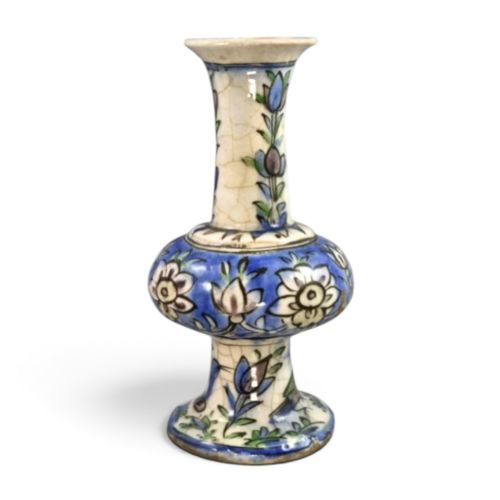
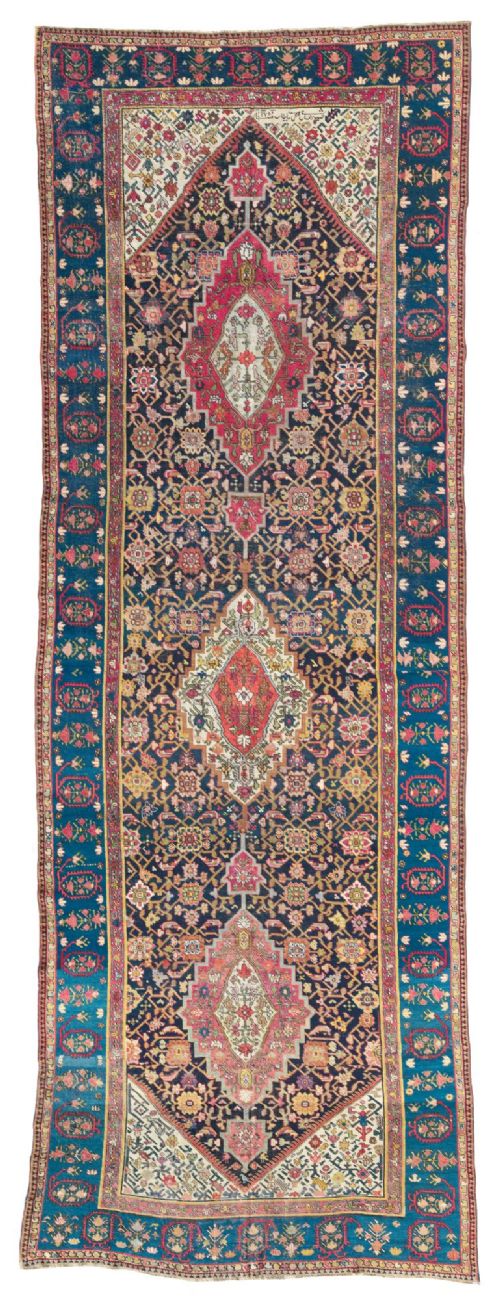
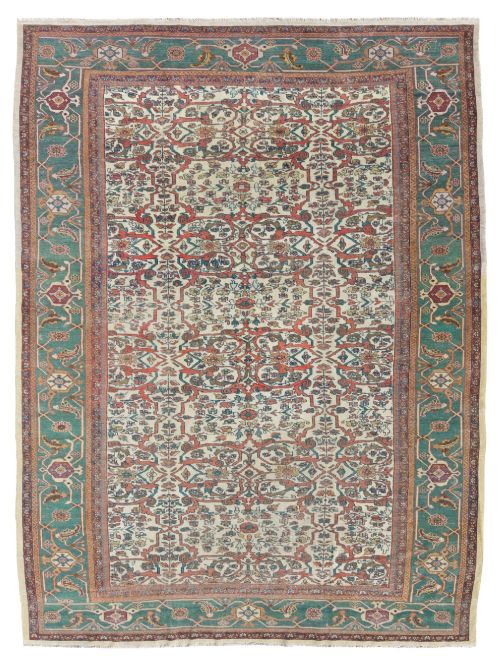
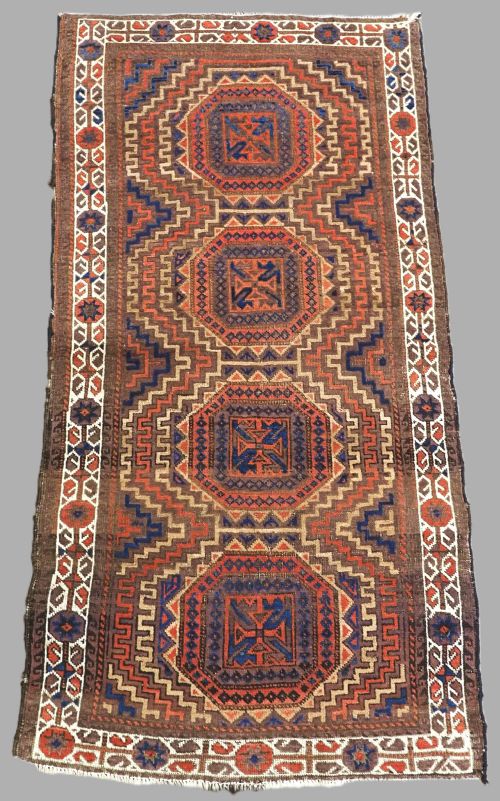
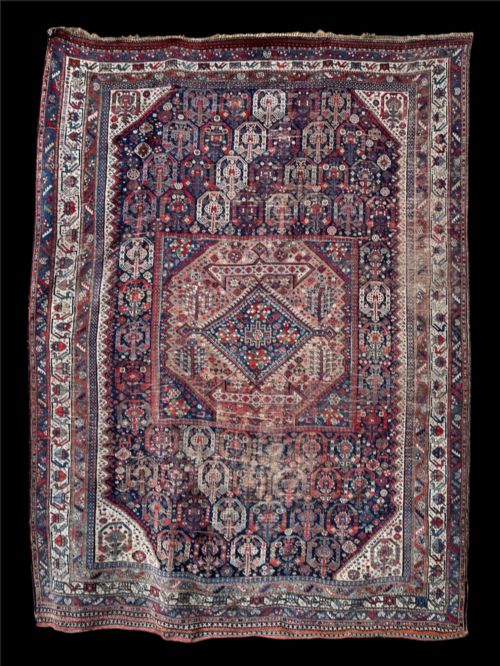
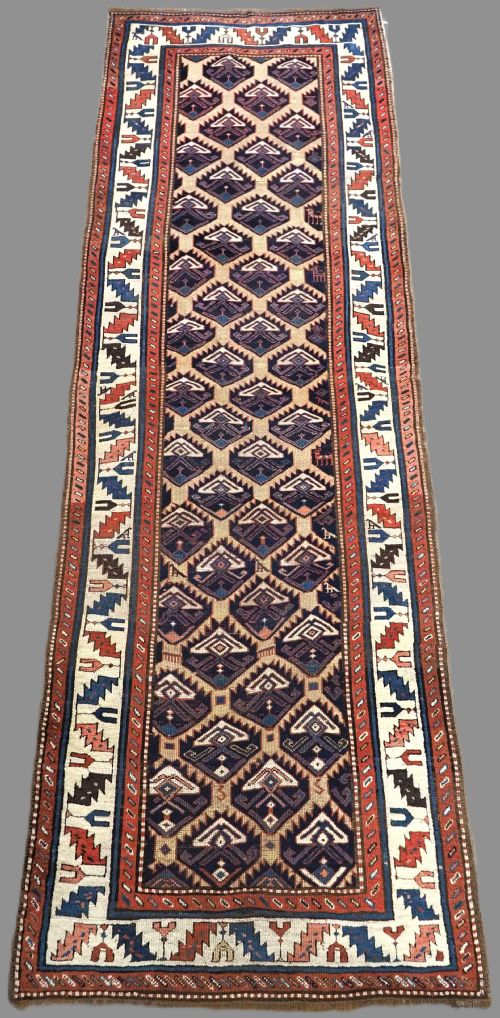
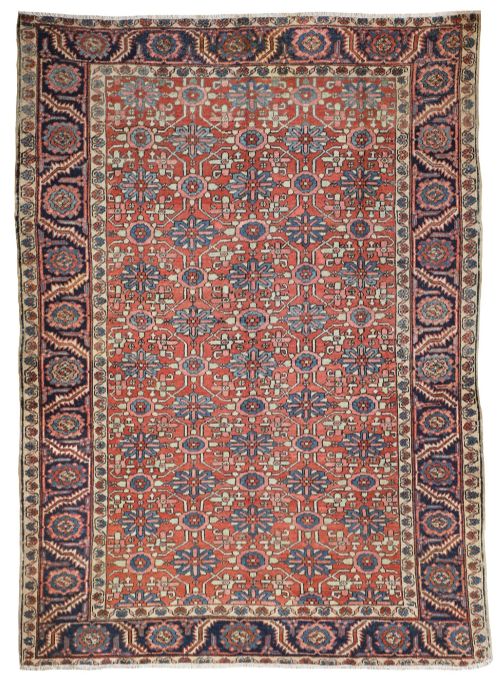
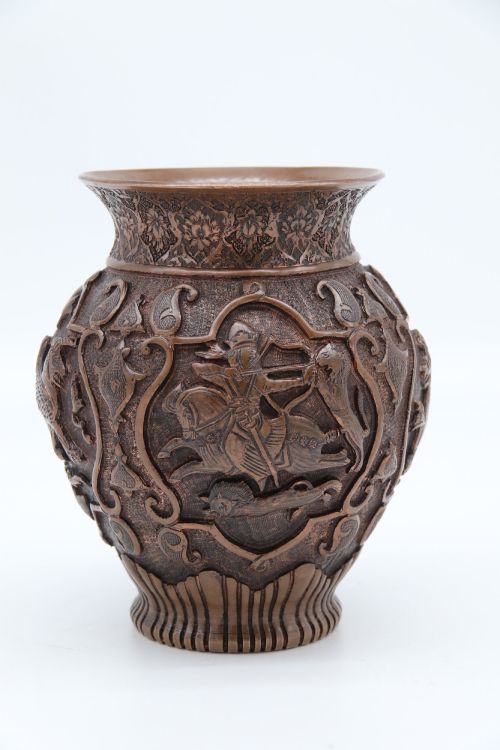
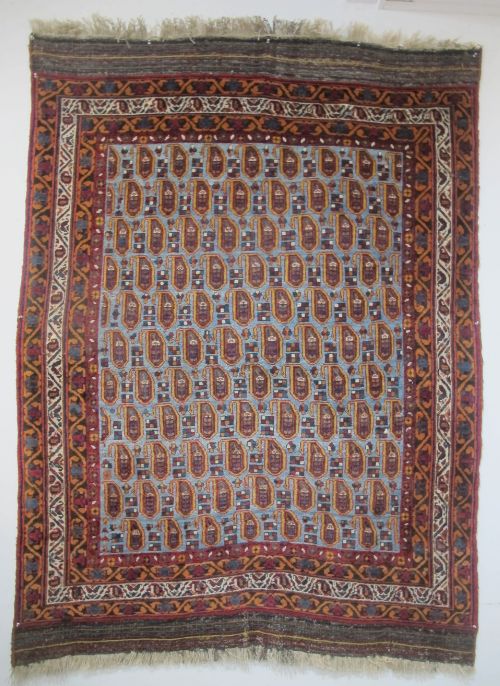
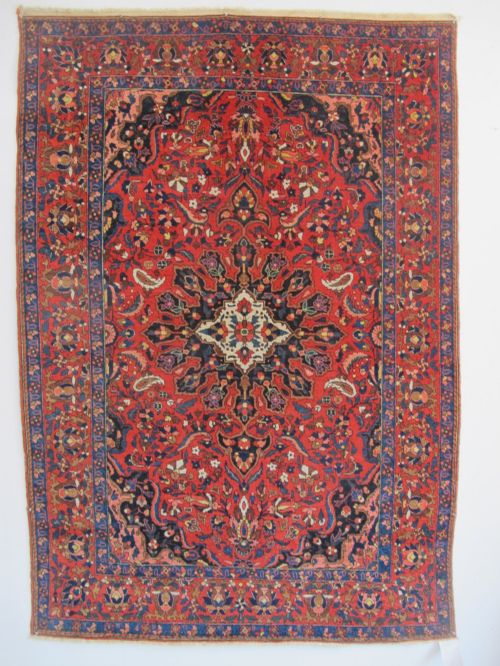
When you search for 19th century persian antiques, you encounter a diverse array of items ranging from substantial floor coverings to intricate metalwork and painted lacquer. The selections span major weaving centres like Heriz, Sultanabad, Ferahan and Bidjar, alongside regional tribal works from Afshar, Kurdish and Bakhtiar groups. Rugs and carpets form the core of the selection, accompanied by Qajar papier-mâché items, glazed ceramic vases and steel edged weapons.
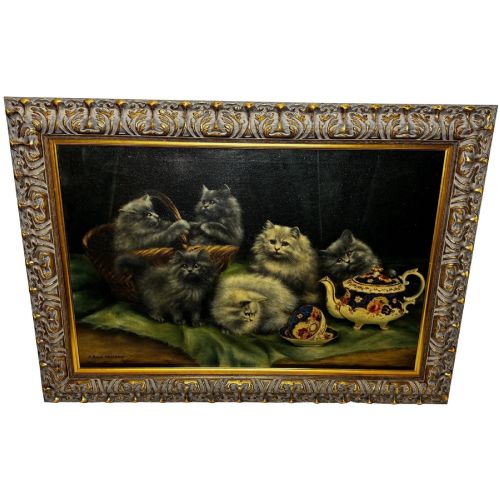
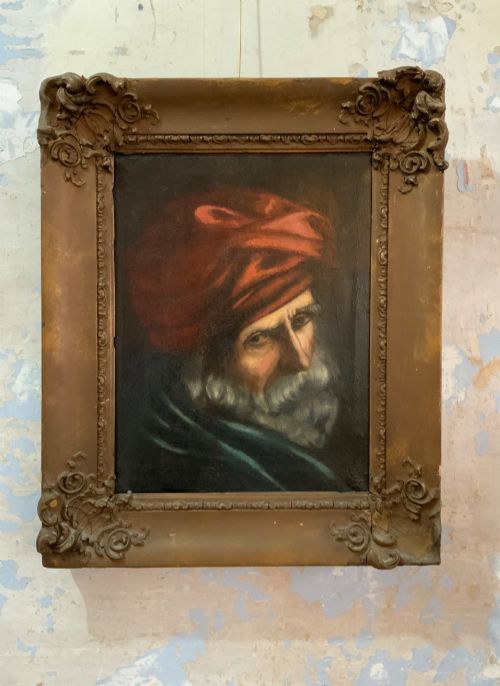
Beyond textiles, the category reaches into personal ornaments, oil paintings and metal vessels reflecting Qajar aesthetics and broader Indo-Persian interactions. Buyers often choose between large room-size carpets designed for grand spaces and smaller runner rugs or bagfaces suited to narrow hallways and compact displays. Each piece reflects the specific regional palette and knotting techniques of its origin, from the bold geometric medallions of Heriz to the fine, curved florals of Seneh.
How They Were Made
The woven textiles rely on hand-spun wool and cotton foundations, dyed using natural substances extracted from plants and minerals to achieve deep madder reds, indigos and warm yellows. Artisans tied symmetrical or asymmetrical knots by hand onto vertical looms, varying the density depending on whether the piece originated in a village workshop or a nomadic encampment.
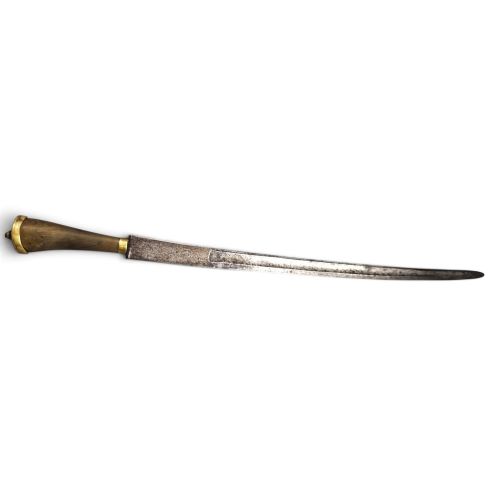
Metal objects such as steel daggers, swords and brass shields employ forging, engraving and occasionally blue and gilt finishes, demonstrating advanced metallurgy. Ceramic vases and Qajar papier-mâché articles utilise moulded earthenware or layered paper pulp finished with polychrome glazes and protective lacquer coats.
The listings span multiple centuries and include materials such as wool, cotton, brass, steel, lacquer, copper, iron and silk.
What Varies In Quality
The distinction between standard examples and the finest pieces rests on the precision of the design execution and the depth of the dye palette. Superior rugs exhibit high knot density, crisp linework in the motifs, and an even saturation of natural dyes that impart a rich, luminous quality across the surface.
In metalwork and ceramics, fineness is determined by the clarity of the engraved foliate decoration, the preservation of the original polychrome glaze, and the structural integrity of the base material. Pieces that retain their original scale and untouched surface patination command greater appreciation among collectors.
The 19th Century Persian Antiques Glossary
- Kelleh
- A long, rectangular format for a carpet, typically narrower than a standard room-size rug but wider than a hallway runner.
- Gul
- A medallion or repeating octagonal motif used extensively in tribal rugs and carpets originating from Central Asian and Persian border groups.
- Qajar
- Pertaining to the Qajar dynasty ruling Persia from the late 18th to the early 20th century, noted for distinctive painted arts and lacquerware.
- Tulwar
- A traditional curved sabre originating from the Indian subcontinent, frequently encountered in collections alongside Indo-Persian arms.
- Repoussé
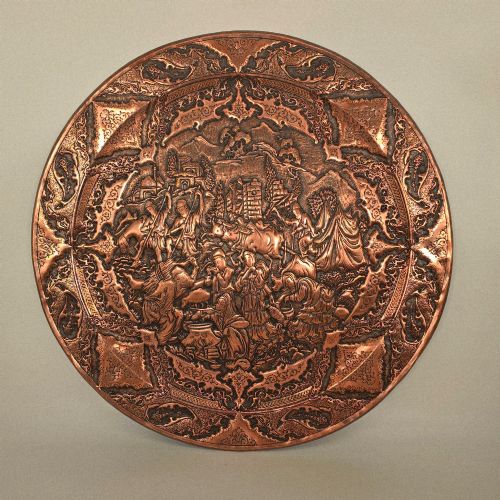
- A metalworking technique where the design is hammered into relief from the reverse side of copper, brass or silver sheets.
19th Century Persian Antiques: Frequently Asked Questions
How do I identify a Heriz carpet?
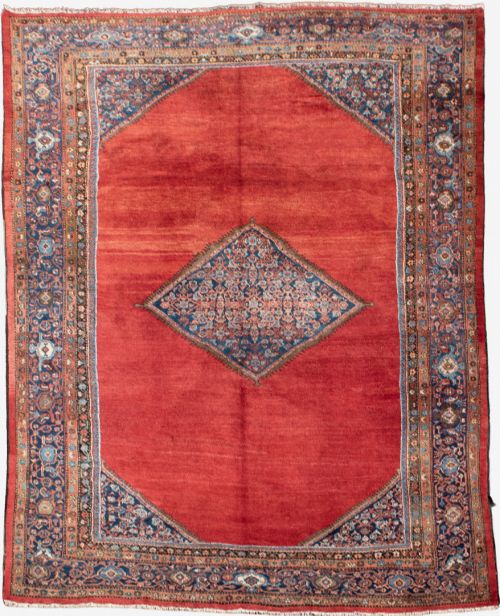
Heriz carpets from north-west Persia typically feature large, bold geometric central medallions set against terracotta or brick-red fields. The corner spandrels often display contrasting ivory or blue tones with robust angular vine-scrolls.
Unlike curvilinear city carpets, Heriz weaving uses sturdy wool and a coarser knot count designed to withstand heavy daily foot traffic. The heavy cotton foundations provide a rigid, durable structure that lies flat on the floor.
What is a Qajar papier-mâché set?
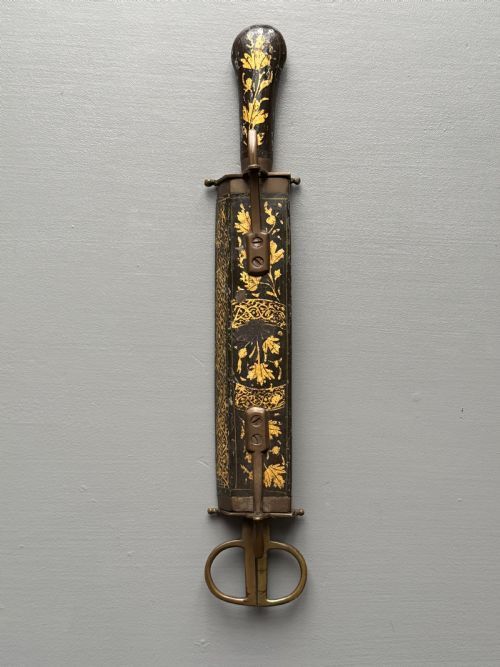
Qajar papier-mâché objects, such as dagger and scissors cases, were constructed by compressing layers of paper pulp over a mould before applying a smooth plaster ground. Artisans then painted intricate polychrome floral or figurative scenes directly onto the surface.
A clear protective lacquer coat was brushed over the paint to seal the decoration and provide a glossy finish. These delicate items served as functional desk accessories or personal grooming sets for the wealthy elite.
Where were Sultanabad carpets woven?
Sultanabad carpets were produced in and around the town of Sultanabad, known today as Arak in west-central Persia. Production expanded significantly in the late 19th century to supply European and American markets demanding large-scale decorative floor coverings.
These pieces are recognised for oversized, relaxed floral patterns and soft, muted vegetable dye palettes. The open compositions complement diverse interior styles by avoiding overly dense or rigid central medallions.
How should I care for an antique rug?
Antique wool rugs require gentle maintenance, beginning with regular, careful vacuuming using suction only without a rotating brush roll. This removes embedded grit that can cut the wool fibres over time without pulling at the hand-knotted pile.
Keep the rug away from direct, prolonged sunlight to prevent natural dyes from fading unevenly across the surface. Professional cleaning should be undertaken sparingly by specialists experienced in handling historic vegetable-dyed textiles.