


19th Century Persia Rug
When buying a 19th century persia rug, you encounter hand-knotted village and tribal weavings that bring genuine warmth and rich history to a room.
19th Century Persia Rug
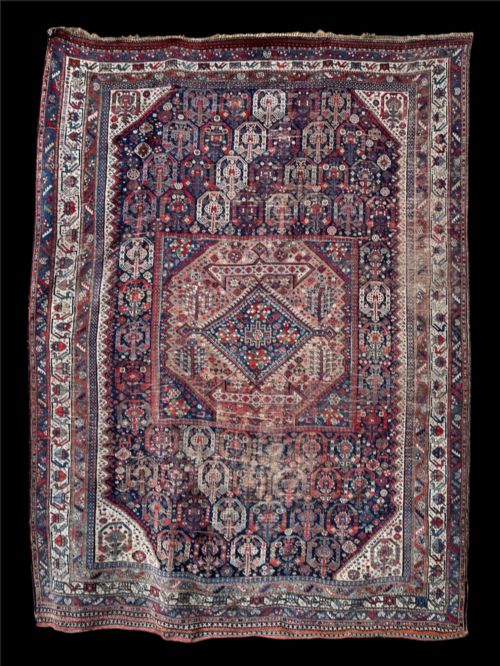
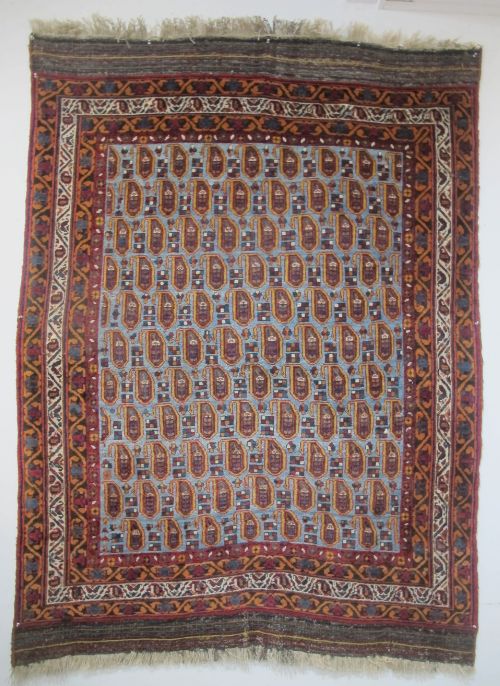
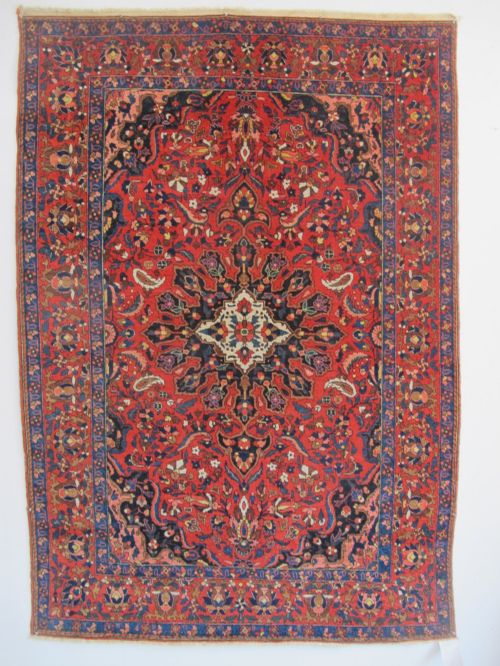
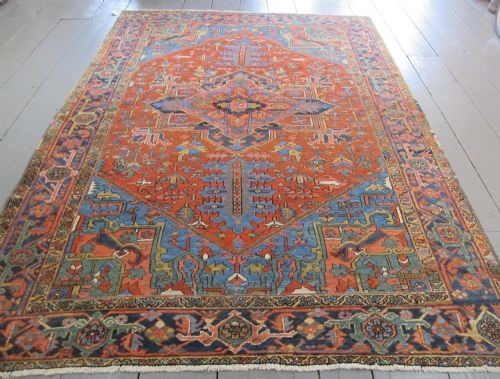
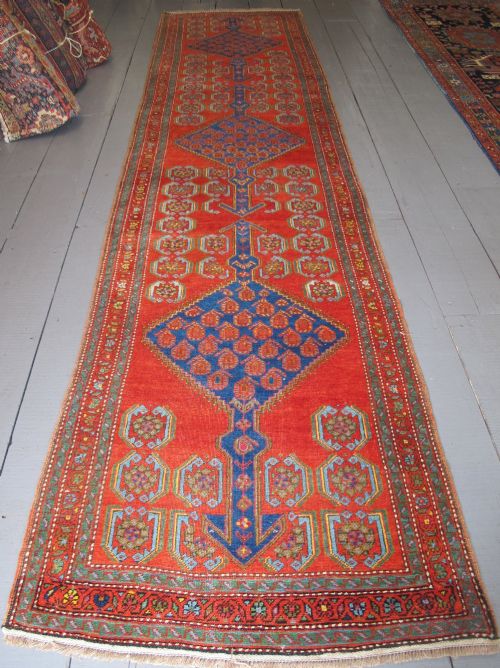
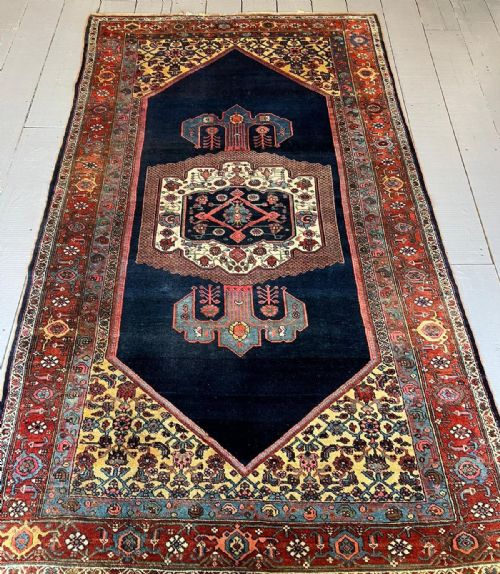
A 19th century persia rug encompasses diverse regional styles produced across towns, villages, and nomadic confederations throughout the region. Buyers encounter everything from finely woven city carpets to rustic tribal pieces bearing geometric motifs and animal forms.
The selections on this page heavily feature specific tribal and village groups such as the Qashqai, Afshar, Khamseh, and Kurdish weavers. Buyers also regularly find larger room-sized carpets originating from commercial weaving centres like Sultanabad, Heriz, and Fereghan.
Formats range broadly from small saddle bag faces and prayer rugs to long runners and expansive room carpets. This variety allows collectors to source pieces suited for intimate corners or heavy-traffic living spaces alike.
How They Were Made
Weavers constructed these textiles primarily using hand-knotted wool pile secured onto cotton or wool foundation warps and wefts. Certain nomadic pieces also incorporate camel hair within the pile or foundation for natural tone and durability.
Dyers utilised natural botanical and mineral sources to achieve deep saturated hues that age gracefully over decades. Madder root, indigo, and walnut husks provided the stable reds, blues, and browns foundational to the palette.
Wily weavers occasionally tucked tiny protective amulets or intentional minor symmetry flaws directly into the knotting to ward off the evil eye.
What Varies In Quality
Knot density and structural tightness set finer workshop carpets apart from coarser nomadic pieces, though lower knot counts do not diminish authentic tribal charm. The precision of the drawing and the clarity of the underlying design geometry signal skilled execution at the loom.
The vibrancy and condition of the natural dyes dictate visual success, with evenly absorbed tones commanding greater appreciation. Surface wear remains expected in textiles of this age, but structural integrity of the foundation foundation determines overall longevity.
The 19th Century Persia Rug Glossary
- Boteh
- A recurring almond-shaped or paisley motif representing a bush, seed, or flame. This symbol appears frequently across tribal and village designs.
- Kelim
- A flat-woven carpet or rug produced without a pile. These pieces serve functional purposes ranging from floor coverings to animal transport bags.
- Medallion
- A central ornamental design motif placed in the middle of the rug field. It anchors the compositional geometry of the piece.
- Sofreh
- A type of spread or cloth used during meals or dough preparation. They are often flat-woven by nomadic groups.
- Warp
- The vertical foundation threads stretched tightly on the loom before knotting begins. The visible ends often terminate in fringes.
19th Century Persia Rug: Frequently Asked Questions
How do I clean an old rug?
Surface dust should be gently removed using suction without a rotating brush bar. Professional textile conservators should handle wet cleaning to protect fragile natural wool and dyes.
Avoid harsh chemical detergents or mechanical washing machines entirely. Proper maintenance preserves the structural integrity of the foundation fibres.
Can I put these on the floor?
Most room-sized carpets and sturdy runners were made for foot traffic and handle normal domestic use well. Placing a quality underlay beneath the textile prevents slipping and reduces fibre friction.
Delicate saddle bags, kilims, or fragile prayer rugs suit wall hanging better than heavy floor placement. Assessing the pile thickness helps determine appropriate placement for daily wear.
How do I identify different tribes?
Specific colour combinations, border arrangements, and structural traits point toward particular groups like Qashqai or Afshar. Examining the weave structure and fringe finish reveals regional production methods.
Design motifs such as repeated boteh or geometric medallions offer strong clues to geographic origin. Consulting historical reference literature helps confirm attribution details.
Why do colours vary across the surface?
Hand-spun wool absorbs natural dye baths at varying rates, producing subtle tonal shifts known as abrash. This characteristic indicates traditional dyeing techniques rather than a manufacturing flaw.
Exposure to historical sunlight also alters exposed wool over generations. These natural variations contribute depth and character to antique textiles.