



19th Century Parlour Set
A 19th century parlour set brings together matched seating or social pastimes from a period when entertaining at home reached its social peak.
19th Century Parlour Set
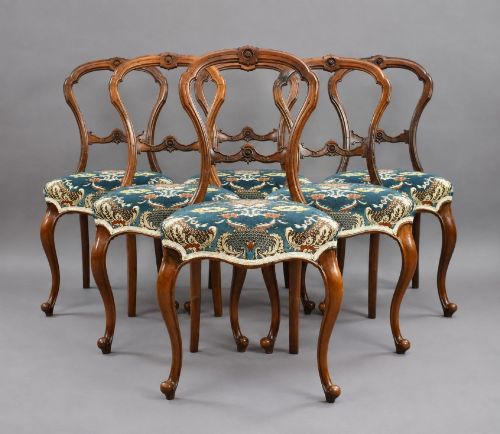
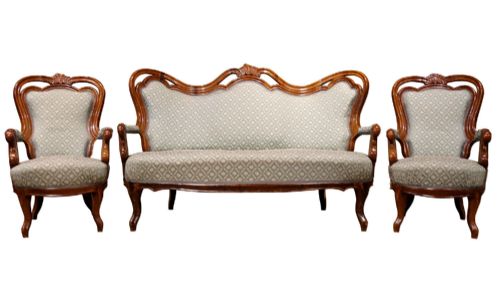
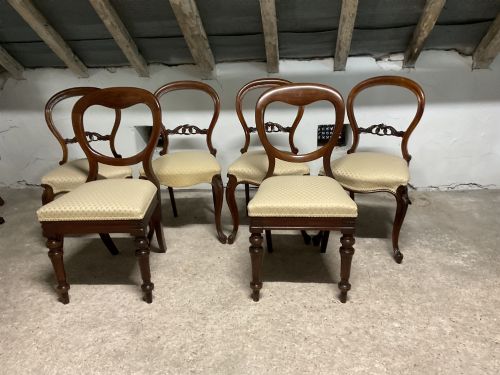
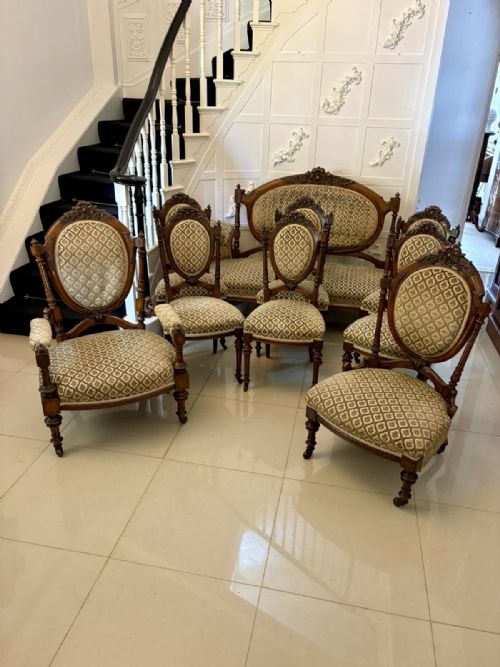
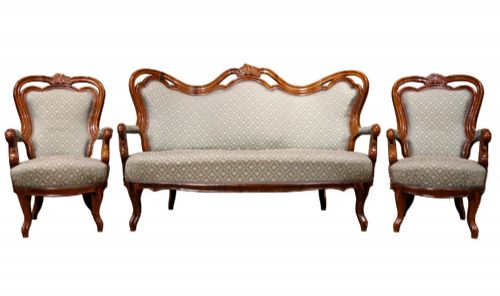
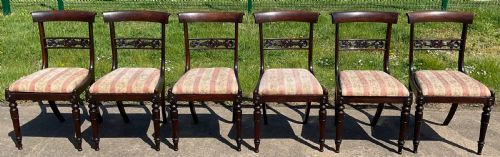
A 19th century parlour set comprises matching groups of furniture or indoor pastimes designed for the formal reception rooms of the period. Buyers most frequently encounter larger salon suites consisting of settees and armchairs, or coordinated sets of dining and side chairs.
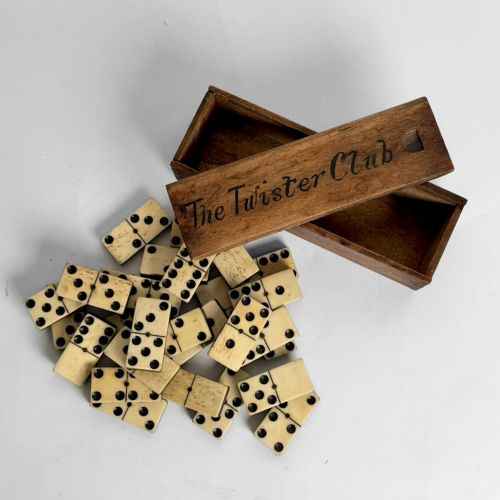
The evidence shows these groupings extend beyond seating into specialised pastimes, including boxed sets of dominoes, solitaire boards, roulette wheels, and comprehensive games compendiums. These collections reflect the domestic social habits of Victorian and Regency households.
Sets range from intimate pairs and trios of chairs up to substantial nine and eleven-piece drawing room arrangements. Walnut, mahogany, and rosewood dominate the larger suites, often accompanied by period upholstery.
Materials and construction
Cabinet makers utilised dense hardwoods such as mahogany, walnut, and rosewood for the frames of chairs, settees, and games boards. These timbers were selected for their structural stability and capacity to hold deep, carved decoration.
Upholstered items integrate traditional textiles like velvet, silk, and contemporary upholstery fabric, secured over internal webbing and stuffing. Decorative elements also incorporate brass highlights and giltwood finishes on select frames.
Listings feature Victorian, Regency, and Napoleon III periods, constructed from walnut, mahogany, rosewood, and satinwood.
Judging quality in a 19th century parlour set
Quality rests in the crispness of the timber carving and the architectural cohesion of the suite as a complete grouping. Sets that retain matching frames and uniform patination across every chair and settee hold greater distinction.
The selection of timber grain, particularly in figured walnut or rosewood veneers and burr birch panels, dictates the visual standard of the piece. Superior examples maintain intact original textiles or demonstrate sympathetic re-upholstering that respects the period style.
The 19th Century Parlour Set Glossary
- Salon suite
- A matched collection of drawing room seating, typically comprising a settee and several armchairs or side chairs designed for formal entertaining.
- Balloon back
- A chair back shaped in a continuous oval curve resembling an inflated balloon, widely popular during the Victorian era.
- Games compendium
- A multi-functional boxed set containing equipment and boards for several different indoor parlor games.
- Solitaire board
- A circular timber board with indented cups designed for a single player to jump marbles in a puzzle sequence.
- Giltwood
- Timber that has been coated with a thin layer of gold leaf or gilt pigment to create a decorative metallic surface.
19th Century Parlour Set: Frequently Asked Questions
How were parlour games used in the period?
Parlour games provided structured entertainment for guests during evening gatherings and indoor domestic events. Equipment ranged from pocket-sized cribbage sets to roulette wheels and compendiums.
These pastimes occupied a central place in middle-class and upper-class social life before the advent of modern domestic entertainment.
How do I distinguish Victorian from Regency styles?
Regency designs often draw on classical Grecian and Roman influences with clean lines and rosewood or mahogany timbers. Victorian pieces tend towards heavier proportions, elaborate carved details, and exuberant revival styles.
Overlap occurs where late Regency or transition pieces share characteristics with early Victorian production.
Can I mix chairs from different sets?
Coordinated sets are valued for their uniformity in timber, upholstery, and carving style. Mixing individual chairs alters the visual balance that makers originally intended for a formal room.
Complete sets of four, six, or more matching chairs remain the standard preference for collectors.