




19th Century Painted Bureau
These pieces of 19th century painted bureau furniture offer a practical writing surface paired with decorated storage, bringing period character and colour into a room.
19th Century Painted Bureau
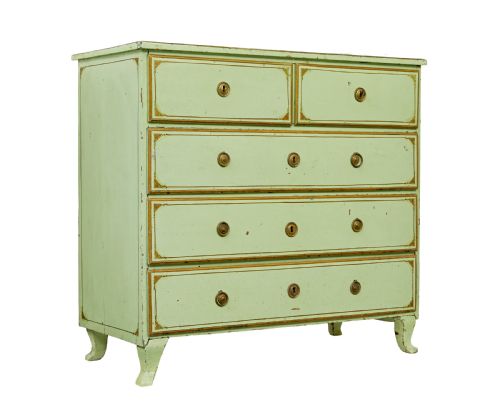
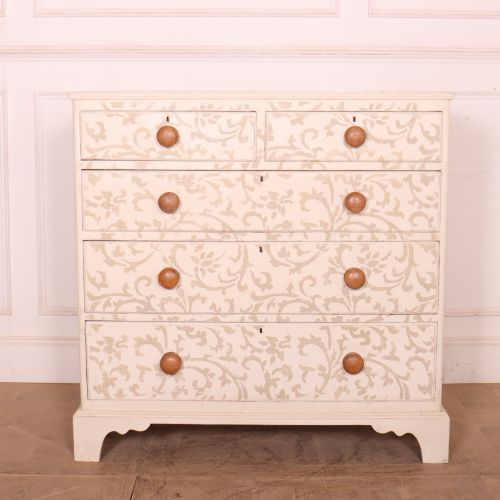
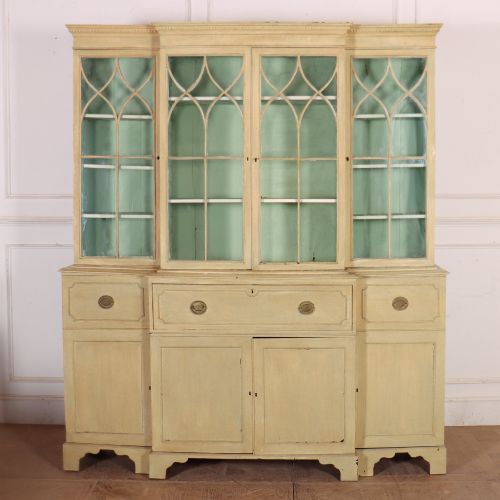
A 19th century painted bureau encompasses fall-front writing desks, secretaires and decorated chests of drawers originating from various European and international workshops. The selection frequently includes Scandinavian country painted pine pieces alongside French and English variants.
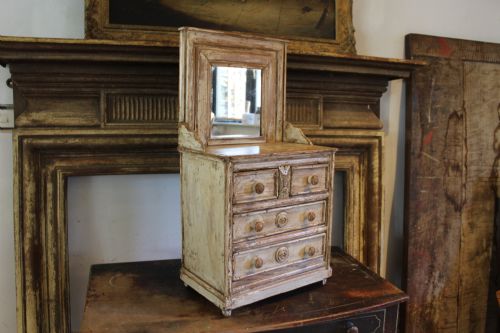
Forms range from compact miniature apprentice chests and desk cabinets to large secretaire bookcases and drop-front writing desks. Buyers encounter diverse stylistic influences spanning French Rococo Revival, Victorian Gothic Revival, Chinoiserie and Baroque Revival.
Pine serves as a primary structural timber for the numerous painted country pieces from Sweden and Britain, while hardwoods like satinwood and kingwood appear in finer cabinet work.
What varies in quality
Quality depends upon the execution of the decorative surface and the integrity of the underlying woodwork. Original painted finishes that survive intact without excessive modern over-painting elevate a piece significantly above examples with compromised surfaces.
The sophistication of the joinery and hardware distinguishes standard utility furniture from high-status items. Elaborate mounts, intricate lacquer work, marble tops and sophisticated internal compartments separate simpler country pine desks from master cabinet work.
19th Century Painted Bureau Retail Price Guide 2026
Typical asking prices for 19th century painted bureau among the pieces listed under this phrase on Sellingantiques today, from the lower quarter to the upper quarter. They describe what is for sale here now, not the wider market.
Several pieces conceal tiny secret drawers behind hidden compartments, designed for letters and valuables.
The 19th Century Painted Bureau Glossary
- Bureau
- A desk with a sloping hinged lid that covers a compartment for papers and drawers. In British usage, it specifically denotes a writing desk rather than a chest of drawers.
- Secretaire
- A piece of furniture containing a built-in writing drawer or a drop-front writing flap that conceals small drawers and pigeonholes. It often forms the upper section of a taller cabinet or bookcase.
- Vernis Martin
- A type of simulated Japanese lacquer developed by the Martin brothers in eighteenth-century France and emulated later in the nineteenth century. It uses translucent varnishes over painted decorations.
- Ormolu
- Gilded bronze used for decorative mounts, feet and handles on fine nineteenth-century cabinet work. The technique involves applying a mercury and gold amalgam to bronze.
- Escritoire
- A writing cabinet or desk used for correspondence and paperwork. The term often describes refined slant-front or drop-front writing furniture from continental workshops.
19th Century Painted Bureau: Frequently Asked Questions
How do I clean a painted finish?
Dust the surface regularly with a soft, dry cloth to prevent dirt accumulation. Avoid harsh chemical cleaners or excessive water, which can damage original historic paint.
Consult a professional restorer if the paint shows signs of flaking or instability. Gentle conservation protects the underlying layers from further degradation.
Can I use these desks for daily work?
These historical writing surfaces accommodate laptops and paperwork, provided you treat the antique timber and writing slopes with care. Use protective pads underneath modern writing implements to prevent surface scratches.
Verify that support brackets or hinges on drop-front panels remain secure before applying downward pressure. Moderate daily use suits structurally sound pieces well.
How do I identify a Swedish painted piece?
Swedish pieces frequently utilise pale painted pine construction with characteristic minimalist or baroque revival motifs. The paint palettes often favour soft greys, creams and muted blues typical of Scandinavian interiors.
Construction methods in regional Swedish workshops often rely on pegged joints and hand-planed timbers. Look for traditional regional proportions and vernacular decorative details.