

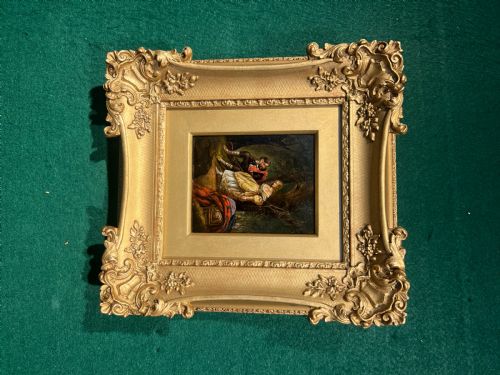
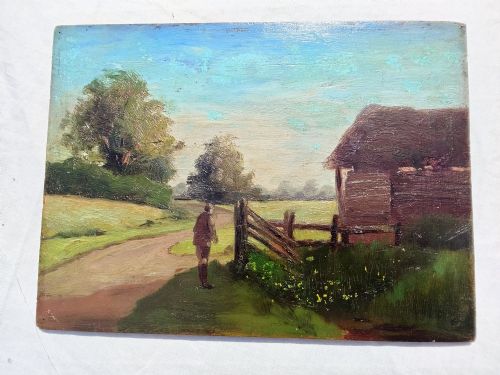
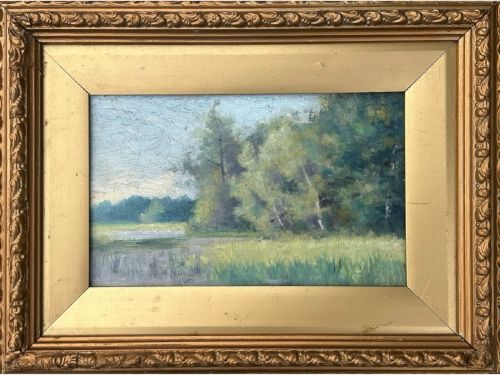

19th Century Oil on Panel
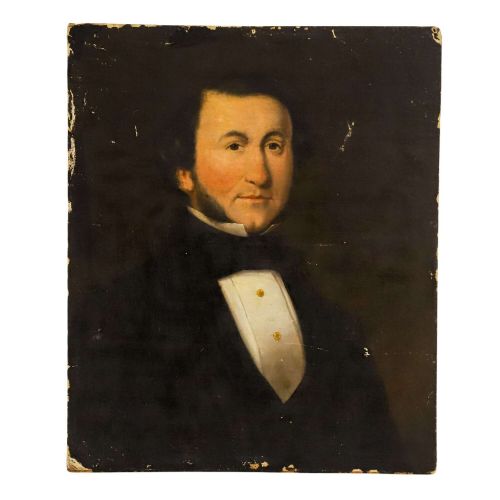
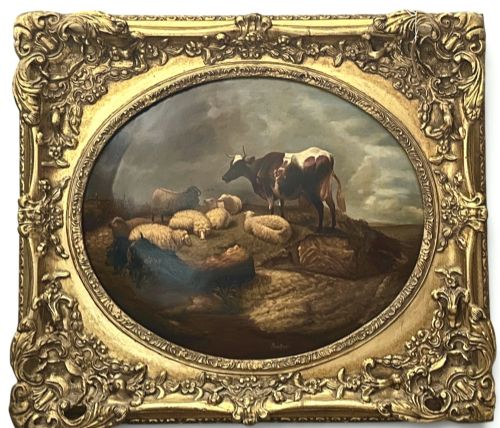
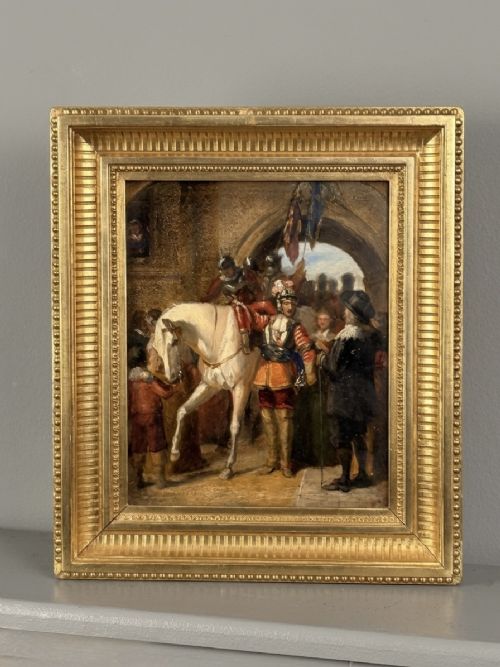
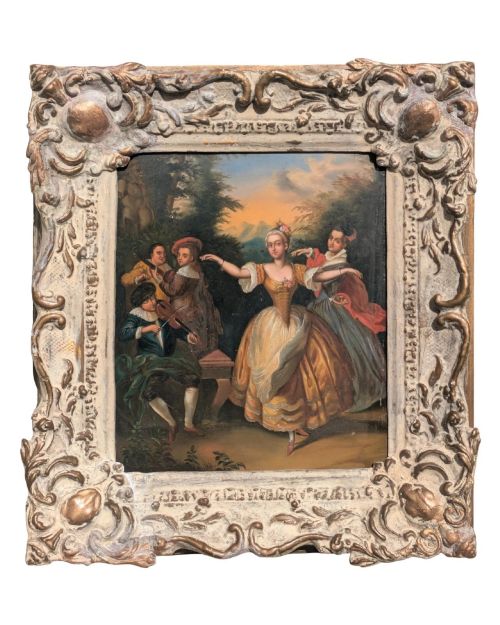
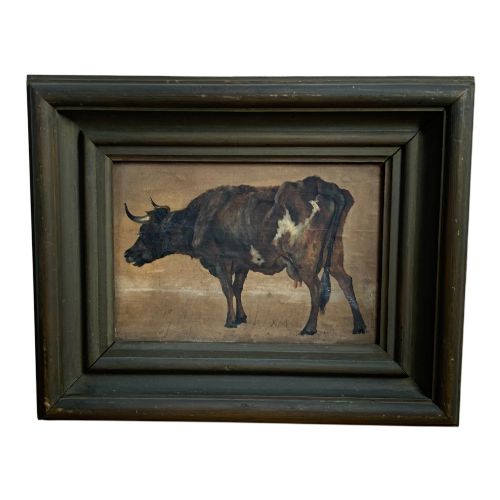
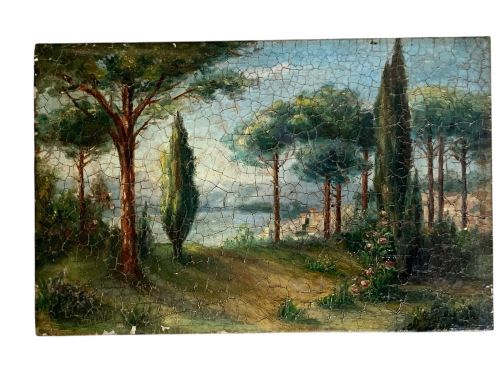
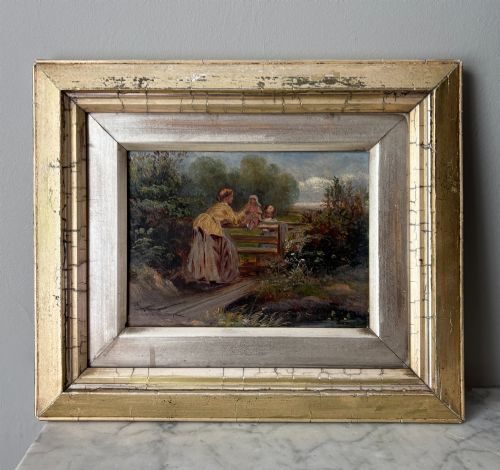
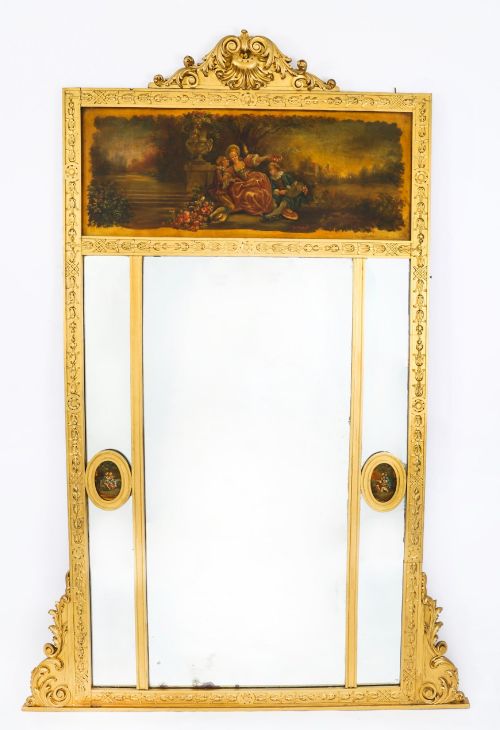
A 19th century oil on panel brings home the rich textures and intimate scale of Victorian and Regency fine art.
19th Century Oil on Panel
A 19th century oil on panel groups together small-scale fine art paintings, portraits, and landscapes executed on wooden boards or zinc supports during the Georgian, Victorian, and late nineteenth periods. Buyers seek these works for their portable scale and the remarkable preservation of pigment achievable on a rigid wooden ground rather than stretched canvas.
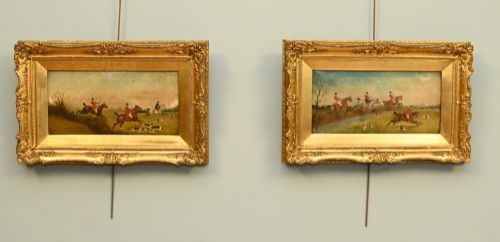
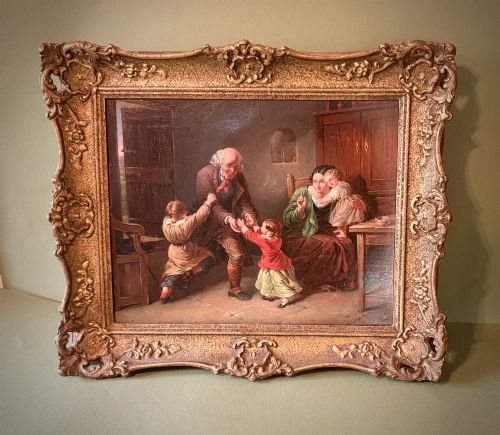
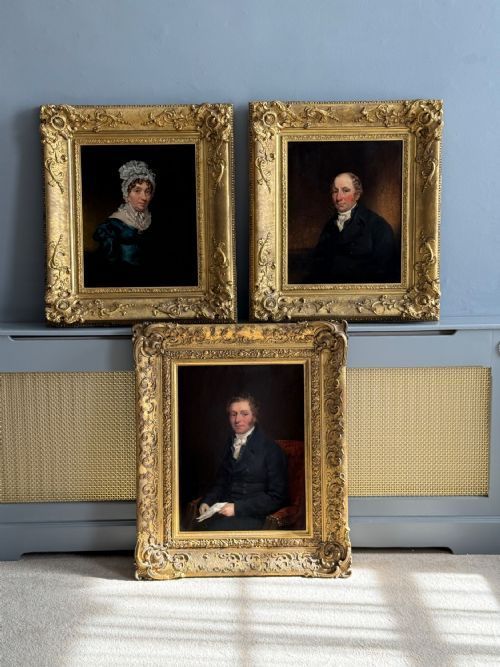
The pieces on this page span British and continental schools, encompassing sporting art, genre scenes of domestic life, marine vistas, and academic portraiture. Most examples date from the core Victorian decades, alongside earlier Regency portraits and late nineteenth-century impressionist sketches.
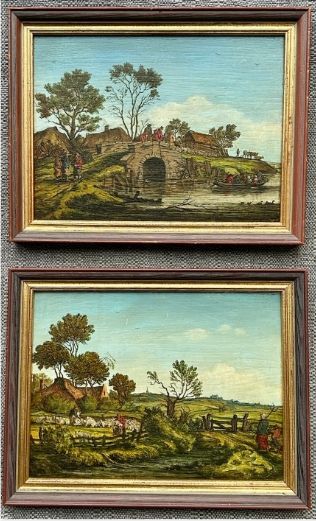
Subjects range from grand historical narratives and detailed architectural interiors to quiet countryside landscapes and miniature likenesses. The frequent presence of period giltwood or solid wood frames completes the presentation of these historic artworks.
How they were made
Artists painted primarily with oil paint upon prepared wood panels, oak boards, mahogany supports, or occasionally zinc plates, providing a stable, warp-resistant foundation that captured fine brushwork. The rigidity of the panel allowed painters to apply smooth glazes and minute detail without the bounce associated with woven canvas.
Works are frequently housed in original or period frames fashioned from giltwood, burr maple, or solid wood, often embellished with gesso and gold leaf. These frames were tailored to complement the intimate scale of the panel, enclosing the artwork securely.
19th Century Oil on Panel Retail Price Guide 2026
Typical asking prices for 19th century oil on panel among the pieces listed under this phrase on Sellingantiques today, from the lower quarter to the upper quarter. They describe what is for sale here now, not the wider market.
Listings feature works from British, French, Dutch, Flemish, and Swedish schools, spanning Regency, Victorian, and Impressionist styles.
What varies in quality
Quality rests in the precision of the brushwork, the depth of the pigment layers, and the expressive handling of light and shadow across the panel. Master painters achieved subtle tonal gradations and lifelike character in portraits or landscapes, whereas naive or provincial works display simpler draftsmanship.
The preservation of the underlying wooden board and the intact survival of the original gilt frame significantly influence the standing of a piece. Panels that retain their original ground without excessive restoration or warping hold greater visual integrity.
Joseph Clover RA·Benjamin Eugene Fichel·William Etty·Pieter Cornelis Dommersen·John Henry Dell·Théophile Emmanuel Duverger
The 19th Century Oil on Panel Glossary
- Oil on panel
- A painting executed using oil-based pigments upon a rigid wooden board or panel rather than fabric canvas.
- Genre painting
- Artwork depicting scenes from everyday life, often featuring domestic interiors, markets, or social gatherings.
- Giltwood
- Wood, such as carved framing timber, that has been coated with a thin layer of gold leaf or gilt finish.
- Gesso
- A plaster-like mixture applied to wooden panels or frames to prepare a smooth surface for painting or gilding.
- Miniature painting
- A highly detailed, small-scale portrait or artwork designed to be viewed closely.
19th Century Oil on Panel: Frequently Asked Questions
What is a 19th century oil on panel?
It is an artwork painted with oil colours on a wooden board or rigid panel during the 1800s. These pieces include portraits, landscapes, and domestic scenes.
Because wood provides a firm surface, artists could paint intricate details that have survived clearly down to the present day.
How do I display these paintings?
These works suit smaller wall spaces, studies, or galleries where their intimate scale can be appreciated up close. Their period frames often allow them to hang independently or within a curated arrangement of similar fine art.
Keep them away from direct sunlight and sharp fluctuations in room temperature to protect the wood panel and paint layer.
How can I tell a panel from a canvas?
A panel is rigid and does not give when light pressure is applied to the reverse, whereas canvas is flexible and yields slightly. Panels also lack the characteristic grid texture of woven fabric visible through the paint.
Looking at the edges or back of the painting usually reveals the solid wood or board support.
Why did artists use wood instead of canvas?
Wood panels offered a completely flat and stable surface that did not slacken over time like stretched fabric. This stability allowed painters to work with extreme precision and fine detail, especially for small portraits and cabinet pictures.
Panels were also readily available and easier to transport for artists painting outdoors or travelling.