


19th Century Oil Art
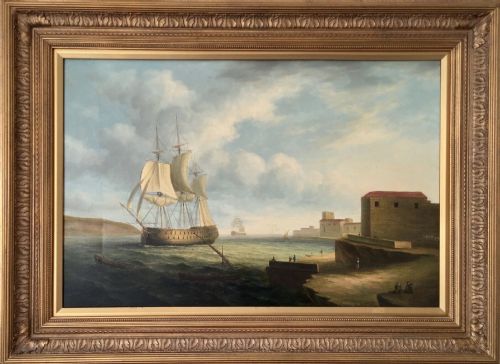
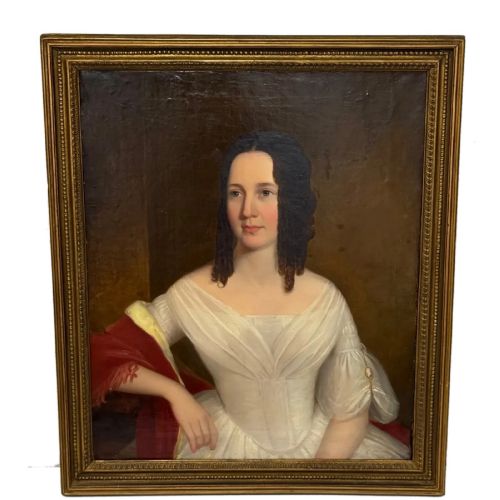
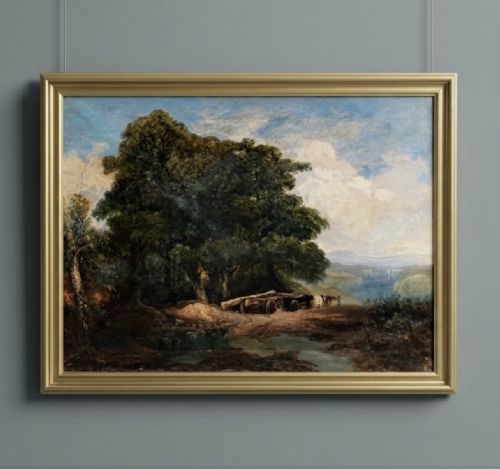
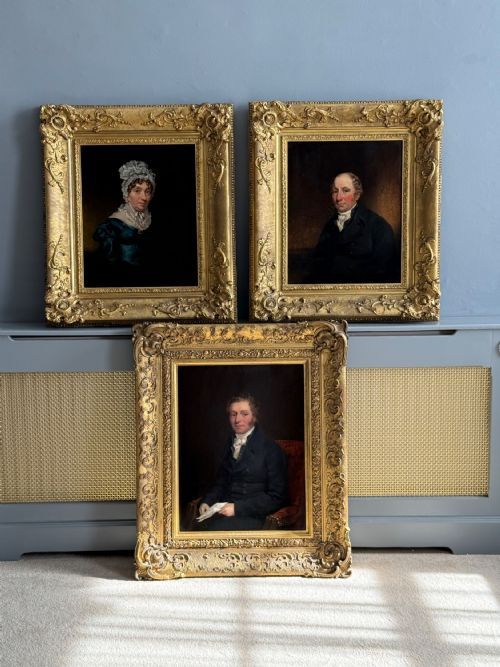
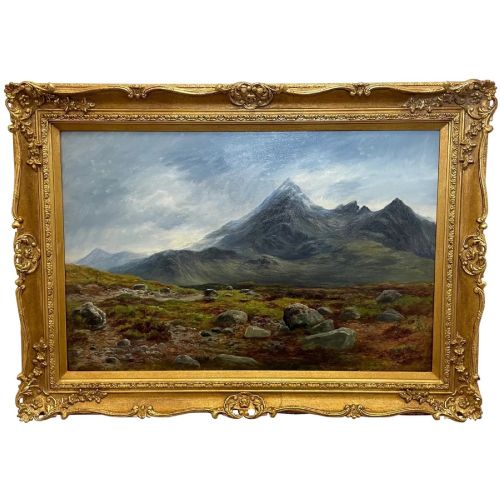
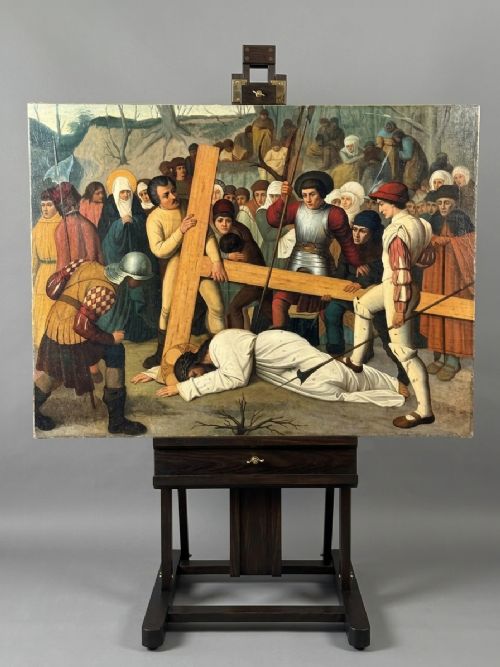
These 19th century oil art pieces offer genuine historical depth through painted portraits, landscapes, and maritime scenes.
19th Century Oil Art
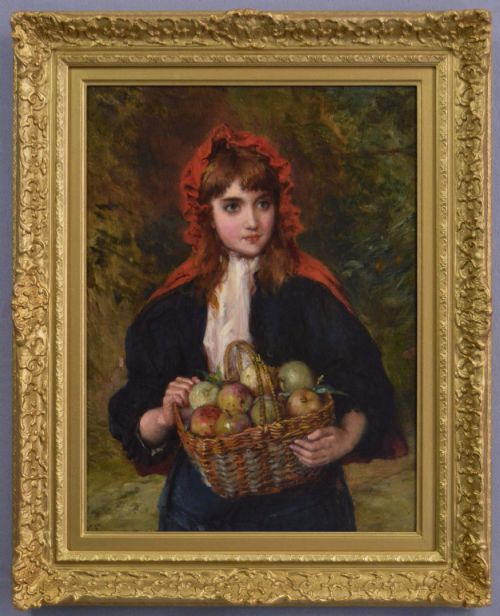
When searching for 19th century oil art, buyers encounter a diverse selection of oil paintings spanning portraits, landscapes, and genre scenes. The inventory frequently includes works on canvas, wood panel, and board from British, French, and wider European schools.
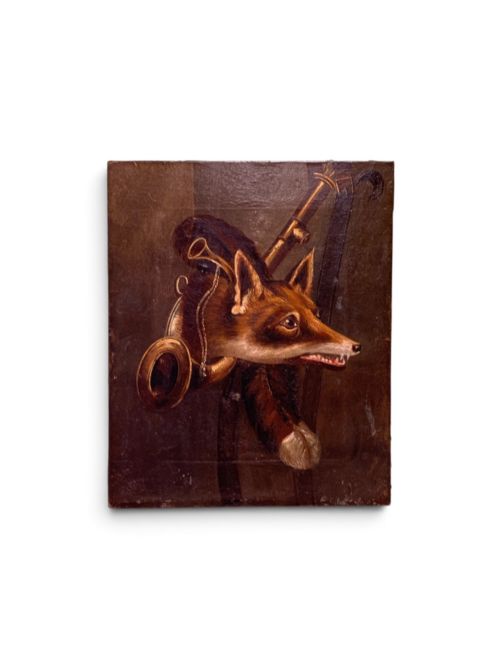
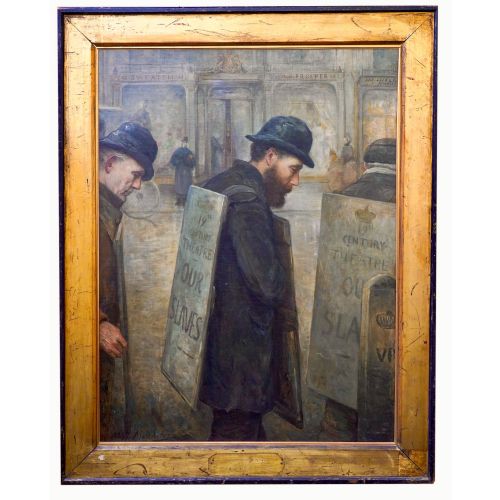
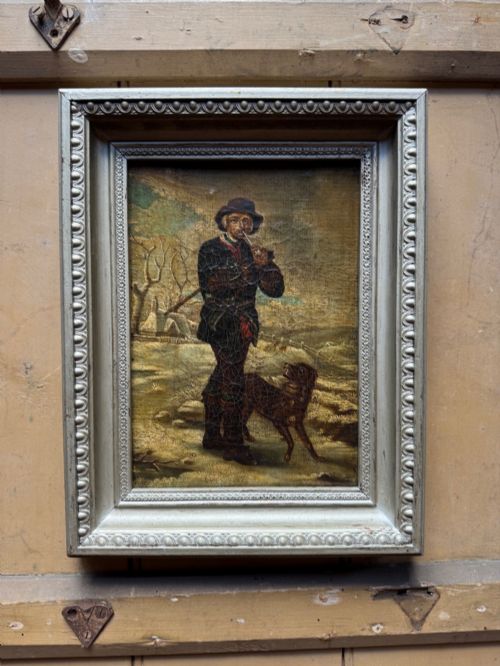
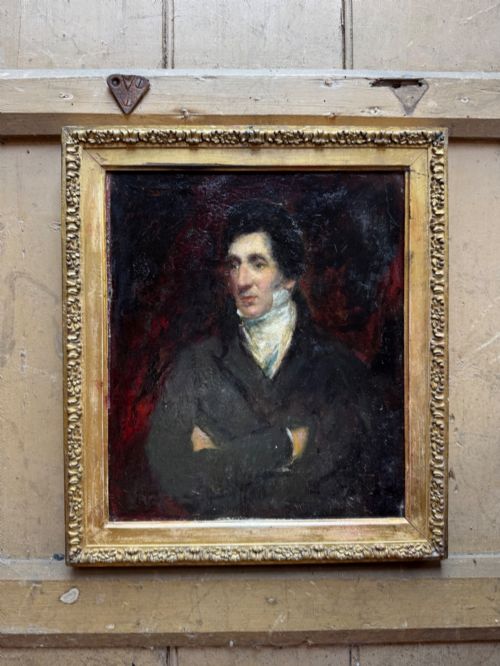
Subjects range from formal Regency and Victorian portraits to romantic rural landscapes, marine disasters, and naive folk art. Buyers will find both signed works by known artists and provincial or circle pieces from the broader nineteenth century.
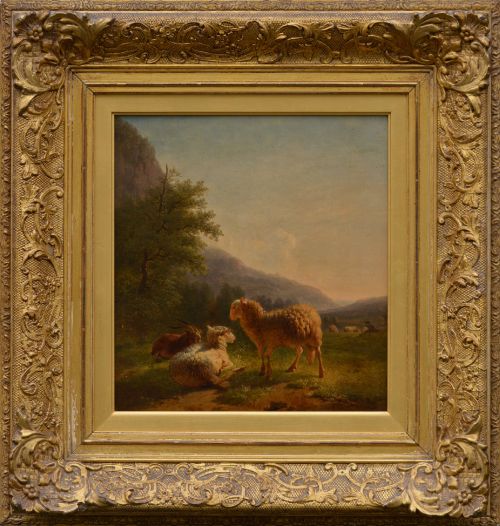
The selection reflects varied domestic and regional interests of the era, encompassing domestic animals, still lifes, and narrative interior scenes. These paintings record the visual culture of the period across multiple genres and scales.
How They Were Made
The works utilise oil paint applied to prepared supports of canvas, wood panels, or artist boards. Canvases are frequently stretched over wooden frames and secured with traditional methods.
Many surviving pieces retain their period frames constructed from wood with applied gesso and gilt finishes. Pigments were blended and layered to achieve depth in skin tones, foliage, and water.
Listings feature 19th century oil art on canvas, wood panel, and board across Victorian, Regency, and Georgian periods.
What Varies in Quality
Technical proficiency in handling the medium separates routine provincial production from accomplished academic or studio painting. Anatomy, perspective, and light handling demonstrate the distinct skill of the individual hand.
The survival of the original surface condition and contemporary framing contributes significantly to the overall integrity of the piece. Unrestored canvases with legible signatures and period giltwood surrounds command distinct attention from collectors.
William Oliver·Richard Sebastian Bond·Joseph Clover·William Beattie-Brown·Felix Stone Moscheles·Valentine T Garland·John Maler Collier·Frederick Marriott·John Horace Hooper·William McAlpine·Reginald Arthur Borstel·William Joseph Shayer Senior·Alfred Fontville de Breanski Jr·Arthur Joseph Meadows·James Arthur O Connor·Jean Baptiste Discart·Arturo Orselli·Charles Randell·J Gibb·Arthur Gilbert·Arthur Knowles·Jules Edouard Diart·Henri Charrier·William Arthur Howgate·John Nost Sartorius
The 19th Century Oil Art Glossary
- Oil on Canvas
- A painting medium where pigments bound in drying oil are applied to a stretched woven fabric support. This combination allowed artists to build rich textures and tonal gradations.
- Giltwood
- Wood carved and coated with gold leaf or metallic gilt powder. It is commonly found on the decorative frames enclosing period paintings.
- Gesso
- A plaster-like mixture used as a smooth base on wood panels or frames before gilding or painting. It provides a stable surface for decorative work.
- Naive Art
- Artwork created by individuals without formal academic training, often characterised by flat perspectives and direct expression. These pieces offer insight into vernacular visual culture.
- Regency
- The stylistic period in Britain spanning the early decades of the nineteenth century, noted for particular approaches to portraiture and interior design.
19th Century Oil Art: Frequently Asked Questions
What subjects appear most often in these paintings?
Portraits of individuals and domestic animals form a large portion of the works, alongside pastoral and mountainous landscapes. Marine scenes and still life compositions also recur frequently across the inventory.
These subjects reflect the aesthetic and domestic interests popular with patrons and collectors throughout the nineteenth century.
How do I identify the period of an oil painting?
Period attribution relies on stylistic indicators within the clothing, hair styling, and setting of portraits, as well as landscape conventions. Signatures, dates inscribed verso, and framing materials also assist in dating.
Secondary evidence such as canvas stamps and stretcher construction provides further chronological clues for the work.
Where were these framed works originally displayed?
These paintings hung primarily in country houses, urban townhouses, and institutional spaces throughout Britain and Europe. They served as family memorials, decorative wall art, and displays of cultural acquisition.
Their original settings dictated the scale and the use of substantial giltwood framing designed to complement domestic interiors.
How should I care for a 19th century oil painting?
Display the artwork away from direct sunlight and fluctuating humidity to protect both the canvas and the wooden support. Gentle dusting with a soft, dry brush maintains the surface without disturbing the paint.
Avoid using liquid cleaners on the paint surface or the gilt frame to prevent chemical damage.